

Loading, please wait...
Loading, please wait...

North India is set to witness a major healthcare transformation. Consequently, the AIISH Satellite Centre Kanpur will soon become a reality. This institute marks a significant milestone for medical research. Furthermore, the facility will serve patients who currently travel to Mysore. District Magistrate Jitendra Pratap Singh inspected the site recently. He emphasized the importance of regular project monitoring.
The centre will house advanced audiology laboratories. It will also include specialized speech therapy units. Therefore, regional healthcare access will improve significantly. Notably, the project cost is estimated at ₹180 crore. Completion is expected by October 31, 2026. Specifically, the campus will span 81,000 square metres.
The institute will provide separate hostel facilities for students. Thus, it will attract learners from across the country. The Ministry of Health is overseeing the project. Additionally, IIT Varanasi is providing technical supervision. This collaboration ensures high quality standards. Moreover, early intervention is vital for young children. The pre-primary unit will focus on this critical area.
Q1: When is the AIISH Satellite Centre Kanpur expected to be ready?
The project is targeted for completion by October 31, 2026.
Q2: What is the primary focus of the pre-primary block?
The pre-primary unit will focus on early identification and intervention for speech and hearing issues among young children.
Disclaimer: This content is for informational and educational purposes only. It does not constitute medical advice or replace professional judgment. Refer to the latest local and national guidelines for clinical practice.
References

Read summarized clinical updates, watch expert medical content, and earn CME certifications right from your smartphone.
Open your smartphone camera to scan and install.





Kanpur's AIISH Satellite Centre, costing ₹180 crore, will provide advanced speech and hearing care, research, and early intervention services by October 202...
5 months ago
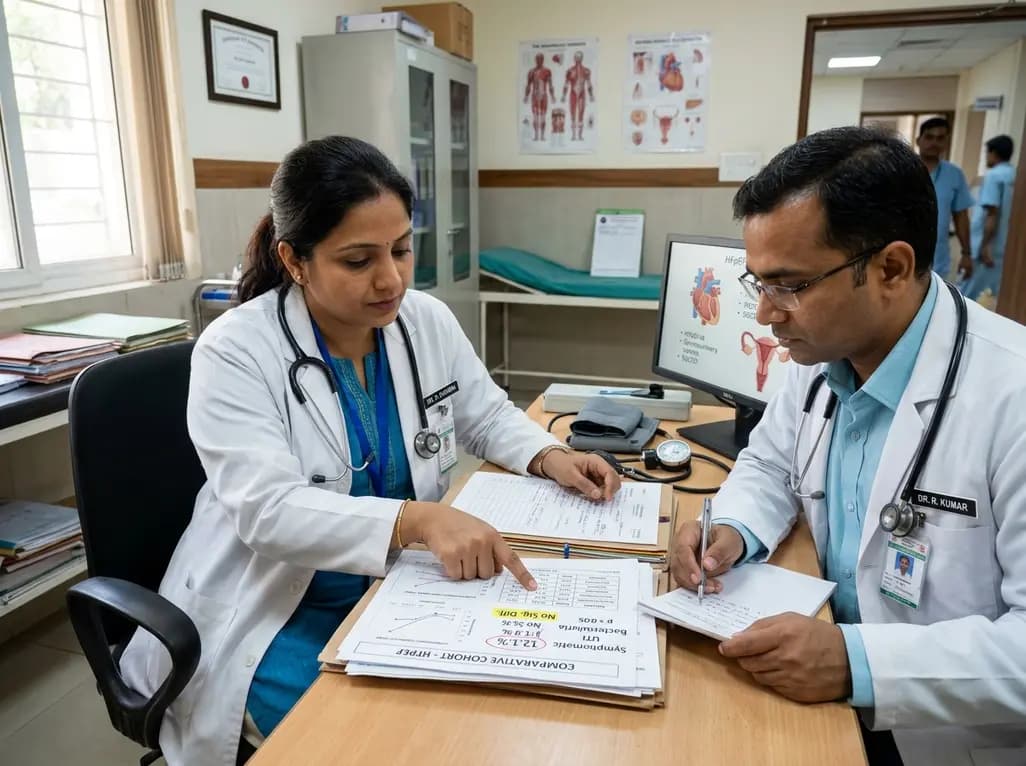
A retrospective comparative cohort study evaluated genitourinary safety in HFpEF between dapagliflozin and empagliflozin over six months. Rates of symptomatic UTI and asymptomatic bacteriuria showed no statistically significant differences, supporting comparable safety profiles across both SGLT2 inhibitors.
Today
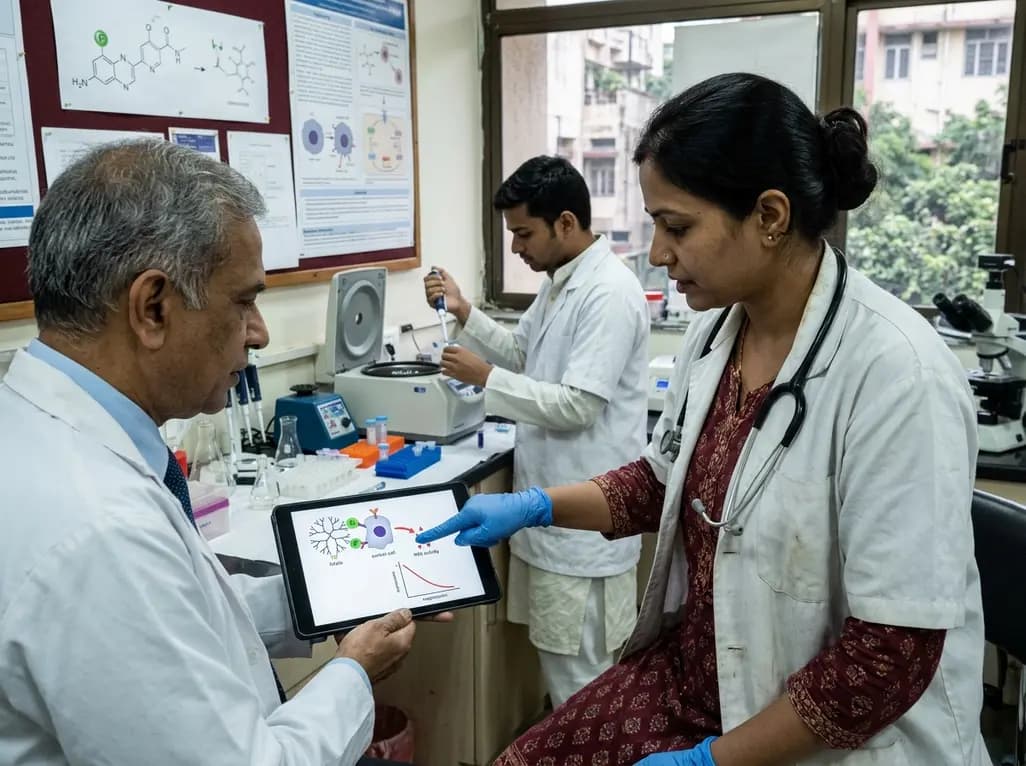
A novel folate-conjugated tecto-dendrimer nanoplatform successfully delivers siRNA to achieve targeted HK2 silencing, disrupting ovarian cancer glycolysis and suppressing lactate output.
Today
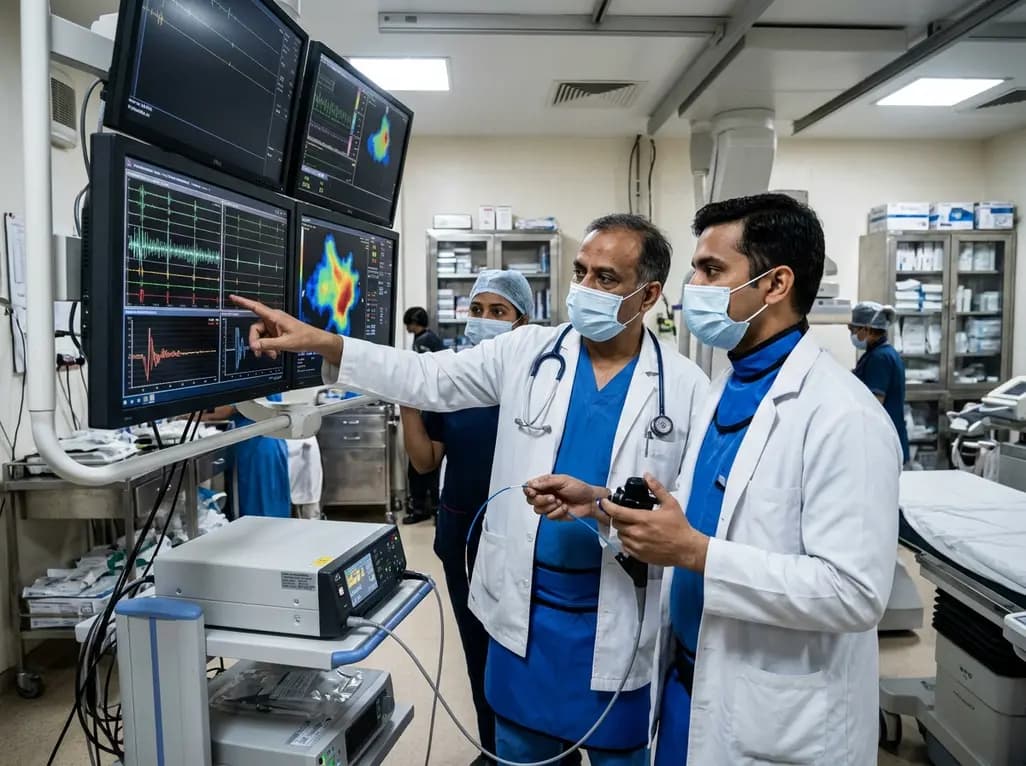
A comparative non-contact study reveals that high-power radiofrequency delivery with the QDOT MICRO catheter induces an artifactual contact force rise. Electrophysiologists must understand this power-dependent thermal and electrical phenomenon to avoid inadvertent catheter withdrawal and ineffective ablation.
Today
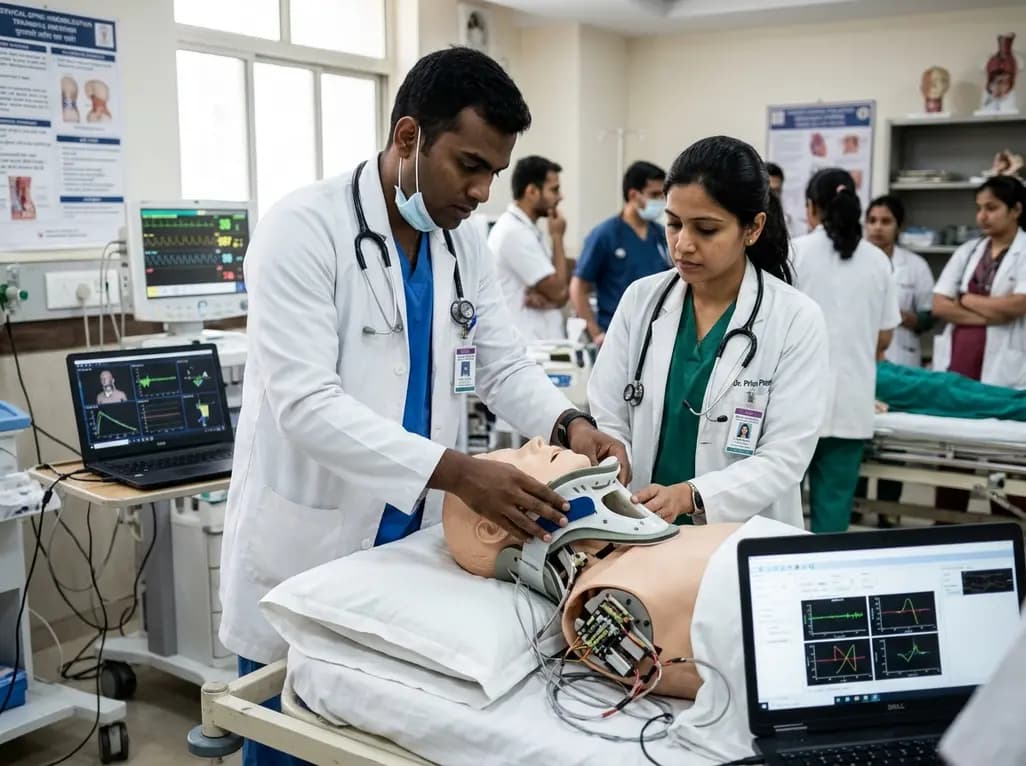
A novel proof-of-concept study presents a six-degree-of-freedom articulated manikin neck equipped with linear potentiometers. The system provides real-time kinematic motion feedback during cervical immobilisation, delivering sub-degree tracking accuracy to improve pre-hospital trauma training and patient safety.
Today
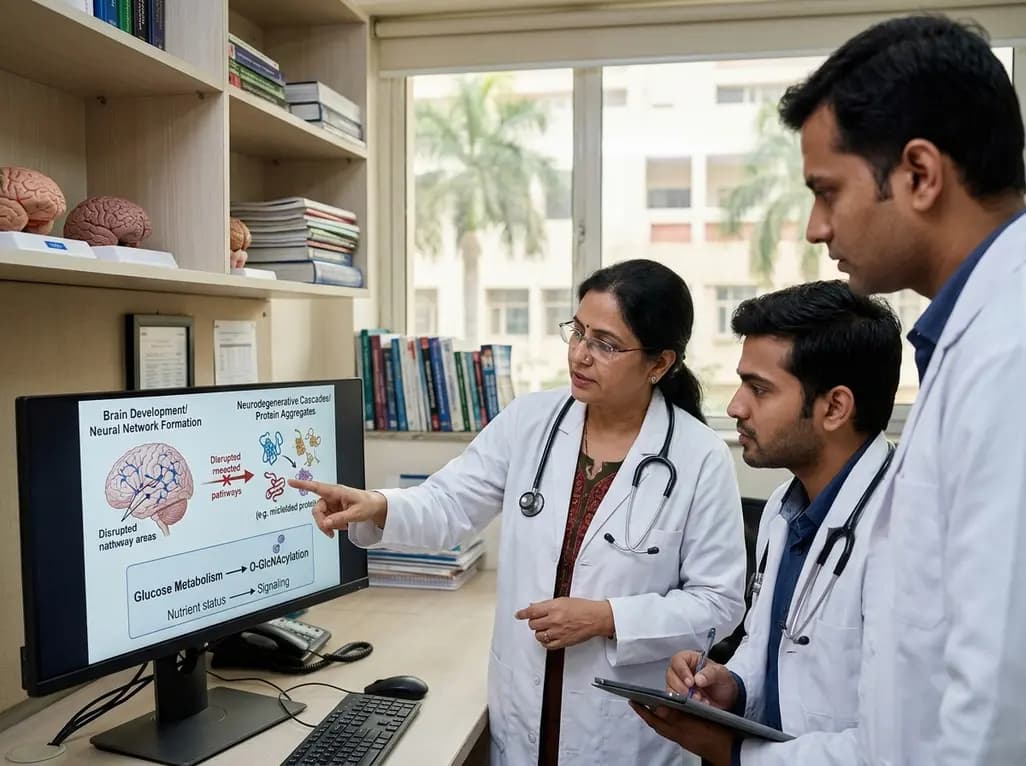
Protein O-GlcNAcylation couples cellular nutrient status to vital neuronal functions. This review explores how disrupted O-GlcNAc cycling drives both neurodevelopmental delays and neurodegenerative cascades, positioning metabolic post-translational modifications as therapeutic targets in clinical neurology.
Today
