

Loading, please wait...
Loading, please wait...
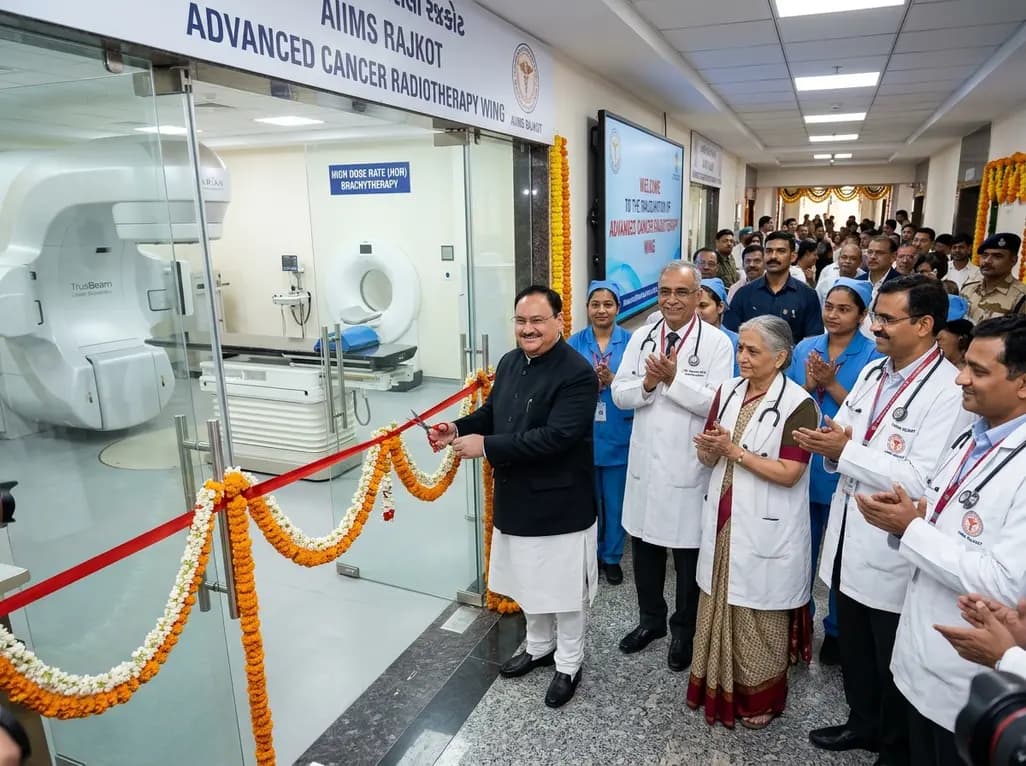
Cancer management in western India has achieved a major healthcare milestone. Recently, Union Health Minister J. P. Nadda dedicated a high-tech oncology installation to the public. The newly established advanced radiotherapy facility at AIIMS Rajkot marks a transformative development in oncology infrastructure. Built with an outlay of approximately Rs 39 crore, this department directly serves an estimated population of 1.54 crore citizens across Saurashtra and Kutch. Previously, patients faced burdensome travel to distant cities like Ahmedabad or Mumbai for complex radiation regimens. Now, local clinical teams can deliver modern oncology protocols close to home. This regional access alleviates physical, logistical, and financial strains on vulnerable families.
Addressing regional imbalances remains a central priority for public health planners in India. Consequently, the Union Government established this new installation under the Pradhan Mantri Swasthya Suraksha Yojana. This comprehensive program systematically expands tertiary medical capacity into underserved geographies across the country. Historically, rural and semi-urban patients endured long transit times to seek curative cancer treatments. Moreover, delayed interventions often led to disease progression and compromised survival outcomes. The new unit will actively manage between 500 and 700 complex cancer patients every year. Furthermore, it operates within an expanding network of national medical institutes. India has expanded its footprint from a single institute in New Delhi to 22 facilities nationwide. Today, 18 of these medical centers are fully operational. Therefore, clinicians in western India can refer oncology patients to an established academic center. These coordinated efforts reduce patient attrition and enhance treatment adherence significantly. Ultimately, regional infrastructure development democratizes cancer care across underserved communities. Additionally, local access minimizes disruption to patient support networks during exhausting weeks of daily fractionation. Because family caregivers stay closer to home, out-of-pocket expenses for lodging and travel decrease substantially. As a result, patients maintain regular therapy schedules without premature discontinuation.
The therapeutic backbone of this advanced radiotherapy facility features state-of-the-art radiation equipment. Specifically, clinicians utilize a High Energy Linear Accelerator alongside a Wide Bore CT Simulator. Additionally, the department incorporates a modern High Dose Rate Brachytherapy Unit. Together, these technological assets support advanced external beam radiation therapy and internal isotope delivery. Oncologists can now execute Intensity-Modulated Radiotherapy and Volumetric Modulated Arc Therapy with confidence. Furthermore, Image-Guided Radiotherapy and Stereotactic Radiosurgery provide millimetre-level targeting accuracy. Consequently, radiation oncologists can contour target volumes while sparing adjacent critical organs. The Wide Bore CT Simulator accommodates specialised patient positioning devices for accurate three-dimensional dosimetry planning. Meanwhile, the high-dose-rate brachytherapy unit delivers targeted internal radiation rapidly. Clinicians deploy this modality for gynaecological cancers, soft tissue sarcomas, and head and neck tumours. Therefore, patients receive precision radiation delivery that maximizes tumour control probabilities. Simultaneously, modern beam collimation minimizes acute radiation toxicities and long-term adverse events. In effect, the facility introduces international standards of radiation oncology directly to the Saurashtra region. Moreover, modern software algorithms optimize inverse planning, reducing treatment delivery durations. Consequently, patients spend less time on the treatment couch during daily beam delivery sessions.
Precision radiation therapy requires meticulous anatomical targeting and stringent dose verification. For instance, stereotactic body radiotherapy delivers ablative radiation doses in fewer treatment sessions. However, protecting sensitive healthy tissues demands exact millimetre-level spatial accuracy. The advanced LINAC technology at AIIMS Rajkot enables clinicians to escalate tumour doses safely. Therefore, patients with localized prostate, lung, or oligometastatic lesions achieve higher local control rates. Similarly, image verification before each fraction reduces geographic targeting misses caused by physiological organ motion. In addition, high-dose-rate brachytherapy provides an indispensable curative tool for locally advanced cervical carcinoma. Radiation oncologists insert applicators to deliver intense localized doses directly into the tumour bed. Because the radiation falls off rapidly, surrounding structures like the rectum and bladder experience negligible exposure. Consequently, patients face fewer gastrointestinal and genitourinary complications during follow-up. Furthermore, multidisciplinary tumour boards can tailor combined modality protocols for complex cases. Surgeons, medical oncologists, and radiation oncologists collaborate to sequence therapies rationally. Thus, patients receive comprehensive evidence-based treatments tailored to their specific oncological stage. Importantly, timely radiation delivery prevents unnecessary delays between surgical resection and adjuvant therapy. Clinical teams can initiate postoperative regimens within established clinical windows to eliminate microscopic residual disease effectively.
A severe cancer diagnosis often triggers catastrophic healthcare expenditure for Indian households. To counter this burden, the facility integrates closely with the Ayushman Bharat PM-JAY framework. Eligible scheme beneficiaries receive complete cancer treatment without incurring out-of-pocket costs. Meanwhile, non-beneficiary patients obtain diagnostic and therapeutic interventions at highly subsidised government tariffs. In addition, the central government has implemented several systemic measures to reduce cancer therapy costs. Authorities have enforced trade margin rationalisation across vital oncology medications. Furthermore, hospitals dispense essential chemotherapeutic and supportive drugs through AMRIT pharmacies and Jan Aushadhi Kendras. Customs duty exemptions on expensive life-saving oncology medicines have reduced retail pricing further. Recent data cited from a Lancet publication underscores the value of these welfare safety nets. Specifically, around ninety percent of registered cancer patients now initiate therapy within thirty days. Financial risk protection removes significant economic barriers that once led to therapeutic abandonment. Consequently, socioeconomically disadvantaged patients can complete full courses of curative chemoradiotherapy. In conclusion, integrated public health schemes create equitable healthcare access across Gujarat. Moreover, seamless financial clearance prevents treatment interruptions during multimodality schedules. Clinicians can prescribe optimal systemic agents alongside radiation without fear of patient financial distress.
Curative oncology outcomes depend heavily on identifying malignancies at early clinical stages. Therefore, the national healthcare framework prioritizes community-level screening through Ayushman Arogya Mandirs. Nationwide screening programs have evaluated over 37 crore individuals for oral cancer since 2018. Consequently, health workers have identified approximately 2.5 lakh early suspected cases. Similarly, screening campaigns have assessed 17.7 crore women for breast cancer, identifying 95,000 cases. Community workers have also screened nearly ten crore women for cervical cancer. Alongside oncology drives, primary centers have conducted 44 crore screenings each for diabetes and hypertension. This holistic approach addresses chronic comorbidities that complicate cancer care delivery. When frontline workers detect suspected tumours early, structured referral pathways channel patients to tertiary institutes. At AIIMS Rajkot, radiation oncology operates within an integrated multidisciplinary framework. The department coordinates seamlessly with surgical oncology, general surgery, gynaecological oncology, and medical chemotherapy units. As a result, clinicians offer complete multidisciplinary management under a single institutional roof. Ultimately, this seamless continuum from screening to tertiary radiotherapy improves national cancer survival figures. Furthermore, regular institutional tumour board discussions ensure consensus on complex staging. Multidisciplinary teams evaluate every diagnostic parameter before formulating individualized treatment pathways.
Q1: What advanced radiation modalities does the new AIIMS Rajkot facility offer?
The facility provides advanced external beam and internal radiation therapies using modern medical equipment. Specifically, it houses a High Energy Linear Accelerator, a Wide Bore CT Simulator, and an HDR Brachytherapy Unit. Clinicians can deliver Intensity-Modulated Radiotherapy, Volumetric Modulated Arc Therapy, Image-Guided Radiotherapy, Stereotactic Radiosurgery, and Stereotactic Body Radiotherapy. Additionally, high-dose-rate brachytherapy enables precise internal treatment for gynaecological, head, neck, and soft tissue malignancies.
Q2: Who can access free or subsidised cancer treatments at AIIMS Rajkot?
Eligible beneficiaries enrolled under the Ayushman Bharat Pradhan Mantri Jan Arogya Yojana can access all radiation therapy procedures free of charge. Furthermore, other cancer patients from Saurashtra and surrounding regions receive diagnostic assessments and therapeutic procedures at highly subsidised government rates. In addition, patients benefit from lower drug expenses through on-campus AMRIT pharmacies and Jan Aushadhi Kendras, which supply discounted chemotherapy agents and essential supportive medications.
Q3: Why is high-dose-rate brachytherapy crucial for regional oncological care?
High-dose-rate brachytherapy delivers high radiation doses directly into tumours while sparing nearby normal organs from excessive radiation exposure. This modality is indispensable for curative protocols in locally advanced cervical cancer, which remains highly prevalent in rural areas. Furthermore, clinicians utilize brachytherapy for select head and neck cancers and soft tissue sarcomas. Local access saves patients from prolonged travel to distant metropolitan centres during stressful treatment courses.
Disclaimer: This content is for informational and educational purposes only. It does not constitute medical advice or replace professional judgment. Refer to the latest local and national guidelines for clinical practice.
References

Read summarized clinical updates, watch expert medical content, and earn CME certifications right from your smartphone.
Open your smartphone camera to scan and install.





Union Health Minister J.P. Nadda inaugurated a ₹39-crore radiation therapy wing at AIIMS Rajkot under PMSSY. Equipped with a LINAC, wide-bore CT simulator, and HDR brachytherapy, the centre brings advanced external beam radiation and precise internal radiotherapy to over 1.5 crore people across Saurashtra and Kutch.
Today
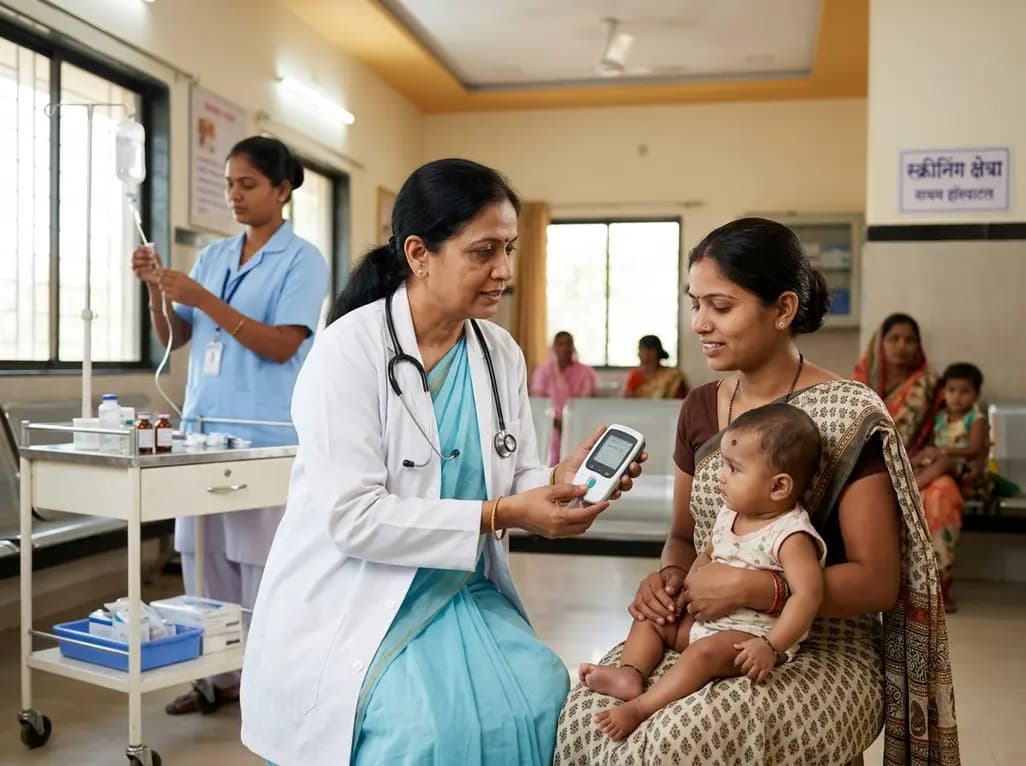
Maharashtra has launched a comprehensive initiative to halve anaemia prevalence across high-risk groups by 2030. The public health strategy integrates aggressive screening, point-of-care diagnostics, parenteral iron therapies, and targeted interventions for nutritional deficits and underlying hemoglobinopathies.
Today
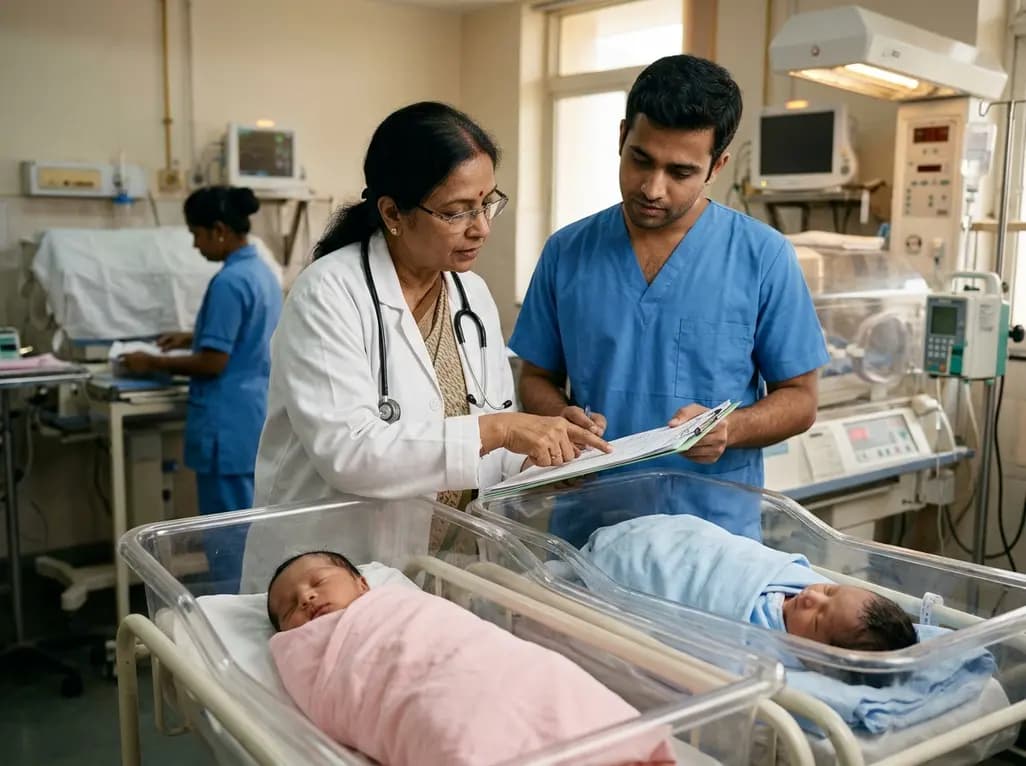
A secondary analysis of the MOMS clinical trial reveals that infant sex does not influence neonatal opioid withdrawal syndrome severity in buprenorphine-exposed newborns. Maternal co-exposures and clinical factors drive outcomes, highlighting the need for objective assessment and supportive breastfeeding.
Today
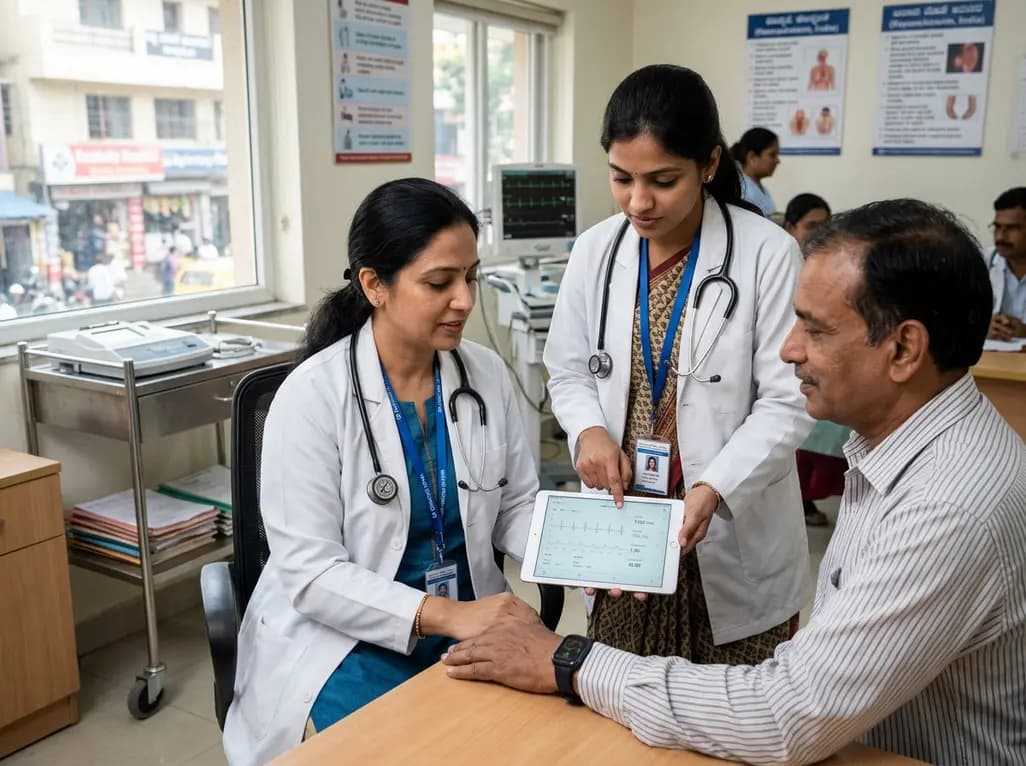
India is poised to transform chronic disease management through wearable health technology. Discover how continuous remote monitoring and predictive algorithms empower clinicians to detect early cardiovascular signals, personalize metabolic interventions, and deliver equitable preventive care across populations.
Today
A systematic review and meta-analysis highlights the substantial impact of plyometric jump training on jump performance, reactive strength, and landing kinematics in female team-sport athletes, providing evidence-based programming guidelines for sports medicine and orthopedics.
Today
A comprehensive review of the role of growth hormone in diabetic kidney disease and podocytopathy. Learn how elevated GH activates ZEB2, Notch, and TGF-beta1, driving podocyte loss and glomerulosclerosis, and explore novel targeted therapeutic approaches.
Today
