

Loading, please wait...
Loading, please wait...
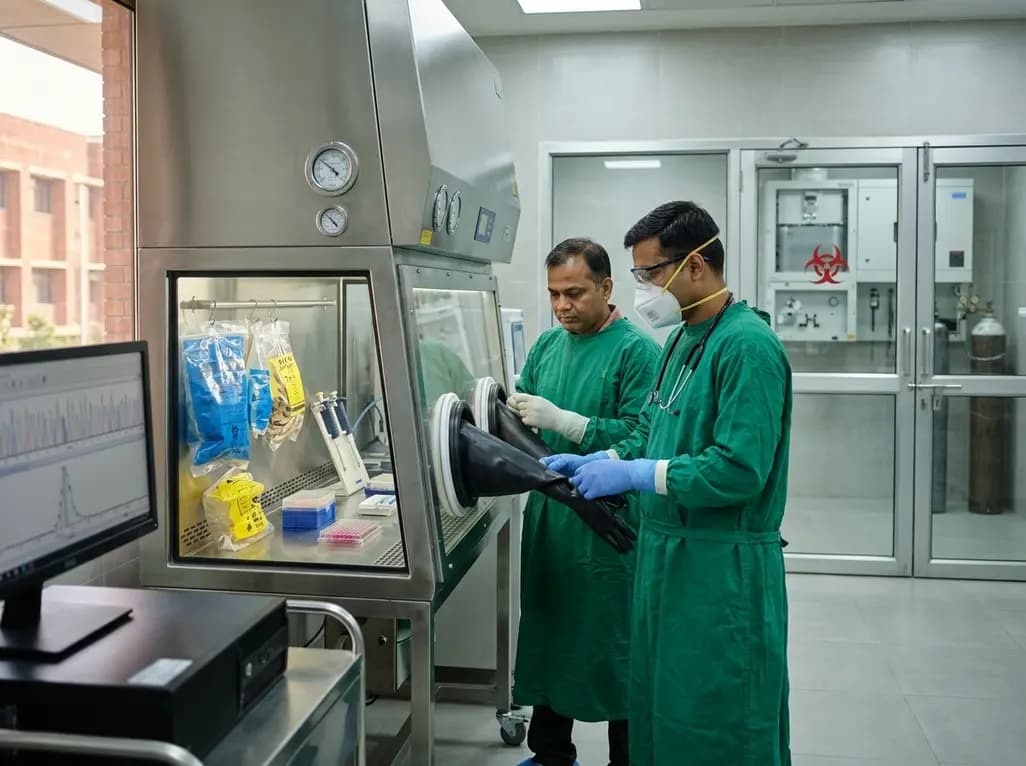
In an era marked by recurrent emerging pathogens, robust diagnostic infrastructure remains foundational to effective public health defense. AIIMS Nagpur recently achieved a significant milestone after securing a Rs 30 crore sanction from the National Centre for Disease Control. This dedicated grant will fund the construction of a state-of-the-art BSL-3 laboratory on campus. Consequently, the premier institute will substantially expand its operational capacity to identify, isolate, and investigate high-threat infectious agents locally.
Establishing an advanced BSL-3 laboratory represents a critical transition in regional biocontainment architecture. The administration has already earmarked dedicated physical space for the high-containment complex. Therefore, the approved Rs 30 crore grant will directly finance specialized civil engineering, negative-pressure HVAC systems, and air filtration. Separate institutional budgetary mechanisms will support specialized scientific equipment and technical manpower.
Consequently, the complex will meet strict national biosafety protocols before receiving clinical specimens. Facility designers plan to complete full infrastructure commissioning within approximately twelve months. Furthermore, containment barriers will rely on double-door access anterooms and directional airflow gradients. High-efficiency particulate air filtration systems will treat all laboratory exhaust air continuously. In addition, certified liquid effluent decontamination systems will prevent microbial runoff into municipal drainage. By adhering to rigorous engineering standards, the institution protects laboratory personnel and surrounding communities from high-consequence aerosolized pathogens.
Currently, clinical centers in Central India often send suspected high-risk samples across state lines for definitive microbiological confirmation. Public health facilities historically relied on the National Institute of Virology in Pune for complex viral testing. However, long-distance transit poses logistical challenges and delays critical clinical management during localized outbreaks. The new installation at AIIMS Nagpur directly solves this containment bottleneck.
Consequently, clinicians across Vidarbha and adjoining regions will receive rapid, confirmed diagnostic results during acute epidemiological crises. Regional containment facilities ensure immediate testing for lethal conditions such as Crimean-Congo hemorrhagic fever, Nipah virus, and avian influenza. Furthermore, prompt diagnosis enables treating physicians to implement targeted supportive regimens without empirical guesswork. Localized containment also streamlines contact-tracing protocols orchestrated by district surveillance officers. Therefore, regionalizing containment capacity preserves crucial time during infectious flare-ups. Ultimately, this structural autonomy prevents regional sample backlogs and optimizes therapeutic intervention windows.
Rapid demographic shifts and ecological degradation continually accelerate human intrusion into wild animal habitats. Deforestation, unmonitored agrarian expansion, and global climatic shifts alter natural wildlife reservoirs dramatically. Consequently, spillover events involving previously dormant zoonotic pathogens occur with increasing frequency across Central India. Addressing these multidimensional health emergencies requires a proactive One Health framework.
The establishment of this laboratory directly fulfills that objective. Clinicians and veterinary scientists must collaborate seamlessly to identify intermediate animal reservoirs and environmental contamination early. Moreover, specialized containment units provide the safe physical environment necessary to culture novel animal-borne viruses. Researchers can handle suspect animal tissue, vector samples, and human secretions without risking accidental personal exposure. In addition, standardizing biocontainment protocols ensures reproducible clinical research across interconnected biological domains. Hence, this investment builds sustained systemic resilience against unforeseen zoonotic outbreaks before they escalate into uncontrollable epidemics.
Effective epidemiological control depends heavily on concurrent syndromic tracking and rapid genomic characterization. Syndromic surveillance flags unexpected clusters of fever, respiratory failure, or hemorrhagic manifestations early. However, identifying the underlying etiology requires high-throughput genomic platforms within secure containment zones. The facility will combine both modalities to ensure uninterrupted microbiological intelligence.
Microbiologists can extract viral nucleic acids safely to perform comprehensive whole-genome sequencing. Therefore, researchers can track critical genetic drift, diagnostic escape mutations, and emerging antimicrobial resistance markers in real time. Early pathogen identification empowers public health directors to deploy targeted antiviral protocols and community quarantine measures rapidly. Furthermore, local genomic tracking prevents the unmonitored spread of novel variants across vulnerable populations. Clinicians can also adjust hospital triage algorithms based on accurate genomic data. Consequently, integrating syndromic surveillance with advanced genetic analytics creates an impenetrable containment barrier against lethal emerging infections.
Beyond the containment unit, AIIMS Nagpur is executing a parallel upgrade of its diagnostic architecture. The existing Virus Research and Diagnostic Laboratory is transitioning into an Infectious Disease Research and Diagnostic Laboratory. Funded by the Indian Council of Medical Research and Department of Health Research with Rs 17 crore, this facility will open shortly.
Importantly, this structural transformation expands institutional diagnostic services far beyond routine virological screens. The upgraded infrastructure will feature dedicated operational divisions for advanced bacteriology, clinical mycology, and medical parasitology. Consequently, treating doctors can rapidly identify multi-drug-resistant fungal infections, atypical mycobacteria, and complicated parasitic syndromes under one roof. Moreover, the microbiology team has already trained over 250 satellite laboratories in molecular diagnostic standards. This regional hub will now guide peripheral medical centers through complex quality assurance frameworks. Ultimately, merging routine broad-spectrum diagnostics with high-level containment establishes Central India as a formidable bastion of clinical infectious disease surveillance.
Q1: What specific funding and timeline support the AIIMS Nagpur containment laboratory project?
The National Centre for Disease Control sanctioned Rs 30 crore specifically for infrastructural development, while separate institutional allocations will fund specialized machinery and technical staffing. Civil works and engineering configurations are scheduled for completion within twelve months. Concurrently, an adjacent Rs 17 crore ICMR-funded diagnostic upgrade will become functional within three months, delivering rapid multidimensional infectious disease identification across the entire Vidarbha territory.
Q2: Why does establishing this high-containment center benefit regional clinical practitioners?
Local physicians will no longer experience diagnostic delays associated with transporting dangerous clinical samples to distant national reference institutes in Pune. Rapid on-site processing delivers timely identification of lethal pathogens like Nipah virus, hemorrhagic fever agents, or respiratory viruses. Consequently, hospital teams can initiate precise infection control, administer targeted countermeasures promptly, and prevent hospital-acquired outbreaks effectively during critical disease outbreaks.
Q3: How does the facility bridge routine clinical microbiology with epidemic surveillance?
The institution combines rapid syndromic surveillance with high-containment whole-genome sequencing to track pathogen mutations and atypical illness presentations. Furthermore, upgrading the current diagnostic complex into an Infectious Disease Research and Diagnostic Laboratory expands capacity across bacteriology, parasitology, and mycology. This integrated design allows seamless clinical reporting for hospital patients alongside active epidemiological disease tracking for regional public health authorities.
Disclaimer: This content is for informational and educational purposes only. It does not constitute medical advice or replace professional judgment. Refer to the latest local and national guidelines for clinical practice.
References

Read summarized clinical updates, watch expert medical content, and earn CME certifications right from your smartphone.
Open your smartphone camera to scan and install.





The National Centre for Disease Control has sanctioned Rs 30 crore to AIIMS Nagpur to establish a cutting-edge containment unit. This high-security infrastructure decentralizes diagnostic capabilities from NIV Pune, accelerating local outbreak response and genomic pathogen identification across Central India.
Today
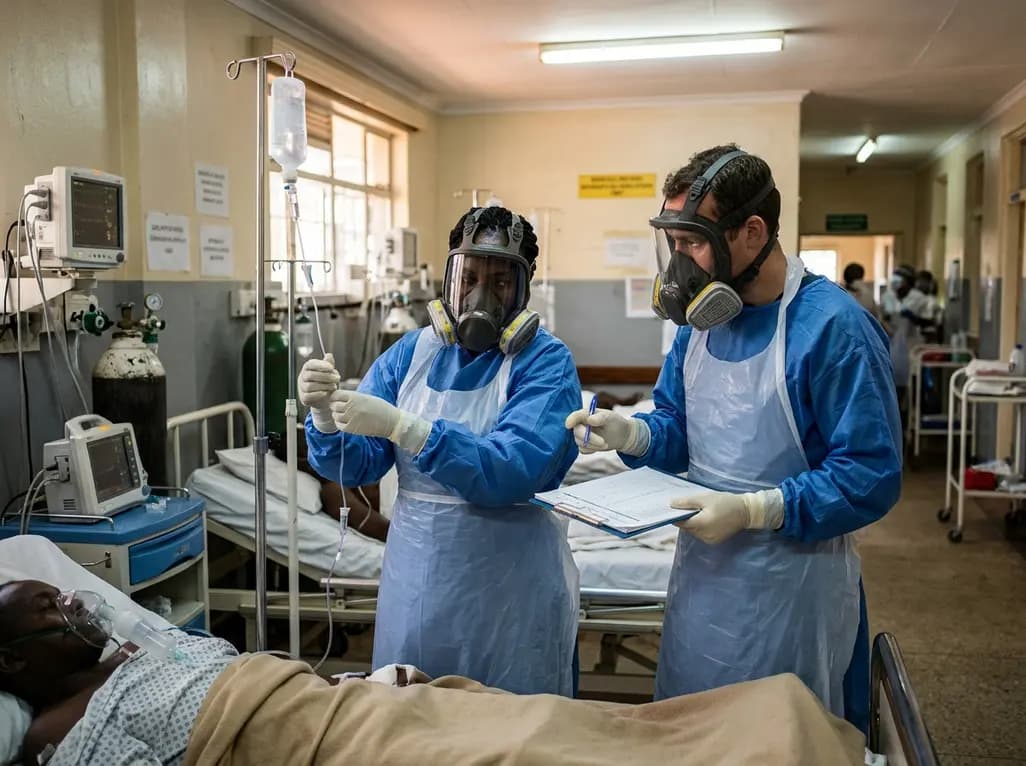
Health authorities in Kenya have confirmed two fatalities among nine cases of Ebola linked to regional transmission. Clinicians worldwide must maintain heightened vigilance, screen international travelers promptly, enforce strict infection prevention, and deliver immediate supportive care for suspected cases.
Today
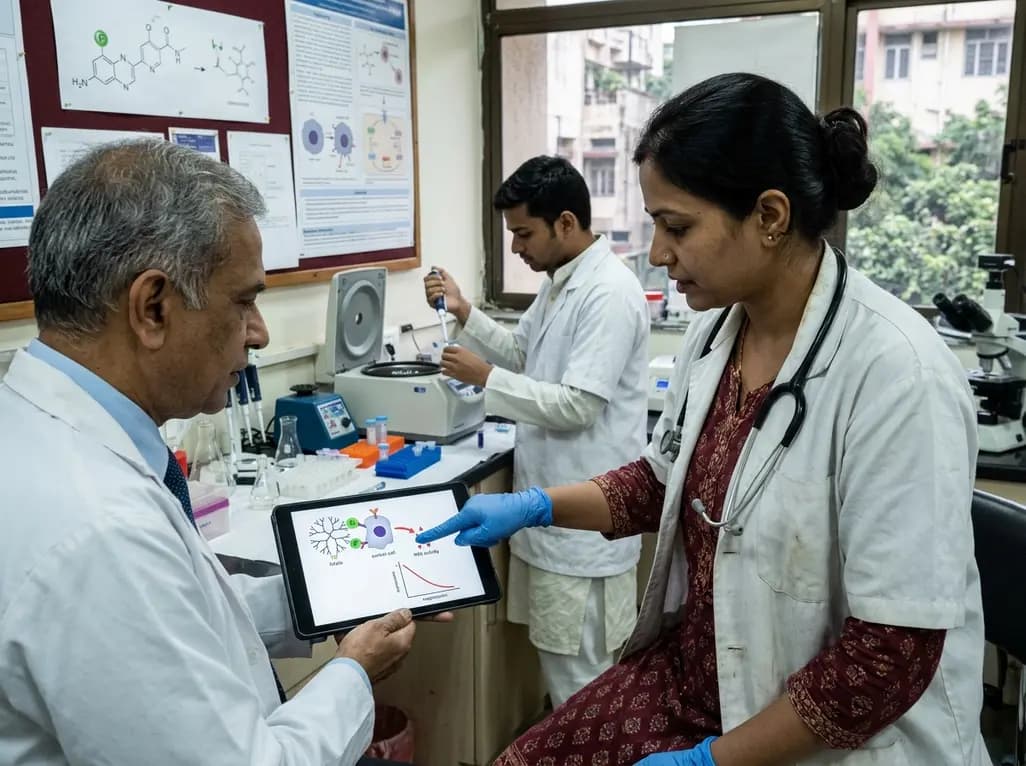
A novel folate-conjugated tecto-dendrimer nanoplatform successfully delivers siRNA to achieve targeted HK2 silencing, disrupting ovarian cancer glycolysis and suppressing lactate output.
Today
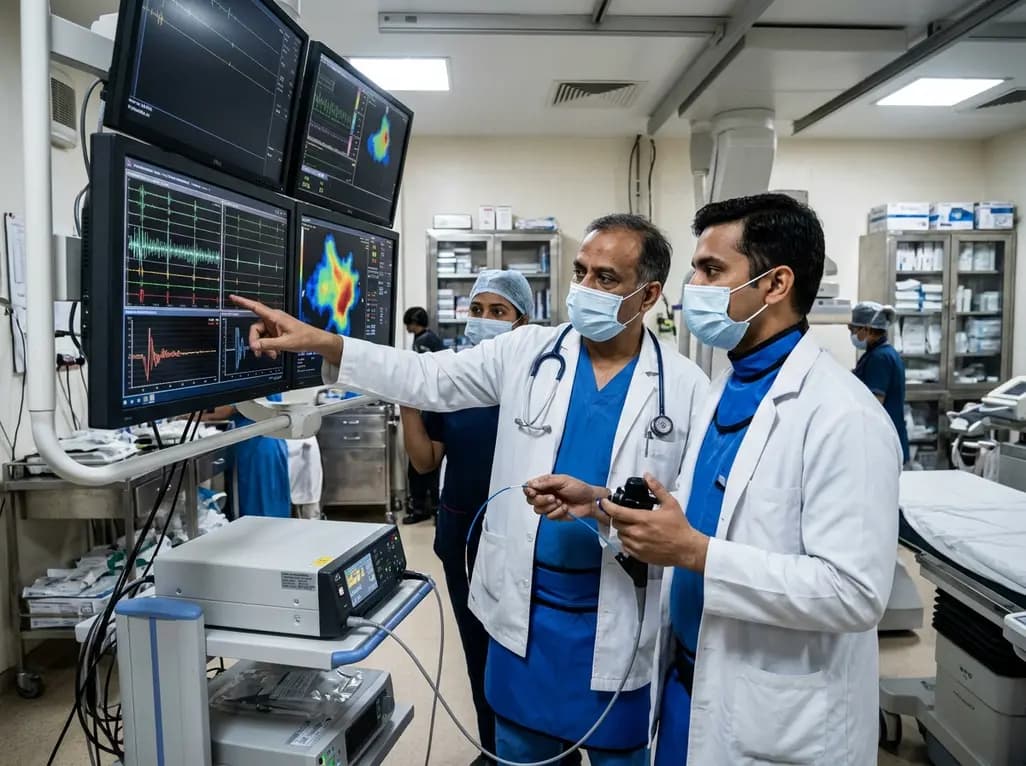
A comparative non-contact study reveals that high-power radiofrequency delivery with the QDOT MICRO catheter induces an artifactual contact force rise. Electrophysiologists must understand this power-dependent thermal and electrical phenomenon to avoid inadvertent catheter withdrawal and ineffective ablation.
Today
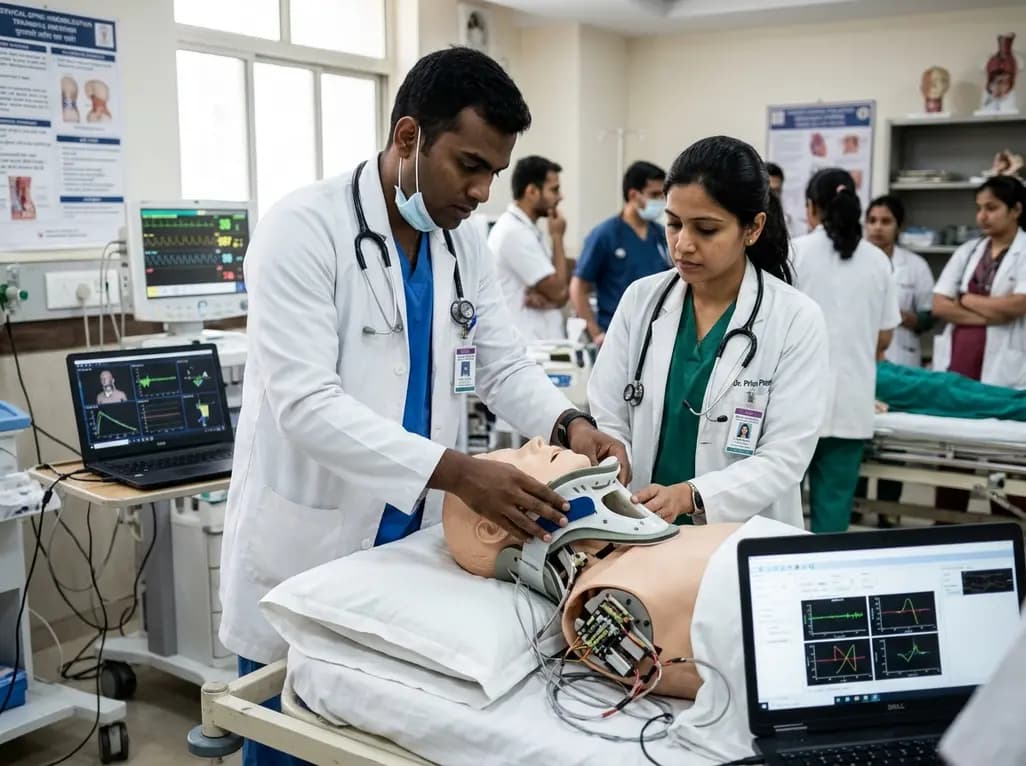
A novel proof-of-concept study presents a six-degree-of-freedom articulated manikin neck equipped with linear potentiometers. The system provides real-time kinematic motion feedback during cervical immobilisation, delivering sub-degree tracking accuracy to improve pre-hospital trauma training and patient safety.
Today
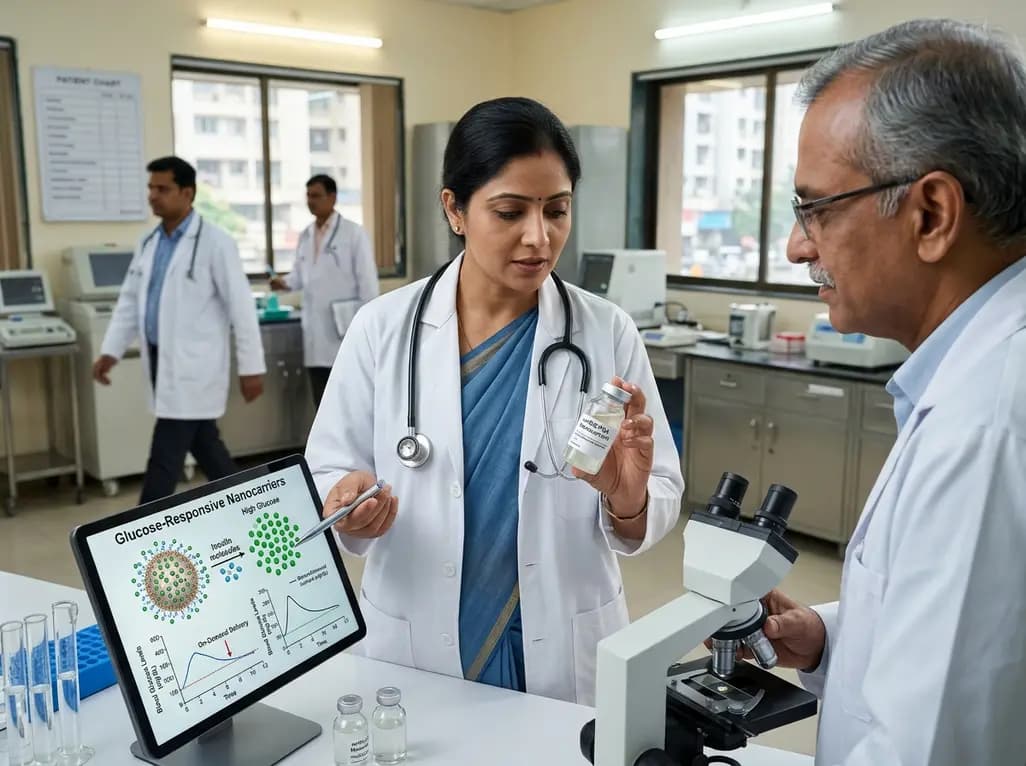
Novel glucose-responsive mPEG-PSA nanocarriers deliver insulin aspart on demand, achieving dual postprandial and basal glycemic control without hypoglycemia in diabetic models. This biomaterial breakthrough offers promising clinical implications for physiologic diabetes management.
Today
