.webp&w=384&q=75)

Loading, please wait...
Loading, please wait...

The Ministry of Health recently announced a significant leadership transition at the nation's premier medical institute. Dr Nikhil Tandon, the current Dean (Academic), will serve as the AIIMS Delhi Interim Director. This decision follows the departure of Dr M Srinivas, who moved to NITI Aayog as a full-time member. Consequently, the administration issued an official memorandum to ensure clinical and academic continuity during this period.
The appointment follows Rule 9(4) of the AIIMS Rules, 2019. Therefore, Dr Tandon will manage the director's functions alongside his existing responsibilities as Professor and Head of Endocrinology. This arrangement remains effective for six months or until a permanent director is selected. Furthermore, Dr Tandon will receive no additional remuneration for this specific interim role according to the memorandum.
Dr Tandon is a distinguished clinician-researcher specializing in cardio-metabolic diseases and diabetes. Because of his extensive experience, he has contributed to numerous national public health initiatives. He previously served on multiple expert groups focused on chronic disease management and obesity. Consequently, his leadership ensures that AIIMS maintains its high standards during this transition period.
This leadership shift comes as Dr M Srinivas joins NITI Aayog as a full-time member after serving as director since 2022. Although the change is temporary, it provides stability for the institute's operations. Meanwhile, the search for a regular incumbent continues under the guidance of the AIIMS President. This transition reflects the ongoing administrative evolution within India's top healthcare bodies.
Q1: Who has been appointed as the AIIMS Delhi Interim Director?
Dr Nikhil Tandon, the Dean (Academic) and Head of Endocrinology at the institute, has been assigned the duties of the director.
Q2: Why was a new interim director appointed?
The appointment follows the move of the previous director, Dr M Srinivas, to NITI Aayog as a full-time member.
Q3: How long will this interim arrangement last?
The arrangement is effective for six months or until a regular director is appointed, whichever occurs earlier.
Disclaimer: This content is for informational and educational purposes only. It does not constitute medical advice or replace professional judgment. Refer to the latest local and national guidelines for clinical practice.
References

Read summarized clinical updates, watch expert medical content, and earn CME certifications right from your smartphone.
Open your smartphone camera to scan and install.





Dr Nikhil Tandon, Dean (Academic), takes over as interim AIIMS Delhi Director following Dr M Srinivas's transition to NITI Aayog as a full-time member....
4 months ago

Dendritic cells bridge innate and adaptive immunity in myocardial infarction. This review explores their pathological roles, circulating dynamics, novel tolerogenic interventions, and how standard cardiovascular medications modulate dendritic cells to improve post-infarction myocardial repair and patient outcomes.
Today

A premature neonate developed upper limb compartment syndrome after uterine rupture extruded the arm through a scar defect. Conservative management with continuous monitoring yielded complete functional recovery and normal limb growth at 10-year follow-up, highlighting non-operative safety in selected cases.
Today
Atherosclerosis involves extensive glycometabolic reprogramming across immune and vascular cells. This review examines how glycolysis, the pentose phosphate pathway, and lactate-driven epigenetic shifts fuel plaque vulnerability, while highlighting novel therapeutic targets like PFKFB3 and LDHA.
Today
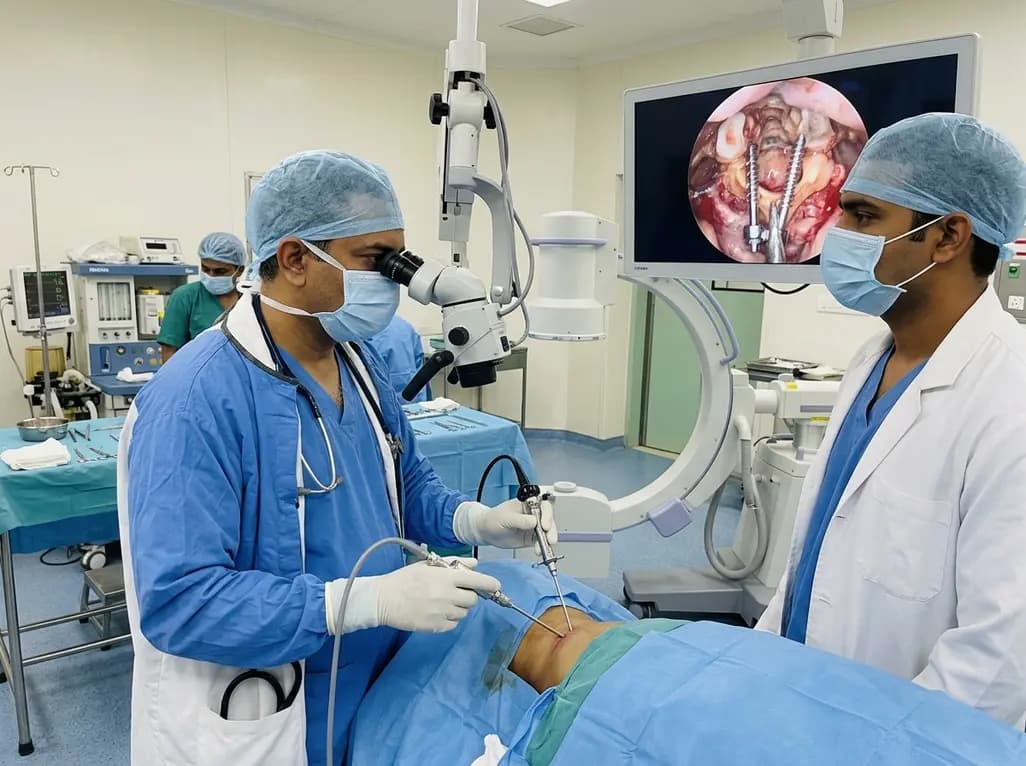
Endoscopic posterior cervical fusion combines minimally invasive decompression, joint preparation, and rigid screw-rod fixation for atlantoaxial pathologies. Early clinical findings demonstrate solid bony union, excellent symptom relief, and minimal soft-tissue morbidity without significant vascular compromise.
Yesterday
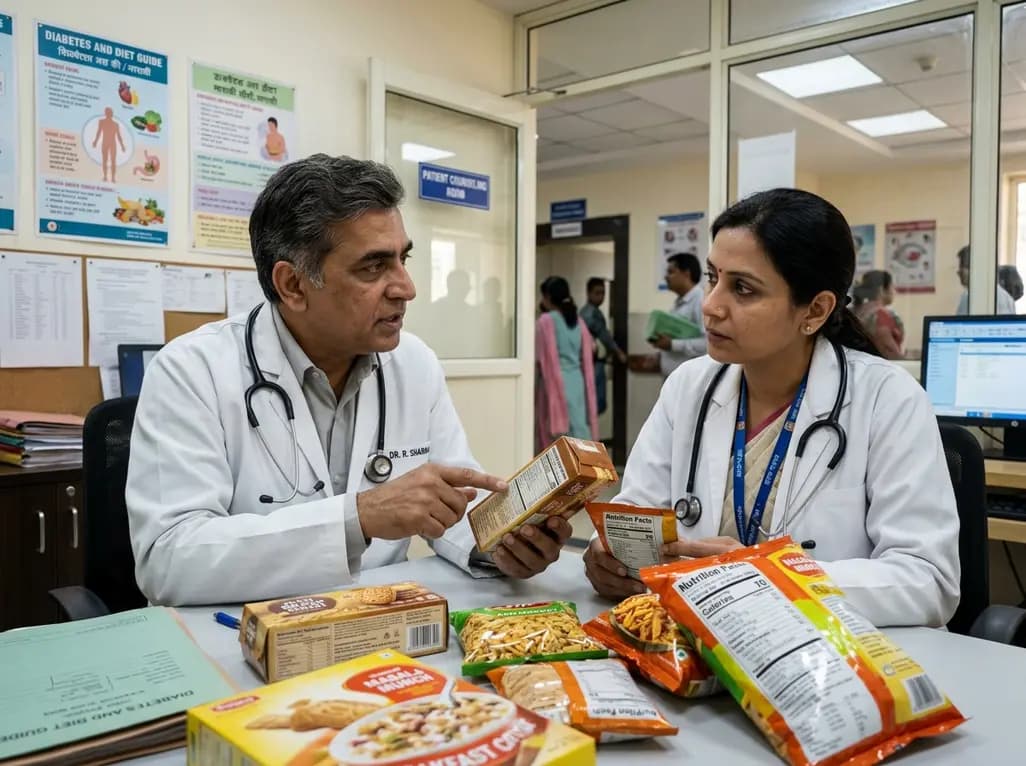
The All-India Food Processors' Association has approached the Supreme Court to oppose FSSAI's proposed per-100g benchmark for front-of-pack warning labels, advocating instead for a per-serving threshold. We explore the regulatory showdown, nutritional evidence, and implications for clinical lifestyle counseling.
Today
