.webp&w=384&q=75)

Loading, please wait...
Loading, please wait...

Nisha Mehta, an alumna of the College of Nursing at AIIMS, New Delhi, recently achieved a historic milestone. Specifically, she assumed the role of Minister for Health and Population in Nepal following recent national elections. This achievement highlights the expanding role of nursing leadership in healthcare across the South Asian region. Furthermore, Mehta’s journey from clinical practice to a key policy-making role signals a major shift in medical governance.
Mehta’s appointment follows a landslide victory by the Rastriya Swatantra Party (RSP) in the March 2026 polls. Consequently, she took her oath of office on March 27, 2026. This transition from bedside nursing to national leadership is a moment of immense pride for AIIMS. Moreover, the institution stated that her journey reinforces the vital role nurses play in shaping healthcare systems. Therefore, her expertise will likely drive significant reforms in Nepal’s public health infrastructure and nursing education standards.
Mehta pursued her Bachelor of Science in Nursing at AIIMS from 2006 to 2010. Additionally, she completed a Master’s degree in nursing in Gwalior, India. Before entering politics, she served as a clinical nurse at the B.P. Koirala Institute of Health Sciences. She also worked at Birat Teaching Hospital as both a nurse and an associate professor. Similarly, her background in administrative roles, such as with the Nepal Police Wives Association, prepared her for high-level governance. However, her new role involves tackling complex challenges like insurance dues and staffing shortages.
Q1: What is the significance of Nisha Mehta's appointment?
Her appointment is a rare example of a nursing professional reaching a top national policy-making position. It underscores the potential for nursing leadership in healthcare to transform healthcare delivery and national health systems.
Q2: Which political party does Nisha Mehta belong to?
She is a prominent member of the Rastriya Swatantra Party (RSP). This party secured a massive 182 seats in the 2026 Nepal House of Representatives elections.
Q3: Where did Nisha Mehta receive her nursing education?
Mehta completed her Bachelor of Science in Nursing at AIIMS, New Delhi, between 2006 and 2010. Later, she earned her postgraduate nursing degree from a university in Gwalior, India.
Disclaimer: This content is for informational and educational purposes only. It does not constitute medical advice or replace professional judgment. Refer to the latest local and national guidelines for clinical practice.
References

Read summarized clinical updates, watch expert medical content, and earn CME certifications right from your smartphone.
Open your smartphone camera to scan and install.





AIIMS nursing alumna Nisha Mehta takes oath as Nepal's Health Minister, highlighting the growing role of nursing leadership in national healthcare policy....
5 months ago
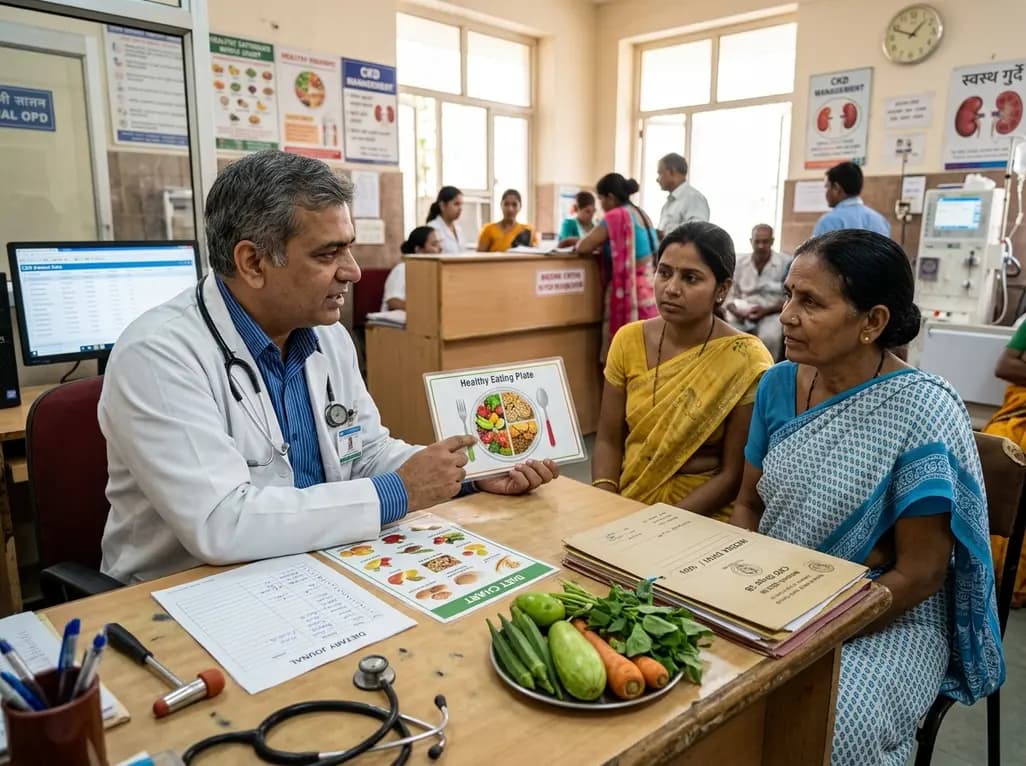
A large NHANES cohort study reveals that higher Healthy Eating Index scores significantly reduce all-cause mortality risk in CKD patients by 45%. This analysis highlights the importance of comprehensive diet quality and medical nutrition therapy in renal care to optimize long-term clinical survival.
Today

Explore real-world data showing how private oncogenetics and molecular tumor boards achieve 3-week consult turnaround, high ctDNA actionability, and vital germline variant detection, enhancing individualized cancer care and familial risk assessment.
Today
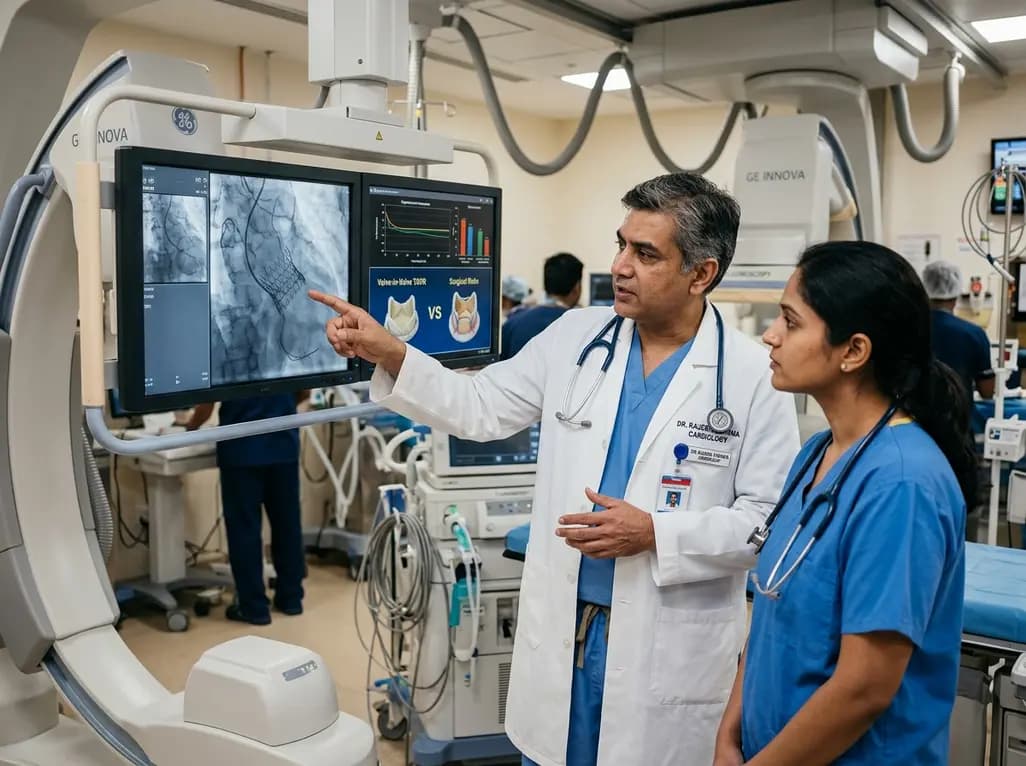
A meta-analysis of 13 propensity score-matched studies shows ViV-TAVR delivers lower early mortality and reduced bleeding compared to redo-SAVR for degenerated bioprosthetic aortic valves, though long-term hemodynamics warrant careful anatomical and patient-centered evaluation.
Today
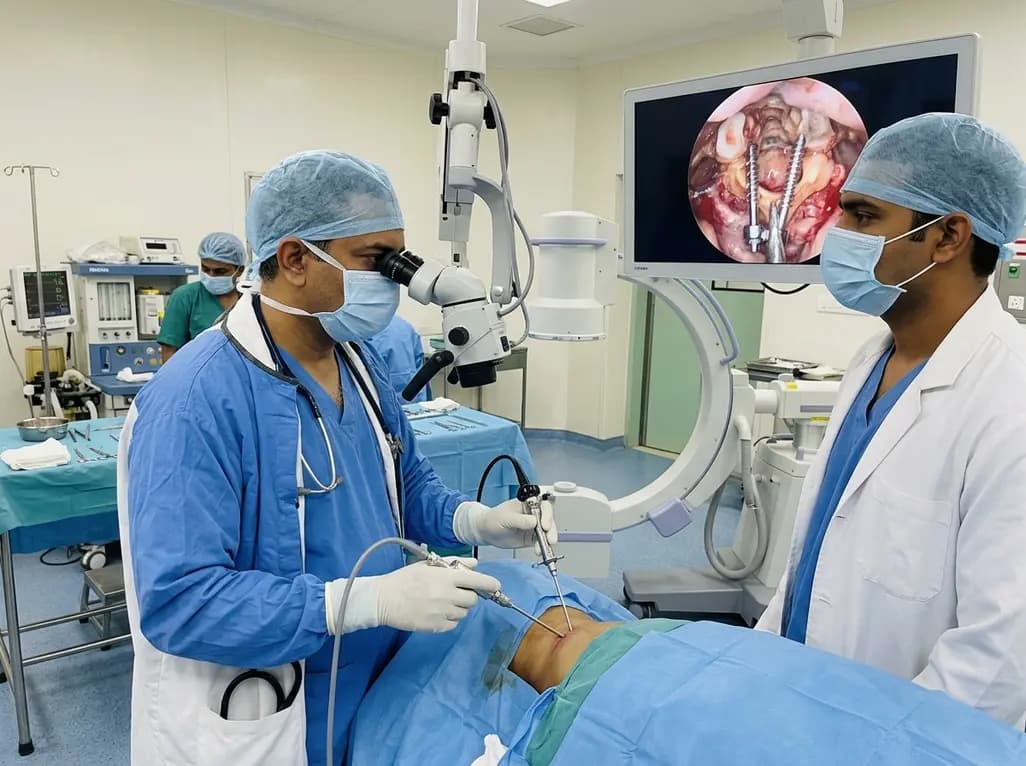
Endoscopic posterior cervical fusion combines minimally invasive decompression, joint preparation, and rigid screw-rod fixation for atlantoaxial pathologies. Early clinical findings demonstrate solid bony union, excellent symptom relief, and minimal soft-tissue morbidity without significant vascular compromise.
Today
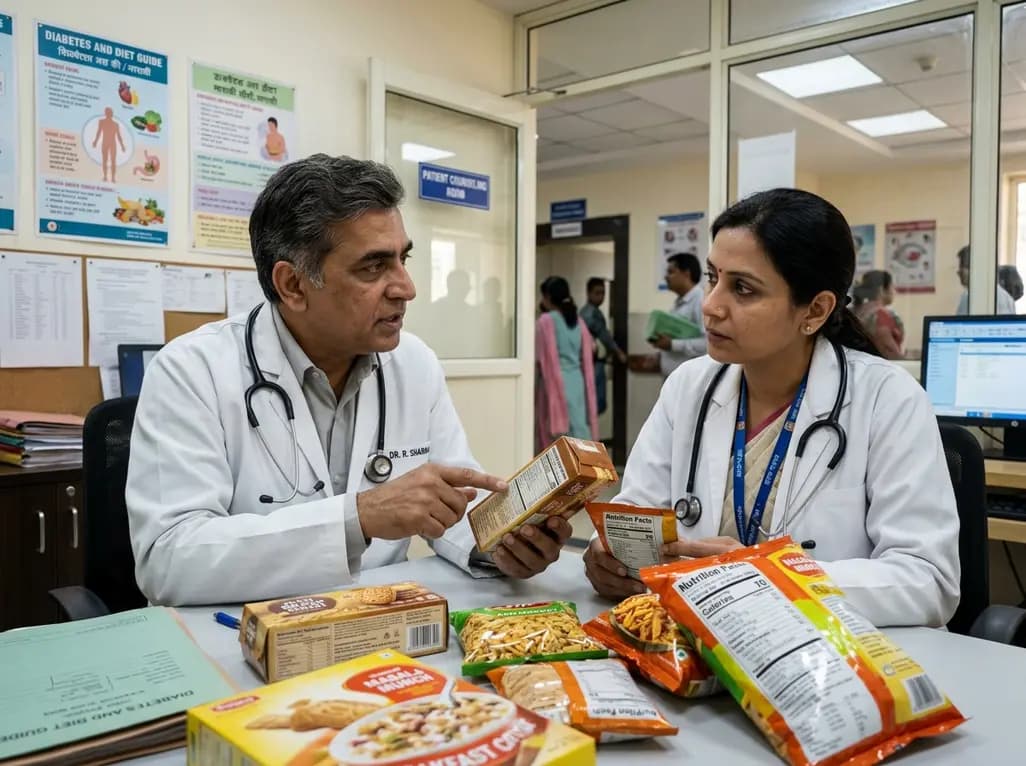
The All-India Food Processors' Association has approached the Supreme Court to oppose FSSAI's proposed per-100g benchmark for front-of-pack warning labels, advocating instead for a per-serving threshold. We explore the regulatory showdown, nutritional evidence, and implications for clinical lifestyle counseling.
Today
