.webp&w=384&q=75)

Loading, please wait...
Loading, please wait...

Automated whole-body PET/CT lesion segmentation in F-FDG images represents a major advancement in oncological diagnostics. This technology significantly improves the accuracy and efficiency of tumor burden assessment. Historically, manual segmentation has suffered from high interobserver variability. Consequently, clinical workflows often lack the reproducibility needed for precise treatment planning. By merging PET’s metabolic sensitivity with CT’s anatomical precision, automated solutions offer a more reliable path forward for modern radiology.
Current methodologies often struggle with challenges like over-segmentation or under-segmentation. These errors occur when models fail to distinguish between normal tissues with high uptake and subtle malignant lesions. To solve this, researchers developed a novel Mixture-of-Experts (MoE) based interpretable fusion module. This framework skillfully integrates clinical expertise regarding anatomical and metabolic cues. Furthermore, the model explicitly shows the pixel-level contributions of each modality to the final segmentation result. This transparency allows clinicians to understand why the AI identified a specific area as a lesion.
The system underwent rigorous testing across three in-domain benchmarks and two external datasets. The results demonstrated superior performance and impressive generalizability compared to traditional models. Additionally, the features extracted from this framework show significant prognostic value. Specifically, these insights can help predict patient outcomes more accurately in clinical settings. Therefore, this AI-guided approach holds transformative potential for enhancing daily oncology and radiology practices.
The framework uses a Mixture-of-Experts (MoE) module that merges metabolic and structural data. By integrating clinical knowledge of how PET and CT complement each other, it avoids misidentifying healthy tissues with high metabolic activity.
Interpretability allows doctors to see the specific pixel-level reasons behind an AI's decision. This builds trust in the technology and ensures that the automated segmentation aligns with clinical observations.
Yes, the framework was validated on multiple external datasets. It demonstrated high generalizability, meaning it remains effective even when processing images from different scanners or institutions.
Disclaimer: This content is for informational and educational purposes only and does not constitute medical advice. It is not intended to be a substitute for professional medical judgment, diagnosis, or treatment. Always seek the advice of your physician or other qualified health provider with any questions you may have regarding a medical condition. Refer to the latest local and national guidelines for clinical practice.
References
Zhang S et al. Clinical Knowledge-Guided PET/CT Lesion Segmentation with Interpretable Fusion of Metabolic and Structural Cues. IEEE Trans Med Imaging. 2026 Apr 23. doi: 10.1109/TMI.2026.3686884. PMID: 42024951.
Constantino C et al. How AI Is Transforming PET/CT Analysis. Champalimaud Foundation. Published May 06, 2025.
Shen Y et al. M4oE: A Foundation Model for Medical Multimodal Image Segmentation with Mixture of Experts. arXiv:2405.09446. Published May 15, 2024.
"
Read summarized clinical updates, watch expert medical content, and earn CME certifications right from your smartphone.
Open your smartphone camera to scan and install.





Researchers introduce an interpretable MoE framework for PET/CT lesion segmentation, improving tumor burden assessment and clinical workflows....
5 months ago
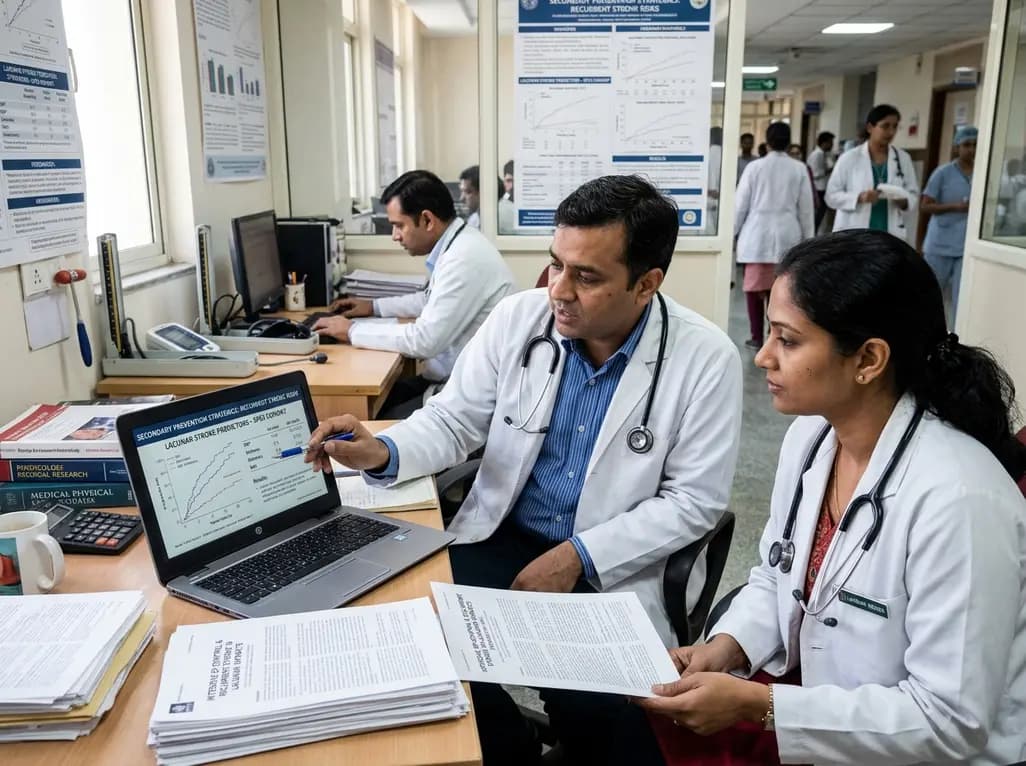
Explore vital recurrent stroke predictors in lacunar stroke patients managed with intensive blood pressure lowering. This analysis examines trial findings from SPS3 to uncover residual vascular risks, metabolic factors, and targeted secondary prevention strategies for high-risk neurological patients.
Today
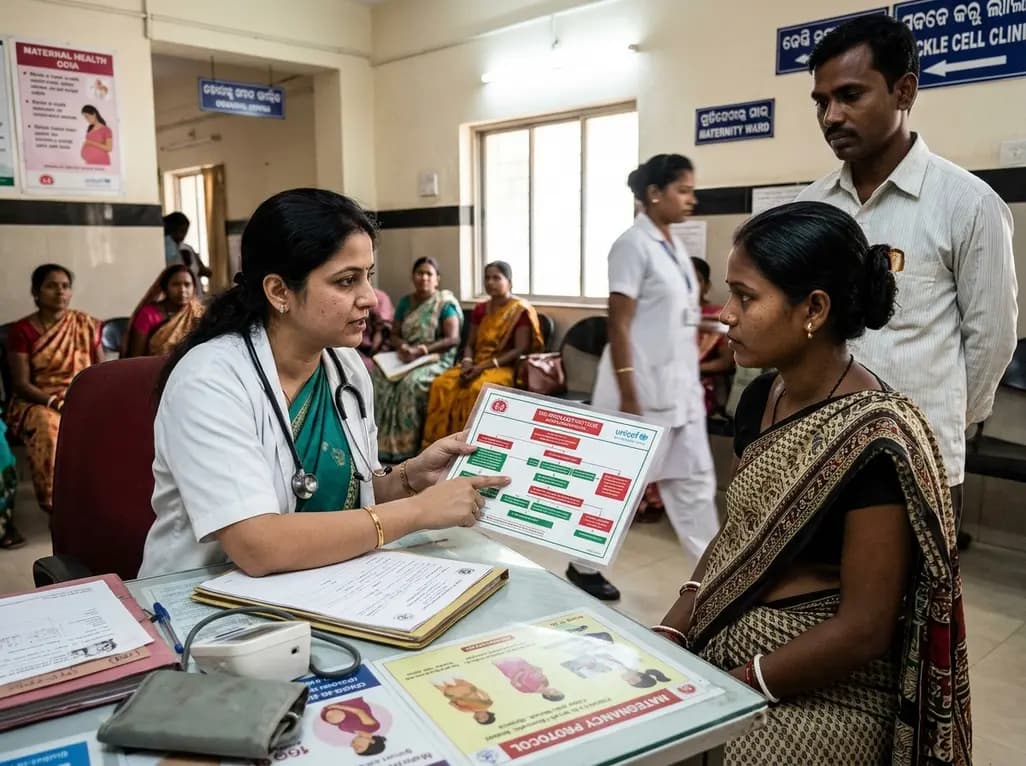
Odisha has established India's first state-level clinical protocol specifically tailored for pregnant women with sickle cell disease. Developed with NHM and UNICEF, the framework provides structured antenatal screening, crisis mitigation, standardized referral pathways, and specialized interdisciplinary care.
Today

The Directorate General of Health Services directs Indian states to halt the hazardous reuse and reprocessing of single-use medical devices. Discover regulatory implications under the Drugs and Cosmetics Act, critical infection risks, legal liabilities, and operational changes required across clinical specialties.
Today

Mitochondria-targeted nanoparticles self-assembled from EGCG and L-glutamic acid effectively restore mitochondrial homeostasis, suppress synovial inflammation, and attenuate chondrocyte senescence in osteoarthritis, offering a promising disease-modifying nanotherapy.
Today

India is advancing preventive healthcare by integrating genomics, artificial intelligence, and quantum technologies. With the SANGAM programme sequencing one million Indian genomes, clinicians can unlock personalized therapies, detect cardiometabolic risks early, and curb the burden of diabetes and heart disease.
Today
