.webp&w=384&q=75)

Loading, please wait...
Loading, please wait...
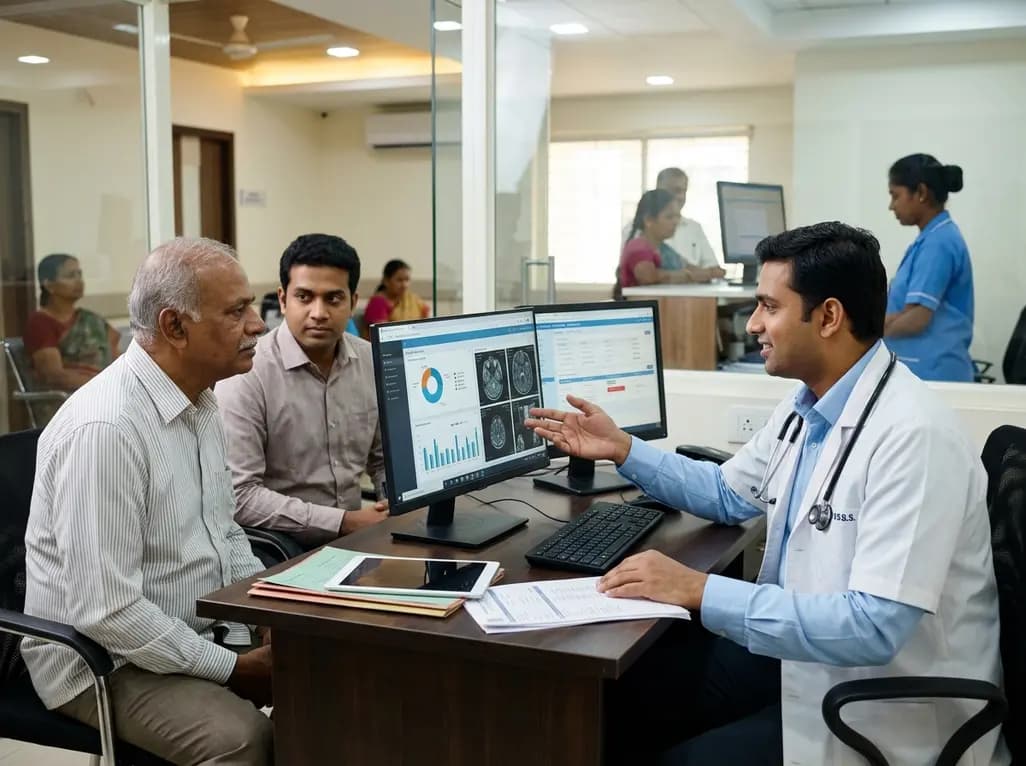
The integration of artificial intelligence is fundamentally redefining clinical practice across the subcontinent. As medical practices face rising patient volumes and administrative demands, AI in Indian healthcare is delivering measurable operational and clinical benefits. Findings from the Philips Future Health Index 2026 India report highlight how Indian clinicians lead global peers in leveraging digital tools to boost capacity and elevate care standards. Consequently, healthcare organizations across the nation are transitioning from evaluating potential to implementing scalable technology. This shift enables practitioners to optimize routine workflows, safeguard clinical precision, and improve doctor-patient interactions significantly.
According to the Future Health Index 2026 report, 71 per cent of Indian healthcare professionals report that artificial intelligence has expanded their daily patient capacity. In contrast, the global benchmark stands at 50 per cent, showing India's rapid technological uptake. Among clinicians experiencing this capacity surge, the median gain equals ten additional patient consultations each week. This expanded capacity is particularly crucial for a country with a high patient-to-doctor ratio. Furthermore, Indian practitioners exhibit growing confidence in digital health solutions. Nearly 85 per cent of surveyed professionals believe artificial intelligence improves overall patient outcomes, rising from 75 per cent in 2025. This optimism reflects tangible improvements in daily care delivery rather than mere theoretical enthusiasm. Consequently, medical facilities are experiencing higher patient throughput without sacrificing consultation quality. Clinicians effectively utilize intelligent systems to triage incoming cases, streamline preliminary evaluations, and manage consultation calendars efficiently. Therefore, expanded clinical capacity directly translates into reduced waiting times and broader access for diverse patient populations across urban and semi-urban medical centers.
Operational bottlenecks frequently hamper care delivery in busy clinical environments. However, artificial intelligence tools are actively relieving these pressures for healthcare teams across India. The survey indicates that 82 per cent of Indian medical professionals experienced enhanced workflow efficiency through automated administrative and diagnostic systems. Additionally, 80 per cent noted that intelligent software improved access to consolidated patient data across multidisciplinary care teams. Seamless access to unified electronic health records enables doctors to make rapid, informed decisions during consultations. Furthermore, care teams avoid redundant diagnostic testing and repetitive documentation tasks. When clinical data flows smoothly across departments, physicians spend significantly less time searching through fragmented medical records. Instead, they can focus immediately on primary clinical tasks and therapeutic planning. Moreover, integrated platform analytics assist in predicting patient flow, optimizing shift assignments, and allocating hospital resources dynamically. As a result, healthcare facilities operate with greater consistency and reduced administrative friction, fostering a cohesive ecosystem that prioritizes patient-centered care.
Clinical precision remains paramount in safeguarding patient safety during complex medical procedures and routine consultations. Significantly, artificial intelligence is emerging as a vital safety net in busy Indian clinical settings. The report reveals that 48 per cent of surveyed healthcare professionals used digital tools to identify or prevent a potential medical error at least three times in the past three months. Intelligent diagnostic algorithms assist clinicians by flagging subtle radiological abnormalities, cross-checking prescription drug interactions, and highlighting abnormal laboratory values. Consequently, doctors gain vital decision support during critical diagnostic moments. Furthermore, these systems provide real-time alerts that prevent oversight during high-volume clinical shifts. Practitioners report greater confidence in complex diagnostic evaluations when supported by algorithmic cross-validation. Importantly, artificial intelligence does not replace human clinical expertise; rather, it acts as an intelligent second opinion. By catching potential oversights early, clinicians can adjust treatment regimens before adverse events occur. Therefore, the integration of algorithmic diagnostic checks significantly fortifies patient safety standards across both tertiary hospitals and ambulatory clinics.
Physician burnout presents a growing challenge in modern clinical medicine. Fortunately, automation technology is offering substantial relief to overworked healthcare providers. The Future Health Index 2026 report shows that 58 per cent of Indian healthcare professionals save at least 132 hours annually through digital automation. This saved time equals more than three full working weeks reclaimed every year. Crucially, clinicians reinvest these saved hours back into direct patient interactions. Among those saving time, 75 per cent reported having more thorough, meaningful conversations with their patients. Furthermore, 71 per cent of Indian respondents noted that intelligent clinical tools helped improve their personal work-life balance. By automating repetitive documentation, billing entries, and diagnostic charting, digital solutions relieve heavy cognitive loads after clinical hours. Consequently, doctors spend fewer late nights completing paperwork. This restored balance boosts practitioner morale, reduces professional fatigue, and ultimately leads to more compassionate, focused patient consultations.
Beyond urban medical centers, digital technologies offer immense promise for expanding equitable care access throughout rural India. Indeed, 80 per cent of healthcare professionals in the survey believe artificial intelligence can significantly improve access to quality care in underserved communities. Telemedicine platforms integrated with diagnostic algorithms allow remote health workers to conduct accurate preliminary screenings. Consequently, patients in rural districts can receive timely specialist evaluations without traveling long distances. However, maximizing these benefits requires addressing existing structural challenges across the healthcare sector. Widespread adoption depends on standardized training programs and robust digital infrastructure. Currently, many health systems face challenges regarding inconsistent training and fragmented data frameworks. Therefore, healthcare leaders and policymakers must prioritize structured educational modules for medical staff. Providing clinicians with comprehensive training on algorithm validation and data security will ensure safe, ethical deployment. As healthcare institutions address these infrastructural requirements, digital integration will continue to democratize high-quality medical services across the nation.
Q1: How much additional patient capacity does AI provide to Indian healthcare professionals?
According to the Future Health Index 2026 report, 71 per cent of Indian healthcare professionals report an increased capacity to see patients due to artificial intelligence tools. Among those experiencing this increase, clinicians see a median of 10 additional patients per week. This capacity gain significantly exceeds the global average of 50 per cent.
Q2: How does AI assist in preventing medical errors in clinical practice?
AI tools assist clinicians by analyzing complex clinical data, flagging abnormal imaging results, and cross-referencing pharmaceutical prescriptions. In the survey, 48 per cent of Indian healthcare professionals reported that AI helped them identify or prevent a potential medical error at least three times over a three-month period, enhancing diagnostic safety.
Q3: What impact does AI have on doctor-patient communication and clinician work-life balance?
AI automates routine administrative and documentation tasks, saving clinicians an average of 132 hours annually. Consequently, 75 per cent of time-saving professionals report conducting more thorough patient consultations. Additionally, 71 per cent state that these automated efficiencies have directly improved their overall work-life balance.
Disclaimer: This content is for informational and educational purposes only. It does not constitute medical advice or replace professional judgment. Refer to the latest local and national guidelines for clinical practice.
References

Read summarized clinical updates, watch expert medical content, and earn CME certifications right from your smartphone.
Open your smartphone camera to scan and install.





The Philips Future Health Index 2026 report reveals that 71% of Indian healthcare professionals use AI to expand patient capacity, seeing a median of 10 more patients weekly. Indian clinicians also report workflow gains, higher optimism for outcomes, time savings, and reduced medical errors through AI tools.
last month
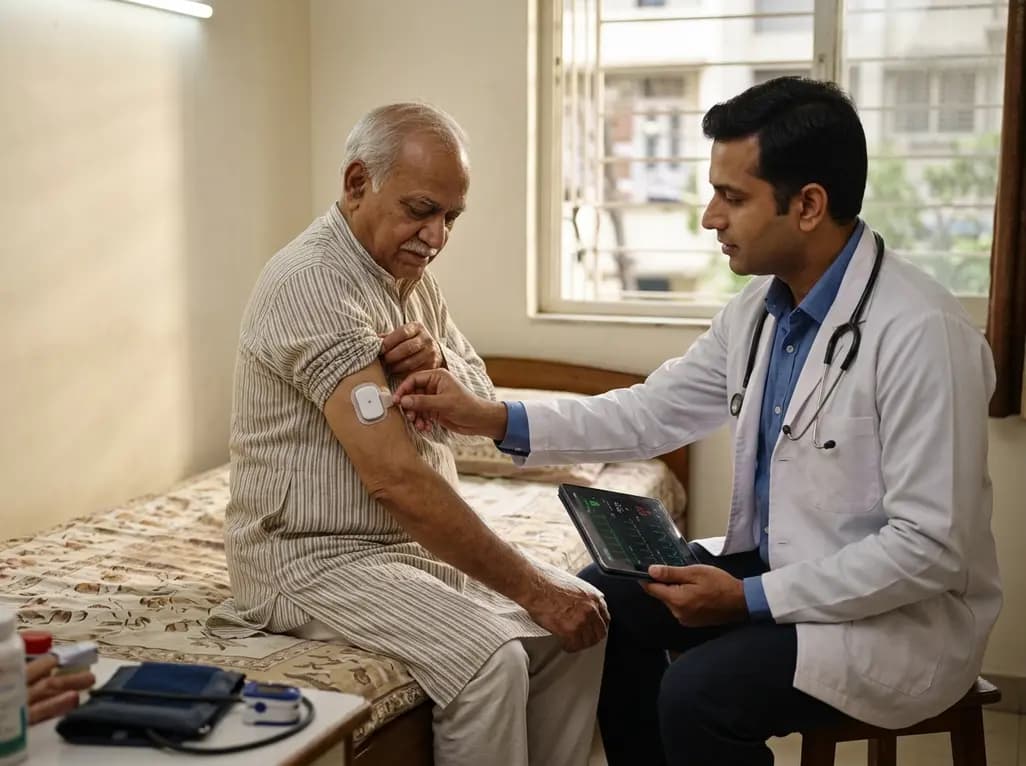
A feasibility study evaluates remote vital sign monitoring in acute hospital at home patients. Continuous wearable patches captured heart rate and respiratory rate with high adherence (89% and 75%), significantly exceeding manual spot checks for blood pressure, oxygen saturation, and temperature.
Today
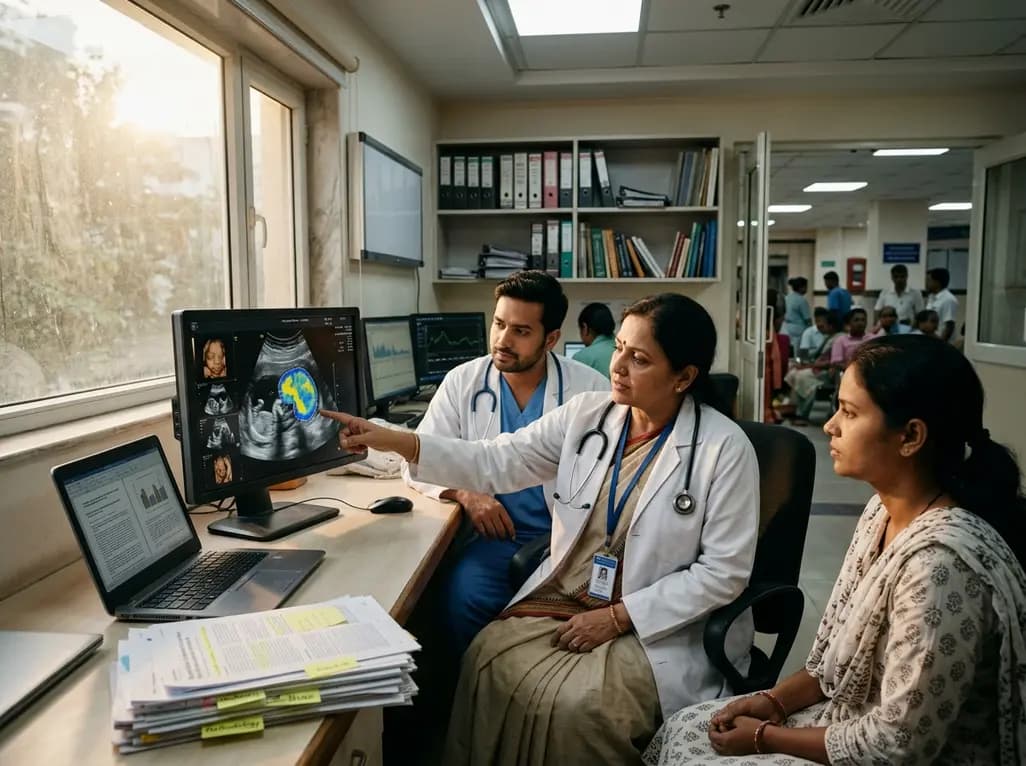
A scoping review evaluates 116 studies on AI in women's reproductive health, finding that 83.6% carry high risk of bias. While ensemble models show promise, disparities and lack of validation hinder LMIC deployment.
Today
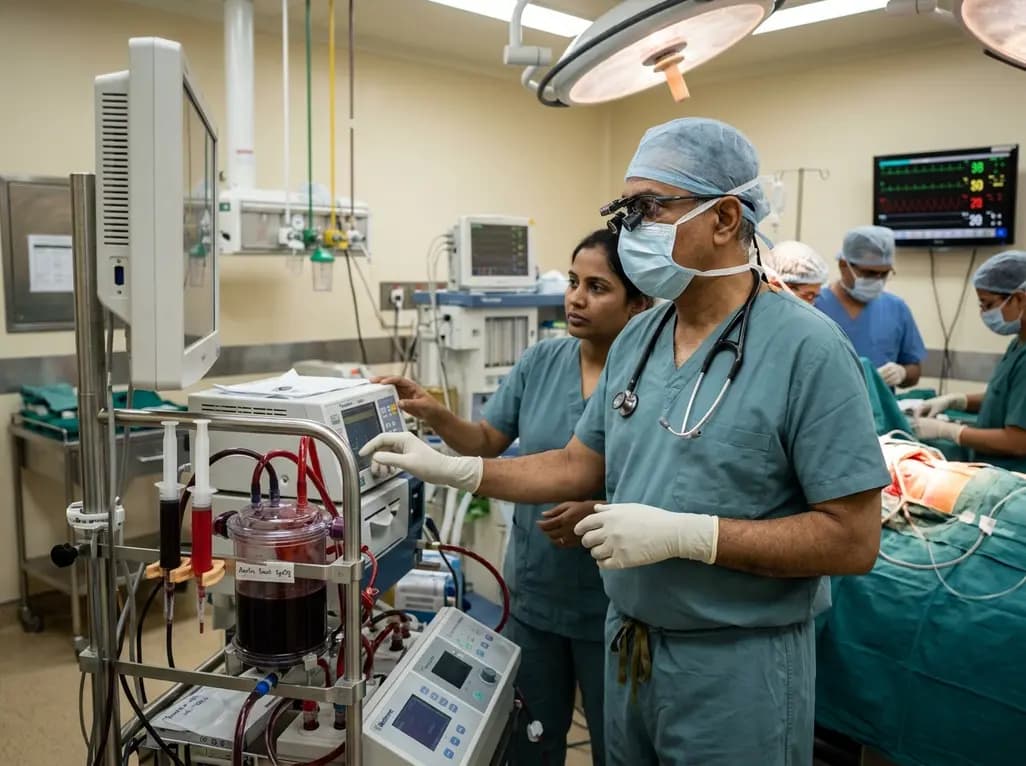
Differential oxygenation during peripheral TA-NRP can cause undetected coronary hypoxemia due to arch vessel clamping. A novel circuit with continuous aortic root monitoring detects desaturation early, facilitating left ventricular unloading and preventing allograft dysfunction and unnecessary heart discard.
Today
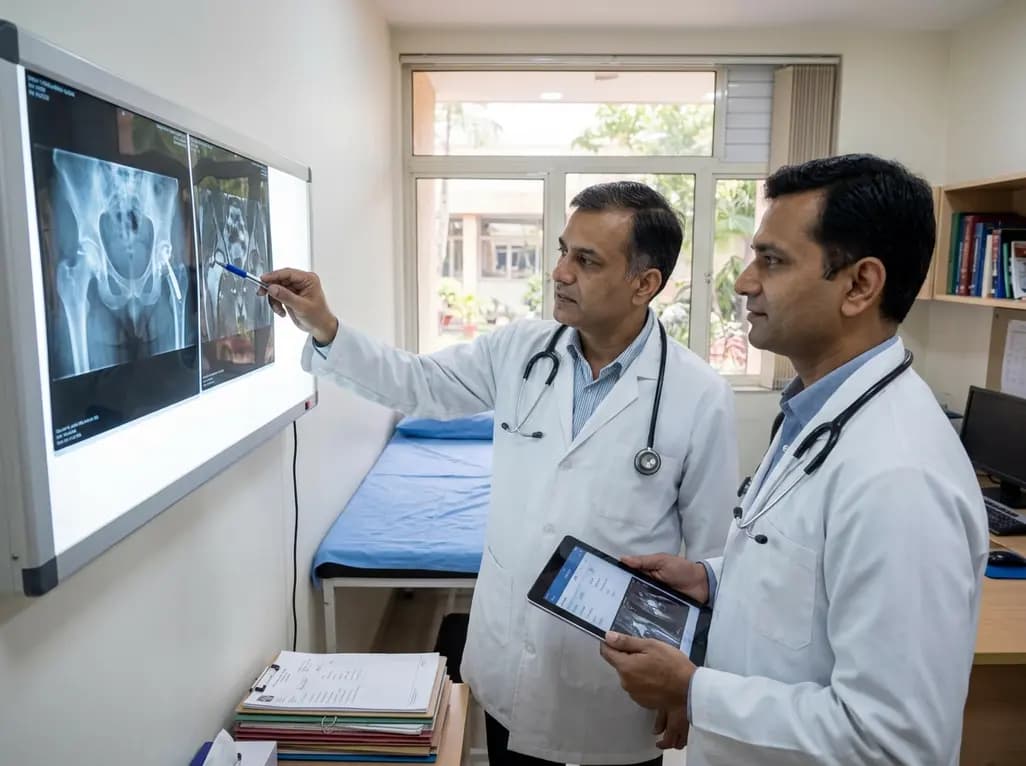
A longitudinal study reveals that patients undergoing staged bilateral hip arthroscopy experience progressive contralateral labral deterioration during surgical intervals. However, structural degradation does not compromise 2-year postoperative clinical outcomes or patient-reported satisfaction scores.
Today
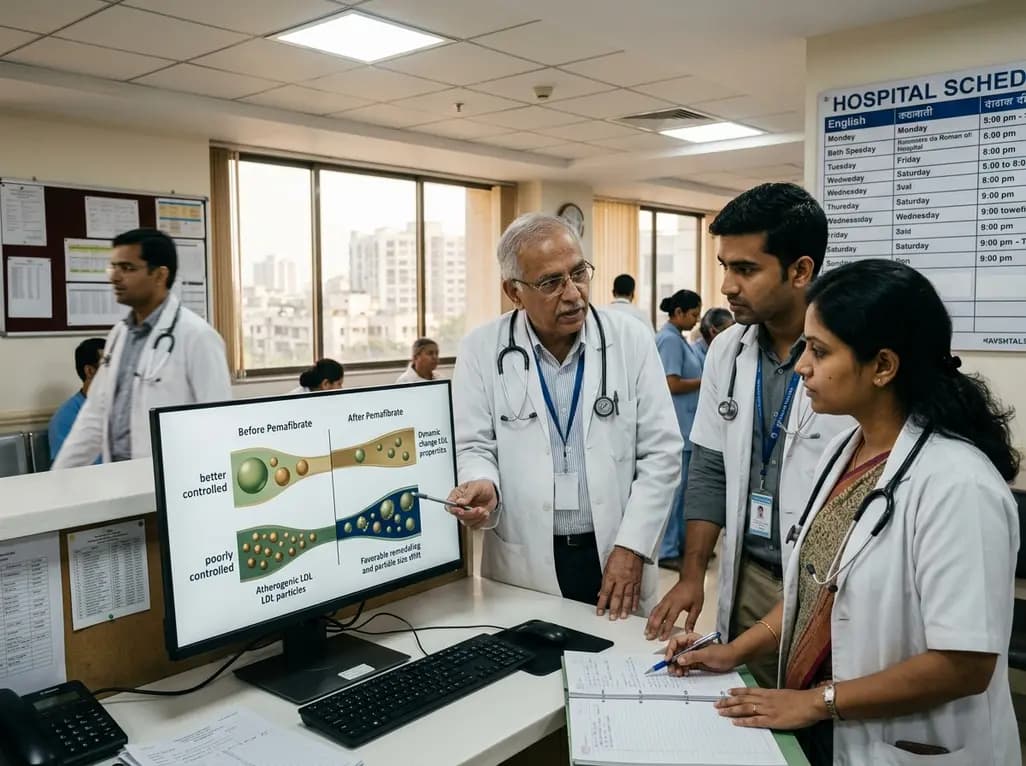
A post hoc analysis of the PARM-T2D study shows pemafibrate exerts baseline-dependent effects on LDL-C and particle size in type 2 diabetes and hypertriglyceridemia. It lowers triglycerides and remnants while favorably remodeling atherogenic LDL particles based on initial lipid control status.
Today
