.webp&w=384&q=75)

Loading, please wait...
Loading, please wait...
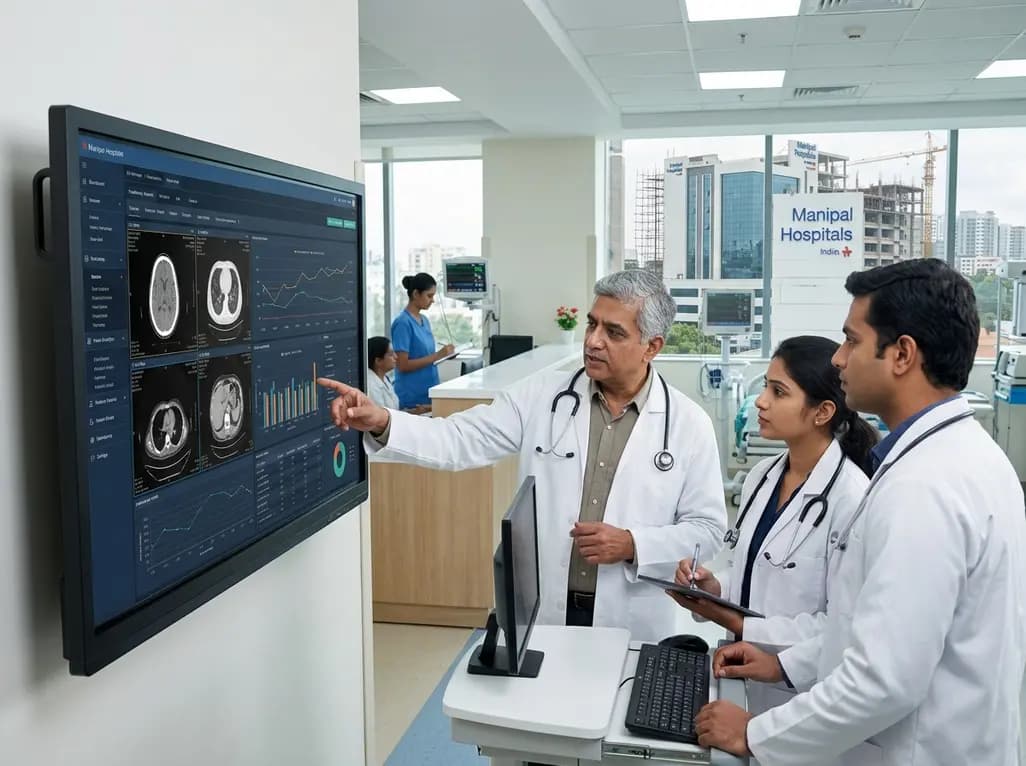
The rapid adoption of AI in healthcare is reshaping the delivery of clinical medicine across India. Health systems now leverage cutting-edge digital platforms alongside physical infrastructure expansion to address escalating patient care demands. In its latest operational roadmap, Manipal Health Enterprises detailed an extensive consolidation strategy across Southern, Western, and Northern India. Consequently, the healthcare major is combining high-capacity greenfield developments with deep digital integration. By embedding artificial intelligence into clinical workflows, hospital networks can achieve unprecedented operational consistency. Clinicians, administrators, and allied health staff increasingly rely on these unified digital systems to coordinate patient care effectively.
Hospital chains across India are aggressively evaluating inorganic growth opportunities to bridge geographic gaps in advanced care. Manipal Hospitals has actively targeted regional ecosystems in Telangana, Keralam, Andhra Pradesh, and Chhattisgarh to deepen tertiary access. Furthermore, the network is reinforcing its geographic footprint along the Mumbai-Pune economic corridor, Maharashtra, Goa, and Eastern India. A central highlight of this infrastructure pipeline includes a flagship greenfield facility in Juhu, Mumbai. In addition, the organization successfully integrated Sahyadri Hospitals and Medica Synergie to streamline delivery networks. By expanding into high-demand regional belts, multi-facility networks establish regional referral hubs that offer specialized treatments closer to local patient communities.
Modern hospital administration increasingly relies on automated digital workflows to eliminate clinical handoff errors and communication gaps. Consequently, the implementation of AI in healthcare has demonstrated direct clinical utility in bedside nursing handovers across twenty-four network hospitals. Structured voice-to-text algorithms and digital records allow nursing teams to capture critical hemodynamic trends seamlessly during shift changes. Moreover, the integration of wireless continuous patient monitoring platforms ensures real-time detection of physiological deterioration. Hospital information systems unify administrative, diagnostic, and clinical data pipelines into a single digital ledger. Therefore, attending clinicians receive timely alerts, which mitigates adverse events and dramatically improves patient safety metrics across acute care wards.
Tertiary care delivery demands intense clinical concentration and substantial investment in cutting-edge diagnostic and therapeutic technology. In response, Manipal Hospitals maintains a clinical growth model centered on CONGO-R, a framework spanning six high-acuity medical disciplines. Specifically, this operational cluster comprises cardiac sciences, oncology, neurosciences, gastro sciences, orthopedics, and renal sciences. Because these complex specialties generate nearly two-thirds of gross inpatient revenues, institutions prioritize advanced medical equipment investments. Facilities are installing linear accelerators, multi-axis robotic surgical consoles, and advanced PET-CT scanners. Therefore, surgical and medical teams can deliver precise interventions, minimize post-operative hospital stays, and enhance long-term survival outcomes for complex disease profiles.
Patient navigation often presents major administrative bottlenecks in sprawling tertiary hospital environments. To resolve this challenge, modern healthcare systems are deploying intelligent omnichannel assistants across front-desk touchpoints. These voice and chat tools systematically automate appointment scheduling, preliminary triage, and patient follow-up inquiries. Furthermore, digital triage algorithms categorize patient acuity prior to hospital arrival, allowing emergency departments to prepare critical resources in advance. Consequently, administrative burdens on frontline hospital staff decrease significantly, reducing burnout among healthcare workers. By automating repetitive administrative tasks, healthcare institutions can redirect vital human resources toward direct bedside care, thereby optimizing overall clinical throughput.
Sustained economic growth and increasing disease burdens necessitate aggressive bed-capacity additions across the subcontinent. To address this demand, Manipal Hospitals plans to add approximately 2,426 licensed beds by 2030 through both greenfield and brownfield projects. Greenfield developments account for nearly two thousand of these planned beds, ensuring state-of-the-art facility engineering. Brownfield expansions simultaneously maximize the operational potential of existing clinical structures. As hospital networks cross tens of thousands of operational beds, systematic clinical governance becomes vital. Standardized protocols, continuous clinical audits, and enterprise-wide data interoperability ensure that care quality remains uniform across all regional branches regardless of scale.
Q1: What is the primary focus of the CONGO-R clinical strategy?
The CONGO-R framework consolidates six essential tertiary specialties: cardiac sciences, oncology, neurosciences, gastro sciences, orthopedics, and renal sciences. By focusing clinical investments, advanced diagnostics, and surgical infrastructure on these complex disciplines, hospitals improve treatment outcomes for high-acuity conditions while driving the vast majority of specialized inpatient revenue.
Q2: How does AI integration improve patient safety during hospital handovers?
AI-driven nursing handovers digitize and standardize clinical transitions between shift changes. By capturing real-time vital signs, treatment schedules, and pending diagnostic orders into unified dashboards, AI systems minimize verbal miscommunication. Consequently, care teams can detect early patient deterioration faster and maintain consistent clinical vigilance across inpatient units.
Q3: Why are large hospital networks balancing greenfield and brownfield projects?
Balancing greenfield and brownfield projects enables health networks to optimize capital efficiency and expansion speed. Greenfield facilities allow the custom construction of modern, digitally integrated medical infrastructure in high-density urban areas. Meanwhile, brownfield expansions rapidly add bed capacity to established facilities with existing clinical teams and local referral pathways.
Disclaimer: This content is for informational and educational purposes only. It does not constitute medical advice or replace professional judgment. Refer to the latest local and national guidelines for clinical practice.
References

Read summarized clinical updates, watch expert medical content, and earn CME certifications right from your smartphone.
Open your smartphone camera to scan and install.





Indian tertiary healthcare is undergoing rapid transformation through strategic mergers and digital adoption. Discover how Manipal Hospitals leverages AI-driven platforms, clinical infrastructure expansion, and regional acquisitions to enhance clinical workflows, inpatient monitoring, and specialized patient care.
Today
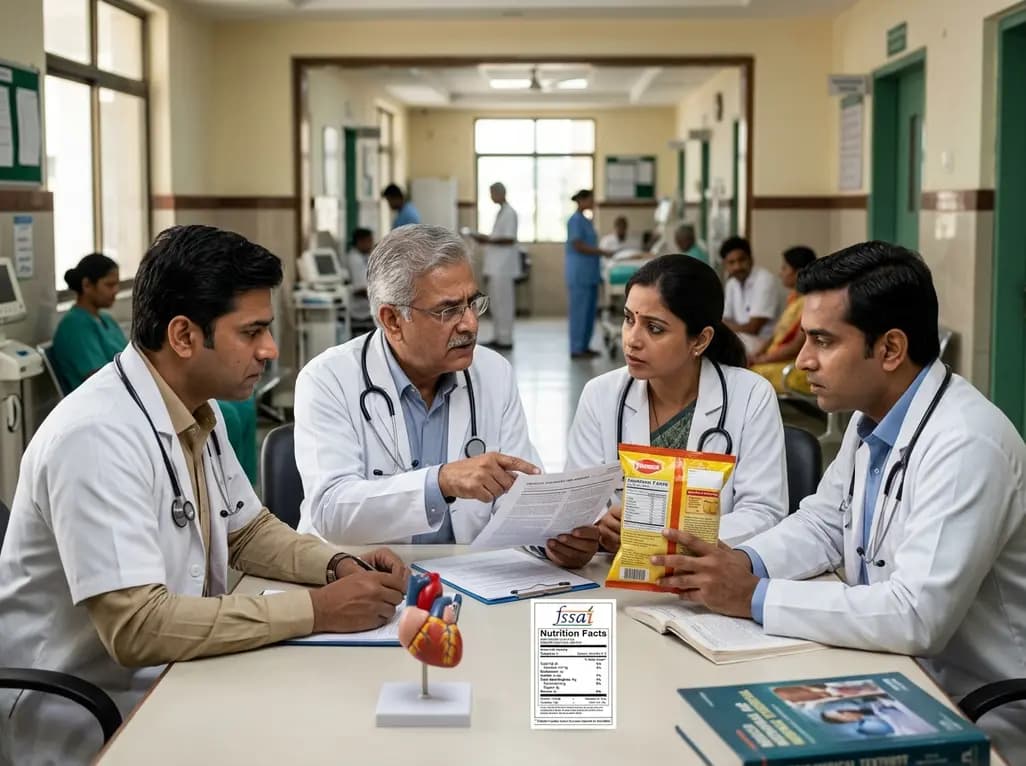
Over 60 international public health researchers have advised FSSAI to mandate front-of-pack warning labels for any packaged product high in even one critical nutrient: sugar, saturated fat, or sodium. This reform counters phased rollouts to accelerate consumer protection and address India's chronic disease burden.
Today
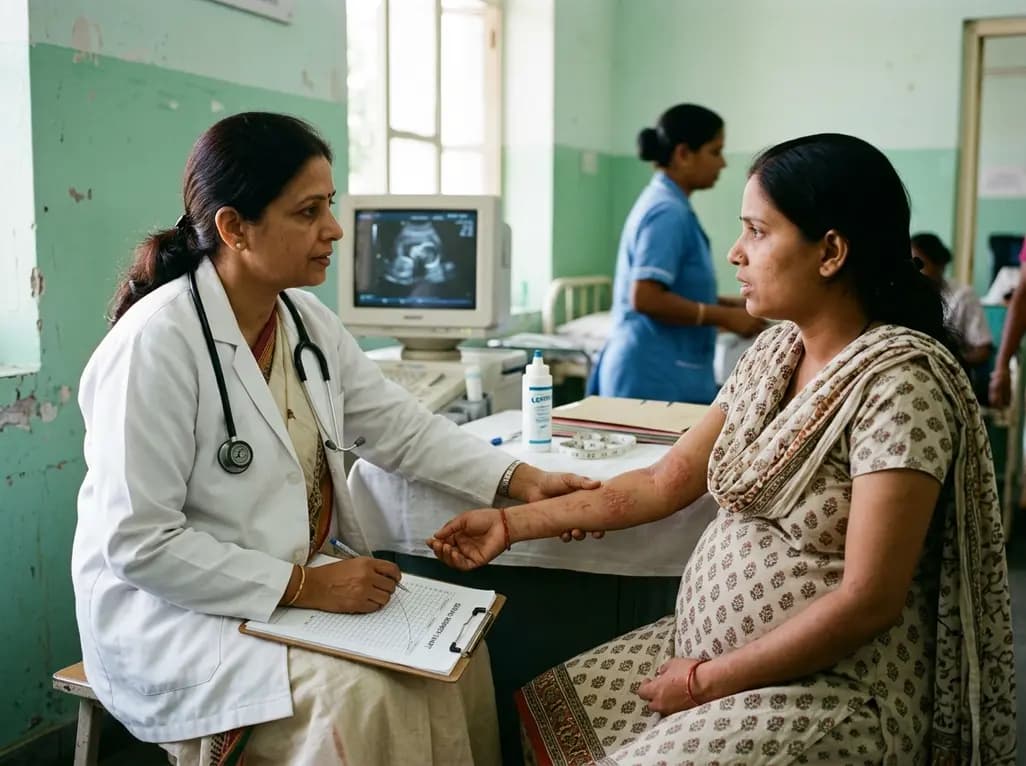
A comprehensive meta-analysis of over 278,000 women demonstrates that maternal atopic dermatitis significantly increases risks of premature rupture of membranes and low birth weight. Discover essential clinical insights on disease mechanisms, serial antenatal growth monitoring, and safe therapeutic interventions.
Today
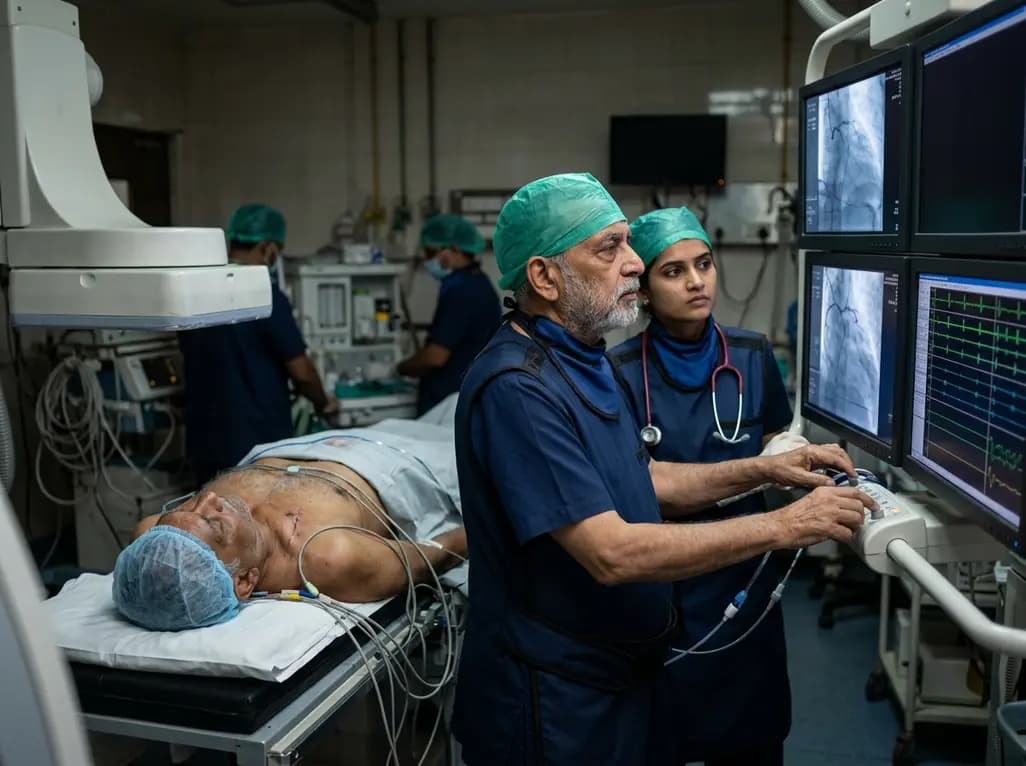
A comprehensive single-center analysis reveals that slow pathway ablation for AVNRT in octogenarians maintains high acute procedural success (98.1%) but carries significantly higher complication rates compared to younger cohorts, underscoring the need for careful risk-benefit evaluation.
Today
Apollo Global Management is in talks to acquire Johnson & Johnson's DePuy Synthes orthopedics unit in a potential $20 billion transaction. This comprehensive analysis reviews the MedTech restructuring, product lines in joint reconstruction, ongoing legal issues, and key implications for global orthopedic surgery.
Today
A cross-sectional study reveals that elevated METS-IR is independently associated with higher myopia odds in adolescents, showing biological synergy with obesity and highlighting the need for metabolic screening in pediatric eye care.
Today
