.webp&w=384&q=75)

Loading, please wait...
Loading, please wait...

Modern healthcare systems are rapidly integrating computational technologies to enhance diagnostic precision and streamline demanding workflows. As machine learning models advance into bedside medicine, healthcare professionals routinely confront AI clinical decisions across acute triage, predictive forecasting, and targeted therapeutics. Consequently, medical educators and healthcare administrators must carefully evaluate how medical personnel perceive these transformative digital systems. Although algorithmic benchmarks frequently showcase remarkable sensitivity and analytical speed, practical clinical adoption fundamentally relies on user psychology and institutional culture. Healthcare professionals never practice in isolation from their cognitive environments. Instead, the implementation of autonomous decision-support software fundamentally alters clinical communication, diagnostic reasoning, and interprofessional dynamics. In fast-paced hospital networks, administrators deploy predictive algorithms to alleviate heavy patient burdens and mitigate clinical burnout. Therefore, exploring how frontline caregivers and trainees receive computational guidance is essential for patient safety. However, technological superiority alone cannot guarantee smooth clinical translation. Educational leaders must recognize that computational recommendations can unsettle traditional notions of diagnostic autonomy. When software platforms recommend complex diagnostic pathways, physicians must actively reconcile algorithmic suggestions with individualized clinical judgment. Thus, characterizing baseline perceptions enables academic institutions to design robust frameworks that promote safe, collaborative human-machine synergy.
A compelling insight from recent empirical research involves the distinct divergence in perceived professional identity threat between medical students and seasoned physicians. Although both cohorts demonstrate equally positive views regarding the objective benefits of automation, medical students report significantly higher professional identity anxiety. This psychological divergence stems largely from the formative nature of undergraduate medical training. Medical students are currently striving to define their unique diagnostic competence, professional autonomy, and societal standing. Consequently, observing advanced machine models generate accurate differential diagnoses can induce acute feelings of professional redundancy. Learners frequently worry that automated systems might replace core cognitive skills, thereby diminishing the traditional physician role. In contrast, senior clinicians possess deeply rooted professional identities forged through years of bedside patient management. These experienced doctors recognize that clinical practice encompasses nuanced empathy, patient advocacy, and ethical deliberation that software cannot replicate. Furthermore, senior physicians typically treat diagnostic algorithms as supportive cognitive instruments rather than professional competitors. Therefore, the emotional vulnerability of trainees highlights an urgent curricular blind spot. Medical educators must address these hidden anxieties directly, reassuring students that technological evolution elevates human connection rather than rendering clinical judgment obsolete.
When clinicians evaluate decision-support platforms across diverse clinical scenarios, system explainability emerges as a critical determinant of user acceptance. Experimental research evaluating validated clinical vignettes reveals that explainability ratings differ significantly based on the clinical environment. Specifically, clinicians assign significantly lower explainability scores to algorithmic advice in emergency triage scenarios compared to complex oncological management platforms. This disparity highlights how acute clinical context dictates technological expectations. In high-pressure emergency departments, patient acuity is extreme, and therapeutic windows are exceptionally brief. Consequently, clinicians in triage settings require immediate, transparent physiological rationales before accepting algorithmic triage recommendations. If a model generates black-box guidance without clear clinical reasoning, busy emergency clinicians naturally view the output with deep skepticism. Conversely, oncology decision support platforms routinely present detailed genetic associations, clinical trial citations, and explicit pathway explanations. Furthermore, oncologists frequently work within multidisciplinary tumor boards where detailed evidence synthesis is standard practice. Accordingly, clinicians perceive oncology systems as far more explainable and intellectually coherent. These empirical variations demonstrate that healthcare developers cannot deploy uniform interfaces across specialties. Developers must tailor explainability mechanisms to match the cognitive tempo and urgency of specific medical settings.
Remarkably, while explainability scores fluctuate across clinical disciplines, physician assessments of overall trustworthiness and ethical responsibility remain remarkably uniform. Clinicians consistently express measured trust in algorithmic outputs regardless of the specific medical vignette evaluated. More importantly, physicians maintain an unwavering consensus regarding clinical responsibility. Regardless of algorithmic sophistication or integration depth, practitioners firmly acknowledge that final legal and ethical accountability resides with the licensed physician. This finding aligns perfectly with established medical ethics and statutory frameworks across India and international jurisdictions. The National Medical Commission and the Consumer Protection Act clearly hold registered practitioners accountable for clinical decisions made under their supervision. Clinicians understand that machine recommendations possess no legal personhood or fiduciary duty to the patient. Therefore, practitioners cannot transfer diagnostic liability to computational software or commercial vendors. While algorithms provide rapid pattern recognition and probabilistic insights, human doctors must independently interpret, validate, and authorize every single clinical intervention. Furthermore, maintaining this clear division of responsibility protects patient welfare and reinforces physician vigilance. Clinicians must avoid automation bias, ensuring that computational advice serves as an auxiliary check rather than an unquestioned medical directive.
The coexistence of technological optimism and identity threat underscores the pressing need for comprehensive curricular reform across modern medical institutions. Traditional curricula prioritize biological sciences and manual diagnostic deduction, often overlooking data science and artificial intelligence principles. Consequently, trainees encounter modern clinical software without the theoretical grounding needed to interpret algorithmic limitations. To bridge this critical gap, medical colleges must systematically incorporate health informatics and computational ethics into undergraduate programs. Curricula should emphasize algorithmic literacy, teaching future doctors how training datasets, statistical biases, and software validation studies function. Furthermore, simulation workshops should expose students to synthetic decision scenarios, allowing learners to experience AI collaboration firsthand. By actively practicing alongside diagnostic algorithms, students learn to critically interrogate machine outputs rather than succumbing to uncritical trust or unwarranted panic. Moreover, educators must emphasize humanistic communication, holistic palliative skills, and longitudinal relationship building. These relational domains represent distinctly human competencies that machine systems cannot displace. Ultimately, empowering learners with technical knowledge and professional confidence will transform identity threat into clinical mastery. Future healthcare systems require versatile doctors who can skillfully orchestrate computational tools to optimize compassionate patient care.
Medical students are still actively building their professional self-concept, diagnostic skills, and clinical confidence. Consequently, encountering advanced algorithms that match or exceed human diagnostic benchmarks can make learners question their future career utility and relevance. Conversely, experienced clinicians possess established clinical intuition and deeper contextual wisdom. Therefore, senior doctors generally view digital decision support tools as practical workflow aids rather than existential threats to their hard-earned medical authority and purpose.
Emergency triage demands rapid, high-stakes decisions under intense time pressure and physiological volatility. Consequently, clinicians require immediate, transparent rationales to validate acute clinical prioritization safely. When algorithmic systems fail to provide intuitive reasoning or fast causal pathways in fast-moving environments, explainability scores decline sharply. In contrast, complex oncology decision tools typically present extensive guideline cross-references, molecular data, and structured trial summaries, which naturally foster significantly higher perceived explainability among evaluating physicians.
Under current Indian legal frameworks, National Medical Commission regulations, and global medical jurisprudence, legal responsibility rests entirely with the treating physician. Decision support platforms operate strictly as cognitive adjuncts rather than independent medical practitioners. Therefore, doctors cannot shift liability to software vendors or algorithms when adverse diagnostic or therapeutic events occur. Clinicians must always maintain independent judgment, critically verify computational recommendations, and contextualize every intervention to ensure comprehensive patient safety.
Disclaimer: This content is for informational and educational purposes only and does not constitute medical advice or establish a doctor-patient relationship. Healthcare professionals must exercise independent clinical judgment. Diagnostic or treatment choices should consider individual clinical context, regional drug availability, institutional protocols, and official product labeling. Refer to the latest local and national guidelines for clinical practice.
References

Read summarized clinical updates, watch expert medical content, and earn CME certifications right from your smartphone.
Open your smartphone camera to scan and install.





A study evaluates how medical students and clinicians perceive AI. While both recognize clinical benefits, students face higher professional identity threat. Clinicians demand greater explainability in acute triage than in oncology, while firmly retaining ultimate legal responsibility for patient outcomes.
Today
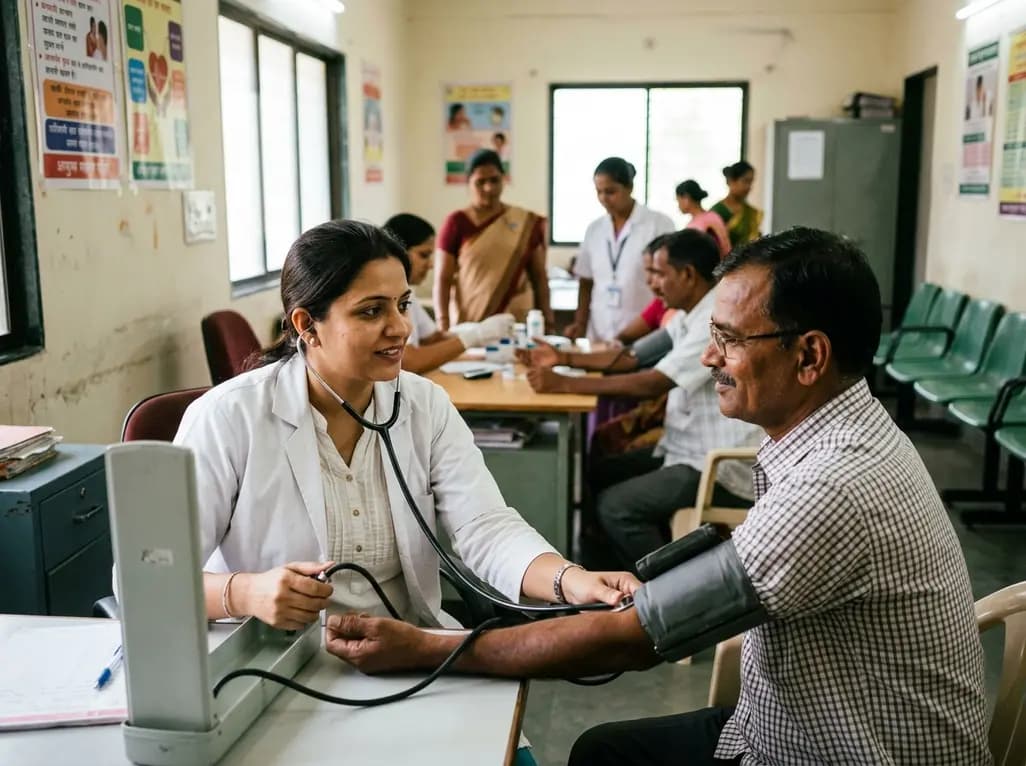
India has screened over 420 million adults for chronic metabolic conditions through its network of Ayushman Arogya Mandirs. This public health milestone underscores an aggressive shift toward early detection, decentralized primary care, and expanded insurance coverage under central health initiatives.
Today

A large population cohort study evaluated over 167,000 mother-child pairs to assess the link between maternal mood disorders, pharmacotherapy, and long-term child neurodevelopment. The results underscore that maternal illness, rather than pharmacotherapy alone, drives most special educational needs in offspring.
Today
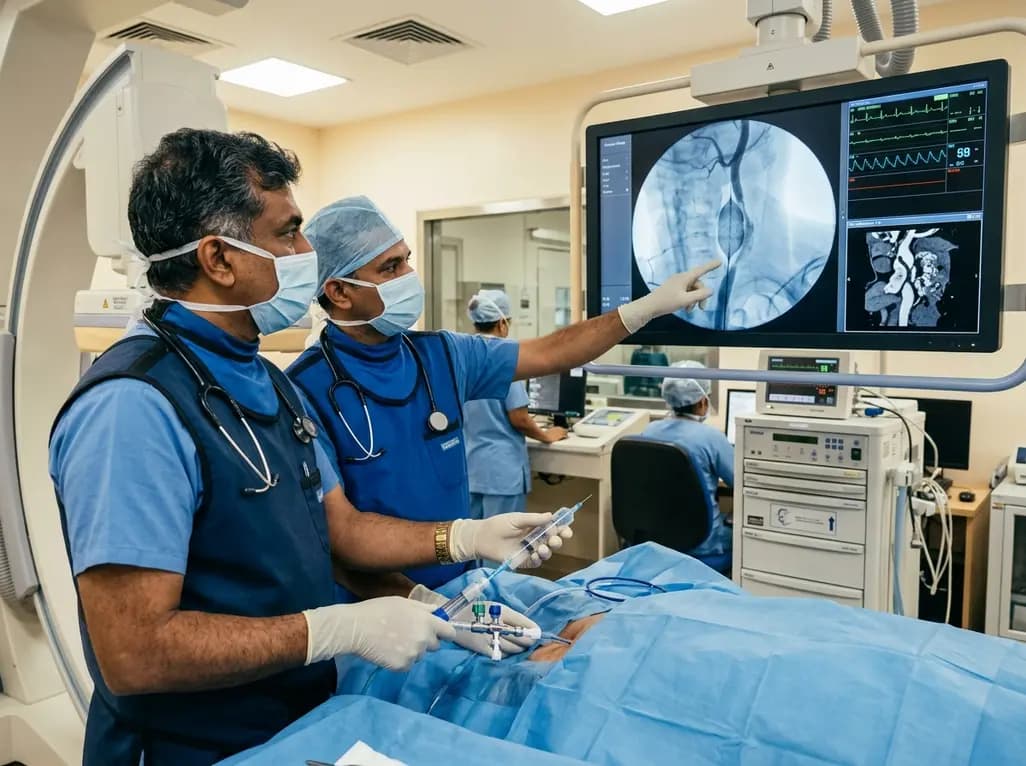
Discover how rescue cutting balloon angioplasty successfully modifies heavily calcified carotid stenosis, enabling stent delivery without baroreceptor instability and ensuring favorable long-term neurologic outcomes.
Today
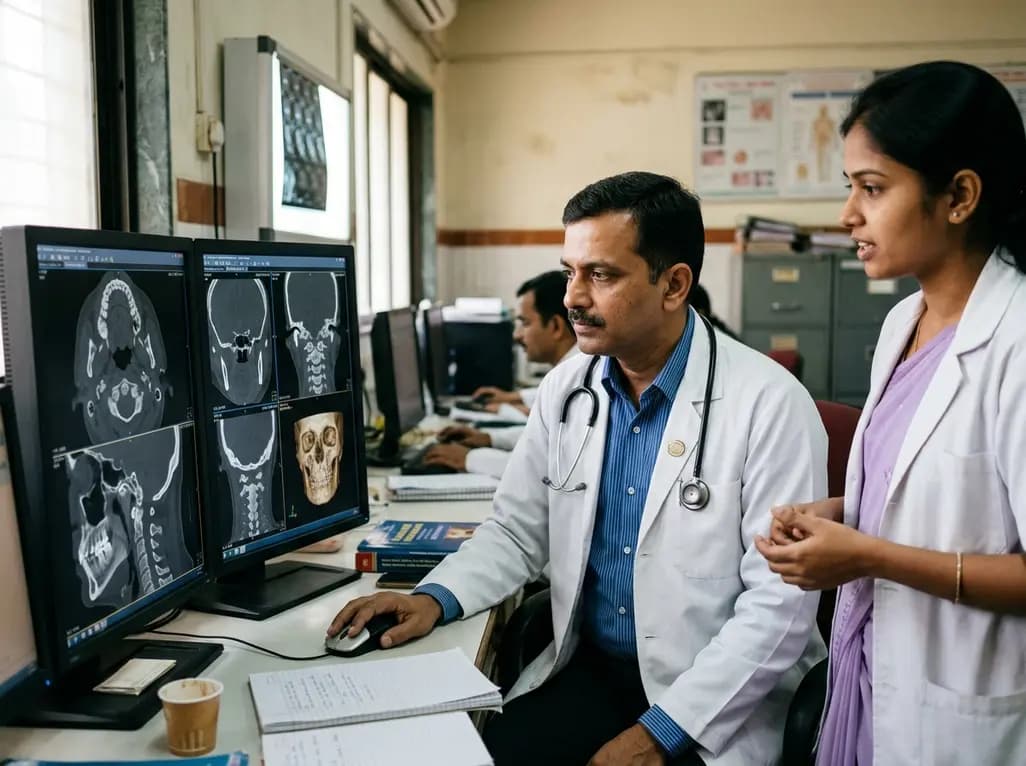
A retrospective CBCT study reveals that superior TMJ space asymmetry correlates moderately with occipital condyle-atlas-axis asymmetry in unilateral TMJ osteoarthritis, highlighting an imaging correlate between jaw biomechanics and upper cervical alignment rather than a standalone diagnostic marker.
Today
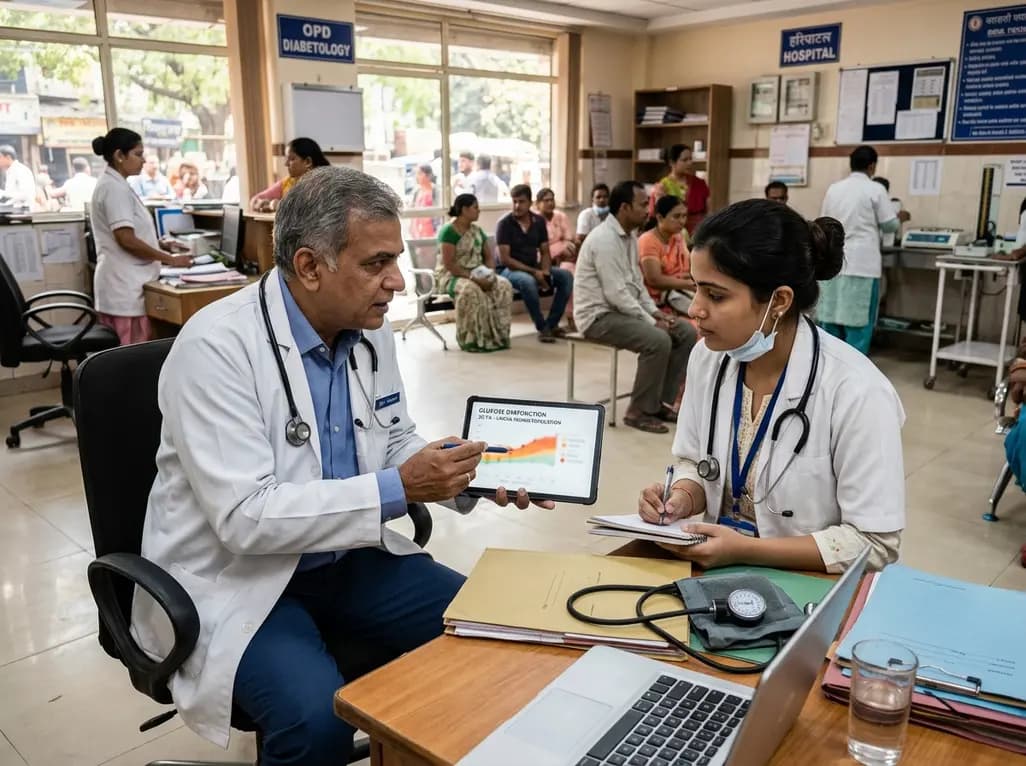
Data from the 2026 Workforce Health Index reveals that 38.7% of urban employees and dependents exhibit abnormal glycemic control. Emerging at increasingly younger ages, this metabolic shift intersects with severe vitamin deficiencies, highlighting the urgent need for early workplace screenings and targeted clinical care.
Today
