

Loading, please wait...
Loading, please wait...

Clinicians frequently encounter communication barriers in elderly patients, yet they often overlook subtle changes in vocal function. Senescent changes in the laryngeal apparatus gradually alter vocal fold mass, flexibility, and mucosal lubrication. Consequently, aging voice disability emerges as a significant contributor to impaired communicative efficacy among geriatric populations. When vocal fold atrophy and decreased pulmonary support occur, individuals experience breathiness, reduced loudness, and vocal fatigue. Moreover, these functional deficits hinder routine daily interactions with relatives, peers, and healthcare providers. Many older individuals view these changes as unavoidable aspects of natural senescence. Therefore, they rarely seek prompt medical evaluation from otolaryngologists or geriatric specialists. However, untreated dysphonia produces substantial functional limitations that extend beyond simple acoustic alterations. As a result, older adults often withdraw from social conversations to avoid embarrassment. This insidious withdrawal initiates a cascade toward loneliness and emotional distress. Recognizing self-perceived vocal impairment is essential for maintaining independent living.
Comprehensive diagnostic frameworks require validated self-assessment instruments to capture the multidimensional impact of dysphonia. In a recent cross-sectional investigation, researchers assessed 208 older individuals with a mean age of approximately 70 years. The investigators utilized the Turkish Aging Voice Index to stratify participants into distinct cohorts based on perceived severity. Specifically, they established a clinical cutoff score of 15.50 to identify participants experiencing high voice-related disability. Furthermore, investigators administered the Voice-Related Quality of Life survey to quantify health-related functional limitations. This validated instrument measures both physical functioning and social-emotional domains through ten targeted items. Consequently, the researchers compared how differing degrees of vocal impairment influence daily living. Older adults experiencing elevated disability reported markedly diminished scores across all surveyed quality-of-life dimensions. In contrast, participants with low disability scores preserved substantially higher operational satisfaction. The data demonstrated a robust inverse correlation between the Aging Voice Index and total quality-of-life scores. Thus, self-reported perception scales provide indispensable clinical insights that standard acoustic measurements might overlook during routine appointments.
Human social engagement depends heavily on fluent, strain-free spoken communication across varied interpersonal settings. Therefore, researchers incorporated the Lubben Social Network Scale to evaluate interpersonal bonds among the elderly participants. This brief screening metric quantifies active relationships by examining regular contact and emotional support from family and friends. When older adults struggle to produce adequate vocal volume, telephone conversations and family gatherings become exhausting tasks. Consequently, older adults with significant vocal strain often restrict their interactive circles to familiar domestic partners. In this cross-sectional study, participants with high self-perceived disability demonstrated notable differences in their social interaction patterns. Moreover, reduced communication frequency directly increases vulnerability to perceived social disconnection and depressive symptoms. Clinicians must recognize that vocal weakness does not merely affect isolated physical mechanisms. Instead, it systematically erodes an individual's confidence during routine social exchanges. Accordingly, healthcare providers should evaluate social networks when assessing geriatric patients who present with chronic voice symptoms. Identifying fragile support networks allows physicians to initiate timely multidisciplinary rehabilitation before deep social isolation occurs.
Vocal impairment generates profound consequences across physical stamina and psychoemotional health. In the analyzed cross-sectional cohort, the high disability group displayed significantly depressed scores in physical functioning. Specifically, participants reported severe vocal fatigue following brief conversations and experienced persistent difficulties projecting their voices outdoors. Because vocal production requires synchronized respiratory and neuromuscular effort, sarcopenia within laryngeal intrinsic muscles forces disproportionate compensatory strain. Furthermore, the emotional subscales of the quality-of-life assessment revealed elevated psychological distress among affected seniors. Many participants expressed feelings of anxiety, embarrassment, and diminished self-worth due to their strained speech. As a result, older adults often feel misunderstood by family members and caregivers. In addition, these psychological burdens can exacerbate pre-existing mood disorders or heighten vulnerability to cognitive decline. Physicians must understand that vocal changes reflect biological aging as well as subjective well-being. Therefore, objective laryngoscopic examinations should always accompany patient-reported outcome measures. By integrating physical and psychoemotional metrics, clinicians obtain an accurate portrait of disease burden, enabling more personalized treatment strategies for vulnerable older patients.
Managing vocal decline in older adults requires comprehensive coordination between primary physicians, otolaryngologists, and speech-language pathologists. Initially, clinicians must exclude sinister laryngeal pathology, such as vocal fold malignancy or neurological paresis, via videostroboscopy. Once clinicians establish a diagnosis of presbyphonia, conservative speech therapy serves as the primary therapeutic pillar. Specifically, Phonation Resistance Training Exercises and vocal function exercises strengthen atrophic laryngeal musculature effectively. These structured exercises improve glottal closure, enhance acoustic volume, and diminish vocal fatigue during daily conversations. In addition, patients benefit from systemic hydration, reflux management, and smoking cessation to preserve delicate mucosal tissues. In India, the elderly demographic is expanding rapidly, creating an urgent need for specialized geriatric voice rehabilitation services. However, clinicians and family members frequently dismiss vocal changes as unavoidable senescence rather than treatable pathology. In crowded joint families or urban communities, vocal strain accelerates communication breakdown and emotional withdrawal. Therefore, Indian physicians must integrate voice-related screening tools into community health programs and geriatric clinics. Timely identification and structured vocal rehabilitation dramatically restore communicative independence and social participation.
Aging voice disability stems primarily from presbylaryngis, a natural biological aging process affecting the larynx. As individuals grow older, vocal fold muscles experience sarcopenia and progressive atrophy, while laryngeal connective tissues lose elasticity. Furthermore, diminished respiratory muscle strength reduces subglottic air pressure, leading to breathiness, reduced volume, and rapid vocal fatigue. Chronic systemic dehydration, medications causing xerostomia, and laryngopharyngeal reflux also exacerbate these structural changes, impairing overall vocal projection.
Clinicians diagnose presbyphonia through a thorough clinical evaluation that combines objective laryngeal examinations and patient-reported outcome measures. Otolaryngologists perform videostroboscopy to assess vocal fold bow, mucosal wave symmetry, and glottic closure patterns while ruling out neoplasms or neurological paralysis. Additionally, clinicians administer validated questionnaires, including the Aging Voice Index and Voice-Related Quality of Life scale. These standardized instruments capture the daily functional limitations, communicative burdens, and psychoemotional distress experienced by elderly individuals.
Yes, targeted voice therapy significantly improves vocal function, projection, and communicative confidence in geriatric patients. Specialized speech-language pathologists utilize physiological voice therapies, such as Phonation Resistance Training Exercises and vocal function exercises, to strengthen laryngeal adductors. These regimens enhance glottic closure and optimize respiratory coordination during sustained phonation. Consequently, regular voice training reduces vocal fatigue, increases conversational loudness, and alleviates psychological distress, enabling older adults to engage actively in daily social interactions.
Disclaimer: This content is for informational and educational purposes only and should not be considered medical advice. Always consult a qualified healthcare professional regarding any medical condition or treatment. Refer to the latest local and national guidelines for clinical practice.
References

Read summarized clinical updates, watch expert medical content, and earn CME certifications right from your smartphone.
Open your smartphone camera to scan and install.





A cross-sectional study examines how self-perceived aging voice disability reduces voice-related quality of life and influences social connections in older adults, highlighting the clinical necessity of early screening and targeted phoniatric therapy in geriatric care.
Today

New research reveals that parenteral nutrition-based infusion solutions significantly improve biologics formulation stability. By reducing hydrophobic aggregation and maintaining positive zeta potential, these solutions protect recombinant antibodies like trastuzumab and viruses under severe physical stress.
Today
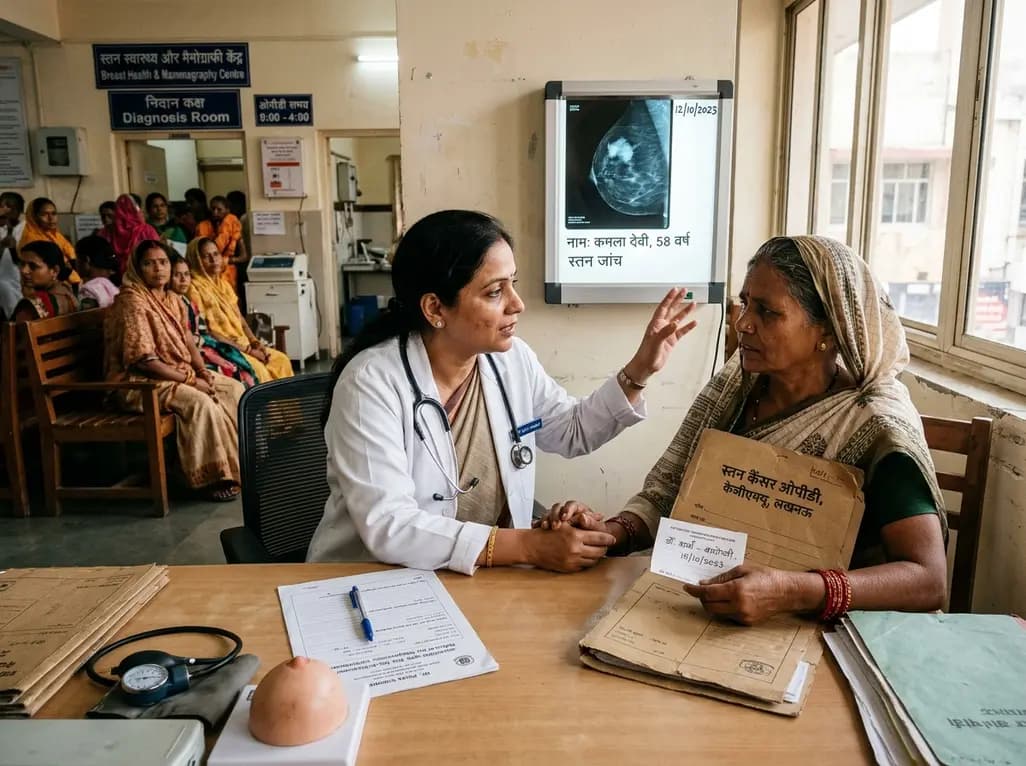
A KGMU study reveals over half of women with breast abnormalities fail to undergo diagnostic confirmation, leading to advanced-stage detection. Discover the socio-cultural barriers, clinical risks of incomplete resection, and community-level solutions needed to bridge the critical screening-to-diagnosis gap in India.
Yesterday

Recent findings from the VESUVE study demonstrate that brain MRI detects intracranial lesions in over 76% of patients with infective endocarditis. Acute ischemic stroke and subarachnoid hemorrhage independently elevate six-month mortality, underscoring the critical prognostic utility of neuroimaging.
Today
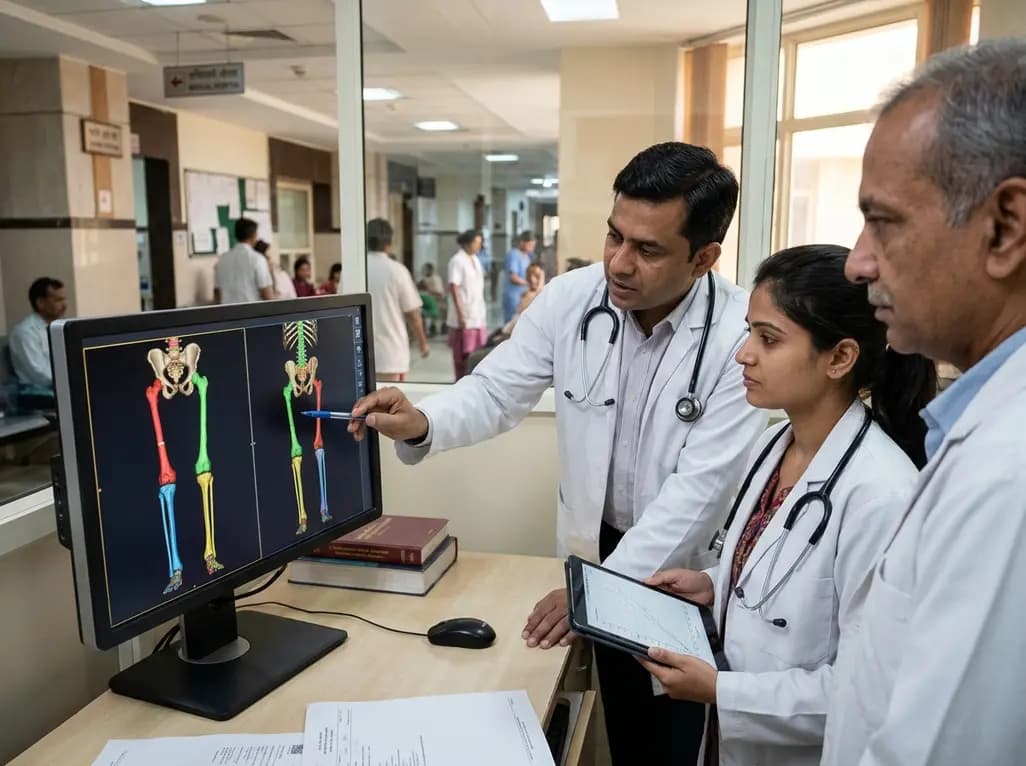
Modern 3D anthropometry reveals that pediatric leg growth ceases years before spinal elongation, exposing the clinical illusion of the classical Anderson-Green model. Learn how segmental growth dissociation improves surgical timing for epiphysiodesis in adolescent leg length discrepancy.
Today

A meta-analysis of 18 studies reveals that bariatric surgery does not significantly alter circulating homocysteine levels, regardless of follow-up duration. Clinicians must maintain vigilance over post-surgical micronutrient supplementation to prevent hyperhomocysteinemia.
Today
