.webp&w=384&q=75)

Loading, please wait...
Loading, please wait...

A recent study published in Aging & Mental Health explores the profound physiological and psychological impacts of ageism on the elderly. The research highlights that experiences of discrimination often trigger acute stress responses. These reactions, which resemble the fight-or-flight response, significantly influence ageism and health outcomes over time. For many older adults, these daily stressors are biological hazards that contribute to chronic illness.
The study analyzed data from participants aged 65 and older. The findings reveal that nearly 96% reported behavioral responses to ageism. Furthermore, over 66% experienced psychological stress, while 36% noted physiological changes. These acute reactions create a cumulative burden on the body. When an individual perceives age-based prejudice, the body may release cortisol. Consequently, this persistent stress activation is associated with chronic physical conditions. It also correlates with a higher prevalence of mental health disorders.
As India experiences a demographic shift, understanding the impact of ageism is now critical. Patients who internalize negative stereotypes about aging may delay seeking necessary care. Moreover, these individuals often experience accelerated physical decline. Physicians should be aware that subtle ageist interactions in clinical settings can erode trust. Therefore, promoting an age-positive environment is essential for effective chronic disease management. Specifically, addressing these stressors can ultimately improve patient compliance and long-term wellness.
Ageism acts as a chronic stressor that triggers repeated fight-or-flight responses. As a result, this biological activation can lead to systemic inflammation and a higher risk of cardiovascular diseases.
Older adults often experience increased self-consciousness about their age and reduced self-esteem. Additionally, these psychological burdens frequently lead to symptoms of anxiety or depression.
Disclaimer: This content is for informational and educational purposes only. It does not constitute professional medical advice, diagnosis, or treatment. Always seek the advice of your physician or other qualified health provider with any questions you may have regarding a medical condition. Refer to the latest local and national guidelines for clinical practice.
References
Allen JO et al. Older adults' report of fight-or-flight and other acute stress responses to ageism and linkages to health. Aging Ment Health. 2026 Feb 10. doi: 10.1080/13607863.2026.2625856. PMID: 41665003.
Allen JO et al. Experiences of Everyday Ageism and the Health of Older US Adults. JAMA Netw Open. 2022;5(6):e2217240.
Varkey AJ et al. Prevalence and correlates of perceived age-related discrimination among older adults in India. PMC. 2022 Mar 22.

Read summarized clinical updates, watch expert medical content, and earn CME certifications right from your smartphone.
Open your smartphone camera to scan and install.





A study explores how ageism triggers acute stress responses and increases the risk of chronic physical and mental health conditions in older adults....
8 months ago
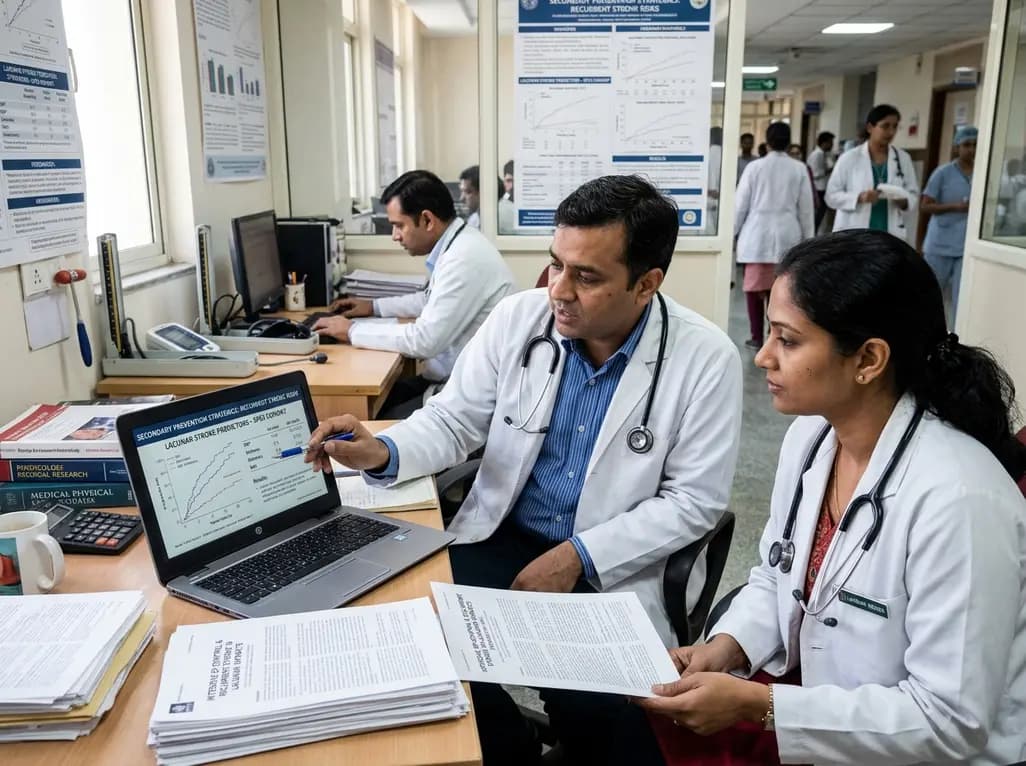
Explore vital recurrent stroke predictors in lacunar stroke patients managed with intensive blood pressure lowering. This analysis examines trial findings from SPS3 to uncover residual vascular risks, metabolic factors, and targeted secondary prevention strategies for high-risk neurological patients.
Today

Odisha has established India's first state-level clinical protocol specifically tailored for pregnant women with sickle cell disease. Developed with NHM and UNICEF, the framework provides structured antenatal screening, crisis mitigation, standardized referral pathways, and specialized interdisciplinary care.
Today

The Directorate General of Health Services directs Indian states to halt the hazardous reuse and reprocessing of single-use medical devices. Discover regulatory implications under the Drugs and Cosmetics Act, critical infection risks, legal liabilities, and operational changes required across clinical specialties.
Today

Mitochondria-targeted nanoparticles self-assembled from EGCG and L-glutamic acid effectively restore mitochondrial homeostasis, suppress synovial inflammation, and attenuate chondrocyte senescence in osteoarthritis, offering a promising disease-modifying nanotherapy.
Today

India is advancing preventive healthcare by integrating genomics, artificial intelligence, and quantum technologies. With the SANGAM programme sequencing one million Indian genomes, clinicians can unlock personalized therapies, detect cardiometabolic risks early, and curb the burden of diabetes and heart disease.
Today
