

Loading, please wait...
Loading, please wait...

Modern evidence-based medicine fundamentally demands rigorous clinical trial data before clinicians prescribe therapeutic compounds to vulnerable patient populations. For decades, clinicians lacked robust evidence when prescribing essential medications to pregnant mothers and growing children. The field of maternal and pediatric therapeutics emerged directly to address these profound knowledge voids, replacing empiric speculation with rigorous pharmacokinetic and pharmacodynamic research across dynamic stages of human development.
For decades, biomedical researchers historically classified pregnant women and children as therapeutic orphans. Drug developers systematically omitted these populations from pivotal registration trials to avoid theoretical liabilities and developmental toxicities. Consequently, healthcare practitioners frequently managed complex maternal illnesses and childhood conditions through unvalidated off-label drug use. Clinicians routinely extrapolated pediatric doses from adult body weights using simplistic linear formulas. However, children are not miniature adults, and pregnancy does not represent an unvarying baseline physiological state.
In response to this critical safety gap, the United States enacted landmark legislation, including the Best Pharmaceuticals for Children Act. Furthermore, the National Institutes of Health established specialized research branches to systematically evaluate therapeutic safety, efficacy, and dosing regimens. These concerted initiatives transformed developmental pharmacology from an obscure discipline into an essential pillar of global clinical safety. Over the past twenty years, structured scientific oversight has replaced speculative dosing with empirical pharmacometrics. Today, dedicated researchers investigate how hepatic clearance, renal function, and body composition dynamically alter drug exposure across different gestational and pediatric milestones.
Pregnancy precipitates profound multisystem adaptations that alter every facet of drug disposition. Specifically, maternal plasma volume expands by nearly fifty percent, significantly enlarging the apparent volume of distribution for hydrophilic drugs. Additionally, glomerular filtration rates surge during the first trimester, accelerating renal clearance of unchanged therapeutic compounds. Concurrently, pregnancy-related hormones induce or suppress key cytochrome P450 isoenzymes and renal transporters. Therefore, standard adult dosing frequently produces subtherapeutic plasma levels, risking inadequate treatment for acute infections, epilepsy, hypertension, or gestational diabetes.
Similarly, the pediatric developmental continuum presents dramatic biochemical evolution from preterm birth through adolescence. Neonates exhibit immature glomerular function, decreased plasma protein binding, and evolving hepatic conjugation pathways. Consequently, neonates metabolize xenobiotics at markedly divergent rates compared to older children and adults. Moreover, ontogeny influences receptor sensitivity, altering pharmacodynamic responses unpredictably. When clinicians apply adult dosing paradigms to neonates without accounting for organ maturation, severe adverse events or clinical failure can quickly ensue. Dedicated translational models now quantify these developmental trajectories, providing precise age-stratified dosing guidelines for clinical practice.
Postpartum maternal care historically suffered from severe information scarcity regarding infant drug exposure during breastfeeding. Frequently, healthcare professionals advised lactating mothers to cease essential pharmacotherapy prematurely or unnecessarily abandon breastfeeding altogether. To rectify this dilemma, modern clinical research actively quantifies medication transfer into human breast milk. Scientists calculate relative infant doses and evaluate infant intestinal absorption to establish clear safety thresholds. Consequently, physicians can now confidently guide lactating women on managing chronic psychiatric, autoimmune, and cardiovascular disorders safely.
Simultaneously, specialized therapeutic initiatives have spurred innovation in pediatric-friendly drug formulations and drug delivery mechanisms. Young children cannot reliably swallow large oral tablets, while adult liquid suspensions often contain toxic excipients such as propylene glycol or benzyl alcohol. Thus, researchers actively engineer palatable mini-tablets, dissolvable oral films, and precise weight-tiered dosing syringes. Furthermore, scientists increasingly prioritize tailored pediatric medical devices to overcome longstanding design deficiencies. These targeted advancements prevent accidental dosing errors, enhance administration compliance, and protect young patients from avoidable systemic adverse reactions.
In India, pediatricians and obstetricians manage immense patient volumes across diverse tertiary medical centers and rural healthcare networks. However, Indian practitioners encounter substantial challenges concerning off-label prescriptions, unapproved fixed-dose combinations, and limited local pharmacokinetic data. Maternal comorbidities, such as severe anemia, preeclampsia, gestational diabetes, and postpartum hemorrhage, demand rigorous evidence-based pharmacotherapy. Similarly, neonatal intensive care units frequently utilize critical antimicrobials and inotropes without verified pediatric package inserts.
Consequently, global pharmacological frameworks provide invaluable guidance for Indian clinicians and regulatory bodies like the Central Drugs Standard Control Organisation. In addition, the Indian Council of Medical Research continues to emphasize specialized pediatric and maternal clinical trial guidelines to generate domestic pharmacokinetic evidence. Clinicians must actively transition from intuitive empiricism toward structured, evidence-informed dosing algorithms. By integrating international pharmacology findings with regional population genetics and nutritional factors, healthcare providers can drastically reduce therapeutic failures. Furthermore, hospital committees should prioritize hospital-based drug surveillance programs to identify emerging adverse drug reactions in pregnant and pediatric cohorts.
The future of developmental therapeutics relies increasingly on advanced computational tools, multi-omics platforms, and real-world clinical data. For instance, physiologically based pharmacokinetic modeling enables researchers to predict drug concentrations inside fetal tissues and neonatal compartments accurately. As a result, scientists can optimize pediatric dose selection prior to initiating expensive or ethically challenging clinical trials. Moreover, pharmacogenomic profiling reveals patient-specific metabolic phenotypes, guiding individualized drug selections to prevent adverse drug events.
Simultaneously, regulatory agencies worldwide are establishing harmonized frameworks that mandate maternal and pediatric inclusion in translational research pipelines. Artificial intelligence and machine learning algorithms further accelerate safety monitoring by detecting subtle adverse event signals across electronic health record registries. Therefore, the scientific community continues to bridge remaining therapeutic voids, ensuring equitable therapeutic progress across the lifespan. By sustaining multi-institutional research networks and fostering multidisciplinary clinical collaborations, modern medicine finally fulfills its enduring ethical promise: delivering safe, targeted, and effective therapies for every mother and child.
Historically, clinical trials excluded pregnant women and children due to ethical concerns, legal liability, and complex fetal vulnerabilities. Consequently, pharmaceutical sponsors rarely conducted dedicated safety and efficacy trials in these cohorts. Because clinicians must still treat acute illnesses and chronic diseases, they frequently rely on empiric data or adult dosage regimens. This pervasive lack of dedicated pharmacokinetic labeling forces clinicians to utilize off-label prescriptions to deliver necessary life-saving care.
Pregnancy induces marked cardiovascular, renal, and metabolic shifts that profoundly alter drug disposition. For example, expansion of plasma volume and total body water increases the volume of distribution for hydrophilic agents. Furthermore, elevated cardiac output accelerates renal clearance, while fluctuating hepatic enzyme expression alters drug metabolism. Consequently, standard adult dosing frequently yields subtherapeutic drug concentrations, demanding evidence-based dose adjustments to protect maternal and fetal health across gestation.
Physiologically based pharmacokinetic modeling integrates anatomical, physiological, and compound-specific biochemical properties to simulate medication disposition computationally. Therefore, researchers can reliably estimate pediatric concentration-time profiles without conducting invasive clinical trials in delicate neonates. Clinicians and regulatory agencies utilize these sophisticated mechanistic simulations to determine optimal starting dosages, predict drug-drug interactions, and evaluate therapeutic margins, ultimately transforming pediatric safety standards across hospital and ambulatory practice settings.
Disclaimer: This content is for informational and educational purposes only, and does not substitute professional medical advice, diagnosis, or treatment. Refer to the latest local and national guidelines for clinical practice.
References

Read summarized clinical updates, watch expert medical content, and earn CME certifications right from your smartphone.
Open your smartphone camera to scan and install.





A review of the evolution of maternal and pediatric therapeutics over two decades, examining developmental pharmacokinetics, lactation pharmacology, pediatric formulations, and evidence-based guidance for clinicians managing pregnancy and childhood diseases.
Today

Researchers have identified novel vulnerable epitopes on the Plasmodium vivax circumsporozoite protein (PvCSP). These findings provide a structural roadmap for developing an effective vivax malaria vaccine that blocks hepatocyte invasion and prevents dormant liver hypnozoite relapses.
Today
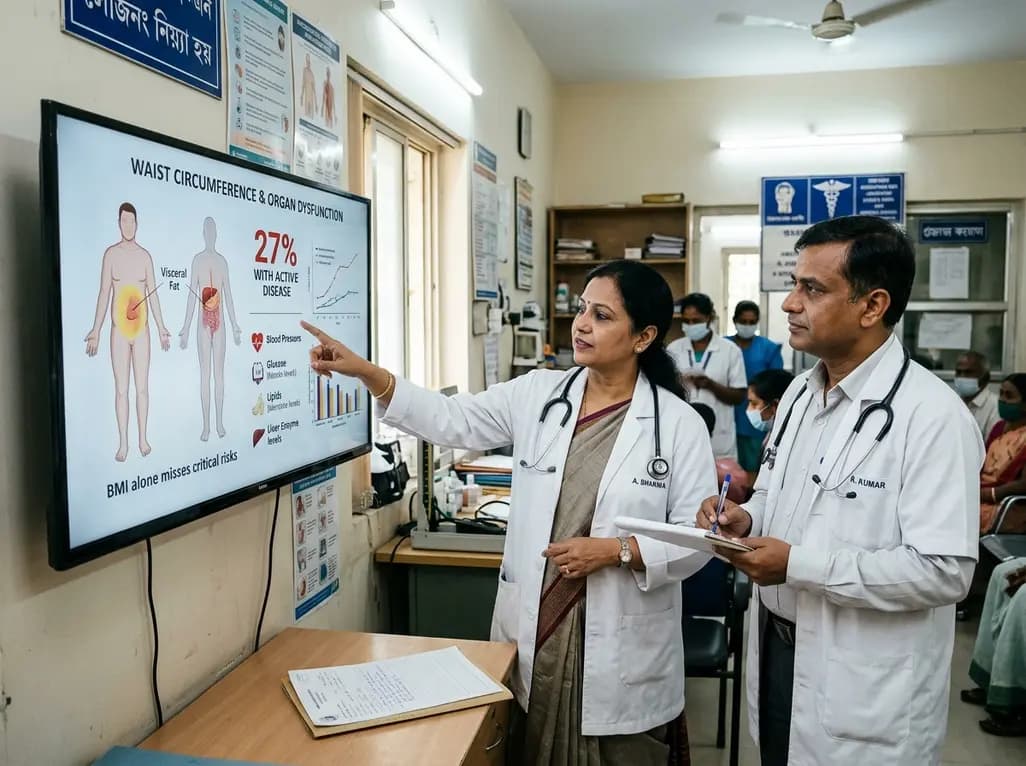
A landmark Nature study reveals that only 27% of individuals with obesity have active clinical disease. By incorporating waist circumference and organ dysfunction, this new diagnostic framework moves beyond BMI to prevent widespread misclassification and guide personalized metabolic intervention.
Today
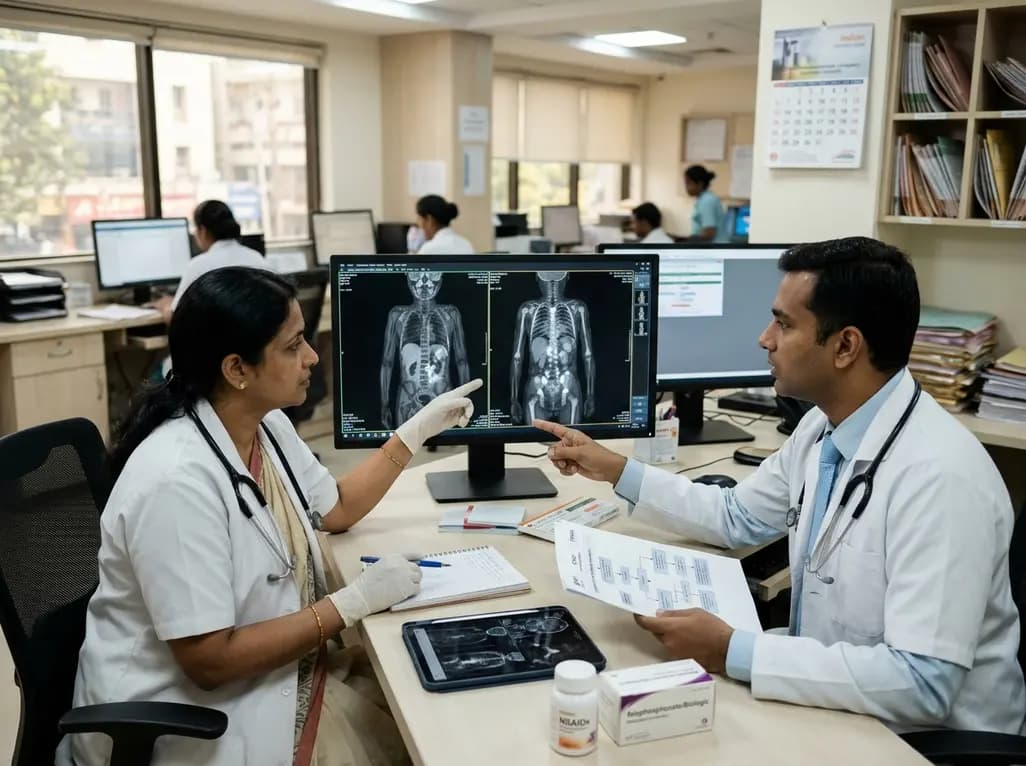
Chronic nonbacterial osteomyelitis (CNO) is a pediatric autoinflammatory bone disorder. This review covers the French protocol, emphasizing whole-body MRI as the diagnostic gold standard, prudent biopsy avoidance, first-line NSAID treatment, and second-line biologic or bisphosphonate therapies for spinal lesions.
Today

A real-world retrospective study demonstrates that combining intravitreal ranibizumab with focal/grid macular laser significantly improves visual acuity and central macular thickness compared to laser monotherapy in patients with center-involved diabetic macular edema.
Today
