.webp&w=384&q=75)

Loading, please wait...
Loading, please wait...

Advances in cataract surgery are transforming the landscape of ocular rehabilitation. While phacoemulsification remains the gold standard, recent refinements in fluidics and ultrasound modulation have significantly increased surgical efficiency. Furthermore, the integration of heads-up 3-D visualization allows for improved surgeon ergonomics. These technologies collectively enhance the safety profile of the procedure for patients across India and the globe.
The variety of available intraocular lenses (IOLs) has expanded remarkably. Surgeons now utilize trifocal and extended-depth-of-focus (EDOF) lenses to provide patients with high rates of spectacle independence. Moreover, light-adjustable lenses offer a unique advantage by allowing for postoperative power customization. Consequently, specialists can fine-tune visual outcomes after the eye has healed. Emerging fluid-based and dual-optic models are also showing promise in achieving true accommodation, which mimics the natural eye more closely.
Digital tools now play a critical role in preoperative and intraoperative phases. For instance, microscope-integrated optical coherence tomography (OCT) and intraoperative aberrometry help increase refractive precision. Additionally, artificial intelligence-driven video analytics assist in surgeon training and outcome prediction. These digital overlays ensure that lens alignment remains accurate to within fractions of a millimeter. Ultimately, these tools minimize the margin for human error and streamline the surgical workflow.
Recent initiatives focus on making these high-tech solutions accessible and environmentally friendly. Manufacturers are developing portable, low-cost equipment to address workforce capacity in underserved regions. Similarly, nanopatterned and drug-eluting lenses are being researched to manage postoperative inflammation without the need for frequent drops. Sustainability efforts are also reducing medical waste in the operating room. These steps ensure that modern innovations benefit a broader demographic of patients regardless of their location.
Light-adjustable lenses allow doctors to change the power of the lens using UV light after the surgery is complete. This ensures the most accurate prescription possible for the patient's specific healing pattern.
Artificial intelligence assists in surgical planning, selecting the most appropriate lens power, and providing real-time feedback during the procedure to ensure precision and safety.
Many advancements, such as 3-D visualization and advanced IOLs, are becoming common in routine clinics, although specific high-end lasers may be reserved for complex lens cases.
Disclaimer: This content is for informational and educational purposes only and does not constitute medical advice. Always seek the advice of a qualified healthcare provider with any questions regarding a medical condition. Refer to the latest local and national guidelines for clinical practice.
References
1. Zhang X et al. Advances in cataract surgery: is a new era on the horizon? Curr Opin Ophthalmol. 2026 Apr 06. doi: 10.1097/ICU.0000000000001219. PMID: 41936132.
2. West Boca Eye Center. How AI Is Enhancing Cataract Surgery Outcomes in 2025. Published November 11, 2025.
3. London Cataract Centre. The Latest Advances in Cataract Surgery Expected in 2026. Published January 26, 2026.

Read summarized clinical updates, watch expert medical content, and earn CME certifications right from your smartphone.
Open your smartphone camera to scan and install.





A comprehensive review of technological and material developments in cataract surgery, highlighting AI, smart optics, and global sustainability efforts....
6 months ago
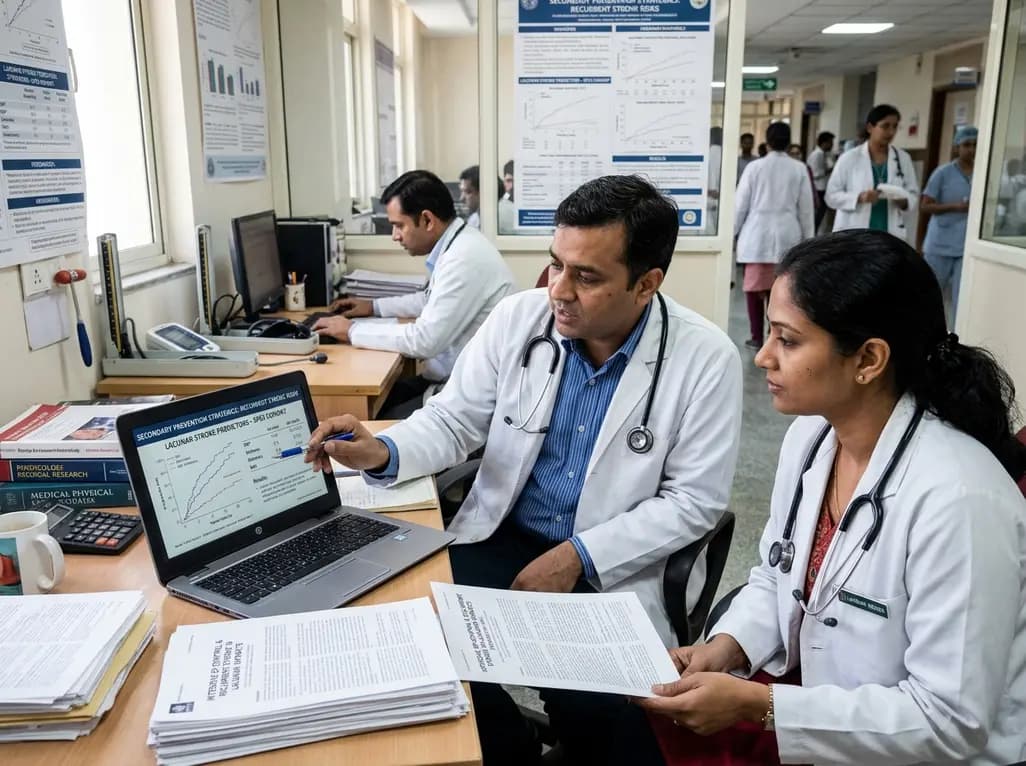
Explore vital recurrent stroke predictors in lacunar stroke patients managed with intensive blood pressure lowering. This analysis examines trial findings from SPS3 to uncover residual vascular risks, metabolic factors, and targeted secondary prevention strategies for high-risk neurological patients.
Today
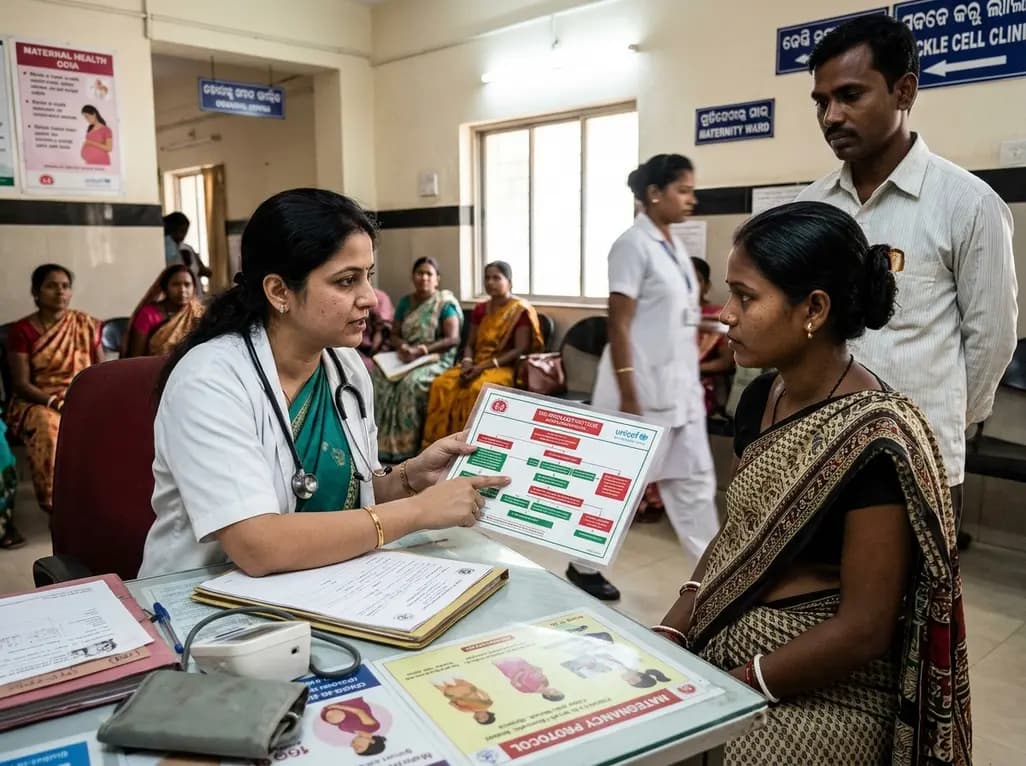
Odisha has established India's first state-level clinical protocol specifically tailored for pregnant women with sickle cell disease. Developed with NHM and UNICEF, the framework provides structured antenatal screening, crisis mitigation, standardized referral pathways, and specialized interdisciplinary care.
Today

The Directorate General of Health Services directs Indian states to halt the hazardous reuse and reprocessing of single-use medical devices. Discover regulatory implications under the Drugs and Cosmetics Act, critical infection risks, legal liabilities, and operational changes required across clinical specialties.
Today

Mitochondria-targeted nanoparticles self-assembled from EGCG and L-glutamic acid effectively restore mitochondrial homeostasis, suppress synovial inflammation, and attenuate chondrocyte senescence in osteoarthritis, offering a promising disease-modifying nanotherapy.
Today

India is advancing preventive healthcare by integrating genomics, artificial intelligence, and quantum technologies. With the SANGAM programme sequencing one million Indian genomes, clinicians can unlock personalized therapies, detect cardiometabolic risks early, and curb the burden of diabetes and heart disease.
Today
