.webp&w=384&q=75)

Loading, please wait...
Loading, please wait...

Advanced photoporation technology has emerged as a powerful, non-viral strategy for the precise and minimally invasive delivery of biomolecules into cells. Researchers are increasingly turning to this platform to overcome the limitations of traditional chemical and viral methods. Consequently, this review highlights the pivotal role of micro- and nanostructured materials in facilitating efficient transport. These materials act as sensitizers that interact with laser pulses to create transient membrane pores. Furthermore, this method allows for the delivery of a wide range of cargo sizes, from small molecules to large bacterial assemblies.
The core mechanism behind this platform involves laser-induced thermal or mechanical effects on sensitized cell membranes. Specifically, light-matter interactions at the surface of nanostructures generate vapor nanobubbles or localized heating. Therefore, these localized phenomena lead to the formation of temporary pores that allow extracellular cargo to diffuse into the cytoplasm. Moreover, the efficiency of this process depends heavily on material composition and optical properties. In addition, the shape and surface charge of the nanostructures govern how well they interact with the cell surface.
Clinicians and researchers can now apply this technology across various therapeutic fields, particularly in oncology and gene therapy. For instance, the system enables the efficient delivery of CRISPR-Cas9 components and mRNA directly into T-cells or stem cells. Consequently, this facilitates the development of safer cell-based therapies by avoiding viral vectors. Additionally, the size-centric organizational framework allows for the rational selection of materials based on the specific cargo size. Indeed, this adaptability ensures high delivery efficiency while maintaining cellular viability across different biological contexts.
Despite the significant potential, several challenges remain for clinical translation. Scaling the process for high-throughput applications and ensuring long-term biocompatibility are critical hurdles. Furthermore, researchers must optimize the platform for specific cell types that may be sensitive to laser exposure. However, emerging strategies in material design and laser modulation are addressing these issues. By integrating mechanistic insights with translational considerations, the field is moving toward a structured roadmap for clinical adoption.
While both create membrane pores, photoporation uses light-activated nanostructures to provide more localized and gentle permeabilization. Consequently, it often results in higher cell viability and better control over the delivery site compared to the high-voltage pulses used in electroporation.
Advanced photoporation technology is highly versatile. It can deliver a diverse range of cargo, including small molecule drugs, siRNA, mRNA, large plasmids, and even whole bacteria or ultra-large assemblies into targeted cells.
Disclaimer: This content is for informational and educational purposes only. It does not constitute medical advice or a professional relationship. Refer to the latest local and national guidelines for clinical practice.
References
Shinde AS et al. Advanced Photoporation: Micro-Nanostructures for Size-Specific Highly Efficient Biomolecular Delivery. Small. 2026 Feb 07. doi: 10.1002/smll.202511843. PMID: 41653467.
Xiong R et al. Laser-assisted photoporation: fundamentals, technological advances and applications. Adv Phys X. 2016;1(4):596-620.
Houthaeve G et al. The cellular response to plasma membrane disruption for nanomaterial delivery. Nano Converg. 2022;9(1):6.

Read summarized clinical updates, watch expert medical content, and earn CME certifications right from your smartphone.
Open your smartphone camera to scan and install.





A review of photoporation as a versatile intracellular delivery platform using micro-nanostructures for size-specific transport of biomolecules....
8 months ago

Explore vital recurrent stroke predictors in lacunar stroke patients managed with intensive blood pressure lowering. This analysis examines trial findings from SPS3 to uncover residual vascular risks, metabolic factors, and targeted secondary prevention strategies for high-risk neurological patients.
Today
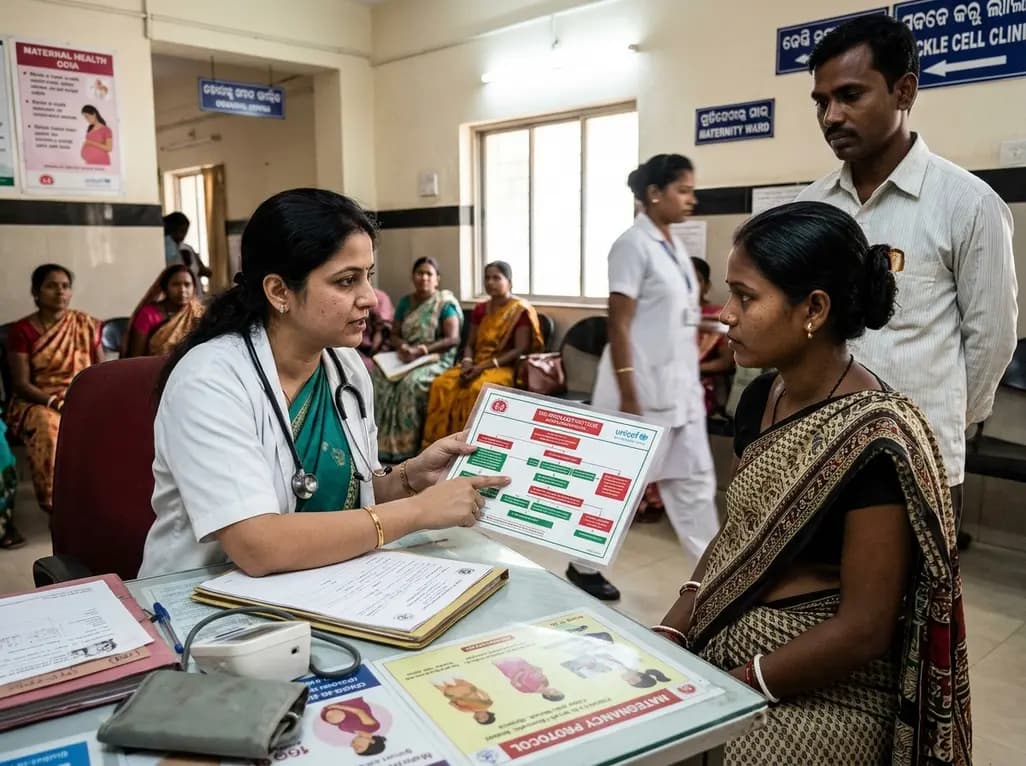
Odisha has established India's first state-level clinical protocol specifically tailored for pregnant women with sickle cell disease. Developed with NHM and UNICEF, the framework provides structured antenatal screening, crisis mitigation, standardized referral pathways, and specialized interdisciplinary care.
Today

India is advancing preventive healthcare by integrating genomics, artificial intelligence, and quantum technologies. With the SANGAM programme sequencing one million Indian genomes, clinicians can unlock personalized therapies, detect cardiometabolic risks early, and curb the burden of diabetes and heart disease.
Today
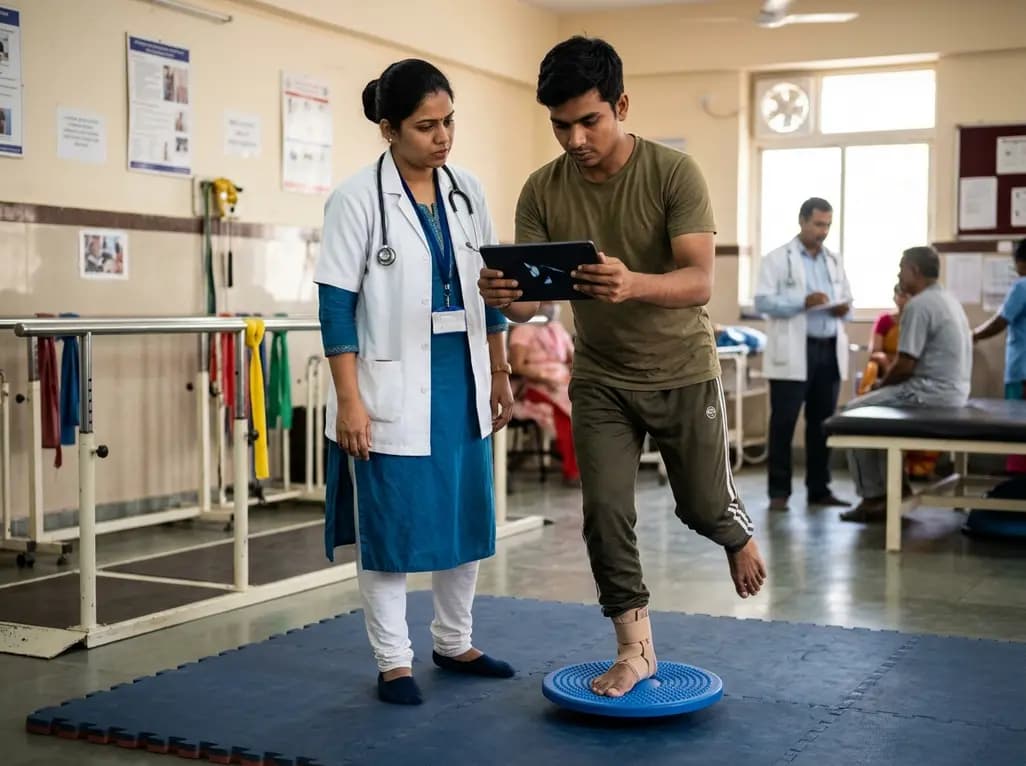
A randomized controlled trial demonstrates that an eight-week dual-task training intervention significantly improves static and dynamic postural control over standard balance exercises in individuals with chronic ankle instability, addressing critical neurocognitive deficits during athletic and daily activities.
Today

A retrospective cohort study of 7,716 ICU patients from the MIMIC-IV database demonstrates that Gradient Boosting Decision Trees significantly outperform traditional SOFA scores in predicting in-hospital mortality among patients with sepsis and diabetes, with SHAP analysis providing clinical interpretability.
Today
