.webp&w=384&q=75)

Loading, please wait...
Loading, please wait...

The arrival of a teenager in the resuscitation room following acute self-poisoning presents an immediate clinical challenge for emergency providers. Adolescent self-harm and intentional ingestions, such as combined acetaminophen and diphenhydramine, require swift toxicological stabilization along with compassionate mental health care. Emergency clinicians frequently focus on immediate physiological triage, yet early clinical engagement plays a critical role in adolescent suicide prevention. When care teams listen actively to young patients during initial emergency presentations, they create crucial opportunities for effective intervention and future safety planning. Consequently, transforming acute pediatric emergency visits into active suicide prevention opportunities significantly improves long-term outcomes and reduces recurrent self-harm.
When an adolescent presents following an acute intentional drug overdose, the primary objective involves rapid assessment of vital functions and airway stability. Clinicians must immediately evaluate cardiorespiratory status, continuous heart rate, blood pressure, and neurological responsiveness. Furthermore, intentional ingestions involving over-the-counter medications like acetaminophen and diphenhydramine carry substantial risks of severe toxicity. Acetaminophen ingestion threatens severe hepatic injury, while anticholinergic toxicity from diphenhydramine can trigger altered mental status, seizures, or cardiac dysrhythmias. Therefore, emergency care teams must initiate prompt toxicological workups, including serum acetaminophen concentrations, baseline metabolic panels, electrocardiograms, and targeted decontamination when indicated. Simultaneously, healthcare providers must establish continuous physiological monitoring while creating a secure physical environment. Removing hazardous items from the bay remains essential for patient safety. Additionally, early administration of specific antidotes, such as N-acetylcysteine, must proceed without delay. Once toxicological stability is secured, the team smoothly transitions to comprehensive psychiatric assessment.
Implementing systematic screening tools across pediatric emergency settings forms the backbone of adolescent suicide prevention. Many young patients presenting to emergency departments with somatic complaints or minor injuries harbor undisclosed suicidal ideation or depressive symptoms. Consequently, standardized tools such as the Ask Suicide-Screening Questions or Columbia-Suicide Severity Rating Scale enable clinicians to identify vulnerable youth early. Utilizing validated questionnaires ensures consistent risk detection regardless of the initial chief complaint. Furthermore, emergency personnel should administer these screenings privately to encourage honest responses from adolescent patients. Moreover, routine screening creates an objective foundation for tailored clinical decision-making. When a teenager screens positive for suicide risk, emergency staff can immediately trigger standardized secondary assessments and behavioral health consultations. Standardized pathways reduce clinical variability and ensure that no high-risk adolescent leaves the facility without proper evaluation. Ultimately, embedding universal screening within routine triage workflows transforms emergency departments into proactive safety nets for vulnerable youth.
Establishing genuine therapeutic rapport represents a cornerstone of emergency psychiatric care for adolescents presenting with self-harm. While gathering collateral information from parents and paramedics is essential, clinicians must prioritize direct communication with the patient. Teenagers facing mental health crises often feel overwhelmed, defensive, or stripped of autonomy in acute medical environments. Therefore, sitting at eye level, offering undivided attention, and active listening help demystify the emergency process. Clinicians who validate the young person's emotional pain build trust and encourage deeper disclosure of underlying stressors. Additionally, privacy during the clinical interview encourages open communication regarding sensitive topics like peer conflicts or social media pressures. Providers must assure adolescents of confidential care while explaining necessary boundaries regarding imminent safety risks. Furthermore, involving the adolescent directly in discussions about their treatment plan fosters agency and empowerment. When teenagers feel heard, they become active collaborators in their recovery. Consequently, compassionate rapport building significantly enhances patient compliance with follow-up mental health care.
Lethal means safety counseling is an indispensable, evidence-based strategy for reducing youth suicide risk during emergency encounters. Adolescents experiencing acute emotional distress often act impulsively, making immediate access to lethal methods particularly dangerous. Therefore, emergency clinicians must explicitly counsel parents regarding the safe storage or removal of high-risk items. Caregivers should secure all household prescription and over-the-counter medications in locked lockboxes. Additionally, families must store firearms unloaded in locked safes with ammunition kept in a separate, secure location. Addressing lethal means in the home directly decreases impulsive self-harm attempts during distress. In tandem with lethal means counseling, healthcare providers must collaboratively construct a written safety plan with the adolescent and family. A comprehensive safety plan identifies personal warning signs, internal coping strategies, supportive social contacts, and emergency contact numbers. Furthermore, clinicians should guide youth in recognizing specific triggers and practicing adaptive coping mechanisms. Distributing written copies ensures families possess actionable resources upon discharge.
Managing adolescent behavioral health crises in the emergency department requires seamless collaboration across multidisciplinary healthcare teams. Emergency physicians, pediatric nurses, clinical social workers, psychiatrists, and crisis counselors must coordinate their efforts to deliver holistic patient care. Furthermore, social workers and behavioral health specialists play a vital role in evaluating environmental risk factors and organizing outpatient resources. Joint multidisciplinary huddles allow care teams to share critical observations, align treatment goals, and ensure patient safety throughout the emergency stay. Moreover, the transition from the emergency department to outpatient mental health services represents a critical vulnerability period. Standard discharge instructions often fail to guarantee attendance at follow-up psychiatric appointments. Therefore, emergency teams should implement "warm handoffs" by directly connecting families with outpatient mental health clinics or tele-psychiatry providers prior to discharge. Contacting follow-up providers directly and scheduling definitive appointments dramatically improves attendance rates. In addition, providing crisis hotline contacts offers continuous safety support during the transition home.
Expanding suicide prevention initiatives in emergency departments requires overcoming significant systemic and structural challenges. Emergency facilities often face resource limitations, including overcrowding, busy staff schedules, and limited access to specialized pediatric psychiatric services. Furthermore, healthcare professionals may feel underprepared to conduct detailed suicide risk assessments or deliver lethal means counseling without dedicated training. To overcome these barriers, health systems must invest in staff education, clinical decision-support tools, and standardized mental health protocols. Implementing electronic health record prompts can assist clinicians in consistently completing screening and safety planning. Additionally, strengthening telehealth networks allows rural and community emergency departments to connect adolescents with child psychiatrists rapidly. By addressing operational hurdles, emergency departments can deliver equitable, high-quality crisis care to all pediatric patients. Ultimately, investing in structural support and interprofessional training builds a resilient healthcare system capable of protecting vulnerable youth during critical mental health emergencies.
Emergency clinicians must prioritize immediate stabilization of airway, breathing, and circulation while monitoring vital signs continuously. Providers should promptly obtain serum drug levels, baseline metabolic panels, and electrocardiograms. Specific antidotal therapy, such as N-acetylcysteine for acetaminophen toxicity, must be initiated quickly according to clinical nomograms, alongside continuous monitoring for anticholinergic or systemic toxicities.
Private screening allows adolescent patients to disclose sensitive information, suicidal ideation, or self-harm history without fear of immediate parental reaction or judgment. Conducting confidential interviews using validated tools encourages honest communication, helping clinicians accurately assess suicide risk while maintaining patient trust and establishing a therapeutic foundation for subsequent family involvement.
Lethal means safety counseling must focus on securing all potential household hazards. Clinicians should instruct caregivers to lock up all over-the-counter and prescription medications in secure lockboxes. Additionally, families must safely store firearms unloaded in locked safes with ammunition kept separately, significantly reducing the likelihood of impulsive adolescent self-harm attempts.
Disclaimer: This content is for informational and educational purposes only and does not constitute medical advice, diagnosis, or treatment. Always seek the advice of a qualified healthcare provider with any questions regarding a medical condition. Refer to the latest local and national guidelines for clinical practice.
References
1. Haasz M It's Time to Engage Teens in Suicide Prevention in the Emergency Department. J Am Acad Child Adolesc Psychiatry. 2025 Sep. doi: 10.1016/j.jaac.2024.09.010. PMID: 39615834.
2. Boudreaux ED, Camargo CA Jr, Aseltine RH Jr, et al. Improving Suicide Risk Screening and Mitigation in the Emergency Department: The ED-SAFE Study. Psychosom Med. 2016;78(4):440-449.
3. Asarnow JR, Hughes JL, Babeva KN, Sugar CA. Pediatric emergency department suicidal ideation and attempt presentations: psychiatric services and 1-year outcomes. J Am Acad Child Adolesc Psychiatry. 2017;56(3):209-214.

Read summarized clinical updates, watch expert medical content, and earn CME certifications right from your smartphone.
Open your smartphone camera to scan and install.





Emergency departments play a pivotal role in adolescent suicide prevention. Early engagement, universal screening, toxicological care, lethal means counseling, and multidisciplinary warm handoffs ensure comprehensive safety for high-risk youth.
last month
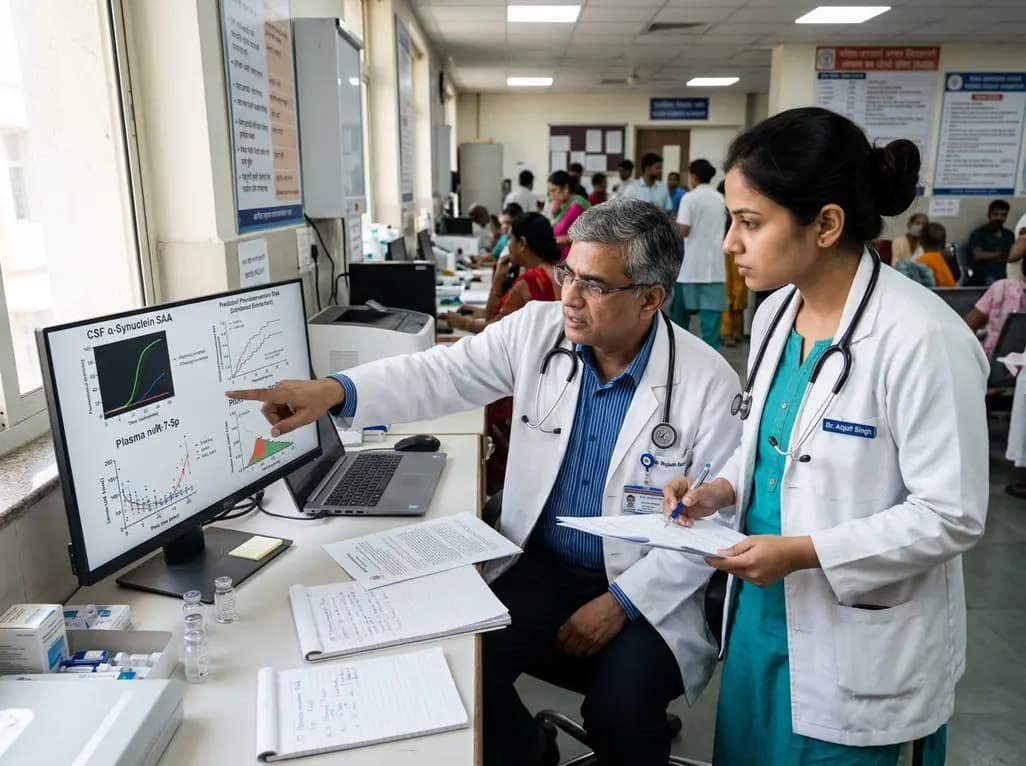
A new PPMI cohort study demonstrates that combining blood microRNA-7-5p with CSF alpha-synuclein seed amplification assay significantly improves the prediction of Parkinson's disease phenoconversion, offering clinicians and researchers a powerful tool for patient risk stratification and clinical trial enrichment.
Today
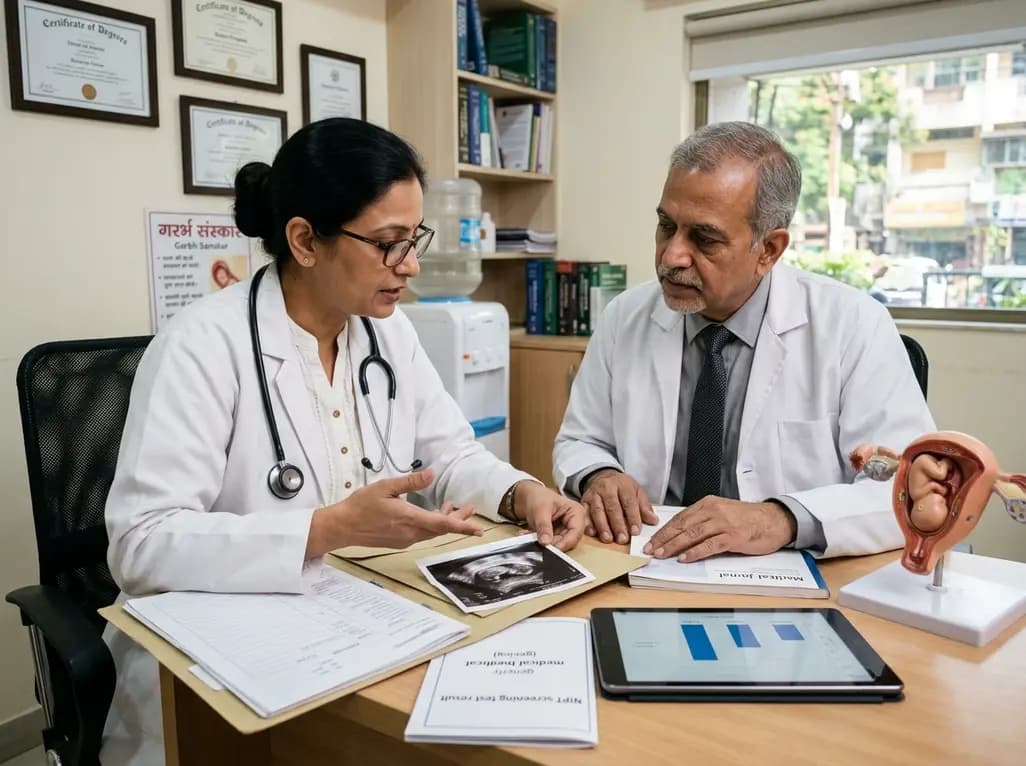
A large retrospective study evaluates the screening accuracy, positive predictive value, and test failure rates of noninvasive prenatal testing (NIPT) in assisted reproductive technology (ART) pregnancies compared to spontaneous conceptions, highlighting key considerations for pretest counseling.
Today
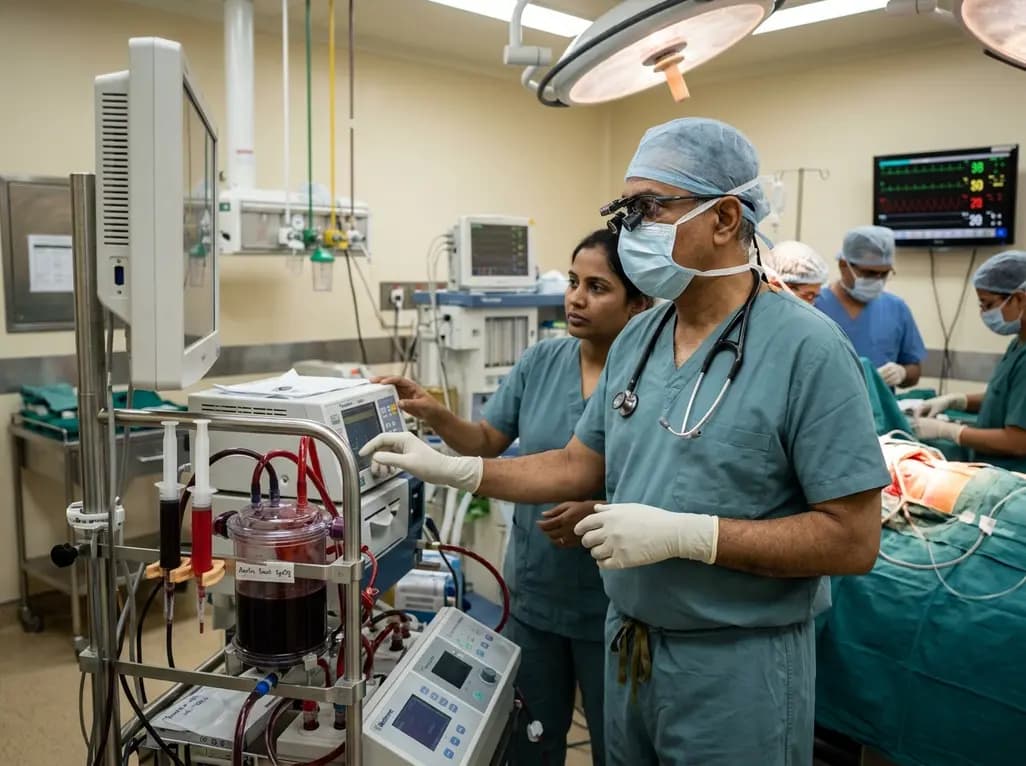
Differential oxygenation during peripheral TA-NRP can cause undetected coronary hypoxemia due to arch vessel clamping. A novel circuit with continuous aortic root monitoring detects desaturation early, facilitating left ventricular unloading and preventing allograft dysfunction and unnecessary heart discard.
Today
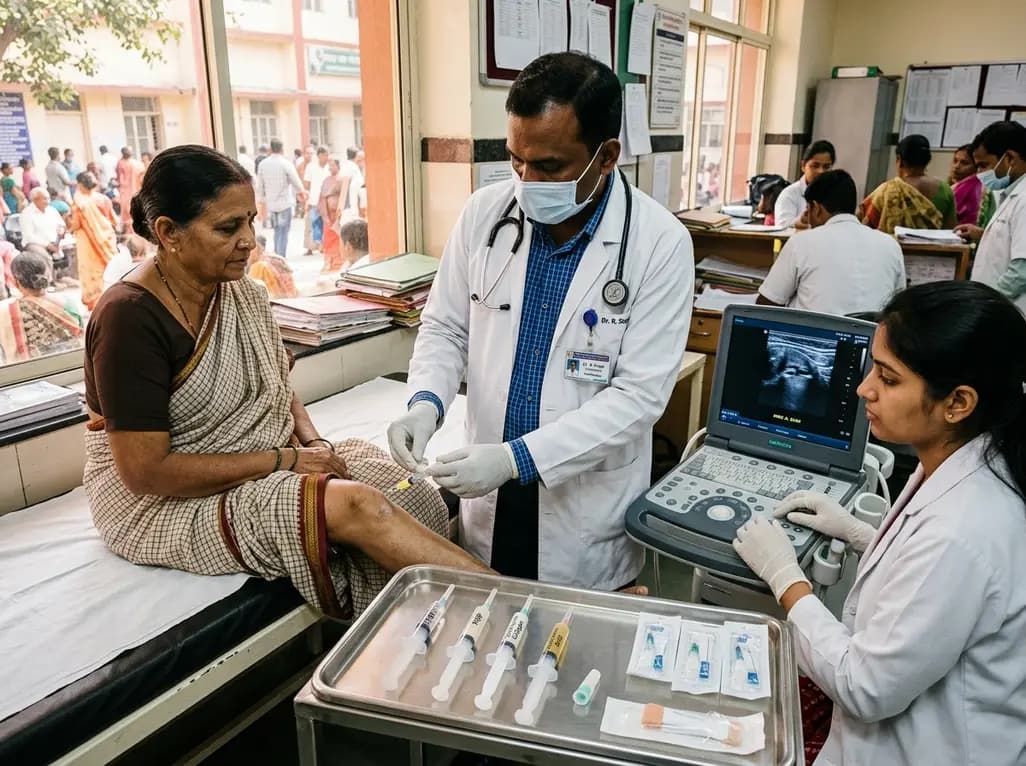
A randomized controlled trial compared ultrasound-guided intra-articular injections of PRP, hydrolyzed type I collagen, and hyaluronic acid in knee osteoarthritis. All therapies demonstrated significant improvements in WOMAC and pain scores at six months, supporting hydrolyzed collagen as a viable biological option.
Today

A scoping review evaluates 116 studies on AI in women's reproductive health, finding that 83.6% carry high risk of bias. While ensemble models show promise, disparities and lack of validation hinder LMIC deployment.
Today
