.webp&w=384&q=75)

Loading, please wait...
Loading, please wait...
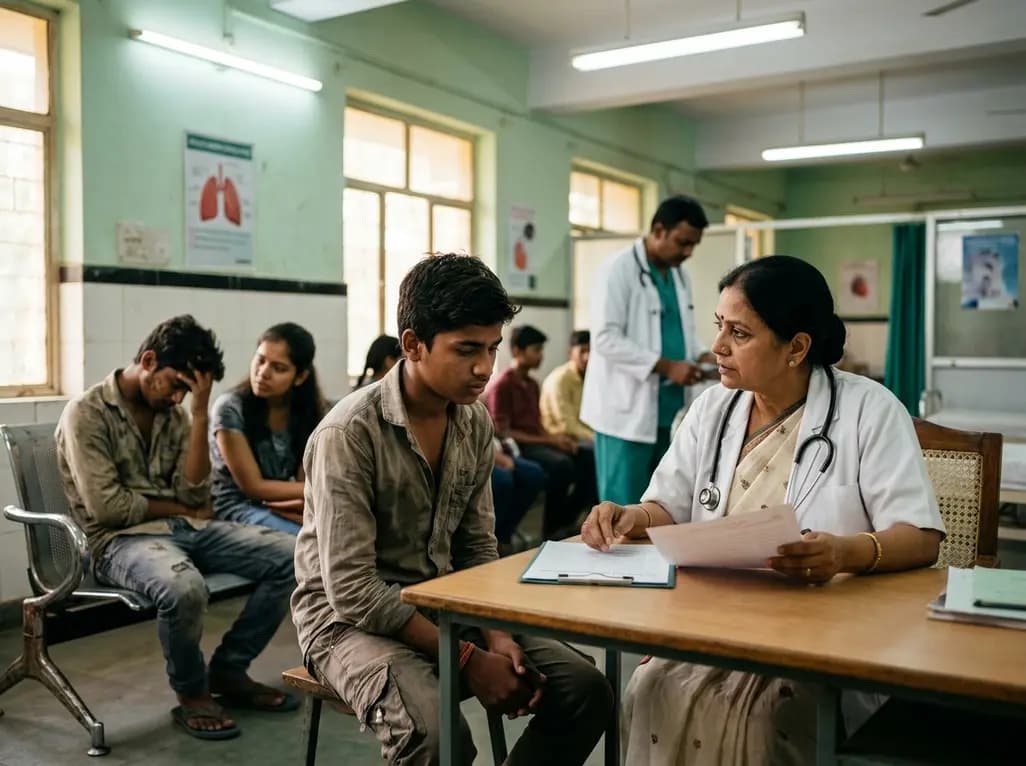
The landmark study evaluated 6,168 adolescents across 108 government and private schools in six distinct Indian districts. Specifically, researchers gathered data from Gorakhpur in Uttar Pradesh, Kamrup in Assam, Nagpur in Maharashtra, Rajkot in Gujarat, Deoghar in Jharkhand, and Puducherry. To establish standardized risk categories, scientists implemented the World Health Organization Alcohol, Smoking and Substance Involvement Screening Test. Consequently, this validated screening tool allowed the team to classify adolescent vulnerability into distinct clinical stratifications.
Overall, findings revealed that 21.4 percent of participating adolescents exhibited moderate-to-high risk levels. Within this cohort, 10.3 percent fell into the moderate-risk tier, while 11.1 percent demonstrated high-risk profiles. Meanwhile, the remaining 78.6 percent were classified as low risk. Notably, this multi-site assessment fills a crucial gap in pediatric and psychiatric literature. Previously, limited standardized data existed regarding multi-substance risk variations across diverse Indian socio-geographic environments. Consequently, clinicians now possess standardized baseline metrics to evaluate psychoactive substance exposure in school settings. Furthermore, these metrics underscore the urgent necessity for early clinical screening during routine adolescent health examinations.
A striking finding of the research is the immense geographic variation in substance vulnerability across different urban and semi-urban centers. Schools located in Guwahati and Deoghar demonstrated the highest proportions of adolescents in moderate-risk and high-risk categories. Conversely, schools situated in Nagpur and Puducherry presented predominantly low-risk profiles among student populations. In fact, researchers identified a dramatic 35.1 percentage point gap in risk prevalence between Guwahati and Nagpur.
Importantly, statistical analysis revealed that nearly 40 percent of this regional variance stems from observable environmental characteristics. These factors encompass specific school institutional profiles, local socio-demographic indicators, household economic conditions, and individual personality traits. To measure psychological susceptibility, researchers utilized the Substance Use Risk Profile Scale. Surprisingly, the study revealed that female adolescents demonstrated higher odds of elevated substance risk compared to male peers. Consequently, these regional and gender disparities highlight how localized environments shape adolescent behavioral health. Therefore, clinicians cannot rely on uniform national strategies. Instead, healthcare providers must analyze regional socio-environmental dynamics to implement context-sensitive interventions effectively.
The research team identified several key modifiable factors that actively drive adolescent substance use risk across diverse school environments. Unrestricted physical access to addictive products remains a primary driver of early adolescent experimentation. Moreover, elevated digital exposure significantly correlates with increased substance vulnerability among teenagers. Frequent exposure to unmonitored digital platforms often normalizes substance consumption, models risky behaviors, and fosters favorable attitudes toward drug and alcohol use. Additionally, hazardous social environments and unstructured peer settings further amplify these behavioral risks.
Conversely, strong social engagement serves as a powerful protective buffer against adolescent substance initiation. Positive family connections, structured extracurricular participation, active school involvement, and supportive community networks effectively mitigate psychoactive vulnerabilities. In addition, addressing digital exposure through media literacy programs empowers teenagers to navigate online influences critically and resist peer pressures. Clinicians must recognize these modifiable determinants during routine adolescent consultations. By evaluating digital habits, peer environments, and family support structures, primary care physicians can identify vulnerable youth before habituation occurs. Consequently, addressing these modifiable factors offers a pragmatic blueprint for reducing substance exposure.
To effectively mitigate adolescent substance vulnerability across India, prevention strategies must evolve beyond basic awareness lectures and generic assemblies. The study authors strongly advocate for context-specific, multi-level interventions that target structural, institutional, and individual levels simultaneously. First, local authorities must strengthen regulatory enforcement to restrict physical availability of tobacco, alcohol, and illicit substances near educational institutions. Strict enforcement of vendor proximity regulations drastically reduces opportunistic experimentation among impressionable school students.
Second, educational frameworks must incorporate comprehensive digital media literacy modules into existing school curricula. By teaching students how to critically evaluate media content and online peer trends, schools counteract digital exposure drivers effectively. Third, expanding peer-led frameworks offers an exceptionally promising path forward for sustainable behavioral change. Specifically, scaling the Community Based Peer-Led Intervention model within the national School Health Programme yields profound health benefits. Peer leaders foster open, non-judgmental discussions that resonate far more effectively with teenagers than traditional adult-driven lectures. Ultimately, combining regulatory enforcement, digital education, and structured peer mentorship establishes a robust defense system safeguarding adolescent public health nationwide.
The study findings carry vital practical implications for pediatricians, psychiatrists, general practitioners, and primary care physicians practicing across India. Routine adolescent health evaluations must systematically incorporate validated screening tools, such as the WHO ASSIST instrument. Early identification during routine clinical encounters enables physicians to intervene promptly before experimental use escalates into severe substance dependence or chronic mental health disorders. Furthermore, clinicians must adopt compassionate, non-judgmental communication strategies when discussing substance exposure with teenage patients and families.
In addition, healthcare providers should actively collaborate with school administration teams, parent-teacher associations, and local public health officials. By offering expert medical guidance to school counseling programs, physicians help build supportive educational environments for vulnerable youth. Physicians should also educate parents regarding subtle warning signs of substance exposure, such as sudden academic decline, altered sleep patterns, social withdrawal, and emotional volatility. Moreover, advocating for peer-led intervention programs within local communities empowers medical practitioners to contribute directly to preventative public health initiatives. Consequently, integrating standardized screening into primary care bridges clinical medicine and community health promotion.
Q1: What standard screening tools were used to evaluate substance risk in Indian teenagers?
Researchers evaluated adolescent substance vulnerability using the World Health Organization Alcohol, Smoking and Substance Involvement Screening Test. This validated instrument measures the severity of psychoactive substance involvement across multiple substance categories. Additionally, researchers assessed underlying psychological risk traits using the Substance Use Risk Profile Scale. Consequently, combining these standardized tools provided an accurate, multi-dimensional profile of adolescent substance vulnerability across diverse Indian school settings.
Q2: Why did substance use risk vary so significantly between cities like Guwahati and Nagpur?
The study observed a dramatic 35.1 percentage point prevalence gap between Guwahati and Nagpur due to contextual environmental drivers. Statistical analysis revealed that approximately 40 percent of this gap was explained by observable differences in school institutional characteristics, local socio-demographic factors, household economic status, and individual personality traits. Therefore, local substance accessibility, regional peer dynamics, and institutional support systems play a decisive role in determining adolescent risk across regions.
Q3: How can schools and primary healthcare providers reduce adolescent substance vulnerability?
Schools and healthcare providers can reduce adolescent vulnerability by implementing comprehensive multi-level interventions. These essential measures include enforcing strict regulatory bans on substance sales near school premises, integrating digital media literacy into standard curricula, and scaling peer-led models like the Community Based Peer-Led Intervention. Furthermore, primary care physicians should routinely perform standardized screenings during adolescent consultations to detect early experimentation and offer timely guidance.
Disclaimer: This content is for informational and educational purposes only. It does not constitute medical advice or replace professional judgment. Refer to the latest local and national guidelines for clinical practice.
References

Read summarized clinical updates, watch expert medical content, and earn CME certifications right from your smartphone.
Open your smartphone camera to scan and install.





A multi-center Lancet study reveals over 21% of school-going Indian teenagers face moderate-to-high substance use risk. Geographic, digital, and environmental drivers highlight the urgent need for targeted clinical screening, regulatory enforcement, and peer-led interventions in school settings.
last month
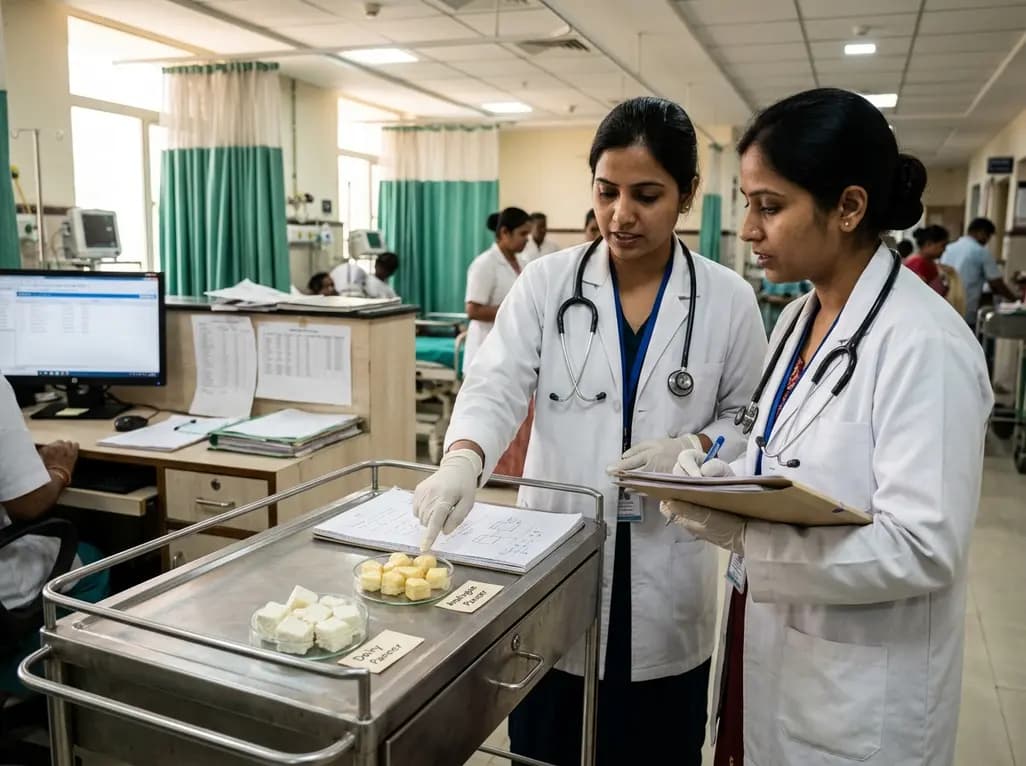
The Food Safety and Standards Authority of India has issued draft regulations prohibiting the sale and manufacture of non-dairy imitation substitutes as paneer. This nationwide regulatory action aims to eliminate consumer deception, protect dietary protein quality, and curtail lipid-related metabolic risks.
Today
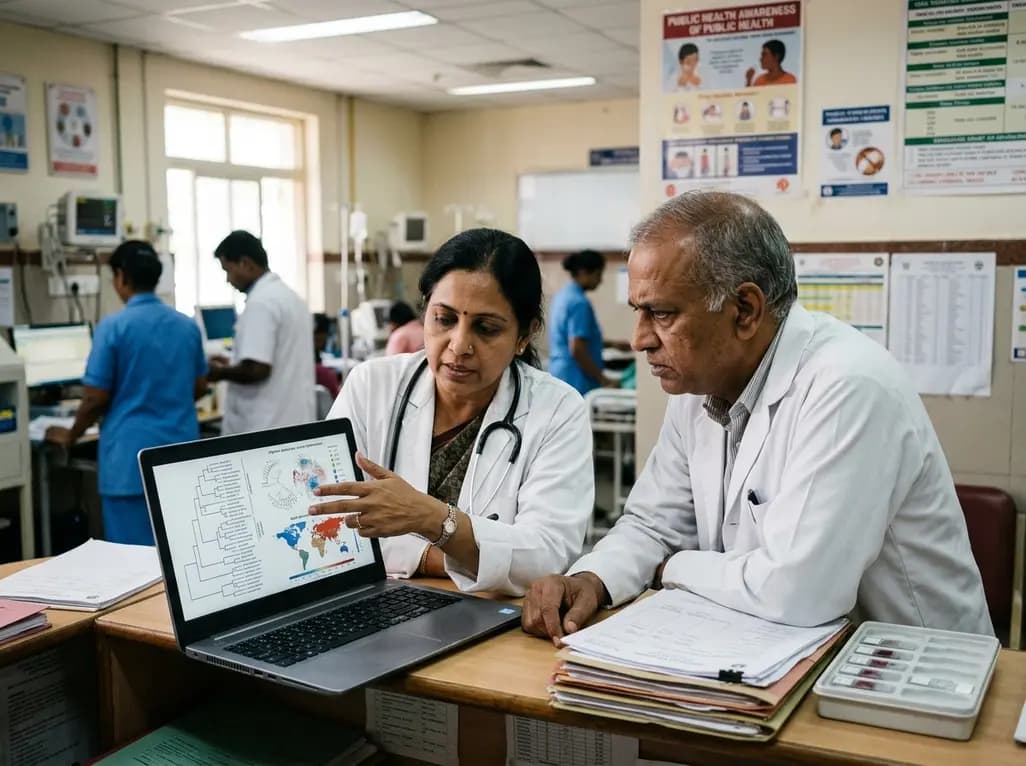
A landmark Lancet Oncology Commission reveals profound global disparities in cancer genetic testing and precision medicine. While molecular therapies expand rapidly, access remains heavily concentrated in high-income nations, leaving millions of eligible cancer patients in developing regions without care.
Today
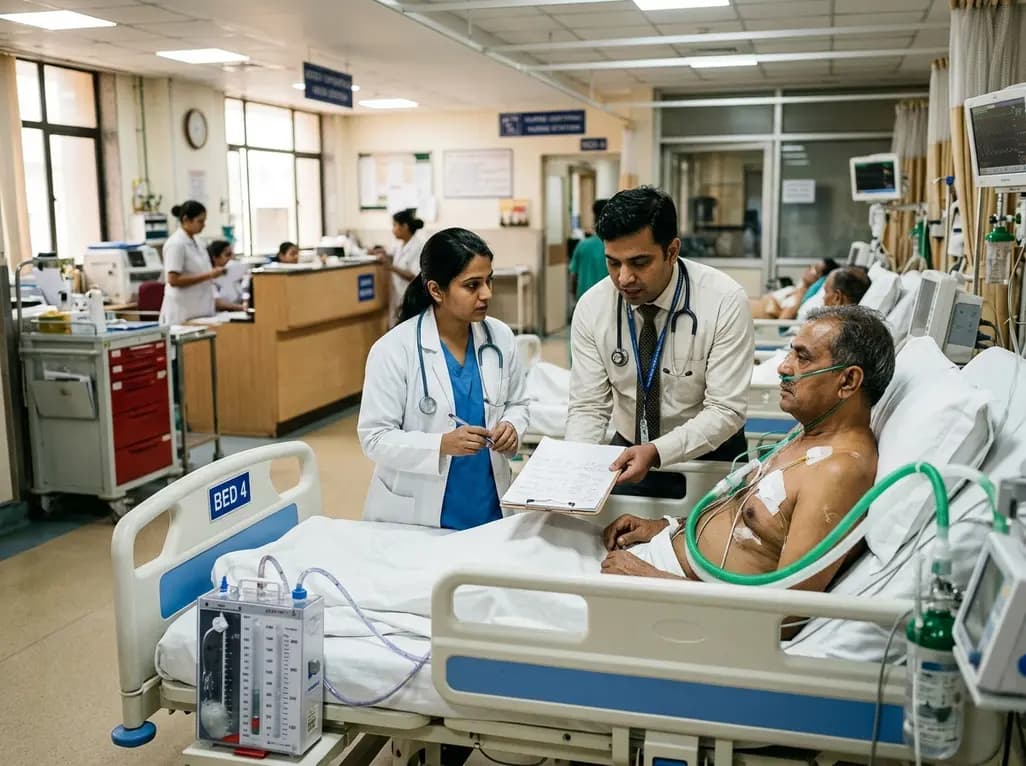
Managing refractory hypoxemia after cardiothoracic surgery becomes perilous when prolonged air leak limits positive-pressure ventilation. This case-based review details how high-flow nasal cannula, paired with awake rehabilitation, enabled successful extubation and avoided invasive re-intubation.
Today
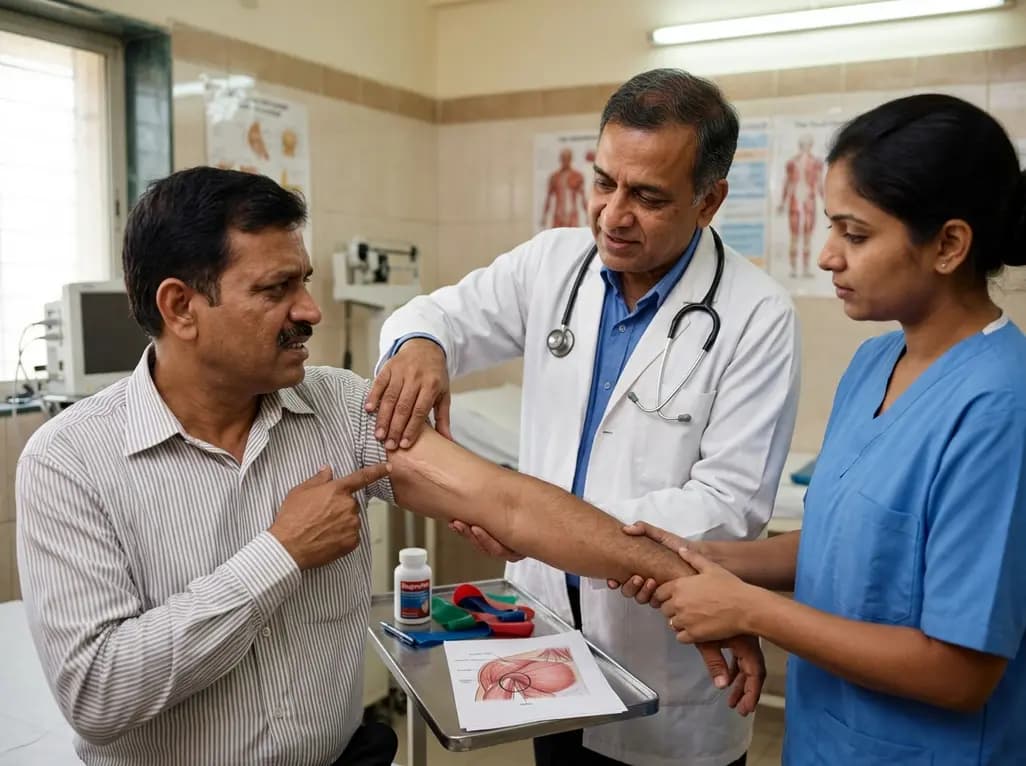
Idiopathic axillary web syndrome (IAWS) is a rare cause of shoulder pain and mobility restriction characterized by palpable axillary cording without prior surgery or trauma. Early diagnosis, nonsteroidal anti-inflammatory therapy, and physical rehabilitation lead to complete resolution of symptoms.
Today

SWEDEPAD-1 trial insights show paclitaxel-coated devices do not improve long-term limb salvage in patients with chronic limb-threatening ischemia and tissue loss. While one-year reinterventions decreased, the devices were linked to a higher risk of major amputation at three months.
Today
