.webp&w=384&q=75)

Loading, please wait...
Loading, please wait...
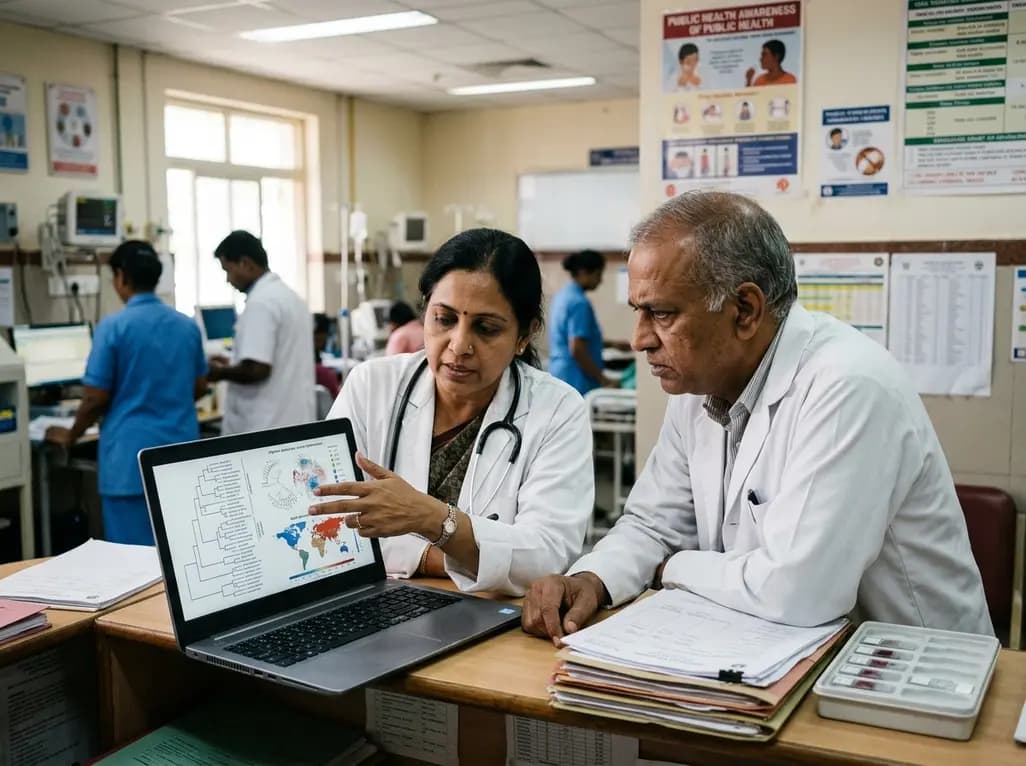
Modern precision oncology promises personalized therapies tailored to the specific genomic alterations of a patient's tumor. However, profound disparities severely restrict access to these advancements across the world. A landmark report from The Lancet Oncology Commission highlights that access to cancer genetic testing and matched targeted treatments remains profoundly unequal both between and within countries. Although genomic technologies advance rapidly, their real-world benefits fail to reach vulnerable populations. Consequently, millions of patients in low- and middle-income countries miss opportunities for life-prolonging interventions. Clinicians and policymakers worldwide must now address this growing divide to make genomic medicine equitable.
The commission identified substantial structural inequities in precision oncology research and clinical trial infrastructure. Specifically, researchers reported that low- and middle-income countries host only two per cent of biomarker-based cancer trials. In sharp contrast, high-income nations dominate the research landscape, capturing nearly 81 per cent of these clinical trials. Consequently, clinical trial evidence frequently fails to represent the genomic diversity of global populations. This geographic imbalance leaves oncologists in resource-limited settings with minimal locally relevant data.
Furthermore, the concentration of research in wealthy regions accelerates a vicious cycle of unequal access. High-income centers secure funding, advanced sequencing platforms, and cutting-edge biopharmaceutical pipelines. Meanwhile, institutions across developing nations struggle with basic laboratory supplies, unreliable diagnostic turnaround times, and prohibitive out-of-pocket costs. Because genomic datasets underrepresent populations from Asia, Africa, and Latin America, variant interpretation algorithms often misclassify unique alleles. Therefore, patients in these understudied regions face higher rates of inconclusive genetic test results. To rectify this scientific bias, international collaborative groups must decentralize oncology trials. Furthermore, global sponsors must invest directly in local clinical research sites across emerging economies.
The authors of the commission issued an urgent warning regarding what they termed a paradox of success. Rapid progress in precision oncology has expanded therapeutic options, yet it dramatically increases overall cost and healthcare complexity. In fact, these economic demands grow much faster than the measurable benefits delivered at a broad population level. Global spending on cancer medications increased by roughly 75 per cent over the past five years. Consequently, global cancer pharmaceutical expenditures reached an astounding 252 billion dollars in 2024. Projections indicate this annual expenditure could surge to 441 billion dollars by 2029.
Unfortunately, this astronomical financial trajectory threatens to bankrupt both healthcare systems and vulnerable families. In nations lacking universal health coverage, patients frequently pay for specialized diagnostics and targeted therapies out of pocket. Consequently, families encounter catastrophic health expenditures, treatment abandonment, and premature mortality. Even in high-income economies, public payers struggle to sustain reimbursement for marginally beneficial, highly expensive molecular therapies. Healthcare systems cannot simply absorb every novel therapy without rigorous health-technology assessments. Therefore, the commission insists on strategic resource allocation to ensure sustainable access. Health authorities must decouple genuine clinical utility from commercial hype to protect public health budgets.
To determine the magnitude of the global testing deficit, investigators analyzed worldwide clinical registries and surveyed national cancer programmes. Their findings revealed that between seven and eight million newly diagnosed cancer patients require standard-of-care molecular testing annually. However, actual clinical coverage remains alarmingly low, especially throughout developing countries. Without molecular profiling, oncologists cannot identify actionable driver mutations or prescribe life-saving targeted drugs.
Considerable deficits exist even for foundational, long-established biomarkers. For instance, approximately 314,000 women diagnosed with ovarian cancer each year meet international criteria for BRCA genetic testing. Regrettably, nearly half of these eligible women never receive this critical diagnostic test. This substantial shortfall stems directly from abysmal testing rates within low- and middle-income countries. As a direct consequence, thousands of eligible patients miss timely therapy with poly-ADP ribose polymerase inhibitors. In addition, their unaffected relatives lose the chance to undergo cascade screening and life-saving preventive surveillance. Pathology departments in low-resource settings routinely confront bottlenecks, including tissue sample degradation and lack of sequencing equipment. Health systems must urgently expand regional molecular pathology hubs to democratize routine molecular testing for every cancer patient.
To assist overwhelmed healthcare leaders, the commission introduced a pragmatic framework to prioritize high-value molecular tests and matched therapies. Not every molecular assay offers equal clinical utility, particularly in resource-constrained environments. Therefore, health authorities need evidence-based criteria to select tests that deliver proven survival benefits. Alongside this framework, the commission released a comprehensive system-readiness assessment tool. This specialized instrument enables hospital administrators to evaluate laboratory infrastructure, supply chains, and digital connectivity before introducing advanced diagnostics.
Equally important, the commission addressed the severe shortage of specialized medical personnel. The report outlines an actionable workforce-competency framework tailored for multidisciplinary oncology teams. Currently, many practicing clinicians and general pathologists lack adequate training in next-generation sequencing and genomic variant interpretation. Consequently, health systems must train pathologists, medical oncologists, genetic counselors, and laboratory scientists collaboratively. Furthermore, institutions require standardized operational protocols and molecular tumor boards to guide complex therapeutic decisions. Responsible data-sharing principles also play a central role in this implementation model. By establishing secure, interoperable data architectures, health organizations can share anonymized clinical-genomic data internationally. Ultimately, collaborative data sharing refines diagnostic accuracy and accelerates equitable oncology discovery across diverse ancestral groups.
The commission proposed ten core recommendations to seamlessly integrate precision oncology into national cancer control policies and universal health coverage. First and foremost, governments must recognize cancer genetic testing as an essential public health service rather than a luxury. Health ministries should integrate tier-one molecular diagnostics into essential diagnostics lists and publicly funded benefit packages. Furthermore, international financing bodies must negotiate volume-based regional procurement mechanisms to drastically reduce consumable costs.
In addition, the commission developed a phased implementation roadmap for diverse economic settings. Rather than attempting to implement complex comprehensive genomic profiling immediately, developing systems should prioritize cost-effective, high-yield single-gene assays. As laboratory capacity matures, hospitals can transition systematically to targeted multi-gene next-generation sequencing panels. Moreover, regulatory agencies must harmonize diagnostic approvals and establish rigorous quality-assurance programs across both public and private testing facilities. Meanwhile, patient advocacy groups must actively participate in policy formulation to ensure transparency and accountability. By embracing this structured, phased approach, global health authorities can dismantle financial and geographic barriers. Ultimately, every individual battling malignancy deserves an equal chance to receive precision cancer care, regardless of where they live.
Q1: Why is cancer genetic testing considered essential for modern cancer care?
Cancer genetic testing identifies specific alterations and targetable biomarkers within a patient's tumor or germline DNA. These precise molecular results guide clinicians in prescribing targeted therapies, avoiding unnecessary chemotherapeutic toxicities, and predicting clinical prognosis accurately. Furthermore, germline testing uncovers hereditary cancer predispositions, such as BRCA mutations. This enables family members to access proactive cascade screening and preventive measures. Ultimately, testing ensures patients receive the most effective, individualized therapies available.
Q2: What is the primary cause of global inequities in precision oncology?
Global inequities stem primarily from profound economic divides, inadequate laboratory infrastructure, and high diagnostic costs. Low- and middle-income nations frequently lack advanced sequencing platforms, reliable pathology supply chains, and trained bioinformaticians. Furthermore, commercial targeted therapeutics remain prohibitively expensive for public insurance formularies, forcing patients to pay out of pocket. In addition, global clinical trials overwhelmingly enroll high-income populations, leaving genomic diversity across developing nations vastly underrepresented.
Q3: How can health systems in developing countries adopt molecular testing affordably?
Health systems can adopt a phased implementation roadmap focusing on high-priority, cost-effective biomarkers first. Instead of deploying broad multi-gene sequencing immediately, institutions can implement targeted assays with proven therapeutic matches. Additionally, governments can establish centralized diagnostic hubs, pool procurement of sequencing reagents, and include vital genetic tests in essential healthcare packages. Developing regional laboratory networks and training multidisciplinary personnel further reduces unnecessary expenditures while maximizing clinical patient impact.
Disclaimer: This content is for informational and educational purposes only. It does not constitute medical advice or replace professional judgment. Refer to the latest local and national guidelines for clinical practice.
References

Read summarized clinical updates, watch expert medical content, and earn CME certifications right from your smartphone.
Open your smartphone camera to scan and install.





A landmark Lancet Oncology Commission reveals profound global disparities in cancer genetic testing and precision medicine. While molecular therapies expand rapidly, access remains heavily concentrated in high-income nations, leaving millions of eligible cancer patients in developing regions without care.
Today

A landmark cross-sectional study in Algeria and Türkiye reveals distinct age-related molecular IgE sensitization profiles between children and adults, highlighting higher house dust mite reactivity in youth and providing vital insights for precision allergen immunotherapy.
Today

Managing refractory hypoxemia after cardiothoracic surgery becomes perilous when prolonged air leak limits positive-pressure ventilation. This case-based review details how high-flow nasal cannula, paired with awake rehabilitation, enabled successful extubation and avoided invasive re-intubation.
Today
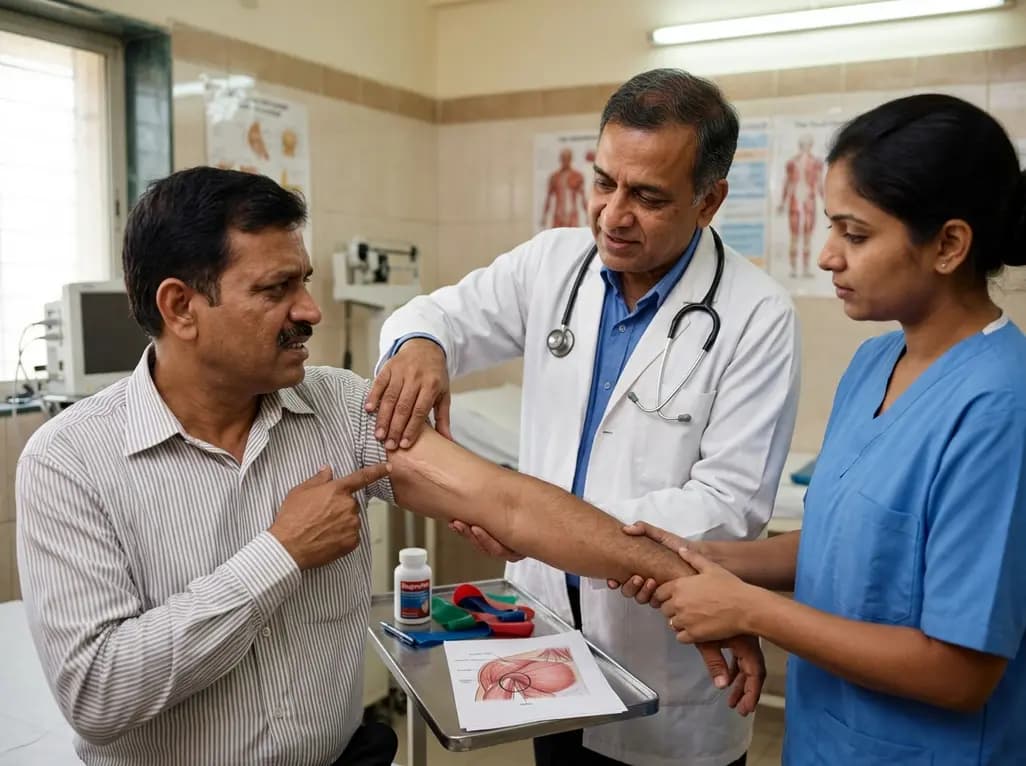
Idiopathic axillary web syndrome (IAWS) is a rare cause of shoulder pain and mobility restriction characterized by palpable axillary cording without prior surgery or trauma. Early diagnosis, nonsteroidal anti-inflammatory therapy, and physical rehabilitation lead to complete resolution of symptoms.
Today

SWEDEPAD-1 trial insights show paclitaxel-coated devices do not improve long-term limb salvage in patients with chronic limb-threatening ischemia and tissue loss. While one-year reinterventions decreased, the devices were linked to a higher risk of major amputation at three months.
Today
