.webp&w=384&q=75)

Loading, please wait...
Loading, please wait...
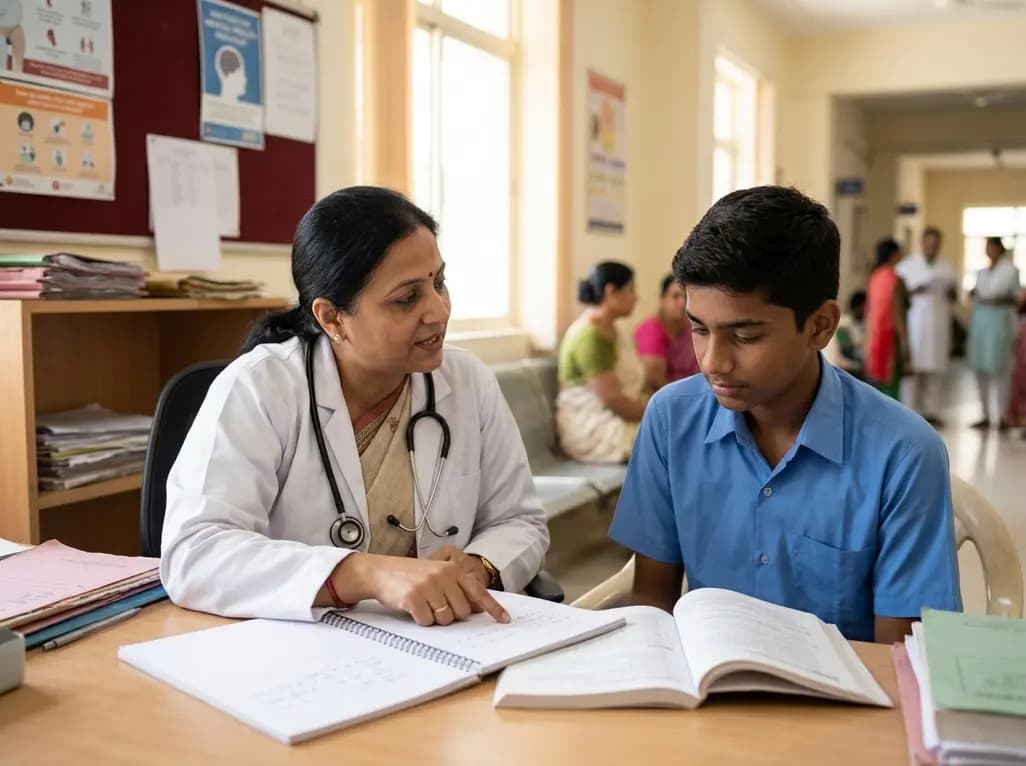
Adolescent mental health interventions have become increasingly vital in the post-pandemic era. Global health experts emphasize that the mental health gap in low-resource settings remains a significant hurdle. In regions such as Sub-Saharan Africa and South Asia, the lack of professional psychologists necessitates innovative, task-shifting approaches. This study explores the Shamiri intervention, a brief, lay-provider-delivered program designed to combat anxiety and depression in Kenyan youth. By analyzing 1,252 high school students, researchers sought to determine which specific components of the program—growth mindset, gratitude, or values—yielded the best results. Surprisingly, the trial occurred during a period of unprecedented academic strain. Following a COVID-19 school shutdown, the Kenyan government mandated that three years of curriculum be compressed into two years. This decision placed immense psychological pressure on the student population, creating a unique environment for testing various adolescent mental health interventions. Consequently, the results of this trial provide profound insights into how contextual relevance influences the success of psychological support programs. Clinicians in India should particularly note these findings, as students in our country face similar competitive academic environments and resource limitations.
The research team employed a robust 5-group randomized controlled trial (RCT) involving over 1,200 adolescents from Kenyan high schools. Participants were allocated into five distinct conditions: a growth mindset-only group, a gratitude-only group, a values-only group, the full Shamiri intervention, and an active control group focused on study skills. This experimental design allowed the researchers to isolate the effects of each psychological component. Moreover, the trial utilized longitudinal multilevel models to track outcomes across eight months. They measured anxiety, depression, and overall well-being at multiple intervals, including midpoint, endpoint, and several follow-up stages. This rigorous approach ensures that the data accurately reflects long-term psychological shifts rather than temporary fluctuations. Additionally, the inclusion of an active control group—teaching study skills—provided a high benchmark for the experimental interventions. Interestingly, the study was conducted immediately after schools reopened, which meant the participants were grappling with a massive academic workload. Therefore, the researchers could evaluate how these adolescent mental health interventions performed under high-stress conditions. The results showed that every group, including the control, demonstrated significant improvements in psychological markers over time. This finding suggests that simply providing structured support can have a therapeutic effect during crises.
The Shamiri intervention focuses on three core pillars: growth mindset, gratitude, and values affirmation. First, the growth mindset component teaches students that their abilities and intelligence can improve through effort. This concept helps reduce the self-stigma often associated with academic struggles or mental health challenges. Second, the gratitude modules encourage adolescents to acknowledge positive aspects of their lives, which helps foster resilience. Third, values affirmation allows students to identify and connect with their personal principles, providing a sense of purpose. Furthermore, these adolescent mental health interventions are delivered by lay providers—typically high school graduates with brief training. This task-shifting model is crucial for scalability in regions like Kenya or India, where the psychiatrist-to-patient ratio is often low. However, the study sought to see if combining these elements was more effective than delivering them individually. Interestingly, the full Shamiri program did not significantly outperform its individual components in this specific trial. This suggests that even brief, focused psychological exercises can provide substantial relief. Notably, the improvements in the Shamiri groups were consistent with results from trials conducted before the pandemic. Consequently, the intervention maintains its efficacy even during periods of significant societal and academic disruption.
Perhaps the most striking finding of this trial was the performance of the study-skills control group. In previous pre-pandemic studies, the Shamiri intervention typically outperformed study-skills training by a wide margin. However, in this COVID-19-era trial, the study-skills group showed a 31% greater reduction in anxiety and a 60% greater reduction in depression compared to previous benchmarks. Consequently, there were no significant differences between the psychological interventions and the active control. This shift highlights the paramount importance of contextual relevance in adolescent mental health interventions. Because the students were facing extreme pressure to complete three years of work in two, academic failure was a primary source of distress. Therefore, providing practical tools for note-taking, time management, and exam preparation directly addressed the root cause of their anxiety. In this context, study skills functioned as a powerful therapeutic tool rather than just an educational one. This result challenges the traditional hierarchy of mental health treatments, where psychological therapy is always considered superior to practical support. For clinicians, this underscores the need to assess the specific stressors in a patient's life. When academic pressure is the primary driver of symptoms, practical educational support may be as effective as specialized psychotherapy.
The findings from this Kenyan study resonate deeply with the educational landscape in India. Indian adolescents frequently experience intense academic stress due to competitive entrance exams like NEET and JEE, as well as high-stakes board examinations. Furthermore, the Indian education system also faced significant disruptions during the pandemic, leading to curriculum compression and learning gaps. These results suggest that integrating practical academic support into mental health programs could be highly beneficial for Indian students. Moreover, the success of lay-provider-delivered programs like Shamiri provides a blueprint for task-shifting in India. Programs that utilize teachers, school counselors, or even trained peers could help bridge the massive treatment gap in rural and urban areas alike. Additionally, healthcare providers should recognize that “non-therapeutic” interventions can have profound psychological benefits when they solve a patient's most pressing problems. Therefore, when a student presents with anxiety or depression related to schoolwork, a holistic approach that includes study-skills training might be more effective than therapy alone. Promoting these multifaceted adolescent mental health interventions can lead to better outcomes in school-based settings. By focusing on what the student needs most in their current environment, clinicians and educators can provide more impactful and sustainable support.
In conclusion, the Shamiri trial provides a critical lesson for the future of adolescent mental health interventions: context is king. While psychological programs like Shamiri remain effective and reliable, their relative advantage may diminish when compared to practical support that addresses immediate, high-stakes stressors. The pandemic-induced academic pressure in Kenya transformed a simple study-skills course into a potent tool for reducing anxiety and depression. Consequently, this study suggests that universal mental health programs must be flexible enough to adapt to the environmental realities of the population. Furthermore, the task-shifting model remains a robust and scalable solution for low-resource settings. Clinicians should consider a broad definition of “mental health care,” encompassing both cognitive-behavioral tools and practical life skills. As we move forward, the integration of these diverse strategies will be essential for protecting the well-being of the youth. Notably, providing students with the right tools at the right time—whether they are gratitude exercises or time-management techniques—can make all the difference in their mental health trajectory. Therefore, the focus should remain on delivering accessible, context-aware, and evidence-based support to every adolescent in need.
Study skills reduce distress by providing students with practical tools to manage academic workloads, which are often a primary source of stress. When students feel more competent and organized, their sense of self-efficacy increases. This directly alleviates the feelings of helplessness and overwhelm that characterize anxiety and depression in high-pressure school environments.
The Shamiri intervention is highly suitable because it is brief, lasting only four weeks, and is delivered by lay providers rather than expensive specialists. This task-shifting approach allows for rapid scaling in areas with few mental health professionals. Its focus on universal skills like gratitude and growth mindset makes it culturally adaptable and easy to implement.
Yes, the findings are highly applicable to India, where academic pressure is a major driver of adolescent mental health issues. The study suggests that during periods of extreme academic strain, such as preparing for board exams or entrance tests, providing practical study-skills support alongside psychological care can significantly improve mental health outcomes and well-being.
Disclaimer: This content is for informational and educational purposes only and does not constitute professional medical advice, diagnosis, or treatment. Always seek the advice of your physician or other qualified health provider with any questions you may have regarding a medical condition. Refer to the latest local and national guidelines for clinical practice.
References
1. Venturo-Conerly KE et al. Testing the Shamiri Intervention and Its Components With Kenyan Adolescents During the COVID-19 Pandemic: Outcomes of a Universal, 5-Arm Randomized Controlled Trial. J Am Acad Child Adolesc Psychiatry. 2025 Jul. doi: 10.1016/j.jaac.2024.04.015. PMID: 38851382.
2. Osborn TL et al. Effect of Shamiri Layperson-Provided Intervention vs Study Skills Control Intervention for Depression and Anxiety Symptoms in Adolescents in Kenya: A Randomized Clinical Trial. JAMA Netw Open. 2020;3(12):e2030048.
3. Patel V et al. Psychological care in low-resource settings for adolescents: the PRIDE program in India. Lancet Child Adolesc Health. 2017;1(1):52-61.
"
Read summarized clinical updates, watch expert medical content, and earn CME certifications right from your smartphone.
Open your smartphone camera to scan and install.





A large-scale RCT of 1,252 Kenyan adolescents shows that both psychological interventions like Shamiri and practical study-skills training can effectively reduce anxiety and depression, particularly when academic pressure is high, highlighting the importance of contextually relevant mental health care.
3 months ago
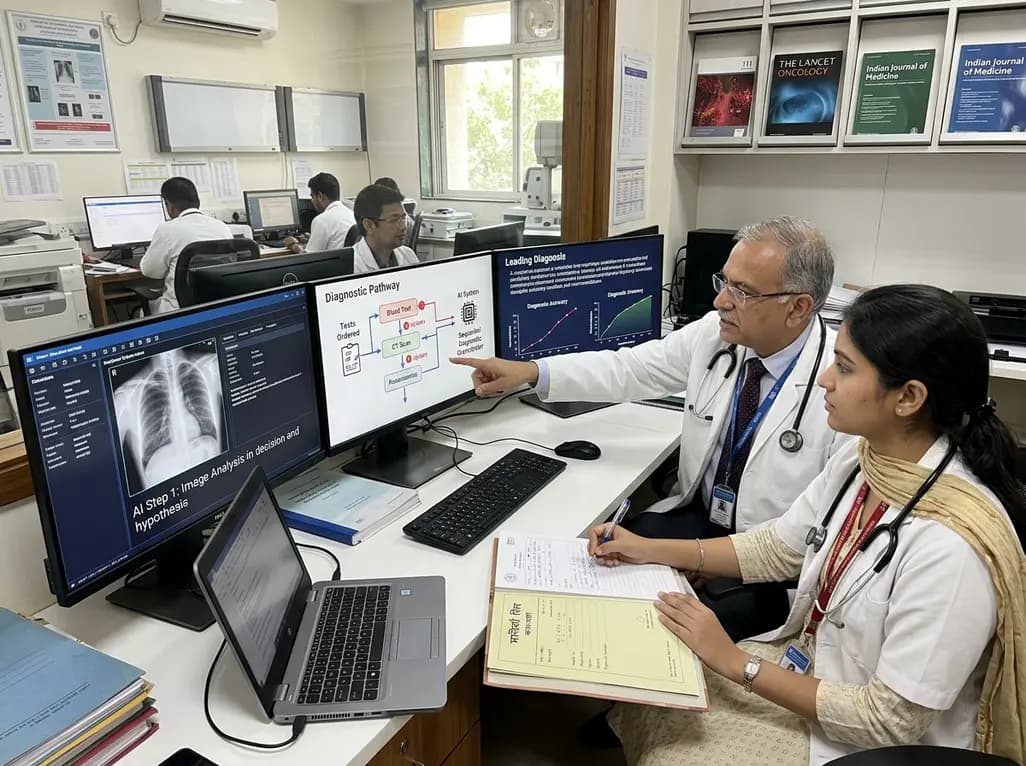
A breakthrough peer-reviewed study demonstrates that a sequential AI diagnosis system can mirror real-world clinical reasoning. By ordering stepwise tests and updating hypotheses dynamically, this multi-agent orchestrator achieved superior diagnostic accuracy while reducing investigative costs.
Today

A prenatal case highlights severe glutaric acidemia type II presenting as bilateral hyperechoic cystic kidneys at 18 weeks. Whole-exome sequencing revealed a novel homozygous ETFDH frameshift variant, demonstrating the power of rapid genetic testing in fetal renal anomalies.
Today

Review how tailored exercise programs benefit frail older patients with heart failure. Explore pathophysiological mechanisms, individualized training prescriptions, and strategies to overcome adherence barriers in clinical practice.
Yesterday

This comparative study evaluates posterior labral tears with and without glenohumeral instability, highlighting distinct demographic patterns, MRI underestimation in stable shoulders, and successful arthroscopic repair outcomes.
Yesterday

A clinical study demonstrates that early intervention with tocilizumab, either as monotherapy or bridged with corticosteroids, achieves significant proptosis reduction and resolves active inflammation in treatment-naive thyroid eye disease.
Yesterday
