.webp&w=384&q=75)

Loading, please wait...
Loading, please wait...
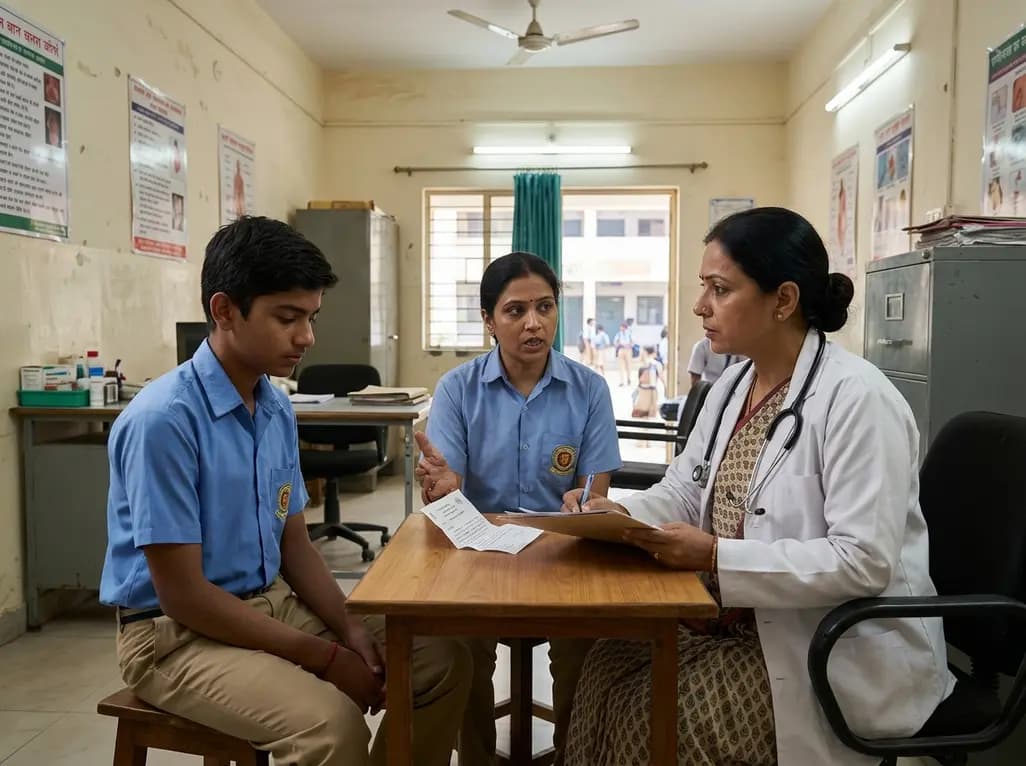
Adolescent mental health concerns are often linked to school disciplinary incidents. However, tracking these events accurately remains a challenge for clinicians. Consequently, a new study using data from the ABCD Study investigated this link. Notably, the research highlights significant discrepancies between reports from youth and caregivers. Furthermore, these differences impact how we understand the relationship between behavior and discipline.
Specifically, the study analyzed data from over 9,700 participants aged 8 to 11. It discovered that youth report a higher prevalence of infractions. Additionally, youth-reported measures showed weaker bivariate associations with prior mental health history. Conversely, caregiver reports often reflected more severe events. Thus, the choice of reporter influences observed outcomes significantly.
Furthermore, the strongest predictor for future school discipline was prior disciplinary history. In addition, this pattern remained consistent across all reporting groups. Therefore, clinicians should closely monitor students with any history of detention. Moreover, the study suggests that single-item indicators have limited precision. Consequently, practitioners should use multiple information sources for a comprehensive assessment.
Youth typically capture a broader range of school infractions. In contrast, caregivers tend to report only more severe events that require parental notification or formal documentation.
Notably, a student's prior history of discipline is the most robust predictor of future school-based actions. This factor often exceeds individual mental health scores in predictive value.
Disclaimer: This content is for informational and educational purposes only. It does not constitute medical advice or establish a doctor-patient relationship. Always seek the advice of a qualified healthcare provider for any medical condition. Refer to the latest local and national guidelines for clinical practice.
References
Thompson EL et al. Reporter Discrepancies in the Associations Between Mental Health Concerns and School Discipline. JAACAP Open. 2026 Jun undefined. doi: 10.1016/j.jaacop.2026.01.001. PMID: 42220641.
Prins S et al. Schools Often Respond to Student Health Needs with Discipline. Journal of Adolescent Health. 2021.
Child Mind Institute. Mental Health Impacts In Schools. 2024.

Read summarized clinical updates, watch expert medical content, and earn CME certifications right from your smartphone.
Open your smartphone camera to scan and install.





New data from the ABCD Study examines how discrepancies between youth and caregiver reports influence the link between mental health and school discipline....
4 months ago
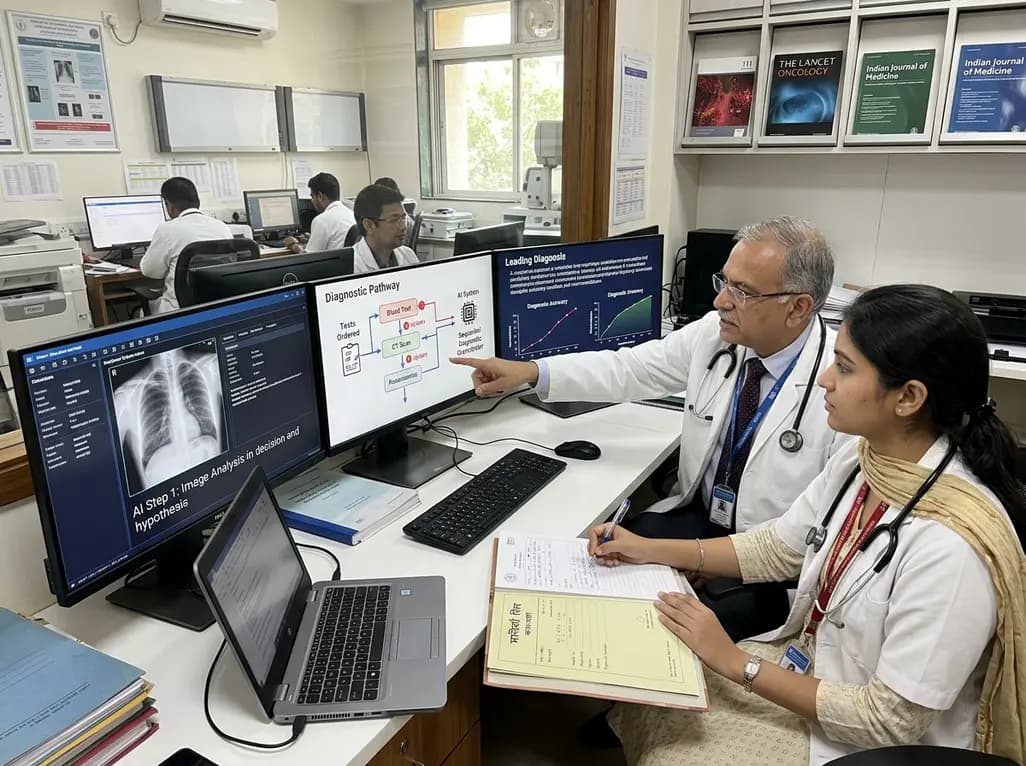
A breakthrough peer-reviewed study demonstrates that a sequential AI diagnosis system can mirror real-world clinical reasoning. By ordering stepwise tests and updating hypotheses dynamically, this multi-agent orchestrator achieved superior diagnostic accuracy while reducing investigative costs.
Today

A prenatal case highlights severe glutaric acidemia type II presenting as bilateral hyperechoic cystic kidneys at 18 weeks. Whole-exome sequencing revealed a novel homozygous ETFDH frameshift variant, demonstrating the power of rapid genetic testing in fetal renal anomalies.
Today

Review how tailored exercise programs benefit frail older patients with heart failure. Explore pathophysiological mechanisms, individualized training prescriptions, and strategies to overcome adherence barriers in clinical practice.
Yesterday

This comparative study evaluates posterior labral tears with and without glenohumeral instability, highlighting distinct demographic patterns, MRI underestimation in stable shoulders, and successful arthroscopic repair outcomes.
Yesterday

A clinical study demonstrates that early intervention with tocilizumab, either as monotherapy or bridged with corticosteroids, achieves significant proptosis reduction and resolves active inflammation in treatment-naive thyroid eye disease.
Yesterday
