.webp&w=384&q=75)

Loading, please wait...
Loading, please wait...

The prevalence of adolescent energy drink use has reached concerning levels among students and young athletes globally. A recent study conducted by Botkáné Katona Z et al. analyzed 486 high school students to understand these consumption habits better. Their research reveals that 13.4% of these adolescents consume energy drinks daily. Furthermore, another 21.4% consume them weekly. Notably, young athletes tend to start using these beverages earlier than their peers, averaging 13.42 years of age. They primarily use these stimulants to enhance athletic performance during training and competition.
The study highlights that family dynamics play a critical role in shaping these lifestyle choices. Specifically, the father’s consumption pattern significantly influences a child's regular intake. Moreover, peer influence serves as a strong predictor of frequent use among teenagers. Consequently, the age at which a child first tries an energy drink often dictates their future consumption frequency. Because athletes start earlier, they face a higher risk of long-term dependency and associated health complications. Additionally, the study noted that performance enhancement remains the leading motivation for this demographic.
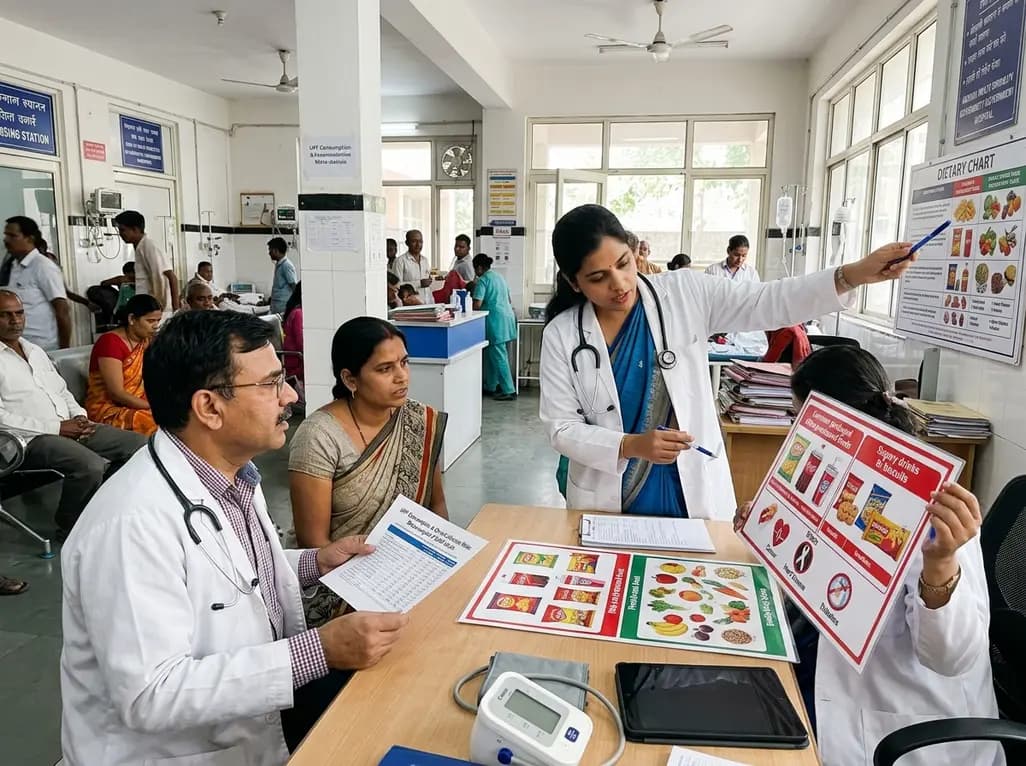
Medical professionals emphasize that these beverages pose several health risks to developing bodies. High caffeine content can lead to tachycardia, hypertension, and severe anxiety. Furthermore, the Indian Academy of Pediatrics (IAP) classifies energy drinks under "JUNCS" foods, which doctors should advise families to avoid. Unlike sports drinks that replenish electrolytes and carbohydrates lost during exercise, energy drinks contain stimulants that can lead to significant dehydration. Therefore, identifying these patterns early is essential for effective prevention. Similarly, excessive sugar intake from these drinks contributes to metabolic disorders and dental erosion.
Doctors should screen young patients for caffeine intake during routine check-ups and sports physicals. Educators and parents must also understand the distinction between hydration-focused sports drinks and stimulant-heavy energy drinks. Because many adolescents view these as harmless performance enhancers, targeted counseling is necessary. In addition, promoting healthy family habits can reduce the likelihood of early initiation. Healthcare providers must advocate for stricter adherence to pediatric guidelines to mitigate the long-term cardiovascular and neurological impacts of early stimulant exposure.
No, medical organizations like the AAP and IAP recommend that children and adolescents avoid energy drinks entirely. The high levels of caffeine and other stimulants can cause heart arrhythmias, interfere with sleep, and increase anxiety.
Sports drinks contain electrolytes and carbohydrates to aid rehydration after vigorous, long-duration exercise. In contrast, energy drinks contain stimulants like caffeine, taurine, and guarana, which provide a temporary energy surge but can actually cause dehydration.
Disclaimer: This content is for informational and educational purposes only. It is not intended as a substitute for professional medical advice, diagnosis, or treatment. Always seek the advice of your physician or other qualified health provider with any questions you may have regarding a medical condition. Refer to the latest local and national guidelines for clinical practice.
References
Botkáné Katona Z et al. [Use of energy drinks among young athletes and non-athletes]. Orv Hetil. 2026 May 24. doi: 10.1556/650.2026.33535. PMID: 42177755.
Gupta P et al. Indian Academy of Pediatrics Guidelines on the Fast and Junk Foods, Sugar Sweetened Beverages, and Energy Drinks. Indian Pediatr. 2019;56(9):771-780.
Committee on Nutrition and the Council on Sports Medicine and Fitness. Sports drinks and energy drinks for children and adolescents: are they appropriate? Pediatrics. 2011;127(6):1182-1189.

Read summarized clinical updates, watch expert medical content, and earn CME certifications right from your smartphone.
Open your smartphone camera to scan and install.





A study of 486 students reveals high adolescent energy drink use, with athletes starting earlier and consumption being heavily influenced by family patterns...
3 months ago

A metataxonomic study reveals distinct gut bacteriome biomarkers in type 2 diabetes, obesity, and cardiovascular complications, identifying specific bacterial shifts that pave the way for precision metabolic medicine.
Today

Researchers have engineered HER2-targeted AIE nanotheranostics to overcome SHR-A1811 resistance in breast cancer. By inducing immunogenic pyroptosis and reprogramming tumor-associated macrophages, this multimodal nanoplatform achieves near-complete tumor regression in refractory preclinical models.
Today

A global dose-response meta-analysis of 8.8 million adults reveals that consuming an extra 100 grams of processed food daily raises cardiovascular event risk by 14%. Explore how industrial additives, systemic inflammation, and metabolic disruption heighten long-term multimorbidity and cardiometabolic risks.
Today

A psychometric validation study confirms that the Turkish Copenhagen Hip and Groin Outcome Score (HAGOS-T) offers excellent reliability, construct validity, and interpretability for patients with hip osteoarthritis, providing clinicians with a robust tool for functional assessment.
Today
A landmark dose-response meta-analysis of 8.8 million adults reveals that high ultra-processed food intake significantly elevates risks for cardiovascular disease, cancer, diabetes, depression, and all-cause mortality, highlighting urgent needs for clinical lifestyle interventions.
Today
