.webp&w=384&q=75)

Loading, please wait...
Loading, please wait...

Adolescent mental health has emerged as a significant public health priority following extensive global disruptions. Pediatricians, general practitioners, and psychiatrists routinely manage young individuals who present with emotional distress, behavioral regression, and academic difficulties. A rigorous cross-sectional investigation evaluated the prevalence of adolescent depression and anxiety among middle and high school students in Bermuda. The study analyzed 2,526 adolescents aged 10 to 18 years across 15 educational institutions. By assessing clinical presentations with validated screening instruments, the researchers identified substantial psychiatric morbidity. These findings emphasize an urgent necessity for targeted clinical screening, early therapeutic support, and resilient mental health infrastructure.
The investigation demonstrated high rates of affective disorders among school-going youth. Specifically, 31.3% of surveyed students screened positive for moderate to severe depressive symptoms on the 8-item Patient Health Questionnaire. In addition, 25.2% of participants reported moderate to severe generalized anxiety symptoms on the Generalized Anxiety Disorder 7-item scale. These figures markedly exceed post-pandemic global averages, illustrating an alarming psychological burden. Furthermore, the investigators observed that 65.6% of adolescents with moderate to severe depression experienced concurrent moderate to severe anxiety. This striking degree of comorbidity underscores that isolated mood disturbance rarely occurs in clinical isolation. Consequently, primary care physicians must remain vigilant when evaluating youth presenting with persistent irritability, panic, or chronic apprehension. Because common mental disorders frequently begin during early adolescence, accurate epidemiological mapping provides crucial baseline data. Early detection prevents symptom chronicity into adulthood, reducing long-term morbidity and preserving functional capacity across key developmental stages.
The study demonstrated clear disparities in psychiatric symptom expression across age groups and biological sexes. Older adolescents experienced significantly higher rates of both depressive and anxiety symptoms than younger peers. As students advance into higher academic grades, escalating scholastic pressures, identity development, and changing peer environments likely amplify vulnerability. Similarly, biological sex emerged as a potent determinant of symptom severity. Female adolescents consistently reported higher rates of moderate to severe depression and anxiety compared to male peers. Biopsychosocial transitions during puberty, endocrine changes, and gender-differentiated social stress likely explain these notable differences. Additionally, adolescent girls frequently internalize emotional distress, whereas boys often externalize difficulties through conduct changes or substance experimentation. Consequently, healthcare practitioners should incorporate gender-sensitive clinical assessments during routine adolescent consultations. Proactive screening allows physicians to identify concealed emotional suffering before somatic complaints emerge.
Racial identity showed nuanced associations with mental health outcomes across the study cohort. Specifically, adolescents identifying as Black or belonging to minority racial backgrounds reported significantly higher rates of moderate to severe depressive symptoms. Conversely, participants who did not identify as racial minorities exhibited higher rates of moderate to severe anxiety symptoms. These divergent patterns reflect complex sociocultural pressures, minority stress, and structural inequities that shape psychological responses among youth. Furthermore, systemic socioeconomic disparities frequently alter access to timely psychiatric resources. Minoritized adolescents may experience heightened cultural stigma regarding emotional vulnerability, which hinders early help-seeking from counselors or family physicians. In contrast, youth in other demographic strata may encounter distinct competitive academic and social pressures that fuel performance anxiety. Healthcare systems therefore require culturally sensitive frameworks that address these varied symptom profiles. Clinicians must recognize how structural determinants influence clinical presentations to optimize therapeutic engagement.
Psychiatric symptoms in this cohort caused widespread disruption in everyday life. The investigators evaluated impairment across vital functional domains, including daily activities, academic obligations, and personal relationships. Overall, 22.6% of participants with depressive symptoms and 19.1% with anxiety symptoms experienced significant functional impairment. This impairment manifested as deteriorating academic performance, frequent school absenteeism, social withdrawal, and strained family interactions. Furthermore, concurrent anxiety markedly amplified functional disability among depressed adolescents. When adolescents experience persistent low mood alongside autonomic hyperarousal, psychological coping reserves diminish rapidly. Consequently, routine daily responsibilities feel unmanageable, leading to severe avoidance behaviors and demoralization. Untreated adolescent mood disorders also elevate long-term risks for self-harm and cognitive difficulties. Clinicians must therefore look beyond arbitrary psychometric scores. Evaluating real-world functional impairment offers critical prognostic clarity and guides individualized therapeutic planning.
The observations from Bermuda reflect broader psychiatric trends observed among adolescents worldwide, including across South Asia. In India, pediatricians and family physicians encounter substantial surges in adolescent psychological distress driven by academic competition, rapid urbanization, and extensive digital screen exposure. Recent Indian school-based surveys similarly demonstrate that emotional disorders affect a substantial proportion of secondary school students. Just as observed in Bermuda, Indian female adolescents and older teens bear a disproportionate burden of internalizing disorders. Moreover, pervasive social stigma often delays clinical presentation until functional impairment becomes severe. Healthcare practitioners in India must integrate validated screening tools like the PHQ-9 and GAD-7 into routine pediatric and outpatient visits. Developing collaborative models that connect primary care physicians with psychologists and school counselors can bridge the gap in specialized mental health services. Proactive intervention at the primary care level ensures timely and equitable support for vulnerable youth.
Effective management of adolescent mood disorders requires systematic screening protocols and multi-tiered clinical interventions. Primary care providers should routinely administer brief, validated screening tools during annual checkups and school health evaluations. Standardized psychometric tools identify subthreshold and emerging symptoms long before severe functional deterioration develops. Furthermore, educational institutions represent optimal environments for delivering mental health literacy initiatives, stress-reduction workshops, and peer-support programs. When schools establish formalized referral pathways to medical providers, clinical evaluation occurs promptly. Healthcare professionals should utilize tiered management approaches, beginning with cognitive behavioral therapy and lifestyle counseling for mild cases. In moderate to severe presentations, physicians may consider evidence-based pharmacotherapy alongside structured psychotherapy. In addition, health authorities must formulate supportive public health policies that guarantee accessible psychiatric services. Investing in youth mental health infrastructure safeguards future societal wellbeing and clinical outcomes.
Clinicians utilize validated self-report instruments such as the Patient Health Questionnaire and the Generalized Anxiety Disorder scale during routine consultations. When screening scores indicate moderate to severe symptoms, physicians conduct comprehensive clinical interviews. They evaluate symptom duration, functional impairment across school and family life, and safety concerns, including suicidal ideation.
Female adolescents experience complex neuroendocrine shifts during puberty that increase biological vulnerability to affective disturbances. Furthermore, societal pressures, gender-based expectations, and differential coping styles play substantial roles. Adolescent girls more frequently internalize psychological stress and report subjective emotional difficulties, whereas boys often externalize distress through behavioral disruption or substance use.
When screening reveals concurrent depression and anxiety, clinicians must prioritize an immediate risk assessment for safety and self-harm. Healthcare providers should establish an integrated multidisciplinary treatment plan incorporating evidence-based cognitive behavioral psychotherapy. In severe situations, physicians consider cautious pharmacological therapy alongside psychotherapeutic support, while engaging family members in ongoing care.
Disclaimer: This content is for informational and educational purposes only and should not be considered as professional medical advice. Always seek the advice of a qualified healthcare provider regarding a medical condition. Do not disregard professional medical advice or delay seeking it because of something you have read here. The views expressed are those of the authors and do not necessarily represent the views of any institution. Refer to the latest local and national guidelines for clinical practice.
References

Read summarized clinical updates, watch expert medical content, and earn CME certifications right from your smartphone.
Open your smartphone camera to scan and install.





A cross-sectional study in Bermuda identifies alarming rates of depression (31.3%) and anxiety (25.2%) among adolescents, marked by high comorbidity and functional impairment. Older age, female gender, and racial factors significantly influence risk, highlighting the need for proactive pediatric screening.
Today

A new systematic review protocol evaluates how virtual reality immersion levels and game formats—serious versus commercial—influence upper limb functional recovery after stroke, examining motor outcomes and adherence across acute and chronic stages.
Today
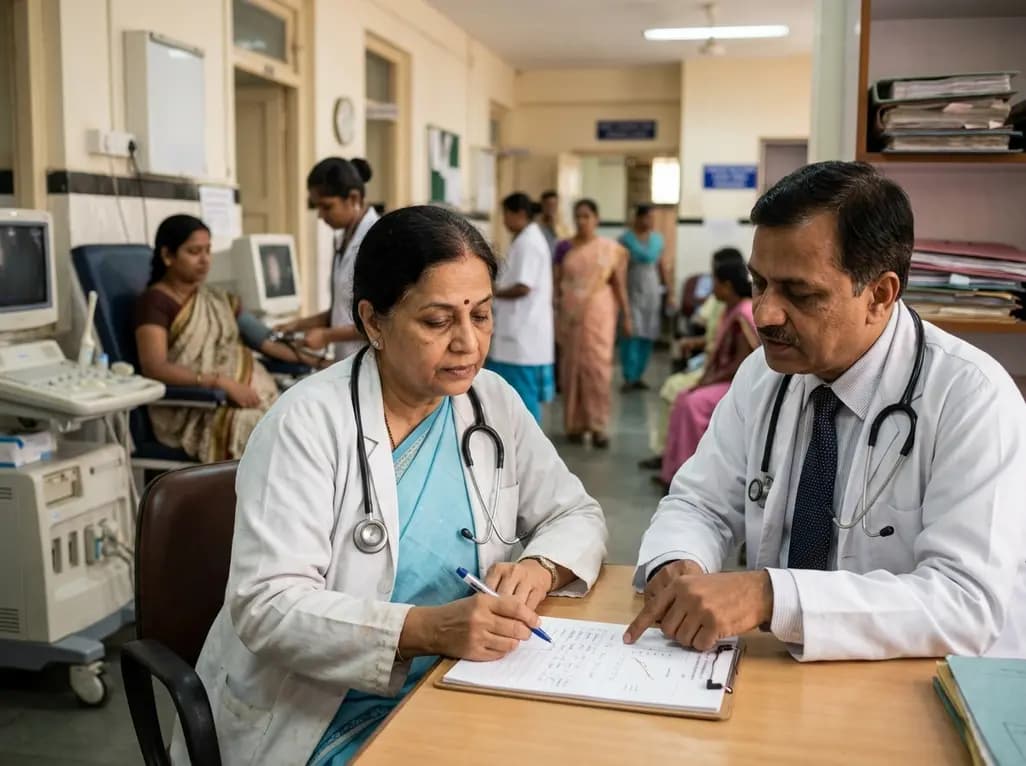
A cross-sectional study of over 33 million US live births from 2016 through 2024 reveals a 74% increase in hypertensive disorders of pregnancy. This clinical overview explores demographic drivers, maternal-fetal outcomes, and essential preventive strategies for obstetric practice.
Today
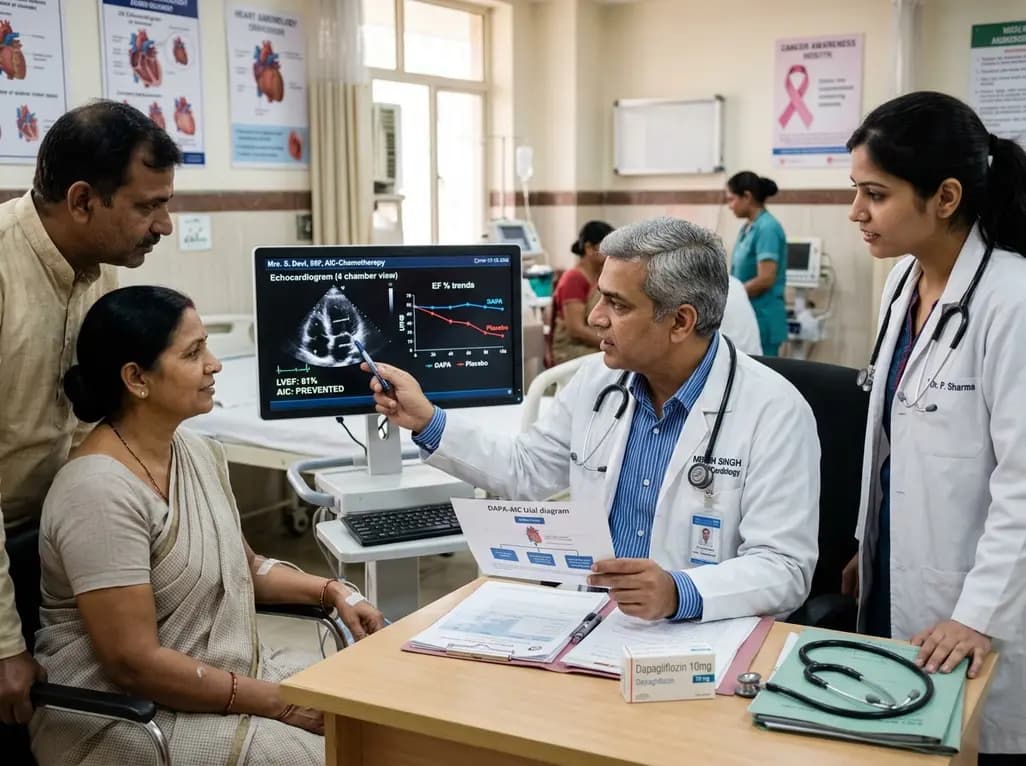
The phase II DAPA-AIC trial demonstrates that dapagliflozin 10 mg daily significantly preserves left ventricular ejection fraction compared to placebo over four months in adults undergoing anthracycline chemotherapy, highlighting a potential preventive strategy in cardio-oncology.
Today
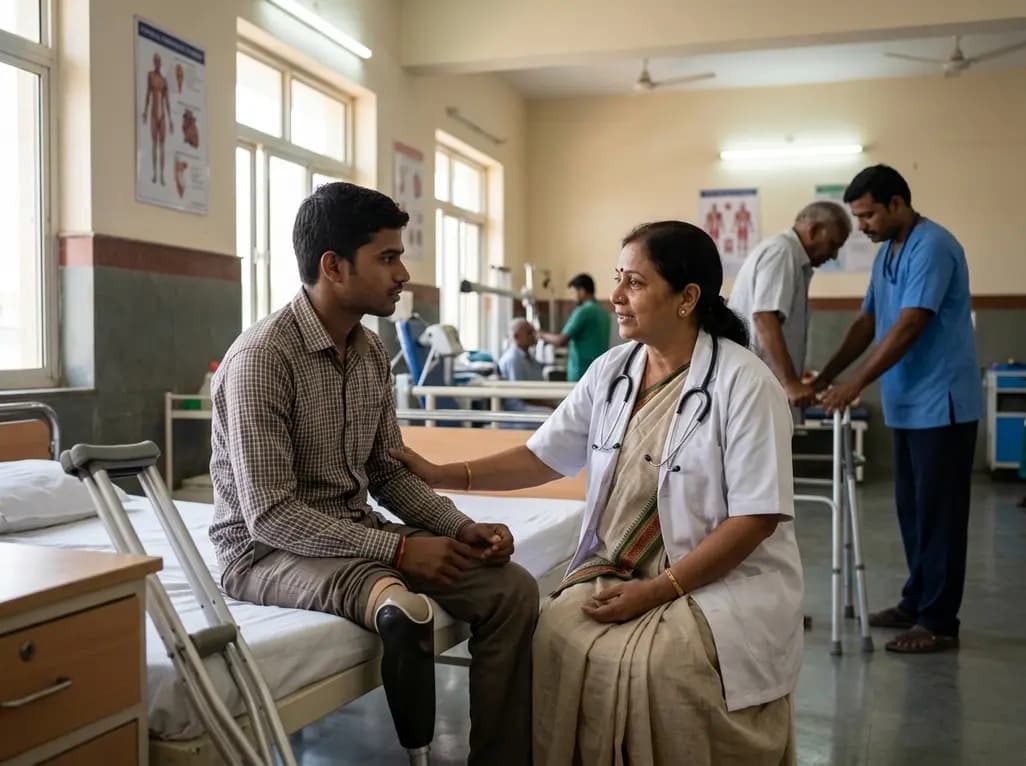
A scoping review reveals severe gaps in long-term assistive technology provision following humanitarian emergencies. Addressing post-disaster rehabilitation requires systematic follow-up, workforce training, and integration into national health systems to sustain mobility and recovery.
Today
A randomized controlled trial investigated whether virtual reality thyroid biopsy reduces procedural pain, anxiety, and fear. While adjusted analyses showed modest pain reduction, unadjusted differences remained statistically insignificant, highlighting the need for larger confirmatory trials.
Today
