.webp&w=384&q=75)

Loading, please wait...
Loading, please wait...

Depression among youth represents a mounting public health priority worldwide. Clinicians frequently encounter adolescent anhedonia during routine clinical evaluations, which manifests as a marked reduction in the capacity to experience pleasure. Although traditional models emphasize negative cognitive biases, emerging evidence highlights deficits in positive affective processing. Specifically, youth who struggle to generate vivid mental projections of future positive events show higher vulnerability to emotional distress. Understanding how autobiographical cognition interacts with hedonic capacity allows medical professionals to identify high-risk adolescents before formal psychopathology emerges.
Episodic future thinking refers to the cognitive capacity to mentally project oneself into hypothetical future scenarios. Consequently, this forward-looking ability relies heavily on autobiographical memory systems that store past experiences. When adolescents contemplate forthcoming events, they reconstruct memories to assemble novel scenes. Recent investigations demonstrate that cognitive characteristics, such as visual specificity, contextual detail, and mental imagery, determine how vividly a person envisions the future. Therefore, disturbances in these autobiographical mechanisms blunt positive emotional expectations. In clinical practice, adolescents with depressive tendencies often recall past episodes in vague, overgeneral terms. Furthermore, this overgeneral retrieval impairs their ability to simulate specific positive future encounters. When mental simulation lacks rich sensory detail, future events fail to evoke genuine excitement. As a result, youths lose the intrinsic motivation to pursue rewarding social or academic experiences. Recognizing these subtle cognitive disruptions enables physicians to assess emotional vulnerabilities before significant social withdrawal develops.
To evaluate these mechanisms systematically, researchers conducted a cross-sectional study evaluating a community sample of 149 adolescents with an average age of 13 years. The investigators administered the Episodic Future Thinking Test alongside the Autobiographical Memory Test to objectively measure specificity and detail. Additionally, participants completed validated self-report scales measuring depressive symptoms, resilience, and hedonic capacity. Notably, the study distinguished between anticipatory pleasure, which is the excitement felt ahead of a reward, and consummatory pleasure. When analyzing adolescent anhedonia, the researchers observed that deficits in anticipated pleasure accounted for unique variance across the cohort. While autobiographical memory characteristics contributed to overall cognitive functioning, episodic future thinking exerted a far more dominant influence on hedonic tone. Specifically, adolescents who struggled to project positive emotions into future scenarios exhibited significantly higher levels of anhedonia. These findings indicate that future-oriented simulations act as critical drivers of positive affective balance during early adolescence.
The ability to anticipate future pleasure depends directly on the quality of internal mental imagery. In the investigation, anticipated pleasure, vivid imagery, and subjective detail consistently served as independent predictors of anticipatory pleasure. When youths create vivid mental images of upcoming achievements, their nervous system generates proactive dopamine release. Conversely, when future thoughts remain abstract or hazy, anticipated rewards lose emotional significance. Consequently, adolescents experience diminished drive to engage in developmental tasks. Moreover, this cognitive deficit creates a persistent barrier against optimistic reward seeking. Mental imagery functions as an internal emotional amplifier in developing brains. Therefore, adolescents who construct detailed visual scenes naturally maintain stronger positive expectations. In contrast, those with impoverished imagery remain trapped in emotional indifference. For pediatricians and child psychiatrists, assessing an adolescent's capacity to describe upcoming happy occasions offers valuable diagnostic insight into underlying motivational deficits.
Resilience represents an essential developmental buffer that protects adolescents against environmental stress and mood disorders. Interestingly, the study revealed that lower levels of anhedonia fully mediated the positive relationship between anticipated pleasure and resilience. Hence, the capacity to imagine enjoyable future events does not boost resilience through abstract optimism alone. Instead, anticipated pleasure actively curbs anhedonia, which in turn reinforces coping capacity. When adolescents anticipate positive experiences, they navigate daily stressors with greater cognitive flexibility. Additionally, they recover faster from acute academic and interpersonal conflicts. Conversely, persistent anhedonia strips youths of psychological stamina, leaving them vulnerable to clinical depression. Therefore, targeting hedonic capacity provides a potent mechanism to bolster psychological fortitude. Because adolescence involves rapid neurodevelopment, strengthening hedonic pathways during this window can alter long-term psychiatric trajectories. Clinicians must recognize that preserving positive emotional anticipation protects overall psychological resilience throughout adolescent transitions.
These empirical insights carry significant practical implications for child psychiatry, pediatrics, and family medicine. Standard cognitive behavioral interventions frequently focus on downregulating negative thoughts. However, addressing positive affect deficits requires proactive stimulation of reward circuits. Clinicians can actively integrate episodic future thinking exercises into early interventions. For instance, therapists can train youths to visualize upcoming pleasant experiences with concrete sensory details, including sounds, sights, and feelings. Furthermore, primary care physicians can screen for adolescent anhedonia by asking simple questions regarding upcoming weekend plans or personal milestones. If a patient expresses indifference or fails to provide detail, targeted psychological support should follow promptly. Encouraging rich mental imagery enhances positive affect and prevents progressive depressive withdrawal. Ultimately, strengthening episodic future thinking represents a practical, modifiable target to protect mental health in young individuals.
Anticipatory pleasure involves the excitement and positive emotion experienced when looking forward to an upcoming rewarding event. In contrast, consummatory pleasure represents the direct enjoyment experienced while participating in the rewarding activity itself. Research shows that adolescent anhedonia primarily compromises anticipatory pleasure, thereby impairing motivation and future planning.
Adolescence involves rapid brain maturation, during which frontostriatal circuits develop to regulate long-term goal planning and reward processing. Episodic future thinking enables teenagers to simulate future scenarios, evaluate potential consequences, and experience positive anticipation. Deficits in this mechanism hinder motivation, weaken emotional resilience, and elevate the risk of mood disorders.
Clinicians can ask young patients to describe a specific positive event planned for the near future. Practitioners should evaluate whether the patient provides sensory detail, shows emotional engagement, and expresses anticipated enjoyment. An inability to generate specific, emotionally vibrant future projections often indicates underlying anhedonic vulnerability requiring targeted psychosocial intervention.
Disclaimer: This content is for informational and educational purposes only... Refer to the latest local and national guidelines for clinical practice.
References
Bogaert L et al. Associations between autobiographical characteristics of past and future events, anhedonia and anticipatory pleasure: a cross-sectional study in a community sample of adolescents. Memory. 2026 Oct 14. doi: 10.1080/09658211.2026.2746740. PMID: 42870776.
Hallford DJ et al. Episodic future thinking and depression: A meta-analysis. Cognit Ther Res. 2018;42(5):609-626.
Craske MG et al. Positive affect treatment for depression and anxiety: A randomized clinical trial. Depress Anxiety. 2019;36(8):749-759.

Read summarized clinical updates, watch expert medical content, and earn CME certifications right from your smartphone.
Open your smartphone camera to scan and install.





A cross-sectional study in adolescents reveals that episodic future thinking, mental imagery, and anticipatory pleasure strongly predict adolescent anhedonia. Lower anhedonia mediates emotional resilience, offering fresh cognitive targets for youth depression prevention.
Today
A study shows that the aggregate index of systemic inflammation (AISI) significantly associates with elevated myocardial injury markers, including cardiac troponin T and CK-MB, in patients with coronary heart disease, highlighting its potential utility for cardiovascular risk stratification.
Today
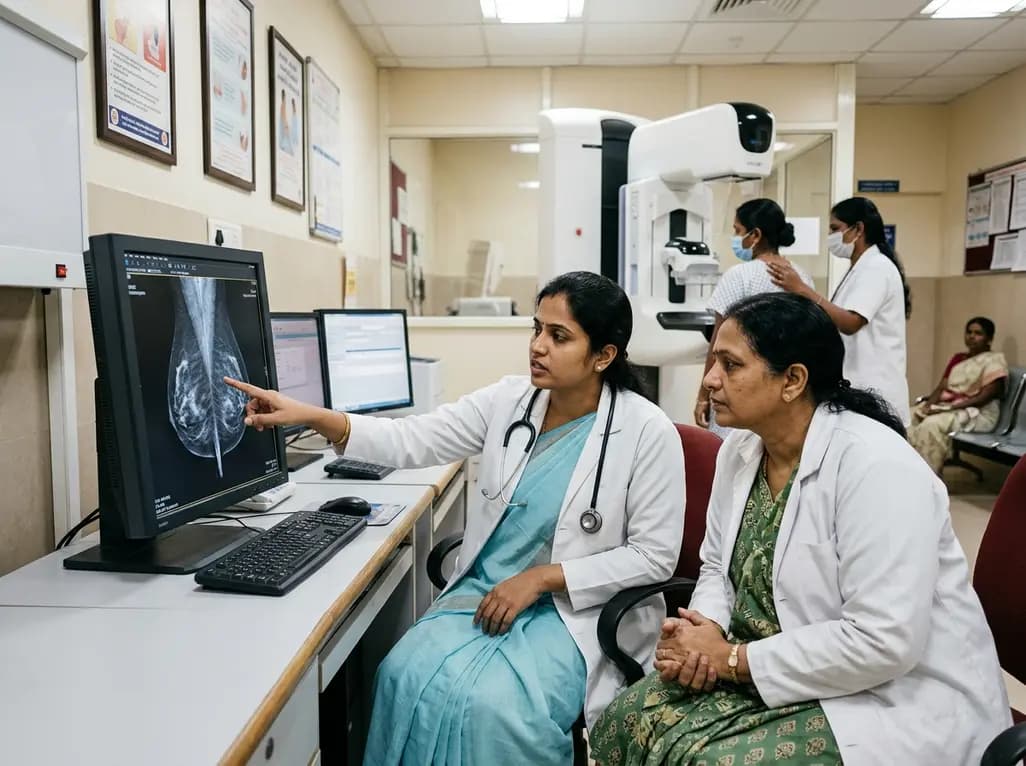
India faces an escalating breast cancer burden marked by late diagnosis and elevated mortality. Shifting from reliance on physical exams to an organized, AI-assisted mammography screening protocol can detect malignancies early, bridge urban-rural disparities, and improve patient survival outcomes across the nation.
Today

A retrospective study reveals that adults with congenital heart disease have significant deficits in peripheral muscle mass and handgrip strength compared to healthy peers. Greater lesion complexity exacerbates muscle loss, demonstrating the need for comprehensive nutritional and muscular assessments beyond standard BMI.
Today

The state government is deploying helicopter emergency medical services across the Mumbai-Pune Expressway, Samruddhi Mahamarg, and Mumbai-Goa Highway. This initiative establishes unified standard operating procedures to enable rapid triage, advanced prehospital resuscitation, and seamless trauma care transfers.
Today
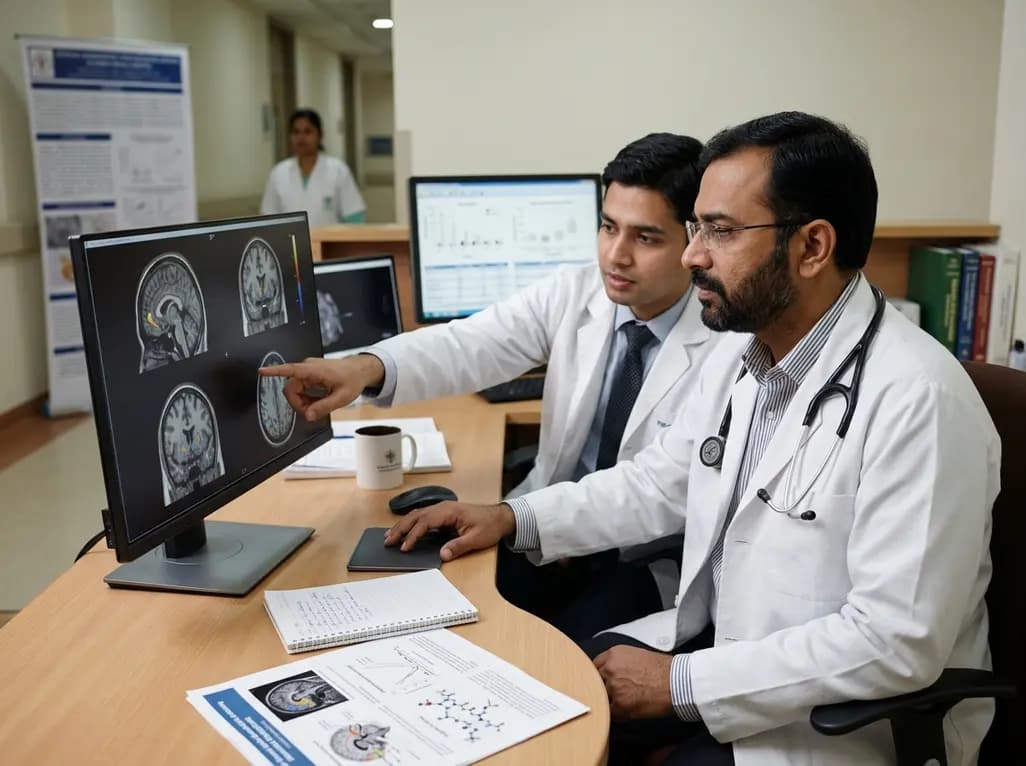
A systematic review of 66 preclinical studies reveals that GLP-1 mono-agonists modulate central reward processing. These findings demonstrate significant reductions in palatable food intake, substance self-administration, and compulsive behaviors, offering novel neurobiological targets for neuropsychiatry.
Today
