

Loading, please wait...
Loading, please wait...

Prescription rates for attention-deficit/hyperactivity disorder have surged substantially across adult populations globally. Consequently, obstetricians and psychiatrists frequently face challenging decisions regarding whether to continue ADHD medications in pregnancy. Historically, clinicians possessed limited safety evidence regarding antenatal stimulant and non-stimulant pharmacotherapy. This clinical uncertainty often prompted mothers to abruptly discontinue essential treatments during pregnancy. Fortunately, a rigorous population-based cohort study and meta-analysis published in Molecular Psychiatry provides robust reassurance. Researchers evaluated whether in utero exposure to methylphenidate, amphetamines, or atomoxetine increases long-term neurodevelopmental risks in offspring. The primary analysis demonstrated that fetal exposure did not increase the incidence of any neurodevelopmental disorder. Furthermore, specific outcomes such as autism spectrum disorder and attention-deficit/hyperactivity disorder showed no statistically significant elevated hazard. These findings supply crucial clarity for maternal-fetal medicine teams, primary care physicians, and expectant families navigating perinatal psychiatric care.
The investigators extracted comprehensive medical data from Swedish national health registers covering 861,650 children born between 2008 and 2017. Specifically, the study identified 2,257 children exposed to ADHD pharmacotherapy during gestation. To minimize confounding by maternal disease severity, researchers selected an active comparison cohort. They systematically compared exposed children with 3,917 unexposed children whose mothers had discontinued ADHD medications prior to conception. In addition, the team tracked outcomes starting at age three to ensure sufficient time for developmental diagnostic ascertainment. Using Cox proportional hazards regression models, researchers adjusted for comprehensive maternal sociodemographic parameters and co-occurring psychiatric conditions. Moreover, the statistical framework meticulously controlled for concurrent psychotropic medications, including antidepressants, antipsychotics, and anxiolytics. Therefore, this robust methodology effectively isolated pharmacologic exposure from maternal baseline psychopathology, providing reliable estimates for reproductive health clinicians.
The adjusted hazard ratio for any offspring neurodevelopmental disorder was 0.95 with a 95% confidence interval between 0.82 and 1.11. Similarly, the hazard ratio for an offspring ADHD diagnosis was 0.92, indicating no elevated risk from antenatal treatment. For autism spectrum disorder, the adjusted hazard ratio remained completely non-significant at 0.86 with a confidence interval of 0.63 to 1.18. Furthermore, secondary stratification analyses confirmed stable risk estimates regardless of specific gestational trimester exposure. Researchers observed consistent safety patterns across varying durations of treatment throughout pregnancy. Importantly, the analysis examined distinct pharmaceutical agents separately and found no harmful signals for methylphenidate, amphetamines, or atomoxetine. To consolidate global evidence, the authors pooled these Swedish data with a previous Danish cohort in a meta-analysis. Consequently, the combined pooled hazard ratio for any developmental disorder was 1.00, confirming the complete absence of heightened risk.
Observational pharmacoepidemiology frequently contends with confounding by indication and shared familial inheritance. Because ADHD exhibits high heritability, genetic liability strongly influences neurodevelopmental traits in offspring. In previous studies, unadjusted models occasionally indicated elevated diagnostic rates among children born to affected mothers. However, those apparent elevations stemmed from parental genetics and environmental characteristics rather than pharmacotherapy itself. To eliminate shared genetic and home environment confounders, the researchers executed within-family sibling comparison analyses. These discordant sibling comparisons substantiated the primary findings, demonstrating no discordant risk increases within sibling pairs. In addition, negative control analyses confirmed that maternal medication continuation did not trigger adverse developmental paths. Thus, the rigorous elimination of genetic and familial biases provides definitive evidence that in utero exposure does not inherently disrupt fetal neurodevelopment.
Discontinuing psychiatric medication during pregnancy carries severe maternal and obstetric risks. Untreated maternal ADHD can lead to significant occupational impairment, dangerous driving accidents, severe relationship strain, and worsening affective symptoms. Moreover, untreated mental illness frequently undermines maternal engagement with essential antenatal healthcare services. Clinical guidelines across Europe and North America emphasize shared decision-making when managing psychiatric illness in childbearing individuals. Physicians must thoughtfully balance potential intrauterine exposures against the immediate dangers of untreated maternal mental illness. Therefore, clinicians should avoid blanket recommendations to cease clinically effective pharmacotherapy upon conception. Instead, healthcare providers must conduct tailored risk-benefit dialogues with every pregnant patient. These novel safety data on methylphenidate, amphetamines, and atomoxetine enable clinicians to reassure patients that continuing established therapy does not threaten neurocognitive development in their offspring.
Comprehensive perinatal care demands seamless interdisciplinary collaboration between obstetricians, psychiatrists, neonatologists, and family practitioners. When patients contemplate conception or discover an early pregnancy, clinicians should evaluate previous functional stability and symptom severity. If a woman functions successfully without pharmacotherapy, gradual non-pharmacological transitions remain an acceptable option. However, patients with moderate-to-severe impairment often depend on pharmacological support for essential daily functioning. For these individuals, maintaining stability throughout gestation and the postpartum transition represents a vital clinical goal. Furthermore, clinicians must remain vigilant for other maternal comorbidities, including depression and substance abuse, which compound reproductive complications. Ultimately, this large-scale meta-analytic evidence confirms that preserving maternal mental health does not require sacrificing long-term child cognitive wellbeing. Medical teams can confidently support stabilized patients using evidence-based treatment regimens throughout pregnancy.
No, rigorous evidence demonstrates that ADHD medications do not increase autism risks. After adjusting for maternal mental health characteristics and familial genetics, researchers found an adjusted hazard ratio of 0.86, confirming that fetal exposure to methylphenidate, amphetamines, or atomoxetine does not elevate offspring autism spectrum disorder risk.
Women should not abruptly cease ADHD medication without consulting their physician. Abrupt cessation often precipitates substantial clinical deterioration, occupational instability, and severe emotional distress. Instead, expectant mothers should engage in a shared risk-benefit discussion with their psychiatrist and obstetrician to establish an individualized care strategy.
The study specifically investigated methylphenidate, amphetamines, and the non-stimulant medication atomoxetine. Researchers performed individual stratified analyses for each chemical class across different trimesters. In all analyses, none of the medications demonstrated an increased risk of long-term neurodevelopmental disorders or cognitive impairments in the offspring.
Disclaimer: This content is for informational and educational purposes only... Refer to the latest local and national guidelines for clinical practice.
References

Read summarized clinical updates, watch expert medical content, and earn CME certifications right from your smartphone.
Open your smartphone camera to scan and install.





A large population-based study of over 860,000 children in Sweden, combined with Danish registry meta-analyses, confirms that in utero exposure to ADHD medications—including methylphenidate, amphetamines, and atomoxetine—does not increase the risk of offspring neurodevelopmental disorders.
Today

A real-world panel study reveals that an automated diet management app significantly improves BMI, blood pressure, and lipid profiles in employees. Frequent meal self-monitoring yielded distinct sex- and age-specific cardiometabolic benefits, highlighting the clinical potential of digital lifestyle interventions.
Today

A nationwide survey reveals substantial knowledge gaps among general practitioners regarding fetal pathology and autopsy. Enhanced training and interdisciplinary communication are vital to guide stillbirth evaluation, clarify autopsy consent, and improve preconception counseling for bereaved parents.
Today
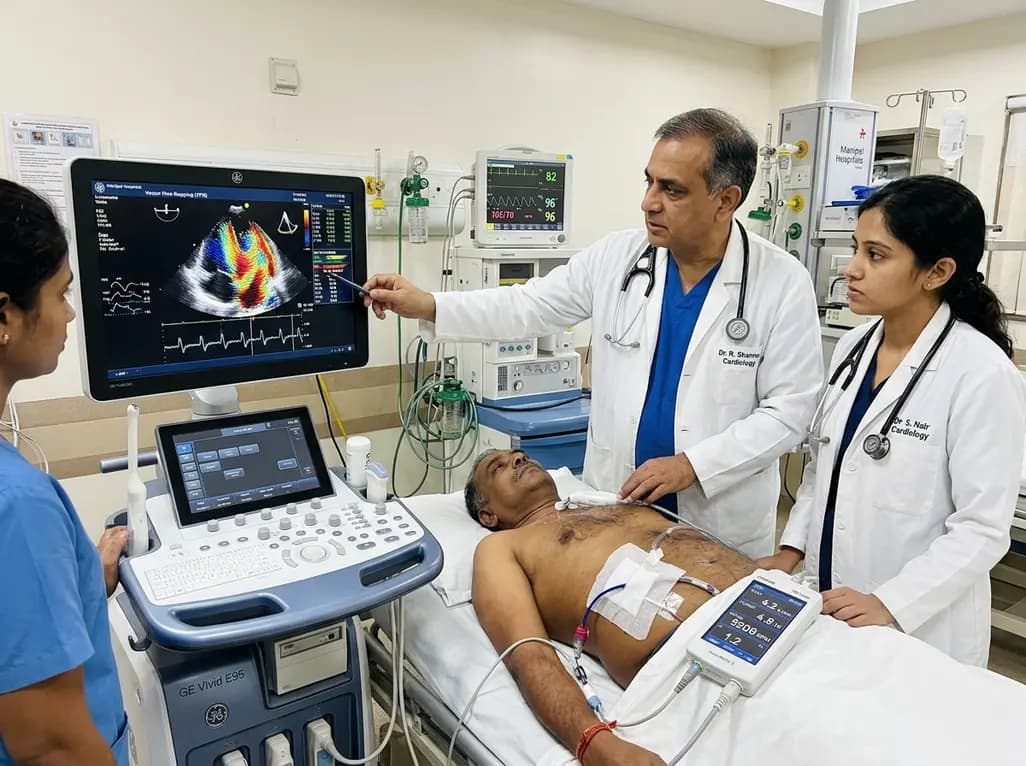
A pilot study shows that transesophageal echocardiography with vector flow mapping measures intraventricular energy loss in HeartMate 3 LVAD recipients. Energy loss significantly correlates with controller-displayed pump flow, offering clinicians deeper insights into ventricular unloading and intracardiac fluid mechanics.
Today

A comparative study demonstrates that simple and complex labral tears achieve comparable functional outcomes and low recurrence rates following arthroscopic stabilization for anterior shoulder instability, despite differing clinical presentations and dislocation histories.
Today

A validation study evaluates the consumer-grade InBody Dial H30 bioelectrical impedance device against a 3-compartment criterion in recreationally active adults, revealing a slight overestimation in body fat percentage and underestimation in fat-free mass alongside notable individual limits of agreement.
Today
