.webp&w=384&q=75)

Loading, please wait...
Loading, please wait...

To begin with, clinical research is currently evolving quite rapidly to improve patient outcomes in complex conditions like generalized Myasthenia Gravis (gMG). One highly critical development in this medical field is the use of adaptive trial design to optimize study protocols. Traditionally, clinical trials often wait for all participants to reach a final primary endpoint before performing interim analyses. However, this conventional approach can be incredibly slow and inefficient. In fact, this is especially true when valuable data from earlier visits remain unused. By integrating new statistical methods, researchers can now make more informed decisions much earlier in the trial process. Consequently, this innovation leads to significantly faster drug development for patients.
Recently, researchers applied advanced semi-parametric efficient estimators to data from the well-known ADAPT study. This investigation specifically looked at patients with gMG who were antibody-seronegative. Instead of ignoring incomplete records, these new estimators leverage baseline and intermediate measurements. Because these methods use more information from every participant, they enable a much smarter sample size re-estimation. Therefore, the trial remains powerful enough to detect treatment effects while saving significant time and resources. Additionally, this approach provides a much clearer picture of the drug's efficacy during the actual study. Similarly, it reduces the risk of trial failure due to underpowering.
Furthermore, the application of this framework ensures that the study maintains strict control over Type I errors. Naturally, this is vital for regulatory approval and scientific validity. Moreover, simulations clearly show that this method increases overall statistical power, particularly for moderate effect sizes. By utilizing longitudinal profiles effectively, investigators can decide whether to continue or modify a trial with much greater confidence. Thus, these methods create more efficient drug development paths. Ultimately, these advancements are highly beneficial for neurologists and patients in India. Essentially, they help deliver life-changing treatments to the clinic much sooner.
Adaptive trial design allows researchers to re-evaluate the necessary number of participants during an interim analysis. By using promising zone frameworks, they can increase the sample size if the initial results are hopeful but not yet definitive.
Longitudinal data captures patient progress over multiple visits rather than just at the end of the study. Using this information allows for more accurate predictions of the final trial outcome, making interim decisions more reliable and timely.
Disclaimer: This content is for informational and educational purposes only. It does not constitute medical advice or a professional recommendation. Refer to the latest local and national guidelines for clinical practice.
References
Kapur K et al. Adaptive trial design and interim decision-making using incomplete longitudinal measurements: Methods and application to myasthenia gravis. Clin Trials. 2026 May 09. doi: 10.1177/17407745261438128. PMID: 42104835.
Mehta CR, Pocock SJ. Adaptive increase in sample size when interim results are promising: A practical guide with examples. Statistics in Medicine. 2011;30(28):3267-3284.
Argenx. argenx Presents Interim Results from ADAPT+ Open-Label Extension Study Evaluating VYVGART in Generalized Myasthenia Gravis. 2022.

Read summarized clinical updates, watch expert medical content, and earn CME certifications right from your smartphone.
Open your smartphone camera to scan and install.





Discover how adaptive trial design and longitudinal data enhance interim decision-making in myasthenia gravis trials for better efficiency and power....
5 months ago
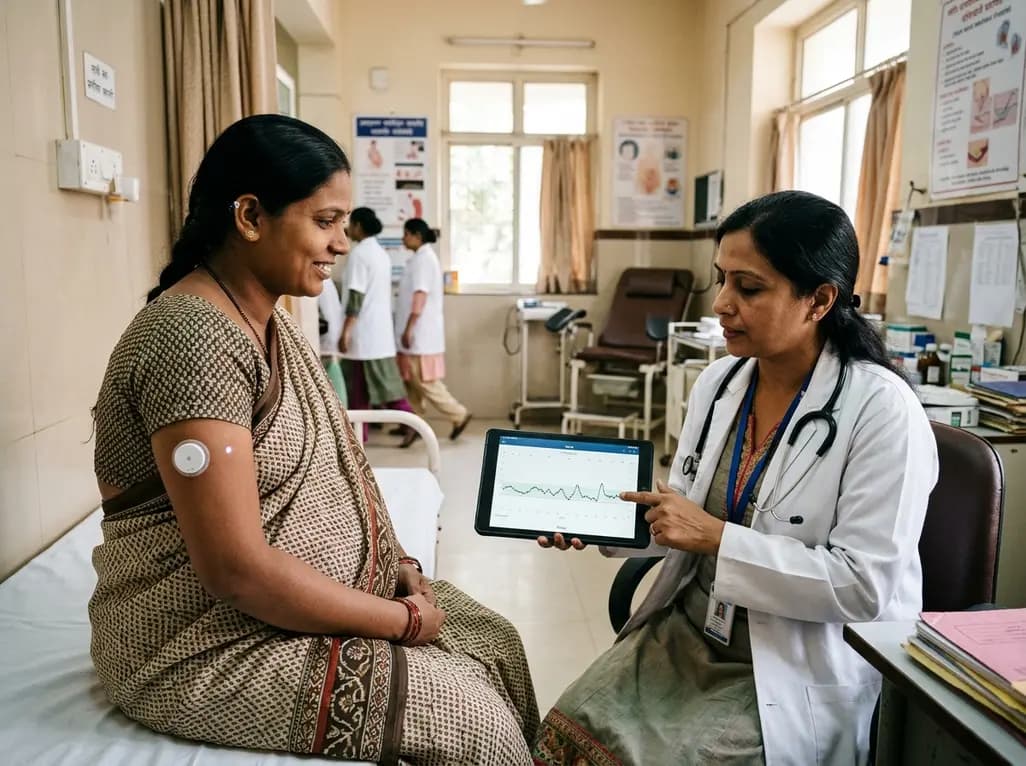
A prospective multicenter trial demonstrates that a 15-day factory-calibrated continuous glucose monitoring system provides high analytical accuracy (MARD ~7.7%) and safety in pregnant women with gestational diabetes mellitus.
Today

Recent research reveals distinct protein secretion profiles and morphometric shifts between euploid and aneuploid human blastocysts cultured in an advanced 3D endometrial platform, opening new avenues for non-invasive embryo assessment.
Today
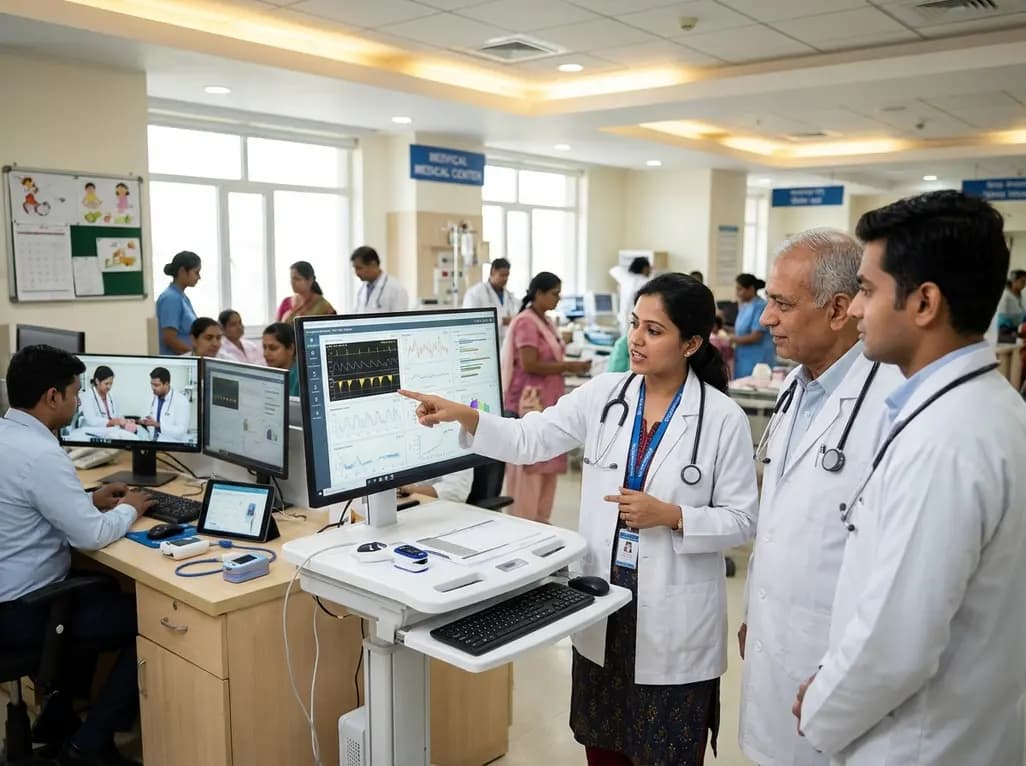
A landmark study details how an enterprise pediatric remote patient management model expanded from a single cardiology pilot to 16 diverse specialty programs by combining centralized digital operations with specialty clinical leadership.
Yesterday
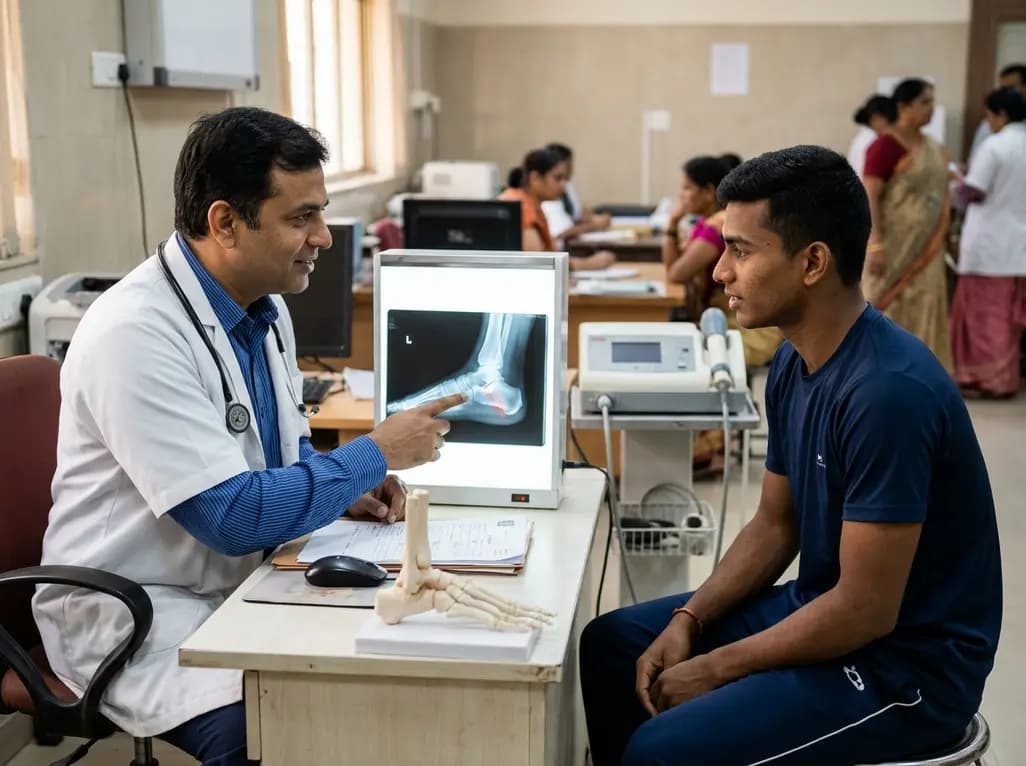
A collegiate hurdler with a 2-year neglected Degan type III anterior process calcaneus fracture achieved complete pain resolution and bony bridging using focused extracorporeal shock wave therapy, returning to competition without invasive surgery.
Today
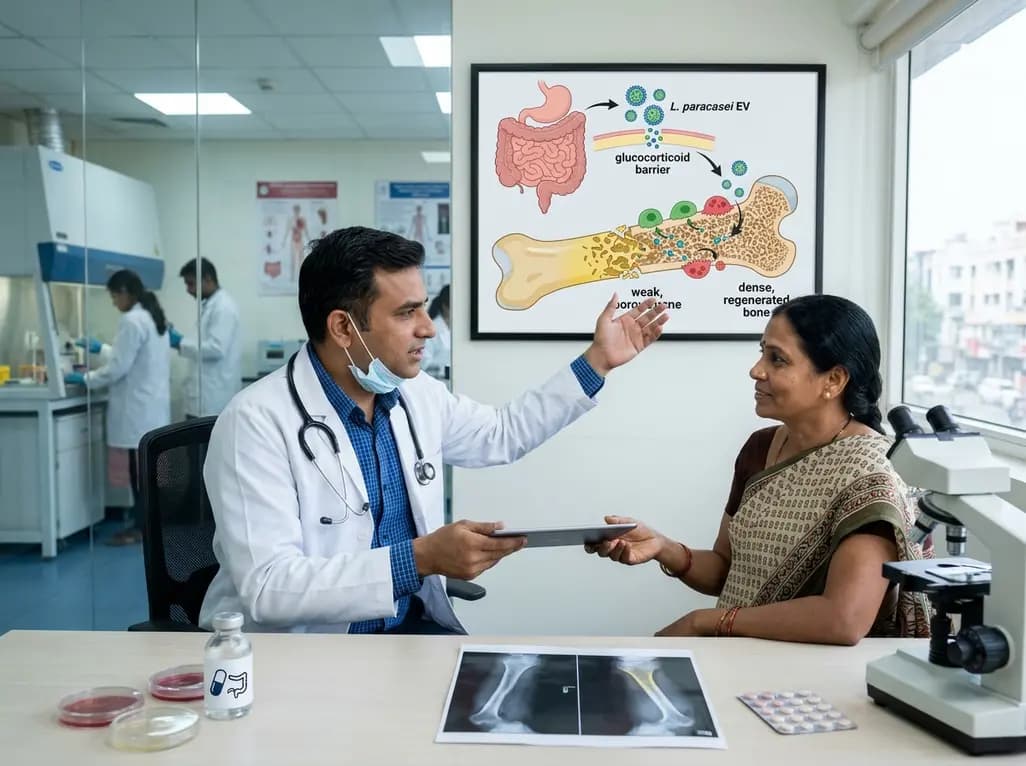
A novel oral nanoplatform using Lacticaseibacillus paracasei-derived extracellular vesicles delivers alendronate, reversing glucocorticoid-induced bone loss and restoring gut-immune-bone homeostasis.
Today
