.webp&w=384&q=75)

Loading, please wait...
Loading, please wait...
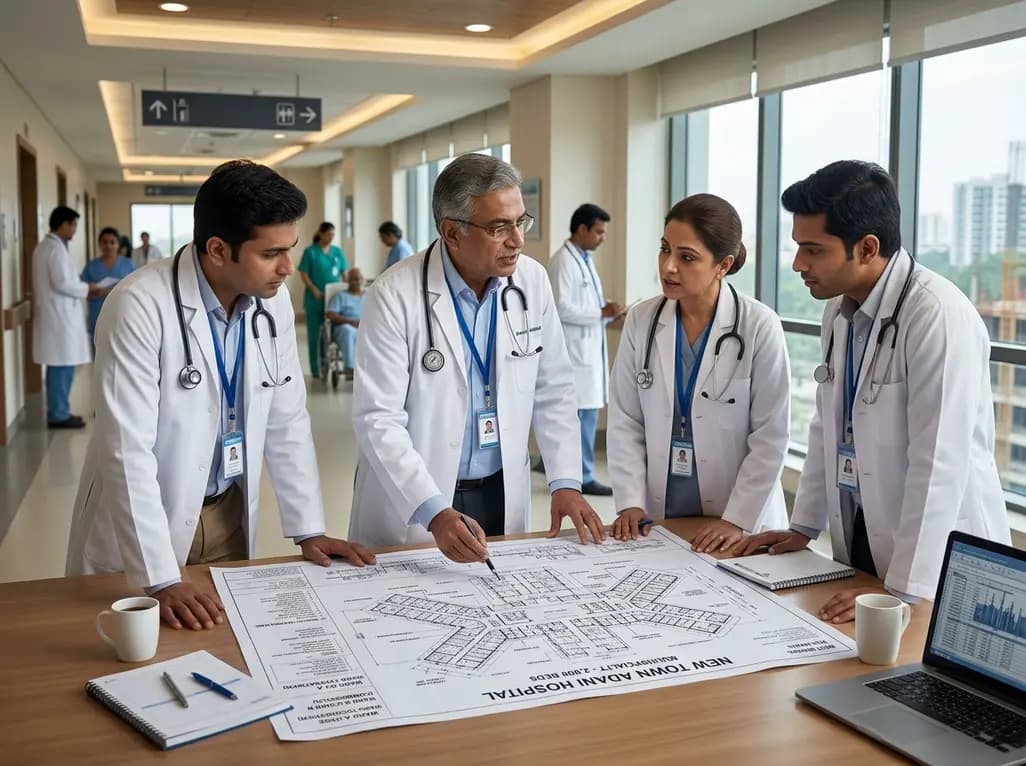
The announcement of the upcoming Adani hospital in Bengal marks a pivotal milestone for healthcare in Eastern India. This healthcare venture aims to expand clinical infrastructure across the region significantly. State authorities confirmed that the project will feature a massive 2,000-bed facility in New Town near Kolkata. Furthermore, the initiative incorporates a dual model designed to enhance accessibility for underserved communities. Gautam Adani recently submitted a formal commitment letter to initiate construction activities rapidly. Therefore, medical professionals view this development as an essential step toward bridging critical regional healthcare gaps.
The planned medical center will rise across a dedicated land parcel in New Town's Action Area II. Consequently, this strategic location offers rapid connectivity for patients traveling from across West Bengal and neighboring states. Karan Adani met with state leadership to finalize the foundational framework for this expansive healthcare venture. Following these discussions, the state government provided written consent and streamlined vital administrative approvals.
Additionally, the development is part of an integrated health city concept requiring substantial capital investment. The project will feature state-of-the-art diagnostic platforms, modern operation theatres, and dedicated intensive care units. Furthermore, administrators have designed the facility to accommodate diverse clinical subspecialties under a single roof. This centralized setup will help clinicians manage complex multi-organ pathologies more effectively.
Moreover, planners intend to introduce advanced biomedical technologies to optimize patient diagnostics and clinical monitoring. As a result, the facility will alleviate pressure on existing state-run hospitals. The government has prioritized fast-track clearances to ensure that civil works commence without unnecessary delays. Ultimately, this modern infrastructure will serve as a primary tertiary referral destination for millions of individuals.
One of the most notable features of this hospital is its unique hybrid operational framework. Specifically, exactly 1,000 of the proposed 2,000 beds will offer completely free medical care to economically disadvantaged patients. The remaining 1,000 beds will operate on a commercial basis to provide advanced clinical services. Consequently, this dual operational structure establishes a self-sustaining financial model for the institution.
Furthermore, revenue generated from commercial services will cross-subsidize treatments provided to vulnerable demographics. This structure ensures that indigent patients receive identical clinical standards without enduring catastrophic out-of-pocket expenses. Moreover, the facility will integrate public insurance schemes such as Ayushman Bharat to streamline patient billing. Therefore, patients suffering from complex chronic illnesses can access life-saving interventions seamlessly.
Additionally, clinicians often observe low-income families abandoning critical medical therapies due to extreme financial distress. This initiative directly resolves that barrier by guaranteeing equitable access to high-cost tertiary procedures. For instance, advanced oncology treatments, complex neurosurgeries, and cardiology interventions will become reachable for poor families. Thus, the model creates an equitable bridge between cutting-edge private medicine and public welfare obligations.
Eastern India has historically experienced shortages in advanced super-specialty bed capacity and specialized critical care units. Consequently, the addition of 2,000 tertiary beds will dramatically strengthen regional clinical bandwidth. Modern healthcare demands high-volume centers capable of managing acute trauma, complex organ transplants, and oncological emergencies. Therefore, the hospital will house dedicated specialty suites equipped with advanced modular operation theaters.
Additionally, the institution will invest heavily in cutting-edge imaging technology, including high-resolution MRI and PET-CT scanners. These diagnostic tools allow physicians to detect neoplastic lesions and vascular abnormalities at earlier stages. Furthermore, the hospital will establish specialized intensive care units with dedicated isolation rooms and advanced mechanical ventilators. As a result, intensivists can deliver evidence-based critical care protocols for severe septic and respiratory cases.
Moreover, the center plans to establish specialized neonatal and pediatric intensive care units. These facilities will help clinicians manage high-risk pregnancies and congenital pediatric conditions effectively. Consequently, the hospital will help reduce regional maternal and neonatal mortality rates. In summary, the new facility will provide doctors with the infrastructure required to practice evidence-based modern medicine.
Beyond its direct clinical advantages, the large-scale hospital project will stimulate substantial socioeconomic growth across West Bengal. Developing an integrated healthcare complex generates immense demand for highly trained medical and allied health professionals. Therefore, the facility will create thousands of direct employment opportunities for doctors, nursing personnel, and paramedics.
Additionally, the project will require numerous medical technologists, biomedical engineers, and administrative staff to ensure seamless daily operations. Consequently, the institution will help retain local medical talent within the state, reducing regional brain drain. Furthermore, the hospital intends to establish clinical residency training and continuous professional development programs. As a result, junior clinicians will gain exposure to advanced robotic surgery, precision diagnostics, and clinical trials.
Moreover, the construction and operational phases will stimulate local vendor networks and support auxiliary service sectors. Supply chains for pharmaceuticals, medical consumables, and facility management will expand substantially across the Kolkata metropolitan area. Therefore, the economic multiplier effect will bolster regional commercial activity while simultaneously upgrading healthcare standards. Ultimately, the health city will foster a vibrant ecosystem bridging clinical expertise with regional economic progress.
The development of this mega-hospital aligns with broader national efforts to decentralize specialized medical services across India. Historically, patients from Eastern and North-Eastern India often traveled to southern or western metropolitan hubs for complex care. Consequently, families incurred massive logistical expenses, travel fatigue, and social dislocation during medical crises.
However, establishing world-class tertiary infrastructure in Kolkata provides a localized alternative for advanced medical management. Furthermore, the strategic proximity of New Town to the international airport facilitates medical travel from neighboring countries like Bangladesh, Nepal, and Bhutan. As a result, Kolkata will consolidate its position as a primary medical tourism hub in South Asia.
Additionally, the expansion of large-scale infrastructure encourages collaborative clinical research and regional epidemiological surveillance. Physicians will be able to document clinical outcomes across diverse patient cohorts and contribute to global medical registries. Therefore, the institution can spearhead innovations tailored to regional health challenges, including endemic infectious diseases and non-communicable disorders. Ultimately, this public-private synergy represents a transformative milestone that will reshape healthcare accessibility and clinical excellence throughout the region.
Q1: What is the proposed bed capacity and allocation structure for the new facility?
The facility will feature a total capacity of 2,000 hospital beds in New Town near Kolkata. Exactly 1,000 beds are reserved to provide free treatment for economically disadvantaged individuals. Meanwhile, the remaining 1,000 beds will operate commercially. This hybrid framework ensures long-term operational sustainability while expanding healthcare access for vulnerable patients across the state.
Q2: How will this healthcare project benefit medical professionals and regional employment?
The project will generate extensive employment opportunities for doctors, nursing specialists, allied health professionals, and administrative staff. Furthermore, it will establish advanced training programs, residency positions, and research initiatives. Consequently, this modern environment will help retain skilled medical professionals within West Bengal while offering hands-on exposure to cutting-edge medical technologies and innovative therapeutic protocols.
Q3: How does the new hospital address the regional demand for specialized tertiary care?
Eastern India frequently encounters capacity constraints for high-complexity interventions like organ transplants, advanced oncology, and specialized intensive care. By introducing modern modular operating theatres, advanced diagnostic imaging, and 2,000 dedicated beds, the hospital dramatically expands regional tertiary bandwidth. Consequently, patients will no longer need to travel to distant metropolitan cities for specialized treatments.
Disclaimer: This content is for informational and educational purposes only. It does not constitute medical advice or replace professional judgment. Refer to the latest local and national guidelines for clinical practice.
References

Read summarized clinical updates, watch expert medical content, and earn CME certifications right from your smartphone.
Open your smartphone camera to scan and install.





The Adani Group is establishing a 2,000-bed multispecialty hospital in New Town, West Bengal. With half the bed capacity dedicated to free treatment for economically disadvantaged patients and the rest operating commercially, this major infrastructure initiative aims to transform tertiary care delivery.
last month
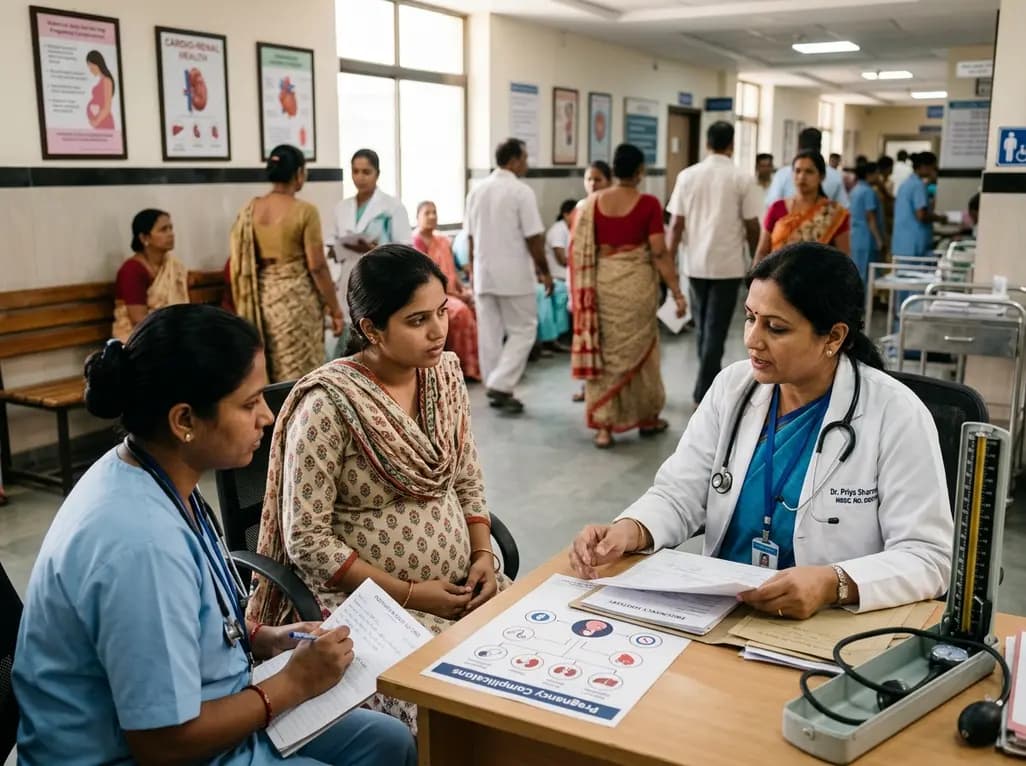
A large UK cohort study of 1.4 million women shows that pregnancy complications, including gestational diabetes, hypertension, and preterm birth, substantially raise long-term risks for hypertension, chronic kidney disease, type 2 diabetes, and cardiovascular events, highlighting early postpartum intervention needs.
Today
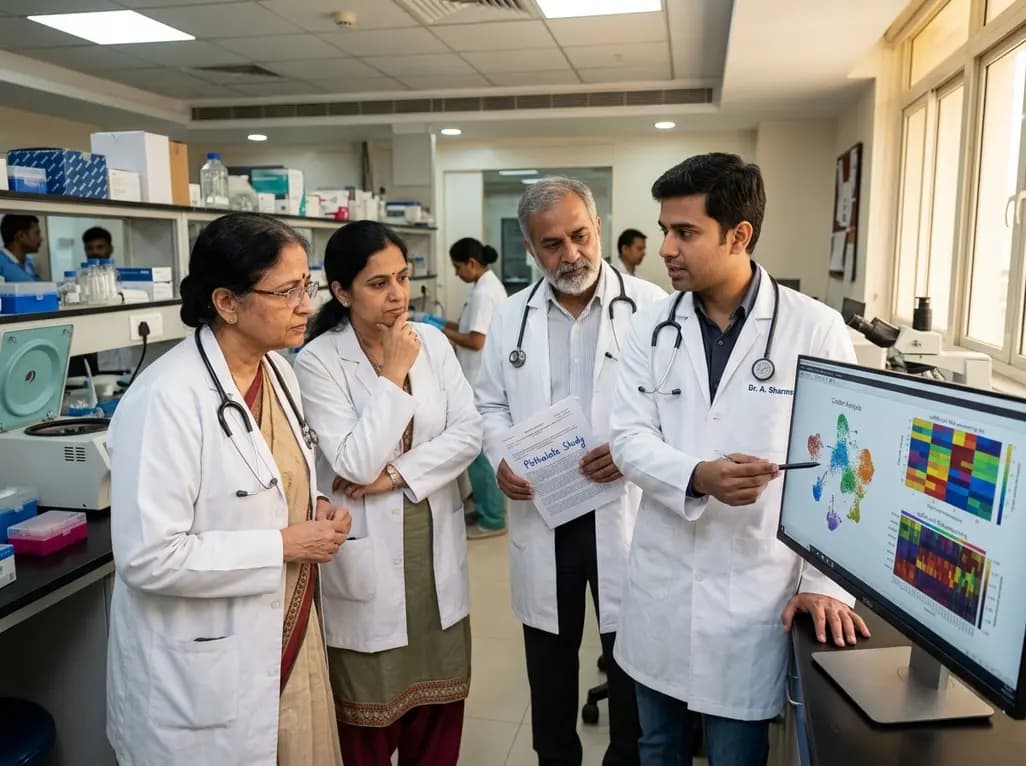
A landmark single-cell study reveals that MEHP, a major phthalate metabolite, damages human ovarian tissue beyond follicles. By disrupting glial-stromal communication, cellular adhesion, and mitochondrial respiration, environmental plasticizers impair ovarian integrity at realistic exposure levels.
Today
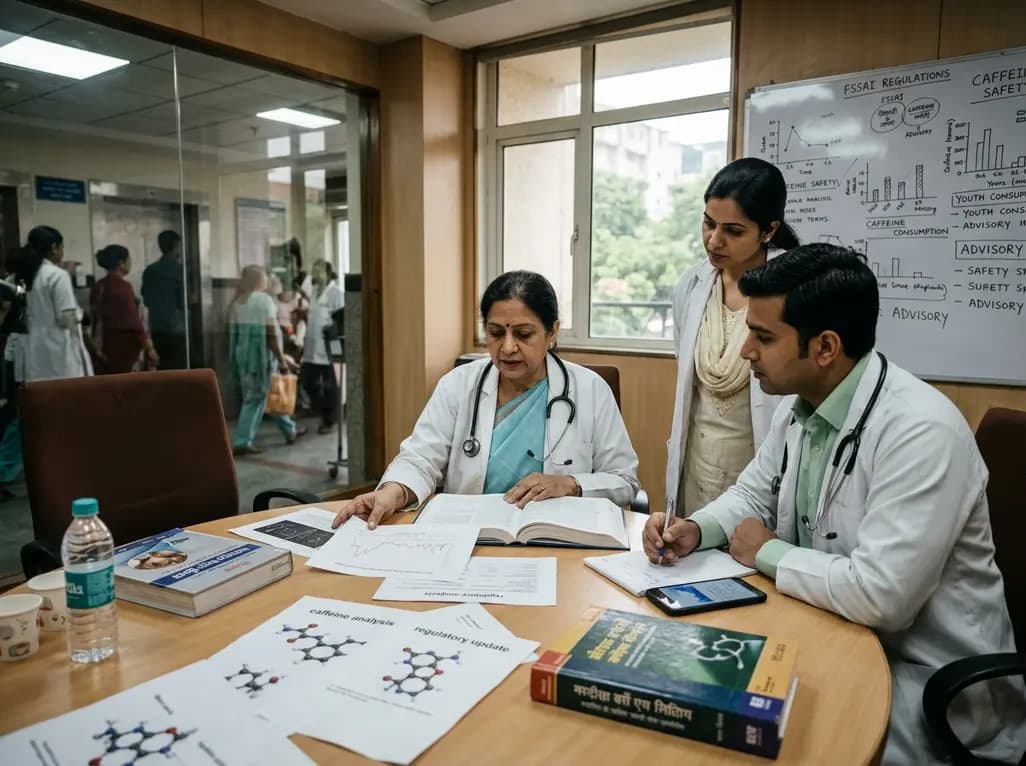
The Delhi High Court granted interim relief to beverage manufacturers against the FSSAI ban on the energy drink descriptor. Discover the regulatory dispute, caffeine safety thresholds, metabolic concerns, and the vital clinical recommendations for healthcare practitioners advising young consumers in India.
Today
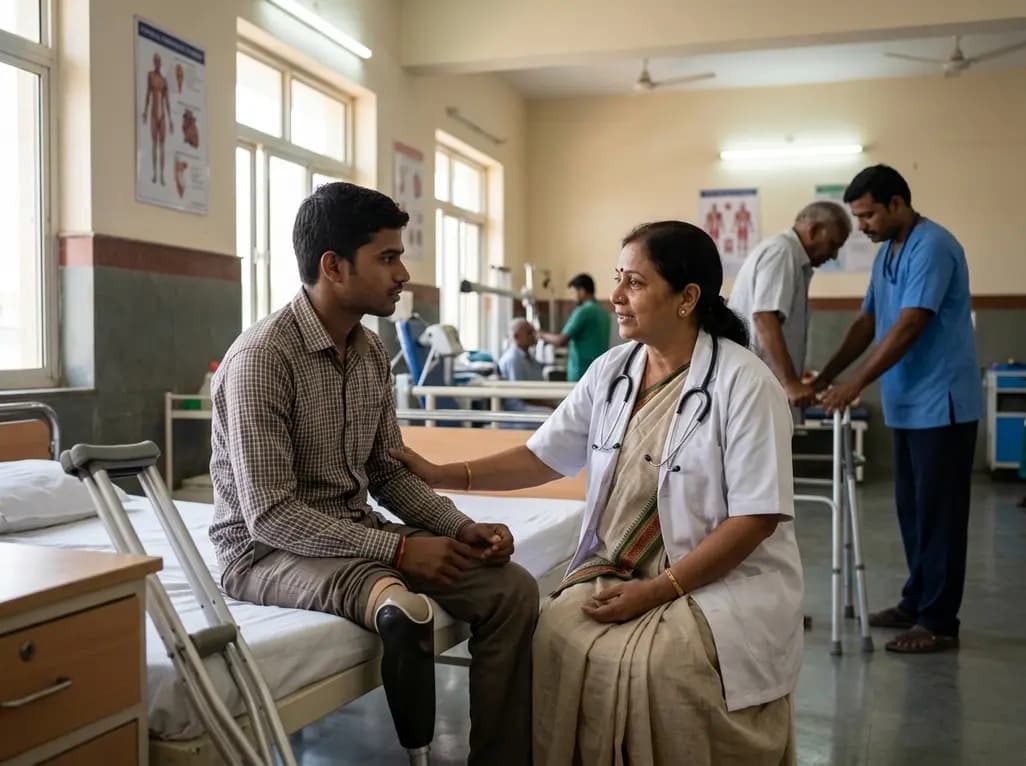
A scoping review reveals severe gaps in long-term assistive technology provision following humanitarian emergencies. Addressing post-disaster rehabilitation requires systematic follow-up, workforce training, and integration into national health systems to sustain mobility and recovery.
Today
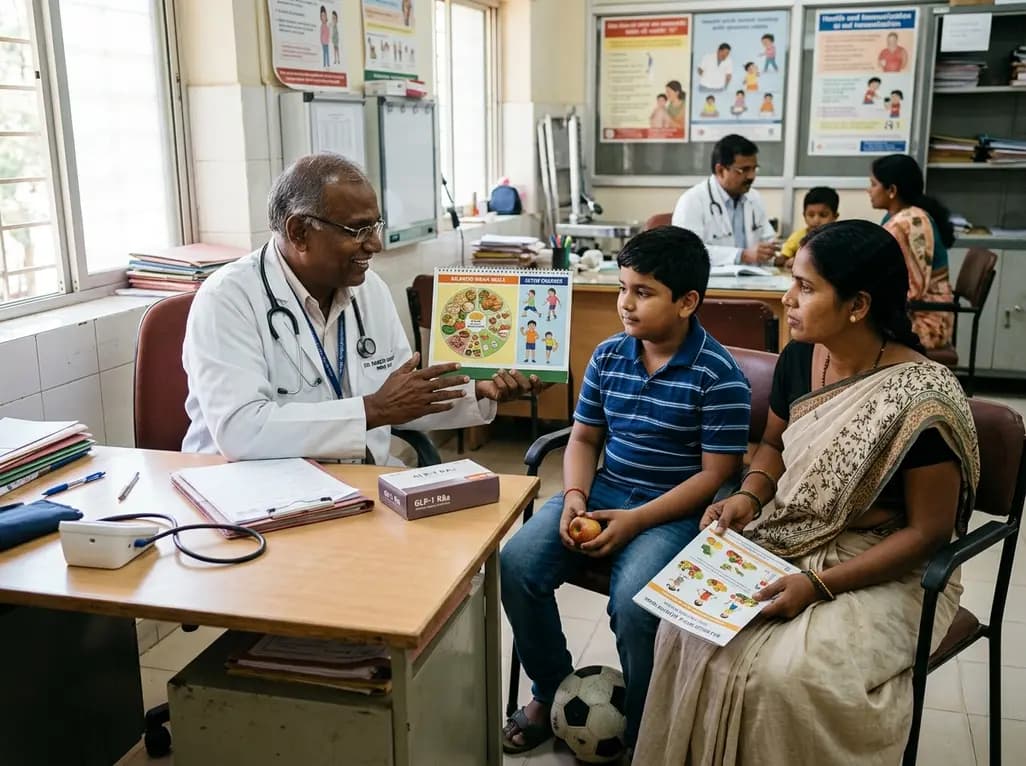
The World Health Organization has issued its first global guidelines for managing child and adolescent obesity. The recommendations strongly endorse family-based dietary interventions, regular physical activity, and behavioral support as frontline therapy, reserving GLP-1 therapies and surgery for select cases.
Today
