.webp&w=384&q=75)

Loading, please wait...
Loading, please wait...

In modern medicine, acute psychiatric care is undergoing a profound paradigm shift. Historically, clinical systems treated mental health crises as isolated emergency events. Inpatient admission served primarily as an endpoint rather than a phase of recovery. Consequently, many patients experienced recurrent decompensation and frequent hospital readmissions. Today, healthcare systems are redefining inpatient psychiatric admission as a single stage within a comprehensive recovery pathway. Clinical leaders now emphasize seamless transitions between emergency triage, acute stabilization, and longitudinal rehabilitation. This evolving model prioritizes sustained functional recovery over short-term symptom reduction. Furthermore, it addresses the persistent systemic fragmentation across behavioral healthcare delivery.
Traditionally, inpatient psychiatry focused almost exclusively on symptom containment through rapid pharmacotherapy. While immediate pharmacologic control remains vital, modern frameworks recognize that medication alone cannot restore complete psychosocial functioning. Therefore, forward-thinking institutions are adopting dynamic models that integrate early biopsychosocial interventions directly into acute inpatient stays. Clinicians actively assess functional impairments, cognitive reserves, and social determinants from the first day of admission. Moreover, this approach bridges the historic divide between biological psychiatry and community-based rehabilitation. By introducing adaptive coping strategies during the early stabilization window, teams prevent institutional dependency. In addition, treating clinicians establish transparent treatment roadmaps that actively engage family members. This proactive engagement reduces caregiver distress and demystifies the psychiatric admission process. Ultimately, contemporary acute psychiatric care prioritizes long-term resilience alongside immediate clinical stabilization. Clinicians no longer treat psychiatric crises as isolated disruptions in health. Instead, they view these events as critical opportunities to reconstruct personalized support systems. Consequently, specialized programs minimize post-discharge vulnerability and foster sustained functional recovery across diverse settings. Medical teams also integrate standardized behavioral metrics to track therapeutic gains objectively.
To build a reliable continuum of care, psychiatric facilities require structured clinical staging. A prominent example is the four-phase acute-to-recovery pathway. First, the acute phase focuses strictly on patient safety, diagnostic clarity, and rapid physiological de-escalation. During this crucial stage, clinical teams stabilize medical comorbidities and mitigate acute harm risks. Next, the stabilization phase focuses on substantial symptom reduction and psychological reorientation. Clinicians calibrate psychotropic regimens while initiating supportive psychoeducation. Subsequently, the embedding phase introduces structured occupational therapy, daily routines, and evidence-based psychotherapy. Patients acquire cognitive reframing techniques, distress tolerance skills, and emotional regulation strategies. Furthermore, expressive therapies and functional retraining help patients rebuild confidence before returning home. Finally, the pre-discharge phase establishes comprehensive continuity planning. The clinical team coordinates family meetings, designs relapse prevention plans, and arranges step-down outpatient consultations. Hence, the continuum eliminates the abrupt care drop-offs that often follow conventional hospital discharges. By establishing distinct therapeutic milestones, this structured pathway ensures that recovery continues well after the patient returns home. Accordingly, this phased approach transforms episodic crisis management into an orderly, measurable journey toward sustained wellness. It also equips primary caregivers with practical tools for ongoing community support.
Effective psychiatric interventions demand far more than isolated medical consultations. Instead, modern inpatient centers depend on robust interdisciplinary synergy. Psychiatrists, clinical psychologists, psychiatric nurses, and psychiatric social workers collaborate alongside allied specialists. These professionals include occupational therapists, physiotherapists, clinical nutritionists, and recovery coaches. Together, they formulate a unified, person-centered care plan within twenty-four hours of admission. Daily interdisciplinary huddles and structured nursing handovers ensure continuous communication across shifts. Furthermore, regular consultant rounds and weekly case conferences facilitate rapid adjustments to therapeutic regimens. This collaborative model expands the definition of clinical success beyond basic symptom alleviation. Clinicians actively address somatic health, sleep architecture, nutritional status, and interpersonal dynamics. Consequently, patients receive comprehensive care that strengthens physical vitality and psychological well-being simultaneously. In addition, structured clinical governance systems enforce rigorous quality metrics across every department. Teams monitor medication errors, adverse behavioral events, and infection rates proactively. Thus, institutional governance transforms patient safety from a passive ideal into an active, measurable standard. Meanwhile, ongoing staff training sharpens clinical competency in managing complex dual-diagnosis presentations. As a result, interdisciplinary teams can resolve severe clinical challenges with speed, precision, and deep therapeutic empathy.
In acute psychiatric environments, clinical teams must balance rigorous safety standards with profound human dignity. Historically, institutional settings overused physical restraint and solitary confinement, creating enduring psychological trauma. Today, modern clinical architecture embeds safety measures seamlessly into therapeutic environments. Facilities utilize controlled biometric access, anti-ligature fixtures, and shatter-resistant materials to prevent self-harm proactively. Nevertheless, these physical safeguards do not compromise personal dignity or therapeutic warmth. Clinicians utilize structured risk stratification tools during admission to assess agitation, medical fragility, and self-harm vulnerability. Consequently, workforce deployment aligns directly with patient acuity levels. Furthermore, clinical teams view restrictive measures strictly as emergency interventions of absolute last resort. Healthcare providers prioritize verbal de-escalation, sensory modulation, and low-stimulus environments to soothe acute distress. In addition, real-time safety monitoring tracks falls, behavioral incidents, and adverse medication reactions. This continuous vigilance allows clinicians to intervene early before crises escalate. Ultimately, an environment that honors autonomy fosters genuine therapeutic rapport and accelerates psychological healing. Moreover, clinical protocols encourage active patient involvement in daily goal-setting whenever capacity permits. Hence, clinical teams cultivate agency and trust throughout the entire inpatient stay, ensuring safety without imposing punitive constraints.
A major vulnerability in Indian psychiatric care occurs during acute, out-of-hospital emergencies. When severe psychosis or acute suicidality arises, families often struggle to access immediate specialized assistance. Specialized twenty-four-seven mental health emergency response units bridge this critical divide effectively. Trained mental health professionals conduct community-based retrievals with specialized de-escalation techniques. Importantly, these rapid response systems operate in strict compliance with the Mental Healthcare Act, 2017. The legislation mandates time-bound intimations to the Mental Health Review Board for supported admissions. Furthermore, the Act explicitly limits involuntary emergency interventions to seventy-two hours, prohibiting unmodified electroconvulsive therapy and punitive seclusion. Emergency teams must respect nominated representatives while prioritizing patient rights during community transfers. Moreover, educational initiatives for emergency physicians, paramedics, and first responders enhance community-level emergency readiness. By standardizing psychiatric triage and transport protocols, healthcare networks reduce trauma for both patients and their families. Subsequently, seamless handoffs between mobile emergency teams and acute hospital units ensure immediate therapeutic continuity. Therefore, lawful, rights-based emergency retrieval establishes a dignified gateway into the broader healthcare system. In addition, early psychiatric stabilization in licensed facilities prevents unnecessary criminalization of acute mental health crises. Thus, structured emergency retrieval safeguards vulnerable individuals while upholding rigorous statutory mandates.
As clinical psychiatry incorporates digital innovations, modern health networks use objective metrics to evaluate treatment efficacy. Standardized rating scales, clinical audits, and comprehensive outcome reports document therapeutic progress with clarity. Consequently, transparent outcome documentation helps patients navigate mental health insurance coverage more effectively. Furthermore, digital tools and artificial intelligence offer promising avenues to augment psychiatric assessment. Machine learning algorithms can analyze clinical trends, flag subtle behavioral decompensation, and highlight adverse medication interactions. However, technology must always support rather than replace human clinical judgment. Psychiatric care remains fundamentally relational, demanding emotional intuition, therapeutic alliance, and cultural contextualization. Clinicians use digital platforms to coordinate post-discharge aftercare and deliver secure telepsychiatry consultations. Meanwhile, integrated electronic health records allow multidisciplinary specialists across multiple centers to share treatment data seamlessly. In addition, institutional research initiatives continuously refine clinical pathways using aggregated outcome trends. Ultimately, combining data analytics with compassionate clinical care creates a sustainable, patient-centered psychiatric ecosystem. Clinicians can deliver targeted, timely interventions while preserving the profound human connection that defines recovery. Therefore, modern psychiatric centers set new benchmarks by marrying cutting-edge digital health tools with personalized bedside care. Hence, scalable clinical networks can expand across regions without compromising quality or individualized attention.
Q1: What are the core phases of the acute-to-recovery continuum in psychiatric care?
The acute-to-recovery model comprises four distinct clinical phases. First, the acute phase prioritizes rapid medical stabilization and patient safety. Next, the stabilization phase reduces core psychiatric symptoms through tailored psychopharmacotherapy. Subsequently, the embedding phase introduces occupational therapy, psychological skills, and daily routine reconstruction. Finally, the pre-discharge phase prepares the patient and family for transition through structured relapse prevention plans and aftercare coordination.
Q2: How does the Mental Healthcare Act, 2017 regulate acute psychiatric emergency admissions in India?
The Mental Healthcare Act, 2017 establishes strict statutory safeguards during psychiatric crises. Medical practitioners may provide emergency treatment for up to seventy-two hours to prevent serious harm. For supported admissions, facilities must send time-bound intimations to the Mental Health Review Board. Furthermore, the Act explicitly bans unmodified electroconvulsive therapy and solitary confinement, ensuring that emergency interventions protect patient dignity and civil liberties.
Q3: Why is an interdisciplinary team essential during inpatient psychiatric hospitalization?
Psychiatric disorders involve complex biological, psychological, and social factors that require comprehensive management. An interdisciplinary team brings together psychiatrists, clinical psychologists, psychiatric nurses, social workers, and occupational therapists. Consequently, the team evaluates medication response, emotional functioning, coping mechanisms, and physical wellness collaboratively. This holistic approach ensures rapid stabilization, functional skill acquisition, and seamless reintegration into daily life, which solitary medical management cannot achieve alone.
Disclaimer: This content is for informational and educational purposes only. It does not constitute medical advice or replace professional judgment. Refer to the latest local and national guidelines for clinical practice.
References

Read summarized clinical updates, watch expert medical content, and earn CME certifications right from your smartphone.
Open your smartphone camera to scan and install.





Psychiatric hospitalization is evolving from an isolated emergency endpoint into an interconnected recovery journey. Discover how multidisciplinary clinical huddles, rights-based emergency retrievals, and proactive safety architecture establish continuity of care from acute crisis to long-term community reintegration.
Today
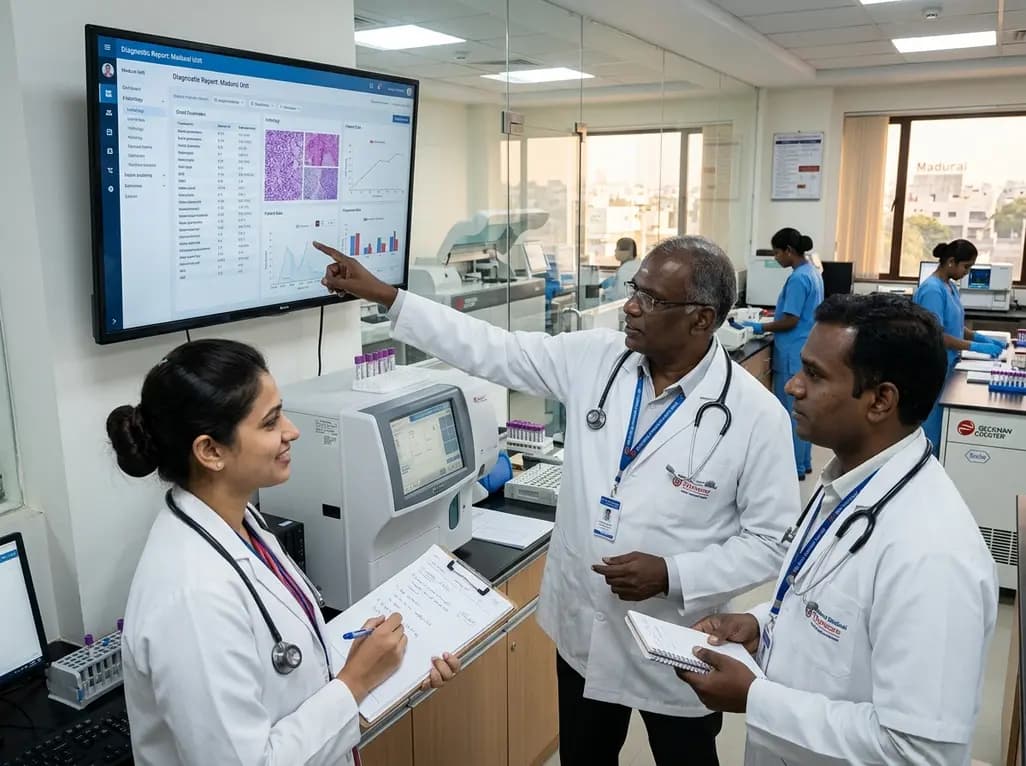
Thyrocare has established a regional diagnostic facility in Madurai to expand testing capabilities across southern Tamil Nadu. The centre provides rapid turnaround times, advanced pathology workflows, and accessible routine and esoteric investigations to empower clinicians and improve local patient outcomes.
Today

Integrating adult genetic services into reproductive and pregnancy care substantially alters clinical management. A study reveals that diagnostic genetic evaluations directly inform maternal, fetal, and neonatal care in nearly 57% of tested patients, highlighting the value of preconception and antenatal genomics.
Today
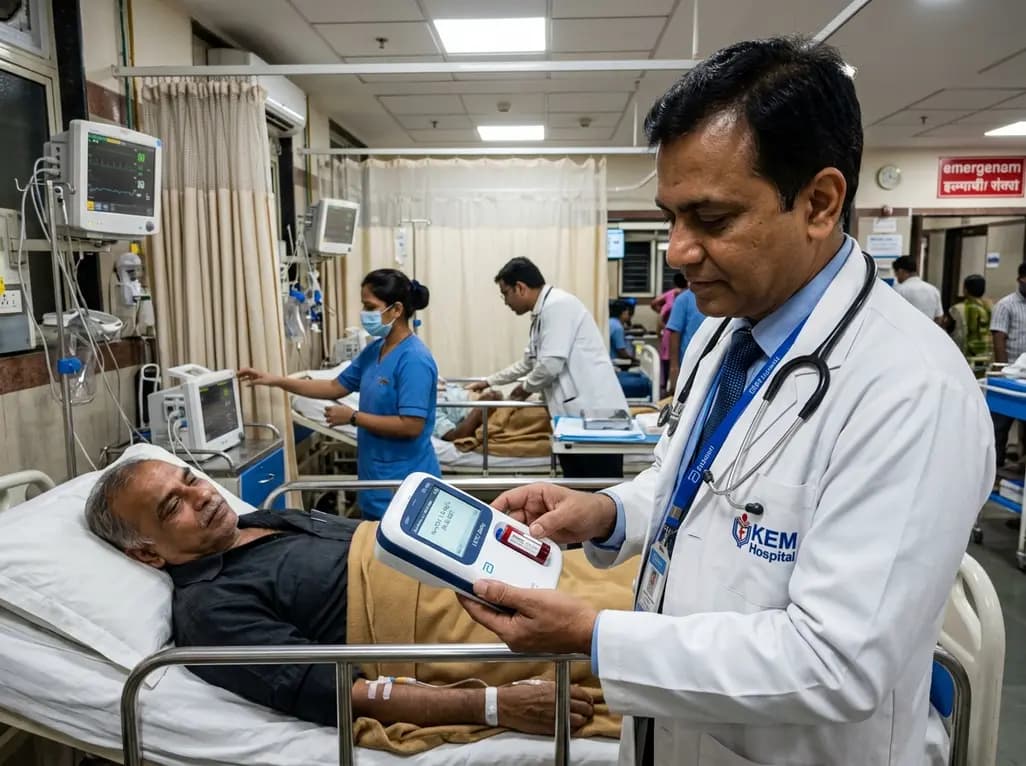
A real-world emergency department evaluation demonstrates that the Abbott i-STAT Alinity point-of-care high-sensitivity troponin I assay achieves excellent analytical precision and safely rules out myocardial infarction without false negatives, offering rapid bedside results to decongest acute care pathways.
Today
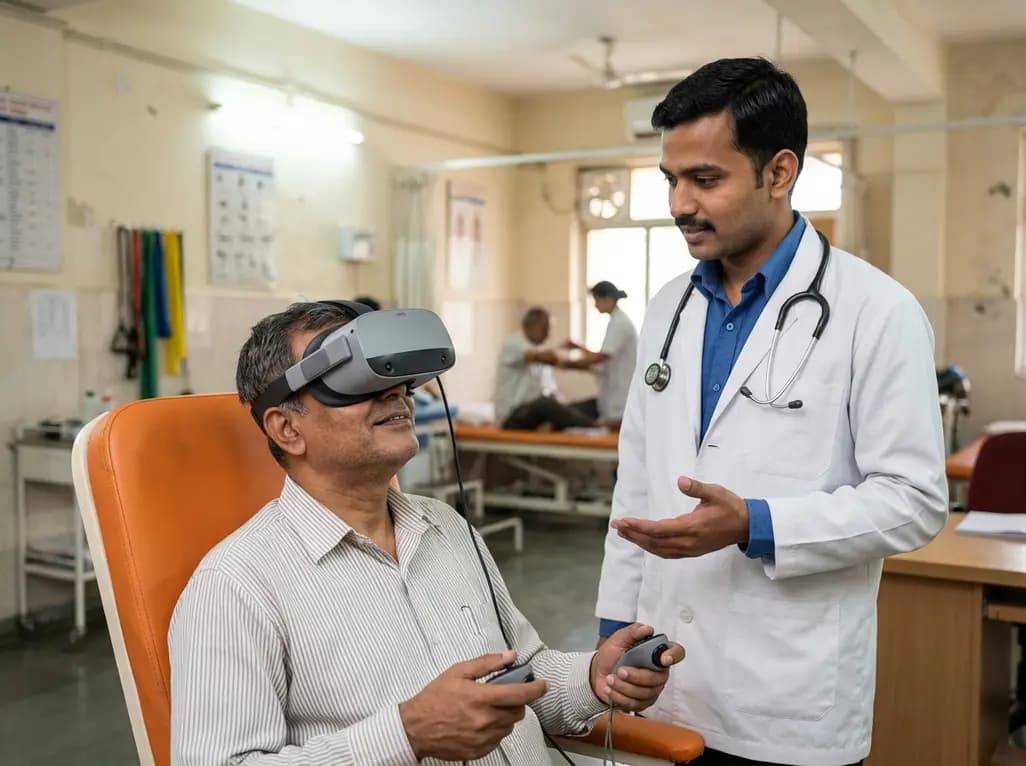
A recent scoping review highlights the efficacy, usability, and patient satisfaction of virtual reality pain management for chronic musculoskeletal pain, emphasizing psychotherapy-based VR protocols.
Today

A cross-sectional study in Nepal evaluates cardiovascular risk factors among adults working above 4,000 meters. The findings reveal unexpected rates of diabetes, hypertension, and mountain sickness, underscoring the urgent need for targeted cardiometabolic screening in high-altitude occupational cohorts.
Today
