.webp&w=384&q=75)

Loading, please wait...
Loading, please wait...
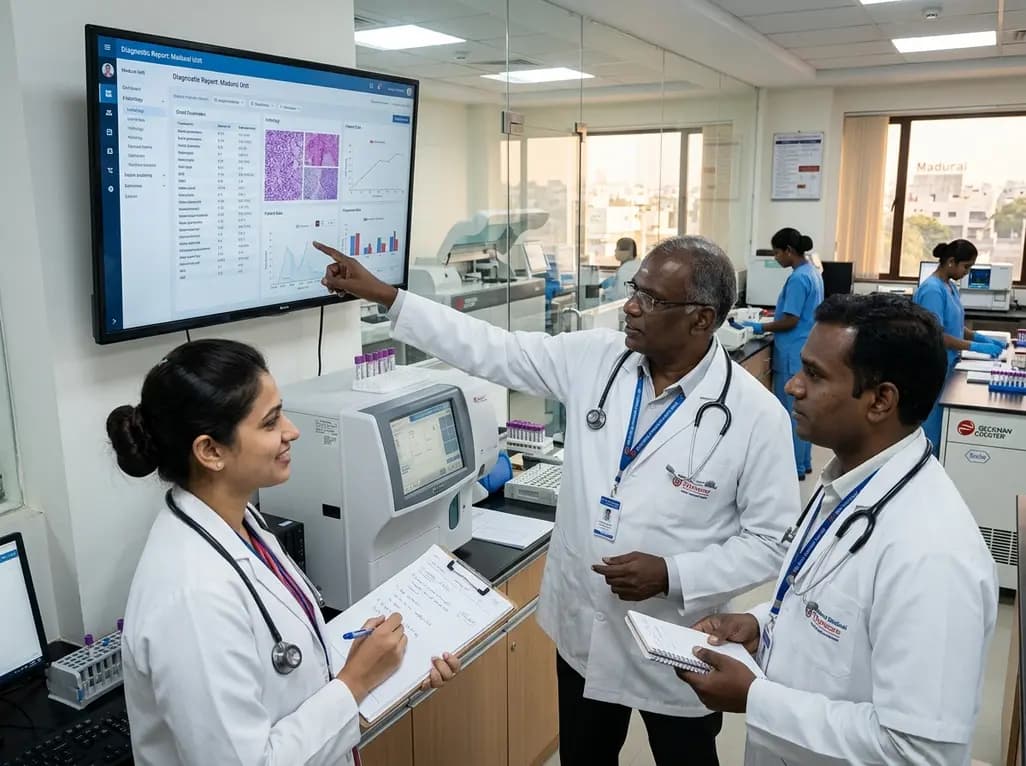
A robust diagnostic network forms the foundation of modern clinical decision-making. Recently, Thyrocare Technologies announced the establishment of a state-of-the-art diagnostic facility in Madurai, Tamil Nadu. This strategic move highlights ongoing efforts toward decentralized diagnostic laboratory expansion across India's tier-2 and tier-3 healthcare ecosystems. Consequently, healthcare providers and local clinics in southern Tamil Nadu can now access advanced pathology investigations without relying entirely on distant metropolitan processing centers.
Historically, patients in non-metropolitan hubs experienced prolonged turnaround times for specialized assays. Samples frequently travelled to distant centralized laboratories in Chennai or Mumbai. Therefore, diagnostic delays could occasionally hinder prompt therapeutic adjustments in time-sensitive medical conditions. However, the introduction of this advanced laboratory in Madurai directly addresses these logistical bottlenecks. The new centre offers an expansive test menu spanning routine hematology, clinical biochemistry, immunoassay profiles, and specialized hormonal analyses. In addition, the facility utilizes automated analysers to maintain precision across high sample volumes. Local physicians and standalone clinical laboratories can now transfer specimen tubes swiftly, ensuring optimal pre-analytical stability. Consequently, local pathologists can verify complex findings with minimal transit degradation. Moreover, this regional setup bridges critical infrastructure gaps, ensuring healthcare partners receive dependable laboratory metrics promptly. As a result, practitioners in Madurai and neighbouring districts can initiate evidence-based therapeutic regimens earlier during acute patient evaluations.
The systematic diagnostic laboratory expansion into emerging regional centres fundamentally alters clinical management outside major urban cities. First, immediate access to quality testing empowers primary care doctors to confirm provisional diagnoses with greater precision. When local laboratories provide reliable thyroid panels, glycemic indices, and cardiac biomarkers, general practitioners can reduce unnecessary empiric treatments. Furthermore, specialized investigations such as autoimmune markers, vitamin assessments, and metabolic profiles become readily available to surrounding rural practices. Because clinicians receive verified results within hours rather than days, patient compliance improves substantially. Patients often avoid secondary consultations when diagnostic answers arrive late. In contrast, swift turnaround times encourage patients to adhere closely to targeted management plans. Furthermore, regional diagnostic decentralization reduces testing costs for local populations by eliminating long-distance transport logistics. Thus, the expansion fosters equity in clinical standards, allowing physicians in tier-2 locations to practice contemporary medicine on par with tertiary metropolitan hospitals.
Accuracy in laboratory medicine requires meticulous adherence to analytical quality control protocols. The Madurai facility integrates automated analytical workflows alongside strict internal quality control procedures. Furthermore, external quality assessment schemes benchmark test accuracy against international guidelines. Qualified medical pathologists review abnormal findings to eliminate erroneous values before report dispatch. For example, unexpected electrolyte derangements or critical hematological flags undergo immediate manual verification. Additionally, the facility employs barcode-driven specimen tracking to prevent pre-analytical identification errors. Temperature-controlled transport bags protect specimen viability during regional sample transit from peripheral collection centres. Therefore, referring doctors can trust the analytical integrity of test results, from simple complete blood counts to complex immunoassay investigations. Ultimately, standardizing processes under strict laboratory governance reinforces physician trust. This reliability prevents misdiagnoses, minimizes repeated venipunctures, and facilitates seamless longitudinal tracking of biochemical markers during chronic disease management.
Timely diagnostic reporting plays a crucial role in controlling chronic lifestyle conditions and mitigating acute illnesses. For instance, evaluating febrile illness panels swiftly during seasonal outbreaks of dengue, chikungunya, or typhoid prevents critical complications. Because local sample processing saves hours of transit time, physicians can detect cytopenias or severe inflammatory surges immediately. Consequently, emergency departments and outpatient clinicians can triage patients effectively. Similarly, routine management of metabolic conditions benefits substantially from accelerated turnaround schedules. Diabetic patients undergoing regular glycemic monitoring via glycated hemoglobin (HbA1c) tests can review verified results during the same consultation. In addition, prompt lipid profiling and renal panel assessments permit rapid dosage titration of antihypertensive and lipid-lowering pharmacotherapies. Therefore, regional laboratory operations remove clinical friction points, improving continuity of outpatient care. When diagnostic confirmation arrives without friction, clinicians streamline therapeutic decisions and prevent preventable disease progression.
Beyond acute diagnostics, regional laboratory access significantly propels population-level preventive healthcare programs. In emerging urban markets, preventive health screening often experiences low uptake due to financial and logistical barriers. However, widespread diagnostic networks introduce affordable preventive screening packages directly into residential and semi-urban communities. Regular assessments of lipid profiles, hepatic function, renal markers, and thyroid status help detect asymptomatic cardiometabolic diseases early. Consequently, early therapeutic lifestyle interventions and medical therapies can arrest silent disease development before irreversible end-organ damage occurs. Furthermore, corporate and community wellness initiatives gain feasible logistics to run large-scale screening camps in tier-2 regions. As local diagnostic capacity grows, epidemiological awareness expands within the community. In summary, decentralizing laboratory services strengthens the continuum of care, bridging preventive screening, outpatient diagnosis, and specialized pathology into a coordinated healthcare delivery model.
Q1: What types of diagnostic investigations does the new Madurai laboratory perform?
The Madurai facility performs an extensive array of diagnostic investigations, encompassing routine complete blood counts, metabolic profiles, renal panels, and lipid profiles. Additionally, the centre handles specialized assays such as thyroid function panels, endocrine profiles, and chronic lifestyle packages. Automated analytical systems and qualified laboratory personnel ensure that both routine and esoteric pathology requests meet standard diagnostic accuracy benchmarks.
Q2: How does a local regional laboratory improve clinical sample stability?
Processing patient specimens at a regional hub minimizes transport duration and prevents adverse exposure to temperature fluctuations. Because fragile analytes such as enzymes, hormones, and cellular components can degrade during prolonged transit, immediate processing preserves specimen stability. Consequently, pre-analytical variability drops significantly, ensuring clinicians receive dependable diagnostic data for accurate therapeutic decision-making.
Q3: How do decentralized diagnostic labs assist primary care physicians in tier-2 cities?
Decentralized facilities provide community practitioners with rapid turnaround times and accessible test panels comparable to tertiary urban hospitals. Consequently, primary care physicians can rapidly verify clinical suspicions, minimize empirical prescriptions, and monitor chronic conditions like hypertension and diabetes effectively. Moreover, automated reporting workflows enable clinicians to deliver timely outpatient management and reinforce overall patient adherence.
Disclaimer: This content is for informational and educational purposes only. It does not constitute medical advice or replace professional judgment. Refer to the latest local and national guidelines for clinical practice.
References

Read summarized clinical updates, watch expert medical content, and earn CME certifications right from your smartphone.
Open your smartphone camera to scan and install.





Thyrocare has established a regional diagnostic facility in Madurai to expand testing capabilities across southern Tamil Nadu. The centre provides rapid turnaround times, advanced pathology workflows, and accessible routine and esoteric investigations to empower clinicians and improve local patient outcomes.
Today
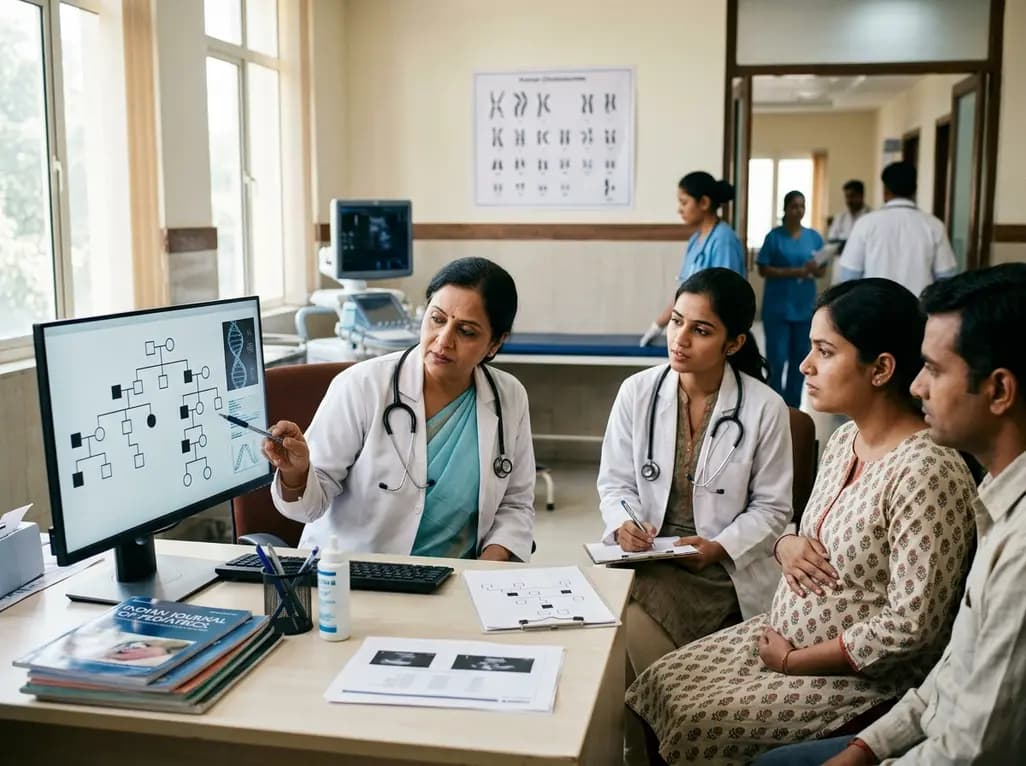
Integrating adult genetic services into reproductive and pregnancy care substantially alters clinical management. A study reveals that diagnostic genetic evaluations directly inform maternal, fetal, and neonatal care in nearly 57% of tested patients, highlighting the value of preconception and antenatal genomics.
Today
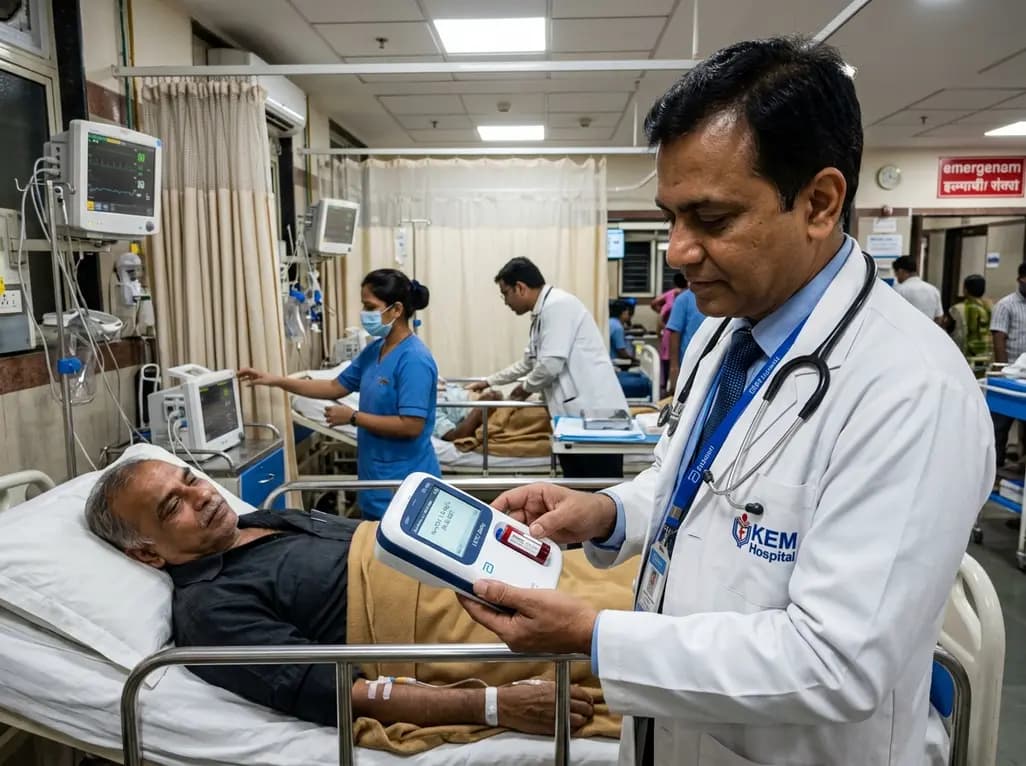
A real-world emergency department evaluation demonstrates that the Abbott i-STAT Alinity point-of-care high-sensitivity troponin I assay achieves excellent analytical precision and safely rules out myocardial infarction without false negatives, offering rapid bedside results to decongest acute care pathways.
Today
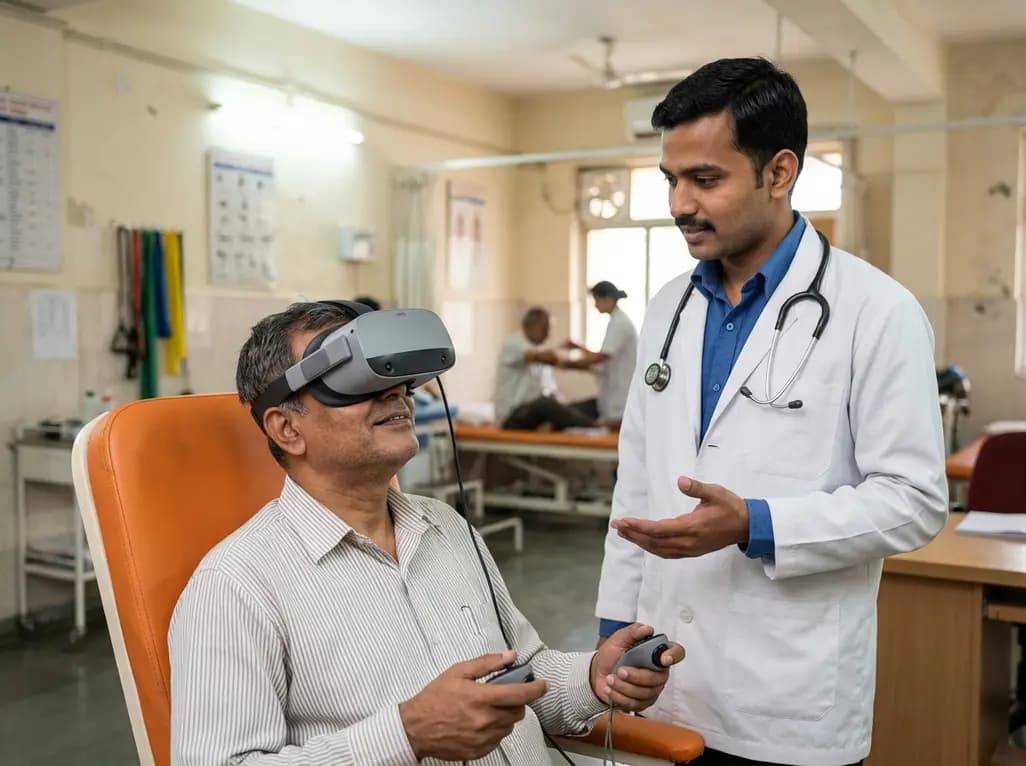
A recent scoping review highlights the efficacy, usability, and patient satisfaction of virtual reality pain management for chronic musculoskeletal pain, emphasizing psychotherapy-based VR protocols.
Today
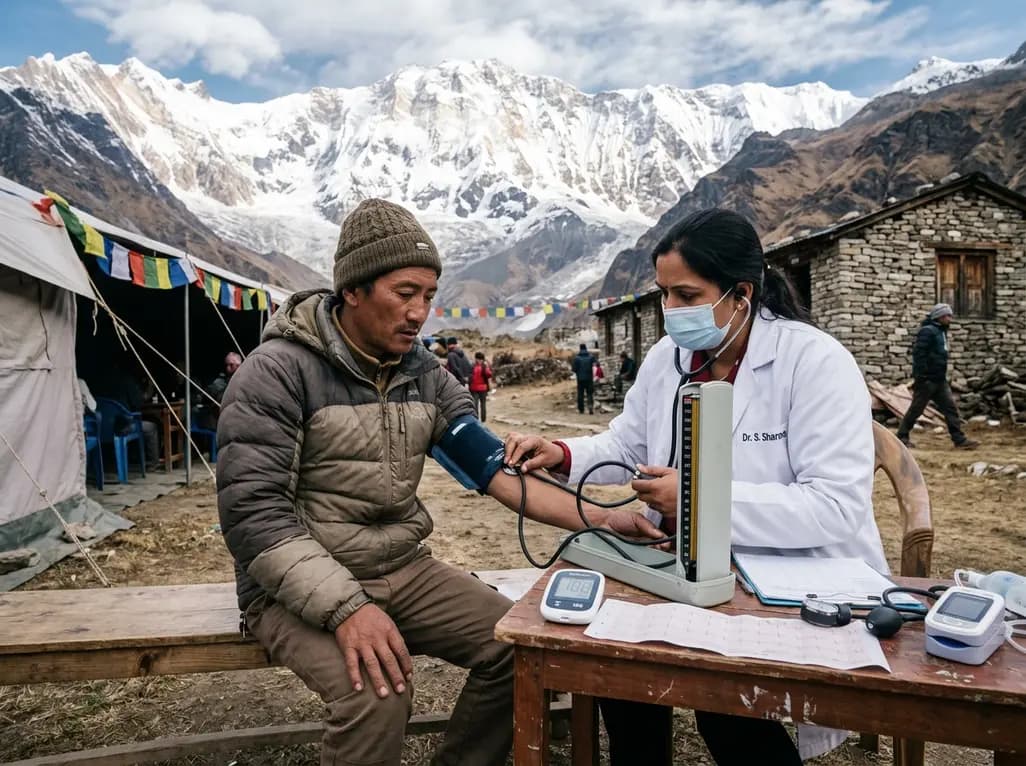
A cross-sectional study in Nepal evaluates cardiovascular risk factors among adults working above 4,000 meters. The findings reveal unexpected rates of diabetes, hypertension, and mountain sickness, underscoring the urgent need for targeted cardiometabolic screening in high-altitude occupational cohorts.
Today
