.webp&w=384&q=75)

Loading, please wait...
Loading, please wait...

Acute esophageal necrosis, also commonly known as black esophagus or Gurvits syndrome, is a rare but life-threatening clinical entity. This condition is characterized by a striking endoscopic appearance of diffuse, circumferential black discoloration of the distal esophageal mucosa. While approximately 90% of patients present with overt upper gastrointestinal bleeding, such as hematemesis or melena, some cases exhibit atypical symptoms. For instance, a recent case involved a 71-year-old patient presenting with odynophagia and chest pain rather than bleeding. Recognizing acute esophageal necrosis early is vital for preventing severe complications like perforation or stricture formation.
The development of this condition is widely believed to follow a "two-hit hypothesis." This model suggests that a combination of factors must occur simultaneously to trigger tissue death. Specifically, the first hit usually involves a state of low-flow vascular perfusion or systemic ischemia, often due to underlying cardiovascular disease. Because the distal third of the esophagus has a relatively limited blood supply, it is particularly vulnerable to hemodynamic shifts. Consequently, when a second hit occurs—such as a massive reflux of gastric acid or a local infection—the compromised mucosa cannot repair itself. Therefore, the synergistic effect of ischemia and impaired mucosal defense leads to the characteristic necrotizing changes seen on endoscopy.
Timely intervention is the cornerstone of managing acute esophageal necrosis. Because the condition is often multifactorial, clinicians must address both the esophageal damage and the underlying systemic triggers. Management typically involves aggressive fluid resuscitation, bowel rest, and high-dose intravenous proton pump inhibitors. Additionally, if an infection like Candida is present, antifungal therapy becomes necessary. In the case mentioned above, the patient showed complete mucosal healing after several weeks of conservative treatment with esomeprazole and sucralfate. Moreover, maintaining a high index of clinical suspicion in high-risk patients with atherosclerosis or GERD can significantly reduce morbidity and mortality rates.
The two-hit hypothesis suggests that acute esophageal necrosis results from a combination of systemic ischemia (low blood flow) and local mucosal injury (such as acid reflux or infection) acting together.
No, most cases are managed conservatively with medical therapy and supportive care. Surgery is generally reserved for severe complications like esophageal perforation or mediastinitis.
The distal third of the esophagus has a more precarious blood supply and less collateral circulation compared to the proximal sections, making it highly susceptible to ischemic injury.
Disclaimer: This content is for informational and educational purposes only. It does not constitute medical advice or a professional relationship. Refer to the latest local and national guidelines for clinical practice.
References
Ingawale S et al. The two-hit hypothesis in acute esophageal necrosis: black esophagus in severe atherosclerosis and untreated gastroesophageal reflux disease: a case report. J Med Case Rep. 2026 Mar 04. doi: 10.1186/s13256-026-05899-y. PMID: 41782134.
Gurvits GE. Black esophagus: acute esophageal necrosis syndrome. World J Gastroenterol. 2010;16(26):3219-25.
Dias E, Santos-Antunes J, Macedo G. Diagnosis and management of acute esophageal necrosis. Eur J Gastroenterol Hepatol. 2019;31(2):117-122.
"
Read summarized clinical updates, watch expert medical content, and earn CME certifications right from your smartphone.
Open your smartphone camera to scan and install.





A case report detailing an atypical, non-bleeding presentation of acute esophageal necrosis and the significance of the two-hit hypothesis in its pathogenes...
7 months ago
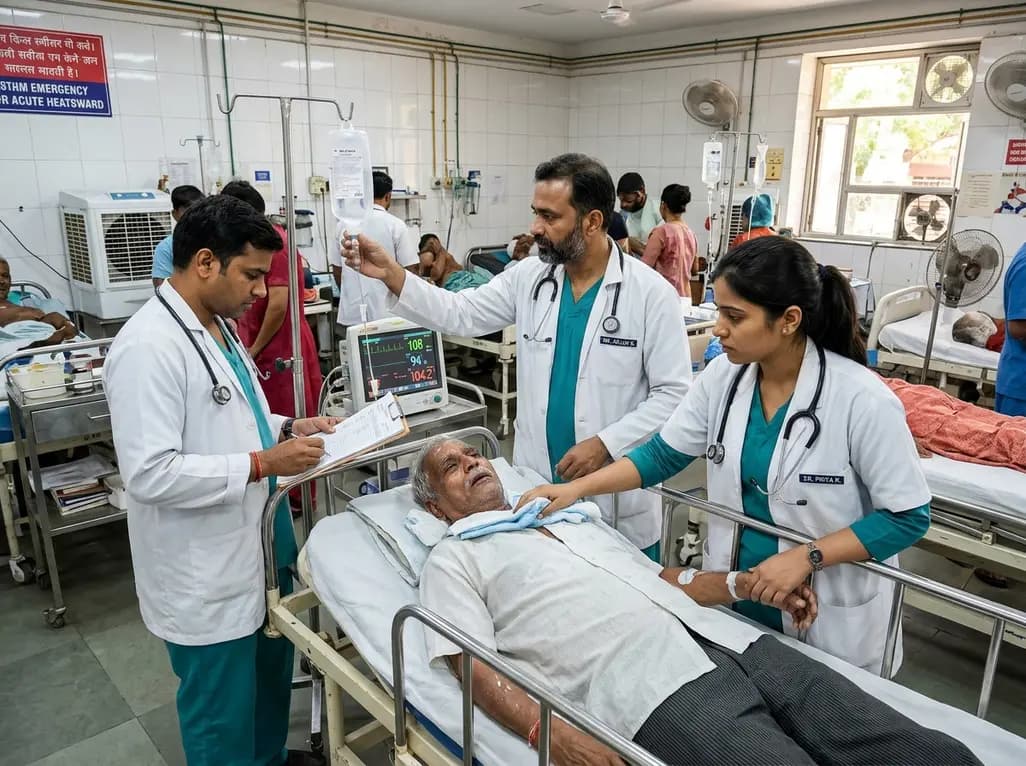
Recent epidemiological data reveals a dramatic surge in summer heat mortality driven by human-induced climate warming. This analysis explores the pathophysiological impacts on cardiac and renal systems, diagnostic dilemmas in death certification, and essential emergency cooling protocols for acute clinical care.
Today
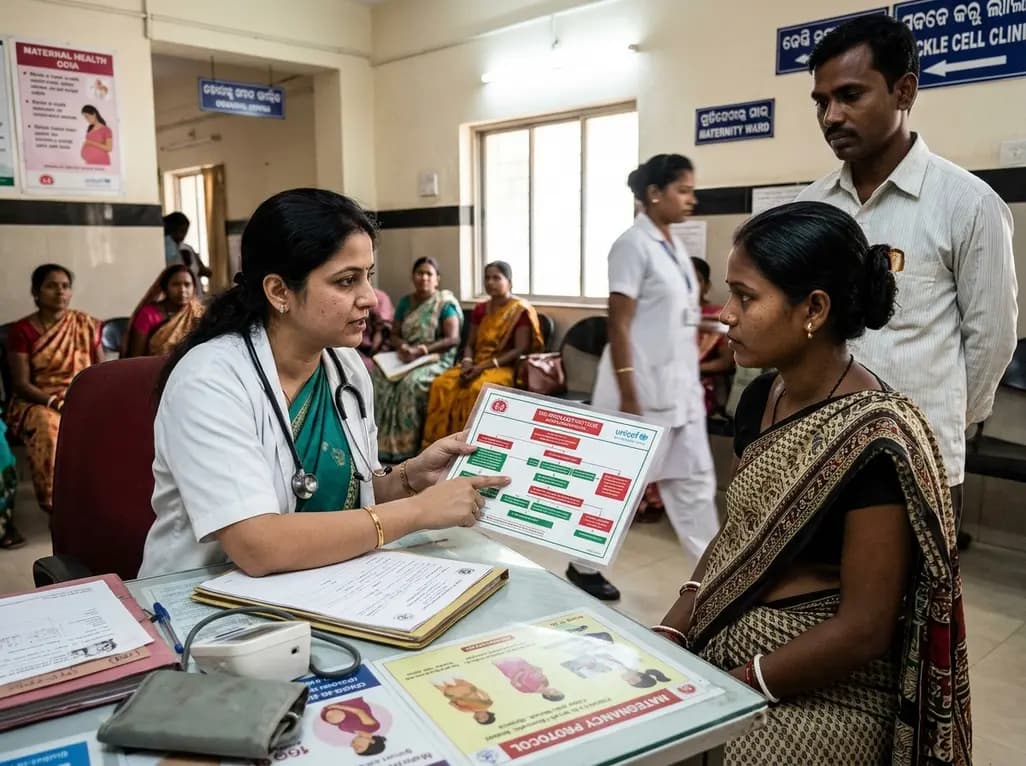
Odisha has established India's first state-level clinical protocol specifically tailored for pregnant women with sickle cell disease. Developed with NHM and UNICEF, the framework provides structured antenatal screening, crisis mitigation, standardized referral pathways, and specialized interdisciplinary care.
Today

India is advancing preventive healthcare by integrating genomics, artificial intelligence, and quantum technologies. With the SANGAM programme sequencing one million Indian genomes, clinicians can unlock personalized therapies, detect cardiometabolic risks early, and curb the burden of diabetes and heart disease.
Today

A randomized controlled trial demonstrates that an eight-week dual-task training intervention significantly improves static and dynamic postural control over standard balance exercises in individuals with chronic ankle instability, addressing critical neurocognitive deficits during athletic and daily activities.
Today

A retrospective cohort study of 7,716 ICU patients from the MIMIC-IV database demonstrates that Gradient Boosting Decision Trees significantly outperform traditional SOFA scores in predicting in-hospital mortality among patients with sepsis and diabetes, with SHAP analysis providing clinical interpretability.
Today
