.webp&w=384&q=75)

Loading, please wait...
Loading, please wait...
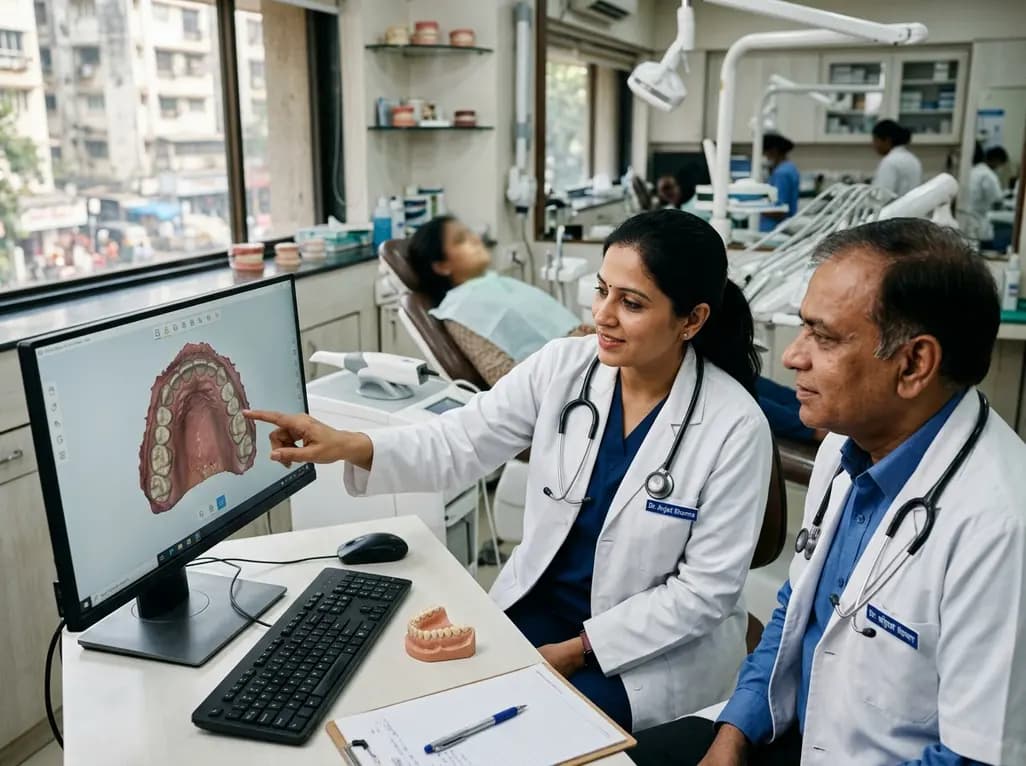
Digital impression technology has revolutionized modern prosthodontics by replacing conventional elastomeric impressions with rapid optical scanning. In recent years, dental manufacturers have integrated artificial intelligence to streamline digital workflows and improve diagnostic accuracy. The integration of AI in intraoral scanners promises to automate labor-intensive steps, optimize scan quality, and minimize chairside adjustments. However, clinicians need evidence-based validation to understand whether these software modules reliably enhance scanning trueness and precision. A systematic review by Revilla-León and colleagues critically examined the accuracy of artificial intelligence functions embedded in modern intraoral scanners. This clinical review evaluates current evidence on AI performance across digital impression procedures.
Digital dentistry continues to transform restorative protocols across modern clinical practice. Historically, intraoral scanning required careful manual control to prevent recording mobile soft tissues, such as the tongue, cheeks, and saliva droplets. When unwanted soft tissues entered the optical path, clinicians spent valuable time rescanning or manually deleting artifacts. To overcome these routine challenges, software engineers incorporated machine learning algorithms directly into scanner acquisition engines. Today, modern scanner software utilizes deep learning models trained on vast anatomical libraries. These intelligent networks identify target tooth surfaces while filtering out unwanted optical noise in real time. Furthermore, intelligent systems assist during implant identification and virtual jaw articulation. As artificial intelligence expands into digital prosthodontics, evaluating algorithmic accuracy becomes essential for predictable treatment outcomes.
One of the most practical applications of artificial intelligence involves real-time soft tissue filtering and automated mesh cleaning. During complete arch digital impressions, mobile oral tissues frequently disrupt the continuous image stitching process. Artificial intelligence cleaning modules automatically identify, isolate, and remove these non-dental structures without interrupting the scanning sequence. Evidence from the systematic review indicates that AI-assisted scanning algorithms significantly improve complete arch scan accuracy. Specifically, algorithms that refine scan data demonstrate a lower root mean square error compared to unassisted scanning sequences. Consequently, this smart filtering reduces digital surface distortions and generates cleaner polygonal meshes. Moreover, automated mesh optimization minimizes post-processing labor for clinicians and dental technicians. Therefore, automated cleaning provides a reliable tool for enhancing full-arch scanning efficiency.
Accurate digital impressions for dental implants depend on precise spatial recognition of implant scan bodies. Traditionally, clinicians manually align the scanned scan body with the manufacturer's computer-aided design library file. Recently, manufacturers introduced automated registration software powered by artificial intelligence to replace manual matching. However, the systematic review revealed conflicting findings regarding the accuracy of automated implant scan body alignment. In one evaluated investigation, automated registration improved spatial accuracy, whereas another study reported reduced accuracy compared to manual protocols. Differences in scan body geometry, surface material reflectivity, and scanning strategies significantly affect algorithmic recognition. Furthermore, complete arch edentulous spaces lack distinct anatomical reference points. Consequently, clinicians must visually verify library file matching before sending digital files for custom abutment manufacturing.
Capturing accurate interocclusal records remains one of the most critical steps in fixed prosthodontic treatments. Intraoral scanners record buccal bite registrations to align maxillary and mandibular digital casts into maximum intercuspation position. However, virtual articulation often produces artificial interpenetrations or occlusal collisions due to software alignment errors. Software developers created artificial intelligence algorithms specifically designed to detect and correct these occlusal collisions automatically. The systematic review evaluated four studies examining this function and discovered promising results in fully dentate arches. In three investigations, automated collision correction significantly improved virtual articulation accuracy in completely dentate patients. Conversely, one study noted variable outcomes in partially edentulous arches. Therefore, clinicians should verify occlusal contact patterns with physical articulating foils during try-in appointments.
The integration of automated digital workflows directly impacts daily prosthodontic success and laboratory communication. When software correctly optimizes mesh quality and articulates digital casts, dental laboratories spend less time adjusting virtual dies. Consequently, patients experience fewer occlusal interferences, shorter fitting appointments, and improved restoration longevity. Moreover, chairside efficiency increases when dental teams spend less time manually trimming soft tissue artifacts during impression appointments. Nevertheless, dental professionals must remember that artificial intelligence remains an adjunctive decision-support tool rather than a replacement for clinical expertise. Because algorithmic performance varies between scanner brands and software generations, dental teams must follow validated manufacturer protocols. Adopting a balanced approach ensures that practitioners leverage automation while maintaining strict quality control over patient restorations.
Despite encouraging technological advancements, scientific evidence supporting artificial intelligence in intraoral digitizing systems remains limited. Most available studies evaluate specific scanner hardware and proprietary software versions under controlled in vitro conditions. Consequently, real-world clinical variables such as patient movement, limited mouth opening, saliva flow, and ambient lighting can alter algorithm behavior. Future research must focus on well-designed clinical trials comparing automated tools against standardized conventional methods. Furthermore, artificial intelligence developers need to refine recognition algorithms for diverse implant hardware and extensive edentulous configurations. Clinicians should stay updated with emerging literature to ensure that digital adoption translates into measurable clinical precision. Continuous technical education enables dental teams to harness digital innovations safely and predictably.
Artificial intelligence improves intraoral scanner accuracy primarily by filtering out dynamic soft tissue artifacts such as the tongue and cheeks in real time. By automatically isolating dental structures and refining the polygonal mesh, intelligent algorithms reduce stitching errors and root mean square discrepancies. This continuous data cleaning ensures smoother digital impressions, enhances complete arch trueness, and significantly reduces the manual post-processing required by clinicians and dental technicians.
Current scientific evidence indicates that automated implant scan body alignment produces mixed results rather than guaranteed superior accuracy. While some software algorithms improve alignment precision, others demonstrate reduced accuracy compared to manual matching. Variations in scan body design, material reflectivity, and edentulous spans heavily influence algorithmic success. Therefore, clinicians must carefully verify automated library alignments manually before sending digital files to dental laboratories for custom abutment fabrication.
Artificial intelligence reliably corrects occlusal collisions and refines maximum intercuspation alignment in fully dentate arches. However, its accuracy becomes variable in partially edentulous cases where anatomical landmarks are limited. Clinicians treating extensive edentulous spans should not rely entirely on automated articulation software. Instead, practitioners must evaluate interocclusal clearances chairside using physical articulating media and verify digital occlusal contacts before restorative design.
Disclaimer: This content is for informational and educational purposes only. It is not intended to be a substitute for professional medical or dental advice, diagnosis, or treatment. Always seek the advice of your physician, dentist, or other qualified health provider with any questions you may have regarding a medical condition or clinical procedure. Refer to the latest local and national guidelines for clinical practice.
References

Read summarized clinical updates, watch expert medical content, and earn CME certifications right from your smartphone.
Open your smartphone camera to scan and install.





A systematic review assesses the accuracy of AI-based applications in intraoral scanners, evaluating automated soft tissue cleaning, implant scan body registration, and occlusal collision correction across clinical restorative workflows.
last month
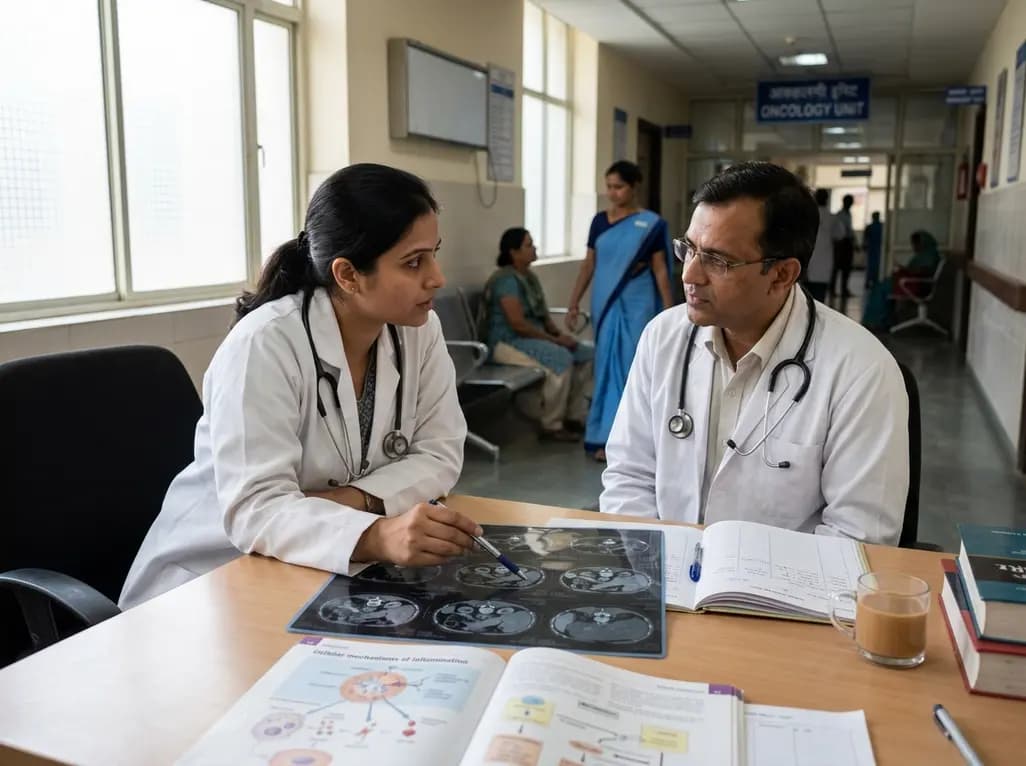
Pancreatic cancer cachexia affects over 80% of patients, driving severe muscle wasting, systemic inflammation, and treatment intolerance. This review highlights key pathophysiological drivers, exocrine insufficiency, objective CT imaging, and emerging therapies like GDF-15 inhibitors to improve clinical outcomes.
Today

A scoping review reveals how pregnancy affects phonation through laryngeal edema and reduced phonation time rather than major acoustic pitch alterations. Learn how to identify, evaluate, and manage vocal symptoms in expectant mothers.
Today
According to WHO data, average lifespan reached 73.3 years in 2023, recovering from pandemic lows. However, healthy life expectancy lags at 62.8 years due to surging noncommunicable conditions like cardiovascular disease and dementia, demanding proactive primary screening and sustained chronic care.
Today
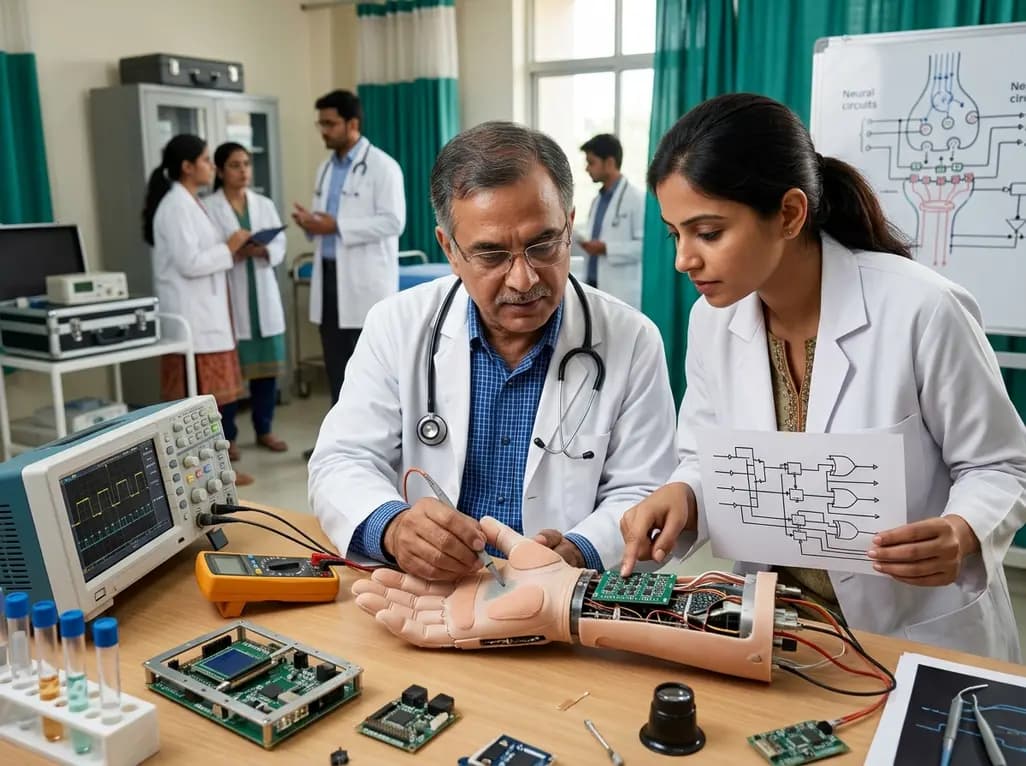
Researchers have engineered an artificial sensory-pain integrated receptor using a multi-threshold organic synaptic transistor. The system distinguishes benign touch from noxious stimuli, enabling safer, more responsive prosthetic limbs with built-in memory and simplified hardware architecture.
Today
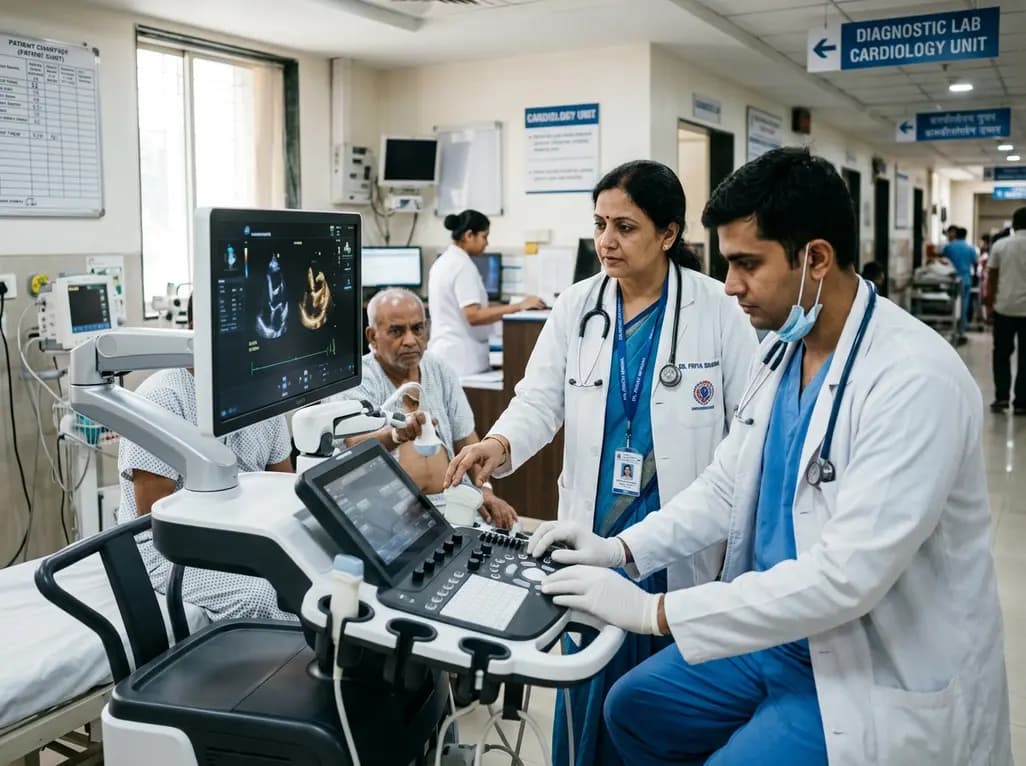
Medical robotics is transitioning beyond operative suites into diagnostics, cardiology, and endocrinology. Explore how innovations in tele-robotics, AI integration, and nanomedicine are overcoming geographical barriers and transforming precision healthcare delivery across India's evolving disease landscape.
Today
