.webp&w=384&q=75)

Loading, please wait...
Loading, please wait...
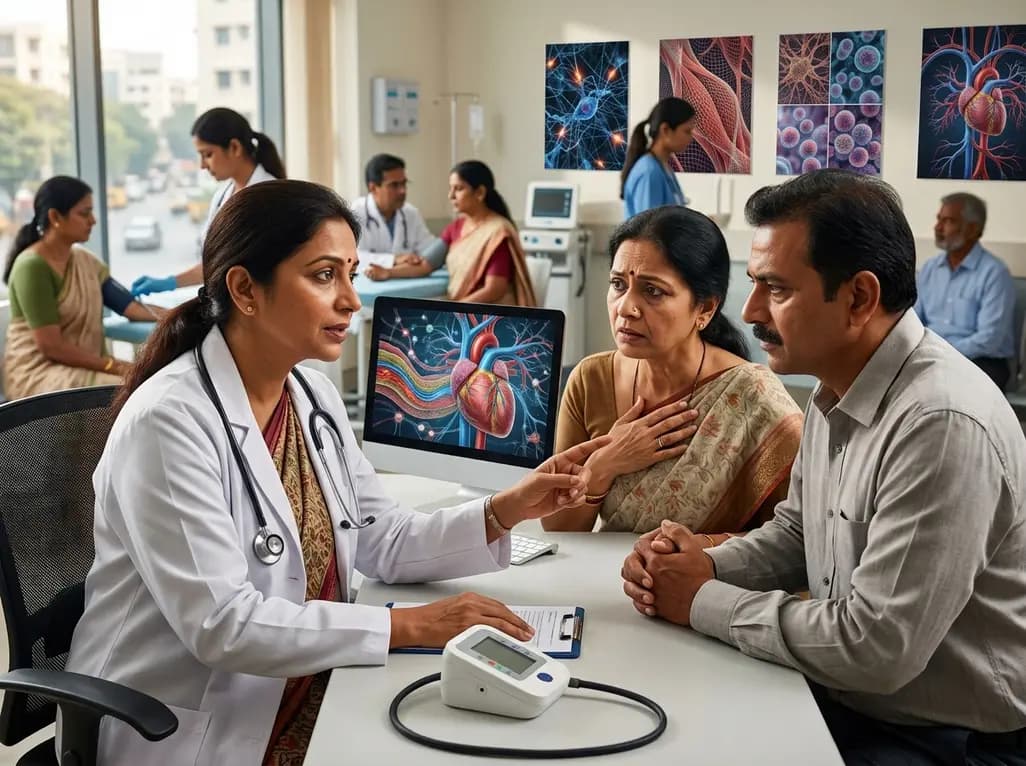
A groundbreaking national study conducted by the Indian Council of Medical Research (ICMR) has revealed a massive public health crisis unfolding silently across India. Specifically, the ICMR-INDIAB study highlights that nearly nine out of ten Indian adults now live with at least one form of abnormal blood lipids. Dyslipidemia, which represents an unhealthy imbalance of fats in the bloodstream, has emerged as a major yet frequently ignored threat to cardiovascular health. Patients rarely feel the onset of high cholesterol or elevated triglycerides because these metabolic shifts occur without immediate physical symptoms. However, these hidden biochemical changes steadily build up over time. Ultimately, they damage the arterial walls and set the stage for severe cardiovascular events. Clinicians must recognize that this silent epidemic is no longer confined to small, high-risk cohorts. Instead, abnormal lipid profiles have become a widespread metabolic baseline for the majority of the adult population in India. Early screening and targeted interventions are therefore essential to mitigate future cardiovascular mortality.
According to the extensive data analyzed in this national cross-sectional study, approximately 87.3% to 90% of Indian adults present with at least one lipid abnormality. Consequently, abnormal blood lipids represent one of the most pervasive metabolic challenges in modern Indian healthcare. The research analyzed lipid profiles from a large, representative cohort of over 23,665 participants. The researchers observed significant geographic disparities across the country. For example, Central India demonstrated the highest overall prevalence of dyslipidemia, reaching an alarming 89.1%. In contrast, the North-East region reported the lowest regional rate at approximately 85.3%. However, even this lowest figure indicates that more than eight out of ten adults in the North-East suffer from lipid imbalances. These numbers prove that lipid issues cross all regional boundaries. Furthermore, the data suggests that these silent lipid abnormalities often begin early in life, frequently manifesting in patients who are only in their 30s. Physicians must therefore adopt a proactive approach to lipid screening rather than waiting for classic cardiovascular risk factors to develop in older age groups.
The study highlights a highly specific pattern of dyslipidemia that characterizes the South Asian population. Specifically, low levels of high-density lipoprotein (HDL) cholesterol, often termed the protective or 'good' cholesterol, emerged as the single most common abnormality. This specific issue affected 66.8% of all analyzed adults in the national sample. In addition, elevated levels of low-density lipoprotein (LDL) or 'bad' cholesterol and raised triglycerides were extremely common, affecting approximately 49.4% and 29.5% of the population, respectively. Genetic predisposition certainly plays a substantial role in these low HDL levels. However, daily lifestyle habits and dietary choices exert an equally powerful influence. The typical Indian diet relies heavily on refined carbohydrates. Consequently, high carbohydrate intake naturally drives up blood triglyceride levels while simultaneously driving down protective HDL cholesterol. This unfavorable ratio significantly accelerates the development of fatty plaques in the coronary and cerebral arteries. As a result, many patients experience multiple, coexisting lipid abnormalities that compound their overall risk of heart attack and stroke.
An important finding of the ICMR-INDIAB study is how closely abnormal blood lipids intertwine with other chronic metabolic conditions. Specifically, the prevalence of dyslipidemia rises sharply in individuals who also struggle with obesity, prediabetes, diabetes, or hypertension. Dr. Mohan Deepa, the first author of the study, noted that lipid abnormalities climb steadily in direct correlation with an increasing body mass index. This biochemical synergy occurs because excess adipose tissue and insulin resistance disrupt normal lipid clearance mechanisms. Consequently, a patient with uncontrolled glycemia or elevated blood pressure is far more likely to harbor highly atherogenic lipid profiles. When diabetes and dyslipidemia coexist, they multiply the patient's cardiovascular risk exponentially. Therefore, clinicians cannot treat these conditions in isolation. Management plans must address the entire metabolic syndrome holistically. If doctors only manage blood glucose or blood pressure while ignoring abnormal lipids, they fail to address the core driver of vascular damage. Integrated metabolic care must become the gold standard in clinical practice.
The national data also exposes significant demographic disparities in the distribution of dyslipidemia across the country. Specifically, women, urban dwellers, and individuals residing in Central India carry a disproportionately heavier burden of these lipid imbalances. Urbanization plays a central role in these trends because city life promotes sedentary behaviors, high stress levels, and easy access to processed foods. Moreover, women face unique hormonal shifts throughout their lives that can adversely affect their lipid metabolism. Despite these clear demographic risks, many individuals remain undiagnosed because abnormal lipids produce no physical discomfort. You simply do not feel high cholesterol in the way you feel acute chest pain or shortness of breath. Consequently, these silent numbers on a lab report slowly lead to the formation of arterial plaques. If left unchecked, these plaques can eventually rupture and block critical blood flow to the heart or brain. Thus, targeted screening programs must actively reach out to these highly vulnerable demographic groups to prevent catastrophic cardiovascular events.
Addressing this widespread crisis requires a dual approach that combines aggressive lifestyle modification with pharmacological treatment when appropriate. To combat the high-carbohydrate lifestyle that drives low HDL and high triglycerides, experts advocate for a structured dietary shift. Specifically, medical educators recommend adopting the 'plate concept' to guide daily nutrition. Under this model, half of the dietary plate should consist of fiber-rich vegetables and fruits. Additionally, one-quarter should contain healthy proteins, and only the remaining one-quarter should feature carbohydrates. This simple dietary adjustment can significantly lower triglycerides and help restore healthy lipid ratios. Regular physical exercise and weight management are also critical, as they directly improve metabolic health and insulin sensitivity. However, when lifestyle modifications alone fail to achieve target lipid levels, clinicians must promptly initiate medical therapy. Statins and other lipid-lowering agents remain highly effective tools for cardiovascular primary prevention. Ultimately, a comprehensive strategy combining strict dietary discipline, regular exercise, and timely pharmacotherapy is necessary to reverse India's worsening lipid crisis.
Q1: Why is low HDL cholesterol so common among Indian adults?
Low HDL cholesterol levels are highly prevalent in India due to a combination of genetic predisposition and dietary habits. Specifically, the typical Indian diet is heavily carbohydrate-dense. Consuming excess refined carbohydrates drives up triglyceride levels, which biochemically suppresses the protective HDL cholesterol. To combat this issue, patients must reduce their carbohydrate intake, consume more healthy fats and proteins, and engage in regular cardiovascular exercise to naturally raise their HDL levels.
Q2: How does the 'plate concept' help manage abnormal blood lipids?
The dietary plate concept helps manage lipid imbalances by restructuring macronutrient proportions. Patients should fill half of their plate with non-starchy vegetables and fruits to ensure adequate fiber intake. One-quarter of the plate should contain lean proteins, while only the final quarter should consist of complex carbohydrates. This simple strategy effectively limits refined carbohydrate consumption, thereby lowering elevated triglycerides and improving overall cardiovascular health outcomes.
Q3: When should a clinician initiate drug therapy for dyslipidemia?
Clinicians should initiate pharmacological therapy, such as statins, when lifestyle modifications fail to lower lipid parameters to safe target ranges. In addition, drug therapy is necessary for high-risk patients who present with pre-existing cardiovascular disease, diabetes, or severe hypertension. For these individuals, starting medication promptly is critical to prevent plaque progression and reduce the immediate risk of life-threatening events like heart attacks and strokes.
Disclaimer: This content is for informational and educational purposes only. It does not constitute medical advice or replace professional judgment. Refer to the latest local and national guidelines for clinical practice.
References

Read summarized clinical updates, watch expert medical content, and earn CME certifications right from your smartphone.
Open your smartphone camera to scan and install.





The landmark ICMR-INDIAB study reveals that nearly 90% of Indian adults have abnormal blood lipids, highlighting a silent cardiovascular epidemic. Learn about the disproportionate burden on women, urban dwellers, and patients with diabetes or hypertension, and explore essential clinical management strategies.
3 months ago
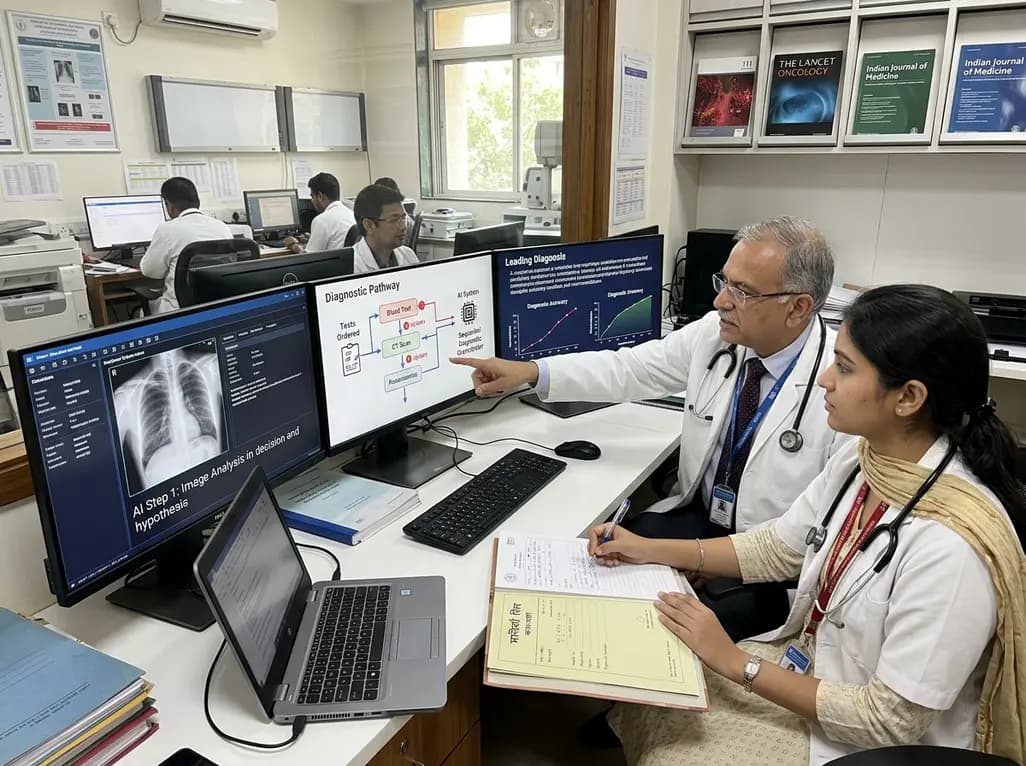
A breakthrough peer-reviewed study demonstrates that a sequential AI diagnosis system can mirror real-world clinical reasoning. By ordering stepwise tests and updating hypotheses dynamically, this multi-agent orchestrator achieved superior diagnostic accuracy while reducing investigative costs.
Today

A prenatal case highlights severe glutaric acidemia type II presenting as bilateral hyperechoic cystic kidneys at 18 weeks. Whole-exome sequencing revealed a novel homozygous ETFDH frameshift variant, demonstrating the power of rapid genetic testing in fetal renal anomalies.
Today

Review how tailored exercise programs benefit frail older patients with heart failure. Explore pathophysiological mechanisms, individualized training prescriptions, and strategies to overcome adherence barriers in clinical practice.
Yesterday

This comparative study evaluates posterior labral tears with and without glenohumeral instability, highlighting distinct demographic patterns, MRI underestimation in stable shoulders, and successful arthroscopic repair outcomes.
Yesterday

A clinical study demonstrates that early intervention with tocilizumab, either as monotherapy or bridged with corticosteroids, achieves significant proptosis reduction and resolves active inflammation in treatment-naive thyroid eye disease.
Yesterday
