.webp&w=384&q=75)

Loading, please wait...
Loading, please wait...

Accurate quantification of islet mass is critical for the preclinical evaluation of stem cell-derived therapies. Recently, researchers introduced a 3D IEQ framework to resolve longstanding inaccuracies in islet volume estimation. This geometry-informed approach uses automated image segmentation to ensure that transplant doses remain biologically relevant. Consequently, this innovation supports the translational development of next-generation diabetes treatments in India and globally.
For several decades, the Ricordi islet equivalent (IEQ) approach served as the industry standard. However, this method frequently relies on maximal diameters and discrete size bins, which tend to overestimate islet volume. Notably, such systematic errors can lead to under-dosing in clinical scenarios because the actual mass of the transplanted tissue is lower than calculated. In contrast, the new 3D IEQ framework models islet clusters as ellipsoids. This shift allows for continuous calculations relative to a reference 150 μm spherical islet, significantly reducing measurement bias.
In a recent pivotal study, researchers found that major-axis (prolate) rotation provided the most conservative and physically plausible volume estimates. Specifically, the data suggested that diameter-based approaches systematically overestimated the functional mass. Furthermore, functional assays demonstrated that islet clusters below 250 μm maintained consistent insulin output across categories. Therefore, the 3D modeling approach offers a mathematically consistent scale for estimating functional mass across diverse cluster sizes. Moreover, this precision allows scientists to standardize doses more effectively during early-stage research.
The biological relevance of this framework was confirmed using diabetic mouse models. In addition, mice receiving islet doses based on major-axis modeling exhibited faster and more stable restoration of glycemia compared to other groups. This stability occurred because the dose estimation reflected the true biological mass more accurately. As stem cell-derived islet therapies move toward human clinical trials, adopting the 3D IEQ framework will be vital for establishing safe and effective dosing protocols. Ultimately, such high-fidelity quantification will enhance the long-term success of beta-cell replacement therapies for type 1 diabetes.
The 3D IEQ framework is an automated modeling system that utilizes image segmentation and ellipsoid fitting to quantify the volume of islet clusters more accurately than traditional 2D methods.
Accurate quantification ensures that researchers and clinicians provide the correct biological dose during transplantation. This precision is essential for achieving and maintaining normal blood glucose levels in patients.
Disclaimer: This content is for informational and educational purposes only and does not constitute medical advice or a professional relationship between the reader and the author. Refer to the latest local and national guidelines for clinical practice.
References

Read summarized clinical updates, watch expert medical content, and earn CME certifications right from your smartphone.
Open your smartphone camera to scan and install.





A new geometry-informed 3D IEQ framework offers precise dose estimation for stem cell-derived islet transplantation, outperforming traditional methods....
5 months ago

Novel glucose-responsive mPEG-PSA nanocarriers deliver insulin aspart on demand, achieving dual postprandial and basal glycemic control without hypoglycemia in diabetic models. This biomaterial breakthrough offers promising clinical implications for physiologic diabetes management.
Today
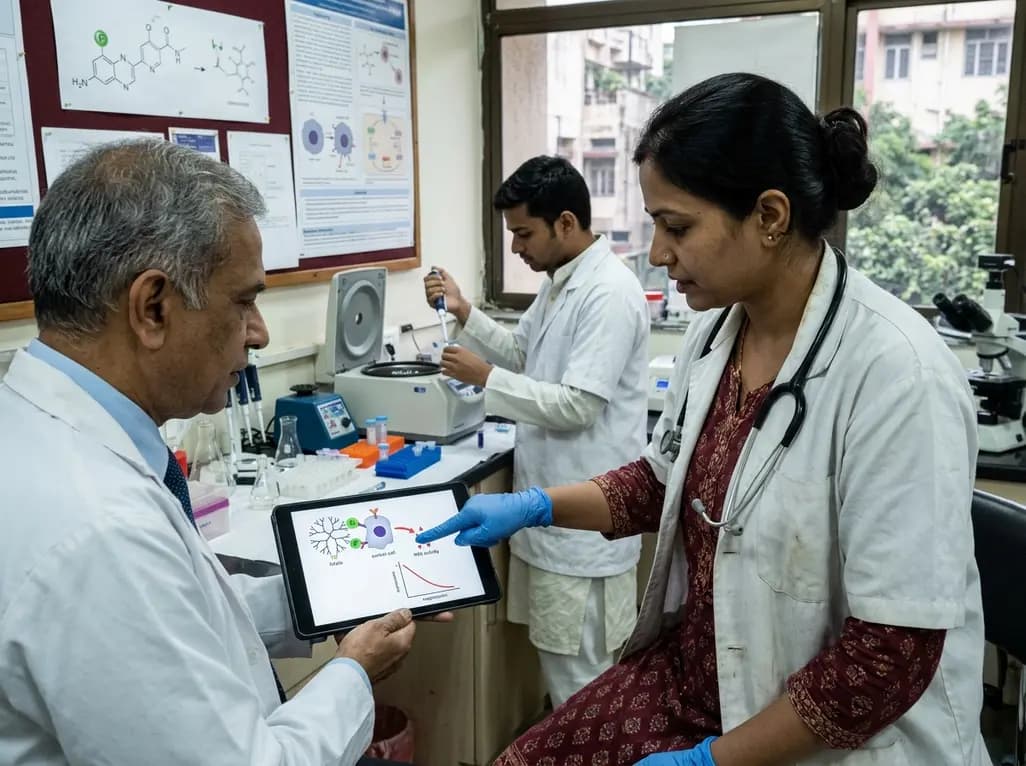
A novel folate-conjugated tecto-dendrimer nanoplatform successfully delivers siRNA to achieve targeted HK2 silencing, disrupting ovarian cancer glycolysis and suppressing lactate output.
Today
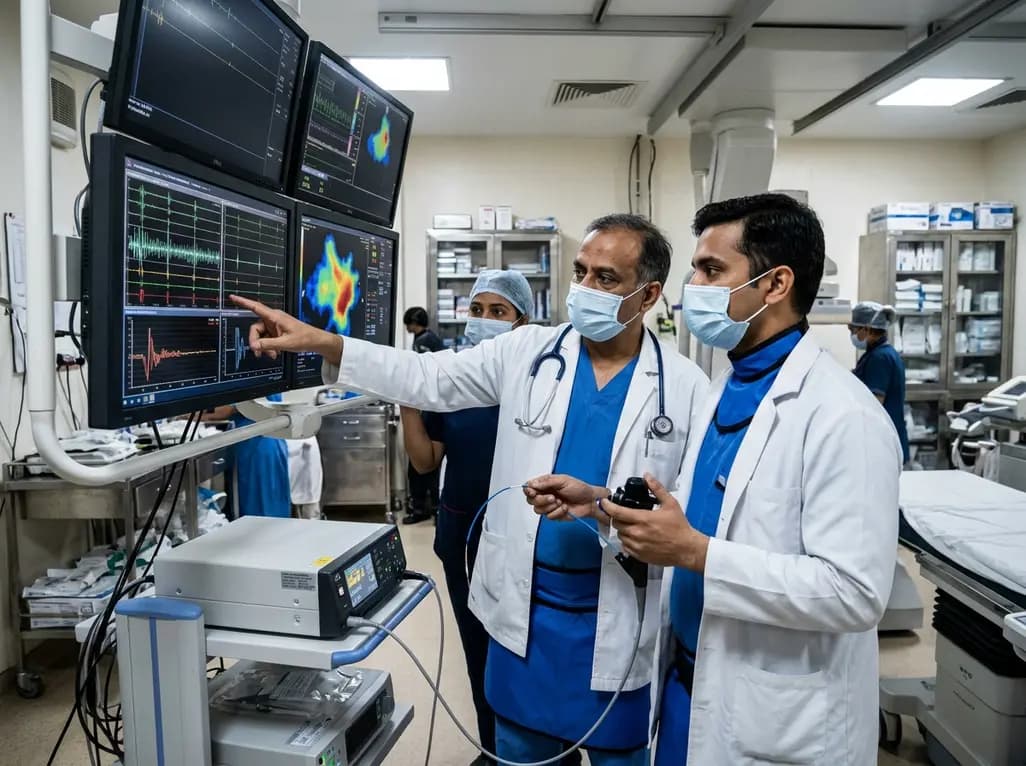
A comparative non-contact study reveals that high-power radiofrequency delivery with the QDOT MICRO catheter induces an artifactual contact force rise. Electrophysiologists must understand this power-dependent thermal and electrical phenomenon to avoid inadvertent catheter withdrawal and ineffective ablation.
Today
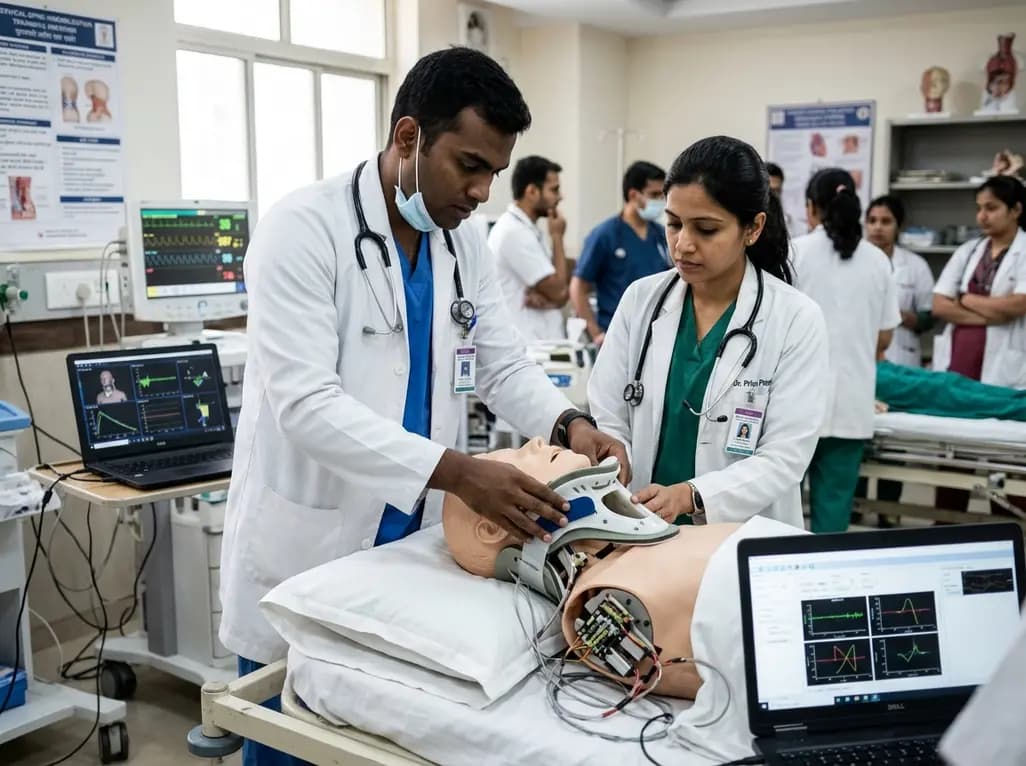
A novel proof-of-concept study presents a six-degree-of-freedom articulated manikin neck equipped with linear potentiometers. The system provides real-time kinematic motion feedback during cervical immobilisation, delivering sub-degree tracking accuracy to improve pre-hospital trauma training and patient safety.
Today

A retrospective comparative cohort study evaluated genitourinary safety in HFpEF between dapagliflozin and empagliflozin over six months. Rates of symptomatic UTI and asymptomatic bacteriuria showed no statistically significant differences, supporting comparable safety profiles across both SGLT2 inhibitors.
Today
