

Loading, please wait...
Loading, please wait...
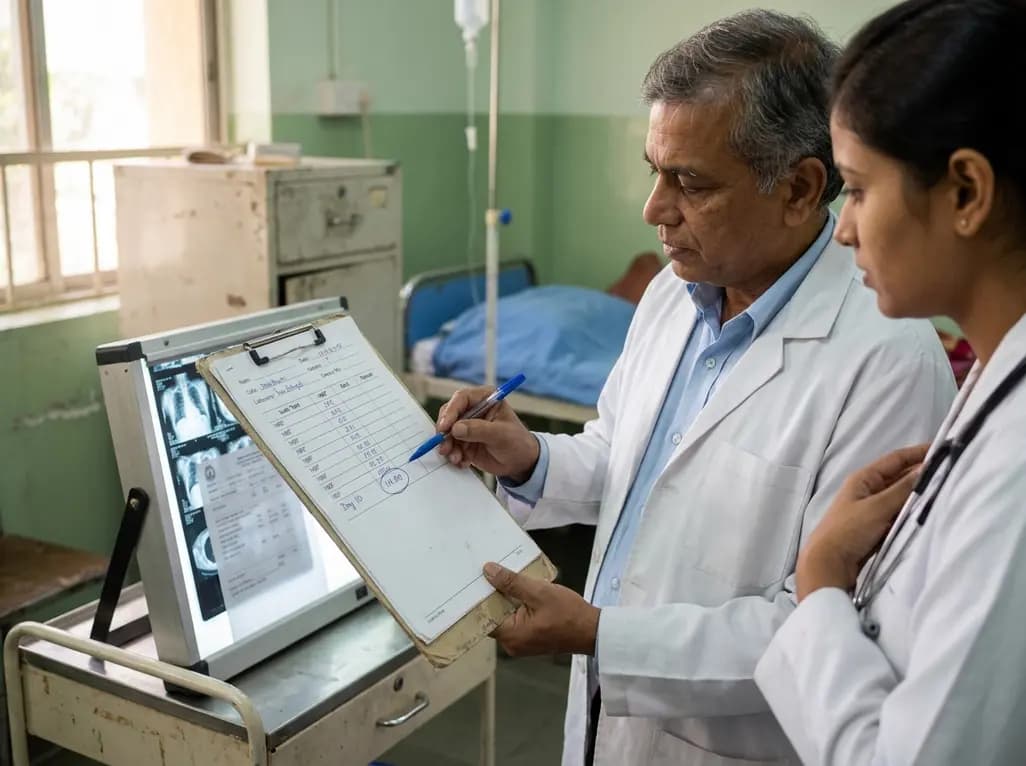
Acute myeloid leukaemia poses major therapeutic dilemmas, especially in older adults who cannot tolerate intensive remission induction protocols. Clinicians frequently turn to DNA-hypomethylating agents like decitabine to manage these patients. However, delayed therapeutic response often creates significant diagnostic uncertainty during early cycles. Recent evidence indicates that tracking fetal haemoglobin in AML may resolve this diagnostic challenge by providing a fast, non-invasive indicator of therapeutic activity.
Hypomethylating agents represent a foundational pillar in the modern therapeutic armamentarium for acute myeloid leukaemia. These compounds induce DNA hypomethylation, which reactivates silenced tumour suppressor genes and encourages malignant cell differentiation. Consequently, many older adults achieve disease control without the debilitating toxicities linked to conventional intensive cytotoxic regimens. Nevertheless, clinicians face major challenges when evaluating response kinetics in daily clinical practice.
Unlike standard intensive induction chemotherapy, hypomethylating agents rarely produce immediate marrow clearance. Instead, patients typically require multiple cycles before showing clear signs of hematologic improvement or morphological remission. Therefore, treating oncologists often wait several months before confirming therapeutic failure or success. During this extended waiting window, non-responding patients experience ongoing cytopenias, infectious complications, and bleeding events. Thus, identifying early surrogate biomarkers of response represents an urgent clinical priority in hematologic oncology.
The human beta-globin gene complex undergoes tightly controlled epigenetic regulation throughout physiological ontogeny. Epigenetic silencing through targeted promoter hypermethylation maintains the postnatal suppression of gamma-globin genes, which encode fetal haemoglobin. When patients receive decitabine, this hypomethylating agent incorporates into DNA during cellular replication and inhibits DNA methyltransferase activity. Consequently, targeted promoter demethylation allows transcriptional machinery to access the silenced locus.
Therefore, decitabine directly induces gamma-globin transcription, driving the synthesis of fetal haemoglobin in erythroblasts. Because this molecular reactivation reflects functional pharmacodynamic activity at the epigenetic level, changes in globin expression serve as an organic sensor for drug-induced demethylation. Earlier pilot investigations suggested that this dynamic transcriptional reactivation correlates with broader antileukemic activity. However, small sample cohorts and single-centre trial designs historically prevented the broad translation of these observations into standard clinical practice.
The landmark EORTC-1301 AML21 randomized phase 3 trial investigated treatment outcomes among 606 fit older patients with acute myeloid leukaemia. Investigators randomized participants to receive either a ten-day decitabine protocol or standard intensive 3+7 induction chemotherapy. To evaluate the role of epigenetic surrogates, the study prospectively monitored fetal haemoglobin concentrations across patient cohorts.
Specifically, researchers evaluated fetal haemoglobin twice during induction in the decitabine arm and at baseline within the intensive chemotherapy group. In the decitabine cohort, patients demonstrating an increase in fetal haemoglobin from baseline to day 10 achieved significantly higher odds of reaching complete remission or complete remission with incomplete count recovery. The observed odds ratio reached 2.40 with statistical significance. Interestingly, baseline levels before therapy initiation did not predict remission status or overall survival. Furthermore, fetal haemoglobin changes in the intensive chemotherapy arm showed no predictive correlation, confirming that this dynamic biomarker specifically reflects hypomethylating agent activity.
Evaluating fetal haemoglobin in AML offers an exceptionally pragmatic tool for modern clinical workflows. Routine clinical laboratories can quantify this metric using standard automated high-performance liquid chromatography or capillary electrophoresis. Therefore, community cancer centres and tertiary hospitals can easily execute these assays without investing in complex molecular testing platforms.
Because the increase manifests by day 10 of the very first therapeutic cycle, hematologists acquire actionable predictive insight remarkably early. If a patient exhibits robust early induction, the clinical team can confidently continue hypomethylating therapy through subsequent cycles. Conversely, an absence of globin elevation may highlight refractory epigenetic resistance. Consequently, clinicians can identify poor responders much sooner, facilitating prompt transitions to clinical trials, novel targeted combination partners, or supportive palliative regimens.
Although early fetal haemoglobin induction strongly correlates with morphological remission, clinicians must interpret overall survival parameters carefully. In the AML21 dataset, the hazard ratio for death comparing patients with globin elevation to those without was 0.83, which did not attain statistical significance. Therefore, while globin elevation robustly predicts cellular clearance and morphological responses, it does not automatically guarantee extended long-term survival.
Several competing factors influence overall survival in older adults with acute myeloid leukaemia. Comorbid health conditions, secondary performance decline, infectious complications during cytopenic phases, and late clonal evolution all influence final survival trajectories. Moreover, post-remission consolidation choices, including allogeneic hematopoietic cell transplantation, fundamentally alter ultimate outcomes. Thus, clinicians should utilize early globin kinetics as a guide for immediate remission likelihood rather than a definitive predictor of overall survival.
The contemporary management of acute myeloid leukaemia increasingly employs combination strategies, such as pairing hypomethylating agents with BCL-2 inhibitors like venetoclax. Consequently, future research must validate whether early globin reactivation retains its predictive accuracy when decitabine is administered alongside targeted apoptosis-inducing agents. Synergistic mechanisms may alter drug uptake, marrow clearance timelines, and erythroid kinetics.
Additionally, researchers are investigating standardized cutoff values to define clinically meaningful globin elevation. Establishing validated relative percentage thresholds will assist clinicians in differentiating genuine epigenetic reactivation from minor analytical fluctuations. Meanwhile, routine quantification during initial induction cycles offers actionable pharmacodynamic reassurance for treating physicians managing difficult clinical scenarios.
Clinicians can reliably detect changes in fetal haemoglobin as early as day 10 of the very first treatment cycle. The rapid demethylation induced by decitabine reactivates suppressed gamma-globin genes within days of exposure. Therefore, measuring levels before treatment begins and repeating the assay on day 10 provides immediate insight into biological drug activity long before standard bone marrow assessments occur.
Baseline fetal haemoglobin does not predict clinical remission or overall survival in patients receiving decitabine. The AML21 randomized trial demonstrated that pre-treatment levels showed no statistically meaningful association with complete remission rates. Instead, the dynamic increase occurring between baseline and day 10 reflects true therapeutic hypomethylation and uniquely correlates with positive treatment outcomes.
Most clinical pathology laboratories can easily measure fetal haemoglobin using routine methods, including high-performance liquid chromatography and capillary electrophoresis. These platforms are widely available in tertiary cancer hospitals and general hematology laboratories. As a result, measuring this dynamic biomarker does not require specialized genomic technologies, making it an accessible, cost-effective tool for regular monitoring.
Disclaimer: This content is for informational and educational purposes only and does not constitute medical advice, diagnosis, or treatment. Healthcare professionals should rely on their clinical judgment and verify details independently. The information reflects findings available at the time of publication and may evolve. Refer to the latest local and national guidelines for clinical practice.
References
Stomper J et al. Increase in fetal haemoglobin from baseline to day 10 is a biomarker for response to decitabine in AML: Results of the AML21 randomized phase III trial of the EORTC Leukemia Group, Gruppo Italiano Malattie Ematologiche dell'Adulto (GIMEMA) and German MDS Study Group. Br J Haematol. 2026 Nov 03. doi: 10.1111/bjh.70874. PMID: 42977697.
Lübbert M et al. Ten-day decitabine vs '3+7' in patients with AML aged ≥60 years: long-term results of the randomized phase 3 EORTC trial AML21. Blood Neoplasia. 2026;3(3):100246.
Stomper J et al. Fetal hemoglobin induction during decitabine treatment of elderly patients with high-risk myelodysplastic syndrome or acute myeloid leukemia: a potential dynamic biomarker of outcome. Haematologica. 2019;104(1):59-67.

Read summarized clinical updates, watch expert medical content, and earn CME certifications right from your smartphone.
Open your smartphone camera to scan and install.





Findings from the randomized phase 3 AML21 trial indicate that an increase in fetal haemoglobin from baseline to day 10 serves as a reliable early biomarker for complete remission in older AML patients treated with decitabine, addressing a critical need for early indicators of response.
Today

Union Minister Pratap Jadhav highlights the pivotal role of pharmacists in fighting antibiotic misuse and antimicrobial resistance. By championing rational medicine use, patient counseling, and curriculum modernization, community pharmacists stand as vital guardians of public health across India.
Today

Delhi is undergoing a major healthcare overhaul with enhanced Ayushman Bharat insurance up to ₹10 lakh, increased MBBS and PG medical training seats, expanded primary network mandirs, new tertiary neuro-ICUs, and public-private reproductive technology initiatives to build a resilient, preventative healthcare model.
Today

A landmark NIAS study reveals that regional airshed interventions can slash northern India's fine particulate levels by up to 60%. Discover the profound clinical implications of targeted emission curbs on cardiopulmonary health, chronic respiratory diseases, and population-level preventative strategies.
Today

Non-union fractures occur in 2-5% of cases, causing significant disability and cost. Conservative modalities such as LIPUS, PEMF, and focused ESWT offer non-surgical healing options for defects up to 5-10 mm when adequate mechanical stability exists without infection.
Today

A Brazilian birth cohort reveals significant sex-specific associations between preterm birth and adolescent adiposity, underscoring the urgent need for targeted long-term cardiometabolic surveillance and tailored clinical monitoring.
Today
