

Loading, please wait...
Loading, please wait...
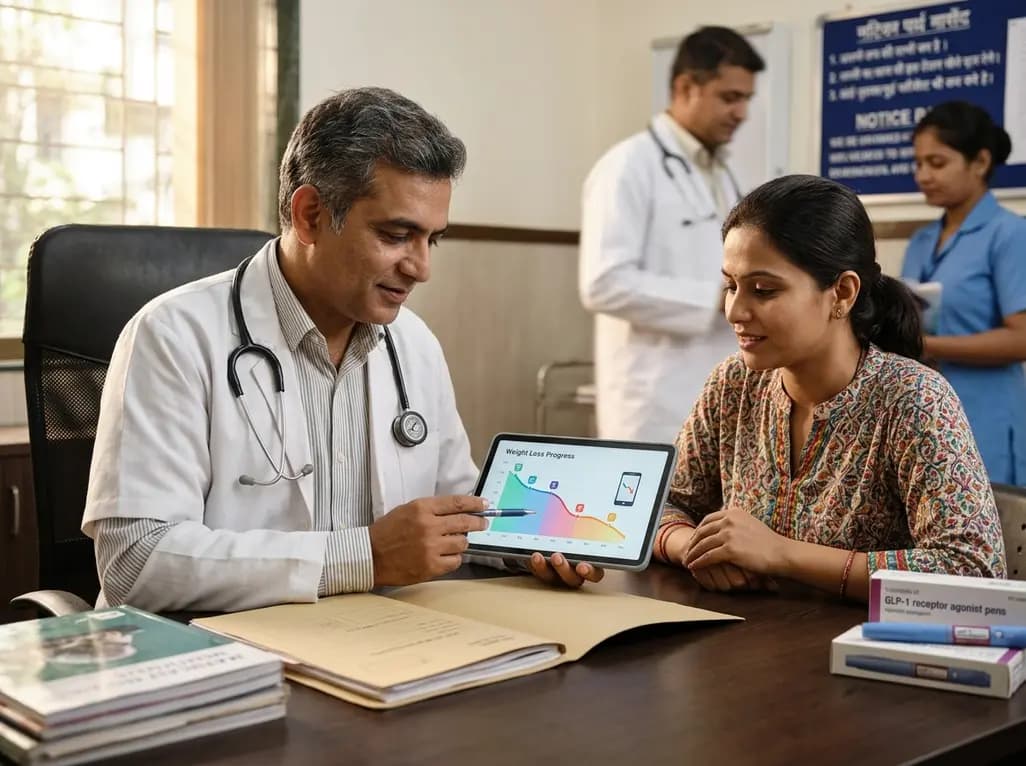
The arrival of glucagon-like peptide-1 receptor agonists has transformed modern obesity management. However, pharmacotherapy alone cannot resolve every behavioral hurdle that accompanies chronic weight reduction. Integrating GLP-1 digital health tools into outpatient regimens provides continuous guidance and accountability. Recent clinical evidence demonstrates that companion smartphone applications enhance patient engagement and boost therapeutic efficacy. Therefore, clinicians should explore digital augmentation to improve treatment persistence and optimize metabolic health across diverse populations.
Pharmacotherapy with GLP-1 receptor agonists effectively reduces appetite and delays gastric emptying. Consequently, patients achieve substantial reductions in caloric intake during early treatment phases. Nevertheless, medication adherence often declines over time without continuous behavioral reinforcement. Many patients experience diminished motivation or encounter gastrointestinal side effects that prompt early drug discontinuation. In addition, pharmacotherapy cannot replace the foundational lifestyle habits required to preserve lean muscle mass and maintain long-term metabolic balance. Clinical guidelines consistently emphasize that anti-obesity medications must accompany dietary counseling and regular physical activity. Unfortunately, traditional clinical workflows rarely provide frequent patient touchpoints between routine clinic visits. Digital platforms address this gap by delivering timely educational modules, habit trackers, and automated feedback. As a result, digital health companions provide continuous psychological scaffolding that reinforces healthy nutrition routines. When clinicians integrate digital tools with pharmacotherapy, patients receive structured support that extends beyond the prescription pad. Moreover, this proactive strategy empowers individuals to turn temporary appetite suppression into lasting lifestyle modifications. Furthermore, sustained engagement fosters resilient behavioral changes that persist even during planned medication titration pauses.
A landmark retrospective cohort study evaluated real-world outcomes among 6,113 adults enrolled in an Australian weight management program. All participants received semaglutide or tirzepatide. In addition, an active subset utilized an integrated smartphone application with clinician access. Furthermore, investigators analyzed patient progress across distinct timepoints at 60, 120, and 180 days. The statistical models adjusted for baseline body mass index, medication type, age, ethnicity, and gender. Notably, participants who augmented pharmacotherapy with the digital program achieved significantly higher odds of reaching key weight loss benchmarks. Across timepoints, digitally supported patients demonstrated odds ratios between 1.38 and 2.22 for achieving at least 5% weight loss. Additionally, they were 1.67 to 1.97 times more likely to achieve 10% weight loss by days 120 and 180. Finally, app users were nearly twice as likely to attain a 15% weight reduction by day 180. These robust findings highlight that digital tools deliver tangible clinical value across diverse patient demographics.
Digital health applications contain varied functional modules, ranging from community forums to medication logs. Therefore, determining which specific app components drive clinical efficacy remains crucial for digital therapeutics design. In the cohort analysis, linear mixed-effects modeling revealed that self-monitoring progress stood out as the primary behavioral determinant. Specifically, consistent progress logging correlated with an additional 0.26 percentage points of weight loss every 30 days. Patients who recorded their weight and health measurements frequently exhibited a more rapid trajectory of fat loss. In contrast, passive app browsing or irregular engagement did not yield comparable therapeutic advantages. Behavioral science supports this observation because regular self-monitoring heightens personal accountability. When patients visibly track their downward weight curve, they experience positive psychological reinforcement. Consequently, this feedback loop strengthens adherence to diet and exercise recommendations. Clinicians should therefore explicitly prescribe routine self-monitoring alongside subcutaneous GLP-1 injections. Furthermore, visualizing measurable success mitigates the emotional fatigue that often accompanies lengthy weight reduction journeys.
Integrating GLP-1 digital health technology into routine clinical workflows requires thoughtful patient onboarding and proactive monitoring. Clinicians should educate individuals that mobile tools serve as therapeutic partners rather than mere passive trackers. Additionally, practitioners can review app-generated progress dashboards during follow-up consultations to identify subtle barriers to adherence. When weight trends plateau or side effects emerge, real-time logging data helps medical teams adjust dosages promptly. Moreover, digital platforms deliver targeted guidance on adequate daily protein intake and progressive resistance exercise. Preserving lean muscle tissue represents an essential clinical priority during rapid weight reduction. Smartphone applications remind patients to meet daily protein targets and schedule muscle-strengthening sessions consistently. Consequently, digital health interfaces empower multidisciplinary care teams to coordinate patient management seamlessly. By leveraging real-time patient-generated health data, clinicians transform episodic obesity care into an interactive therapeutic partnership. Ultimately, this coordinated digital approach ensures that patients achieve balanced, healthy metabolic transformations rather than simple scale-weight reductions.
The global burden of obesity is accelerating rapidly, with countries like India experiencing dramatic rises in metabolic disease. Modern GLP-1 receptor agonists and dual incretin therapies are entering these healthcare markets. However, patient access and ongoing lifestyle support remain uneven across regions. In many urban and semi-urban settings, busy physicians manage overwhelming patient volumes daily. Consequently, standard clinical visits leave minimal time for in-depth lifestyle counseling. Scalable digital health platforms offer a viable solution to bridge this care delivery divide. Smartphone penetration across India provides an unprecedented channel to deliver standardized lifestyle guidance. Furthermore, digital tools can address cultural dietary patterns by offering regional recipe adaptations that maintain adequate protein. In addition, mobile applications alert clinicians if patients experience distressing gastrointestinal symptoms. Therefore, early alerts help prevent premature medication discontinuation. Adopting digitally augmented incretin therapy models in emerging healthcare ecosystems democratizes comprehensive obesity care. Importantly, such digital systems make specialized metabolic care accessible well beyond major metropolitan hospital centers.
Digital health tools enhance weight loss by reinforcing behavioral consistency and self-accountability. Although GLP-1 receptor agonists suppress hunger pathways physiologically, long-term success requires deliberate changes in nutrition, physical activity, and hydration. Mobile applications facilitate frequent self-monitoring, which allows patients to visualize weight trends and recognize lifestyle patterns. Consequently, this continuous behavioral reinforcement prevents lapses, promotes adherence to medication schedules, and encourages the preservation of lean muscle mass through structured daily habit tracking.
Clinical research indicates that regular progress logging provides the greatest measurable benefit among app features. When patients consistently document their body weight, body measurements, and daily physical milestones, they experience an accelerated rate of weight reduction. While clinician messaging and educational modules offer valuable reassurance, active self-tracking serves as the primary behavioral driver of change. Therefore, clinicians should specifically encourage patients to record their weight at least weekly to maintain steady metabolic progress.
Yes, digital health companions significantly improve the management of GLP-1 side effects like nausea, reflux, and constipation. By logging symptoms in real time, patients help healthcare providers identify specific dietary triggers or titration sensitivities quickly. Furthermore, applications can deliver immediate, evidence-based coping advice, such as reducing meal portion sizes or increasing daily hydration. This timely support prevents unnecessary panic, minimizes medication discontinuation, and enhances overall treatment safety during the critical dose-escalation phase.
Disclaimer: This content is for informational and educational purposes only... Refer to the latest local and national guidelines for clinical practice.
References

Read summarized clinical updates, watch expert medical content, and earn CME certifications right from your smartphone.
Open your smartphone camera to scan and install.





A retrospective study of 6,113 adults shows that combining GLP-1 receptor agonists with digital health apps nearly doubles the odds of achieving significant weight loss. Frequent progress logging serves as a primary behavioral driver of long-term metabolic success.
Today

Union Minister Pratap Jadhav highlights the pivotal role of pharmacists in fighting antibiotic misuse and antimicrobial resistance. By championing rational medicine use, patient counseling, and curriculum modernization, community pharmacists stand as vital guardians of public health across India.
Today

Delhi is undergoing a major healthcare overhaul with enhanced Ayushman Bharat insurance up to ₹10 lakh, increased MBBS and PG medical training seats, expanded primary network mandirs, new tertiary neuro-ICUs, and public-private reproductive technology initiatives to build a resilient, preventative healthcare model.
Today
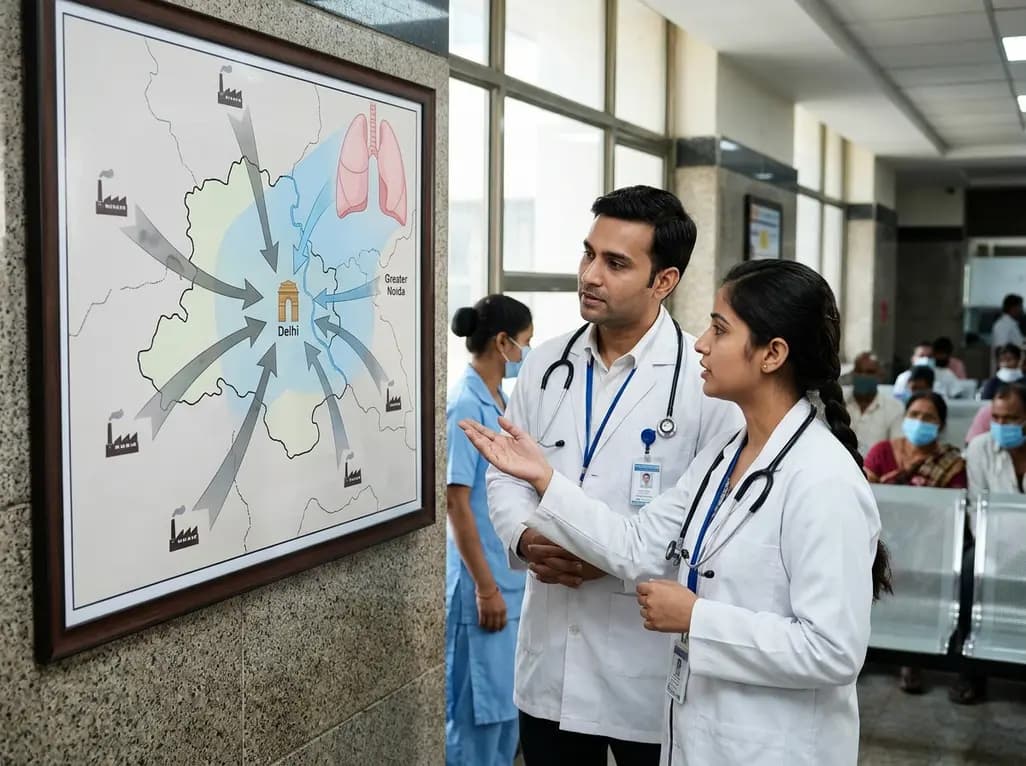
A landmark NIAS study reveals that regional airshed interventions can slash northern India's fine particulate levels by up to 60%. Discover the profound clinical implications of targeted emission curbs on cardiopulmonary health, chronic respiratory diseases, and population-level preventative strategies.
Today
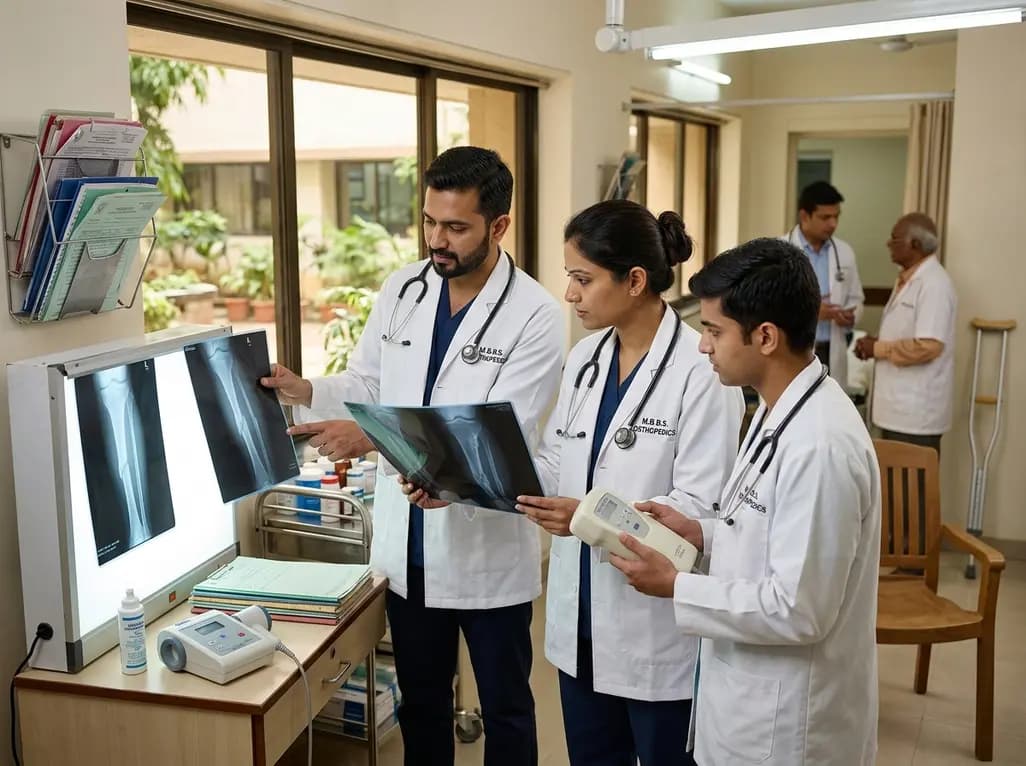
Non-union fractures occur in 2-5% of cases, causing significant disability and cost. Conservative modalities such as LIPUS, PEMF, and focused ESWT offer non-surgical healing options for defects up to 5-10 mm when adequate mechanical stability exists without infection.
Today

A Brazilian birth cohort reveals significant sex-specific associations between preterm birth and adolescent adiposity, underscoring the urgent need for targeted long-term cardiometabolic surveillance and tailored clinical monitoring.
Today
