

Loading, please wait...
Loading, please wait...

Renal stone disease imposes an escalating clinical and financial strain on healthcare systems worldwide. Modern urologists frequently debate the optimal interventional approach when selecting surgical management for urolithiasis. Clinicians primarily rely on extracorporeal shock wave lithotripsy, retrograde intrarenal surgery, and percutaneous nephrolithotomy. Although technological advancements have improved procedural efficacy, financial considerations increasingly drive departmental guidelines and health policy choices. Consequently, endourologists must weigh upfront procedural costs against downstream reintervention expenditures.
A landmark systematic review endorsed by European Association of Urology endourology experts comprehensively examined eighteen international health economic studies. The investigators analyzed comparative cost analyses, cost-effectiveness studies, and cost-utility evaluations. Furthermore, the researchers adjusted all financial data for inflation, standardizing expenditure figures into 2026 United States dollars. Their systematic synthesis revealed striking differences in resource consumption across differing clinical environments. While outpatient interventions often seem cheaper initially, secondary procedures frequently alter long-term economic superiority. Therefore, surgical teams require robust economic perspectives to align clinical stone-free success with fiscal sustainability.
In addition, geographic variations and hospital reimbursement frameworks heavily influence these economic balances. High-volume centers often achieve substantial economies of scale that lower equipment maintenance costs. Conversely, resource-limited healthcare facilities face immense pressure from single-use disposables and laser generator investments. Understanding these health economic nuances allows surgeons to deliver high-quality patient care without overburdening hospital finances. Moreover, institutional leaders can better allocate surgical theater time when they comprehend these comparative cost dynamics.
The economic rivalry between shock wave lithotripsy and retrograde intrarenal surgery represents a critical clinical dilemma. Randomized controlled trials demonstrate that shock wave lithotripsy provides approximately twelve hundred dollars in immediate savings at six months. However, this early financial advantage carries minor quality-adjusted life year reductions for treated individuals. Patients receiving shock wave lithotripsy often experience lower stone-clearance rates on initial imaging. Consequently, these individuals encounter persistent symptoms and require frequent auxiliary clinical visits. In addition, lingering stone fragments elevate secondary emergency consultations.
Moreover, long-term administrative claims paint a remarkably contrasting financial trajectory over extended observational horizons. Seven-year follow-up data show higher cumulative expenses for shock wave lithotripsy compared with endoscopic intrarenal surgery. Specifically, repeated lithotripsy sessions, diagnostic restaging scans, and rescue ureteroscopy escalate lifetime costs to forty-six hundred dollars. In contrast, primary intrarenal surgery averages approximately forty-two hundred dollars across the same multi-year window. Thus, higher initial upfront investment in definitive endoscopic clearance eliminates protracted clinical utilization.
Healthcare administrators must therefore interpret cost data within appropriate temporal boundaries. Short-term billing perspectives consistently favor outpatient shock wave protocols due to lower operating room usage. Nevertheless, high recurrence rates and repeated sessions gradually reverse these economic advantages over time. Surgeons should clearly explain these trade-offs to patients during shared procedural decision-making. Ultimately, definitive primary stone removal frequently saves health system resources.
When treating intermediate to large renal calculi, clinicians frequently balance intrarenal surgery against percutaneous nephrolithotomy. Both techniques demonstrate high efficacy, but their economic profiles diverge substantially across international healthcare environments. For example, prominent randomized trials from the United Kingdom revealed twelve-month mean expenditures of seventy-seven hundred dollars for intrarenal surgery. In comparison, percutaneous nephrolithotomy accrued approximately sixty-six hundred dollars over the identical observational period. Thus, initial procedural intensity does not necessarily translate into higher total yearly costs.
Furthermore, formal cost-utility models demonstrated an eighty-seven percent probability that percutaneous access is cost-effective at standard willingness-to-pay thresholds. The substantial clearance power of percutaneous nephrolithotomy produces superior single-session stone-free rates for sizable stone burdens. Consequently, patients avoid secondary staged interventions that frequently burden intrarenal surgery cohorts. Although flexible ureteroscopy offers lower perioperative morbidity and shorter inpatient stays, disposables rapidly inflate the surgical balance sheet. Specifically, single-use digital endoscopes and laser fiber degradation incur recurring costs.
Accordingly, healthcare institutions with high procedural volumes must carefully audit capital equipment longevity. While miniature percutaneous techniques require specialized nephroscopes and access sheaths, reusable instruments mitigate per-case operational overhead. Therefore, percutaneous nephrolithotomy remains economically attractive when dealing with substantial renal stone volumes. Surgeons must weigh patient recovery speed against the undeniable economic advantage of definitive clearance.
Direct comparisons between shock wave lithotripsy and percutaneous nephrolithotomy highlight another compelling dimension of health economics. Clinical trials focusing on moderate stone burdens demonstrate dramatically lower per-patient costs for shock wave lithotripsy. For instance, published comparative datasets record percutaneous nephrolithotomy costs ranging between thirteen hundred and fifteen hundred dollars. In contrast, primary shock wave lithotripsy incurs modest expenditures ranging from six hundred to seven hundred dollars.
However, this upfront expenditure gap reflects substantial differences in therapeutic intensity and procedural venue. Percutaneous surgery requires general anesthesia, specialized operating theater time, and inpatient hospital admission. Conversely, shock wave lithotripsy occurs in an outpatient day-care suite without prolonged postoperative monitoring. Nevertheless, percutaneous access achieves vastly superior primary stone-free rates, sparing patients prolonged fragment passage. When shock wave therapy fails, secondary hospital admissions and unplanned emergency visits quickly erase those initial monetary savings. Additionally, patient productivity losses during repeat lithotripsy sessions increase indirect economic burdens.
Hence, selecting an optimal strategy demands accurate patient risk stratification and detailed anatomical evaluation. Favorable stone density, lower pole anatomy, and skin-to-stone distance heavily govern lithotripsy clearance success. When favorable predictors exist, shock wave lithotripsy provides an exceptionally economical first-line intervention. Otherwise, primary percutaneous access delivers definitive resolution and avoids wasteful expenditure cycles.
A major finding of the systematic review involves marked methodological heterogeneity across existing economic evaluations. Study horizons varied widely from two weeks to seven years, creating conflicting health economic conclusions. In addition, analytical perspectives differed considerably among published reports, with some adopting third-party payer viewpoints and others examining societal costs. Notably, only one-third of evaluated studies conducted probabilistic sensitivity analyses to test model robustness. Consequently, clinicians must interpret published cost rankings with appropriate academic caution.
Furthermore, rapid technological progress continually reshapes endourological practice and associated equipment expenses. The introduction of suction ureteral access sheaths, single-use flexible scopes, and advanced thulium fiber lasers alters operative efficiency. While these innovative technologies improve stone clearance and lower complication rates, they also introduce significant capital and disposable costs. Therefore, health systems cannot rely exclusively on historic cost datasets to inform modern purchasing decisions.
Ultimately, urologists must integrate patient-specific anatomical factors with rigorous health economic realities. Clinicians should reserve outpatient shock wave lithotripsy for small, low-density stones where primary clearance remains highly probable. Meanwhile, surgical teams should favor definitive endoscopic or percutaneous procedures for complex stone distributions to avoid costly reinterventions. Multidisciplinary collaboration between surgical leaders and hospital administrators will ensure high-value, cost-effective endourological care across diverse healthcare settings. This balanced approach protects healthcare resources while maximizing therapeutic success.
Although shock wave lithotripsy appears cheaper during initial treatment, long-term administrative data show higher cumulative costs over seven years. Specifically, repeated lithotripsy sessions, auxiliary diagnostic imaging, and rescue ureteroscopy raise cumulative spending to forty-six hundred dollars. In contrast, retrograde intrarenal surgery achieves higher primary stone clearance, stabilizing long-term costs at forty-two hundred dollars. Therefore, intrarenal surgery proves more economical over extended follow-up intervals.
Percutaneous nephrolithotomy delivers superior single-session stone clearance for moderate and large renal stones, achieving an eighty-seven percent cost-effectiveness probability. Although intrarenal surgery requires shorter hospital stays, it frequently necessitates secondary staged procedures and costly single-use consumables. These repeat interventions significantly inflate overall healthcare expenditure. Consequently, percutaneous nephrolithotomy yields lower twelve-month total costs and higher quality-adjusted life years, making it an economically dominant strategy for substantial stone burdens.
Current health economic evaluations exhibit substantial heterogeneity in time horizons, analytical perspectives, and costing methodologies. Furthermore, only one-third of published studies incorporate rigorous probabilistic sensitivity analyses to evaluate uncertainty. Most economic models also fail to account for modern technological advancements, such as suction access sheaths and thulium fiber lasers. As a result, existing literature often underestimates contemporary operational expenditures and disposable device utilization across real-world surgical settings.
Disclaimer: This content is for informational and educational purposes only... Refer to the latest local and national guidelines for clinical practice.
References

Read summarized clinical updates, watch expert medical content, and earn CME certifications right from your smartphone.
Open your smartphone camera to scan and install.





A systematic review from EAU Endourology evaluates the economic impact of ESWL, RIRS, and PCNL. While ESWL offers lower short-term costs, long-term retreatment increases overall spending. In contrast, PCNL shows superior cost-effectiveness for larger stone burdens despite higher initial operating expenses.
2 days back
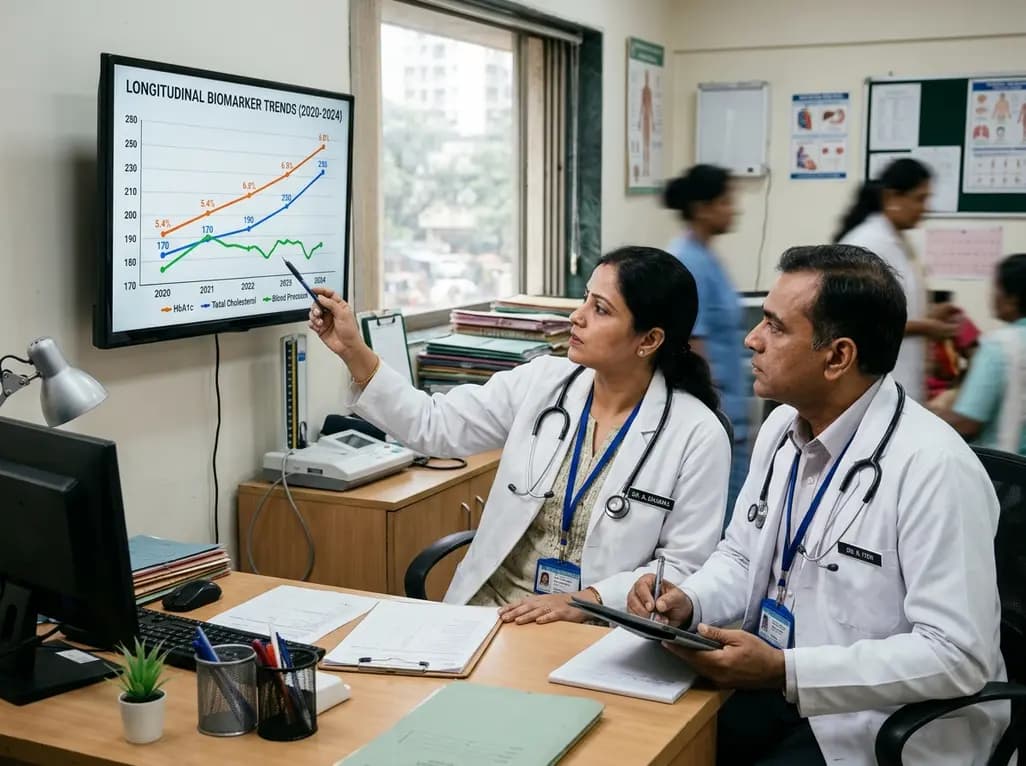
Annual health checks only offer static snapshots. Real-world evidence from 2.1 million insured Indians reveals that tracking dynamic biomarker trends over time enables clinicians to spot evolving cardiometabolic risks early, reverse borderline pathology, and deliver tailored preventive interventions.
Today

A nationwide cohort study published in JAMA Pediatrics reveals that maternal exposure to wildfire fine particulate matter, especially in late pregnancy, is linked to an elevated risk of childhood autism. Clinicians should evaluate ambient air quality risks and provide proactive protective counseling to mothers.
Today
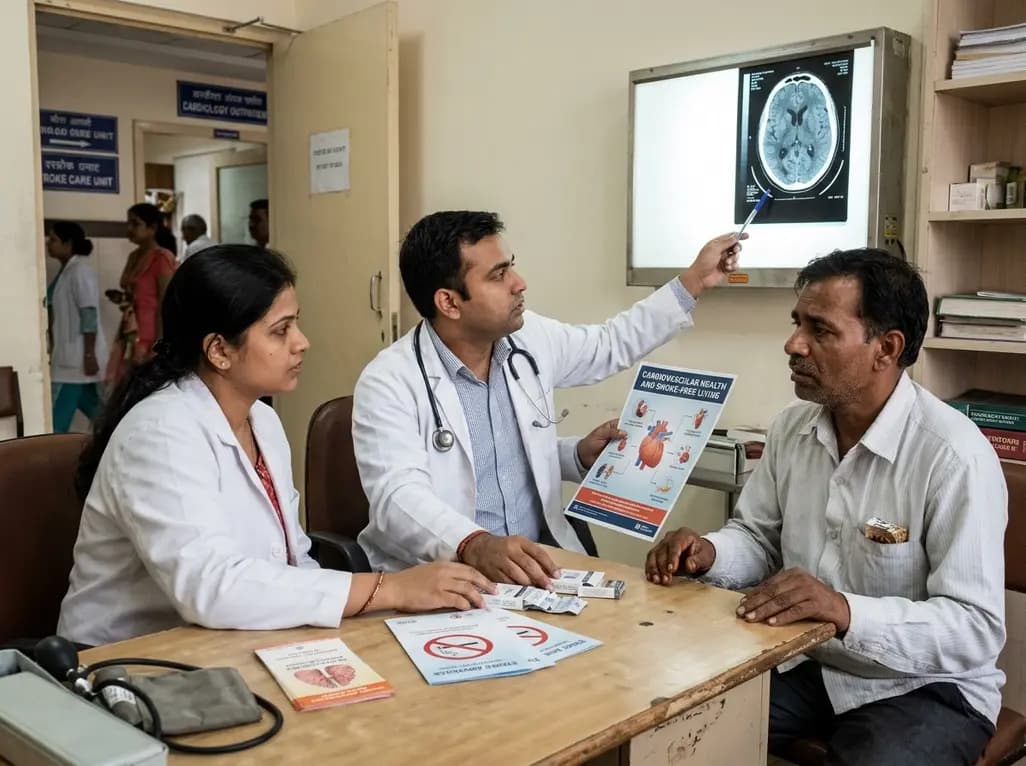
India faces an escalating challenge with vascular diseases, where tobacco use and hypertension together drive substantial cerebrovascular mortality. Addressing nicotine addiction as a clinical neurochemical disorder rather than a lack of willpower is vital for nationwide prevention and sustainable cessation support.
Today
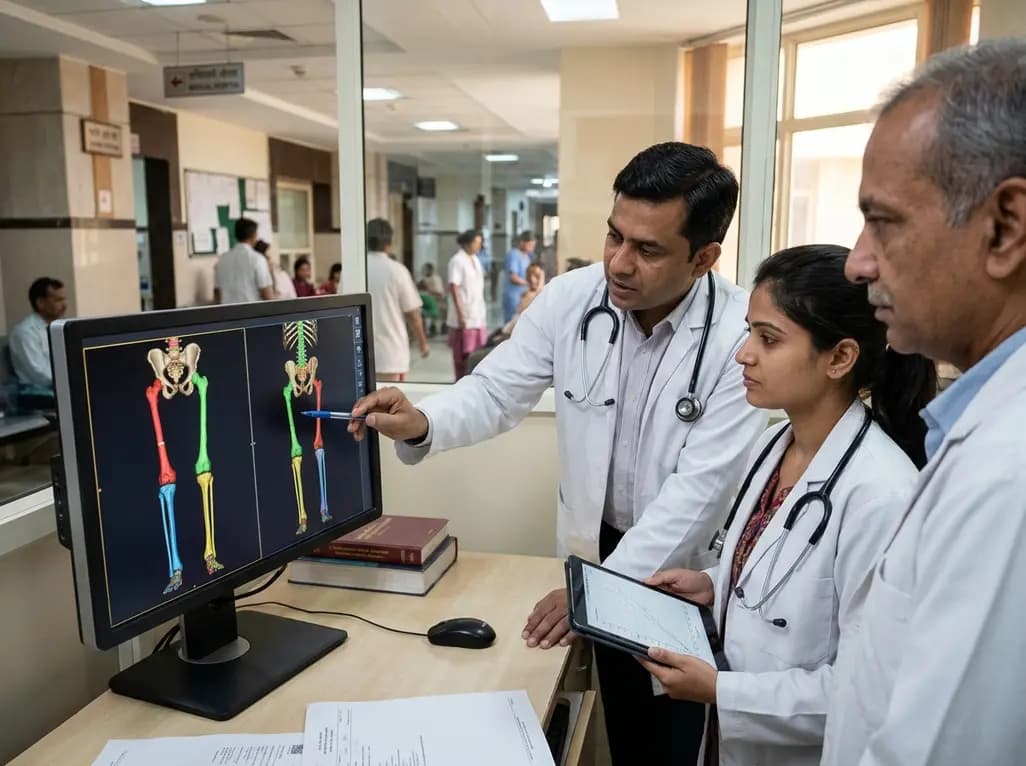
Modern 3D anthropometry reveals that pediatric leg growth ceases years before spinal elongation, exposing the clinical illusion of the classical Anderson-Green model. Learn how segmental growth dissociation improves surgical timing for epiphysiodesis in adolescent leg length discrepancy.
2 days back

With packaged goods giant HUL backing FSSAI's proposed front-of-pack red warning labels for foods high in fat, sugar, and salt, India takes a major step toward curbing non-communicable diseases. Learn how clearer nutrition disclosures empower clinicians, inform consumer choices, and drive dietary reform.
Today
