

Loading, please wait...
Loading, please wait...
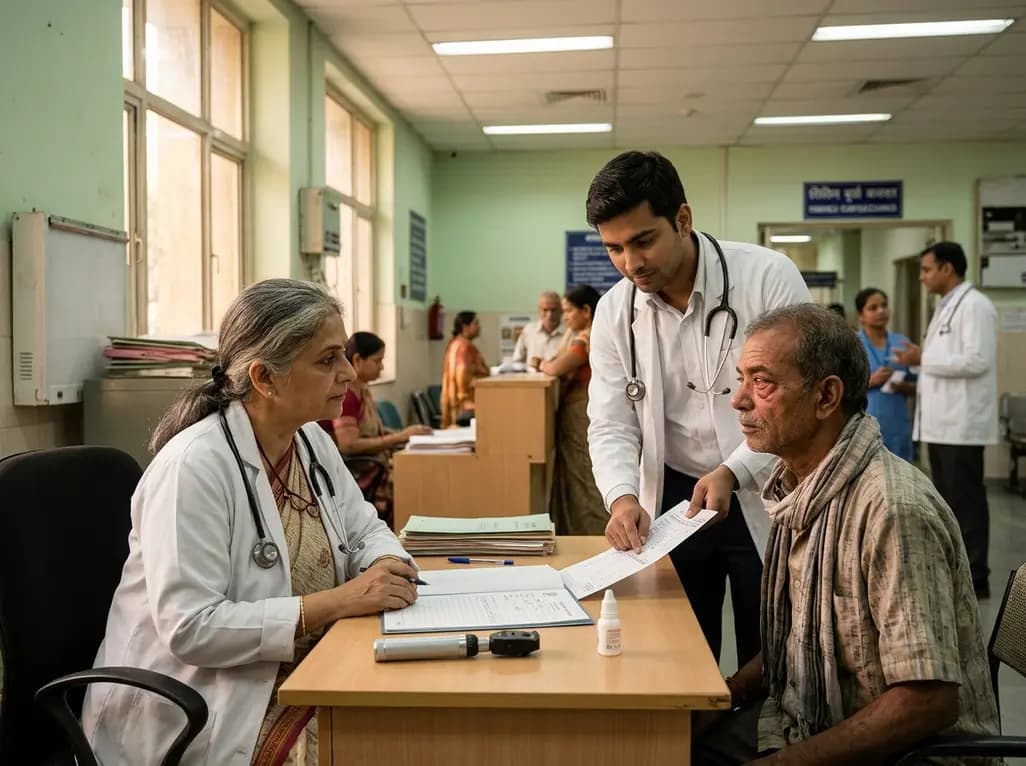
Thyroid eye disease presents significant therapeutic challenges during its acute inflammatory stage. Clinicians often rely on high-dose corticosteroids; however, many patients experience incomplete responses or substantial toxicity. Consequently, recent investigation highlights the growing utility of tocilizumab in TED as an effective primary biologic intervention. By directly targeting inflammatory cascades early in the disease course, this therapeutic approach mitigates orbital damage and preserves ocular function.
Thyroid eye disease develops from complex autoimmune cross-reactivity involving orbital fibroblasts and thyrotropin receptors. Within this pathological environment, interleukin-6 acts as a central proinflammatory driver that amplifies cytokine secretion, hyaluronan production, and adipogenesis. Therefore, blocking interleukin-6 signaling provides a direct biological countermeasure against acute orbital expansion. Tocilizumab, a recombinant humanized monoclonal antibody directed against both soluble and membrane-bound interleukin-6 receptors, disrupts this vicious inflammatory loop. Consequently, it suppresses fibroblast activation and halts soft tissue expansion within the bony orbital compartment.
Historically, orbital specialists reserved biologic agents for refractory presentations after systemic glucocorticoid failure. However, intervening during the early active phase halts irreversible architectural tissue remodeling before chronic fibrotic complications develop. Furthermore, sustained local inflammation causes compressive optic neuropathy, severe proptosis, and permanent motility deficits. By arresting inflammatory pathways during early disease, tocilizumab offers clinicians an opportunity to preserve orbital function. In addition, this targeted cytokine blockade reduces dependence on repetitive, morbid systemic steroid courses, thereby optimizing overall patient safety.
A recent observational study evaluated the clinical efficacy and safety of tocilizumab in treatment-naive adult patients with early active-phase disease. Specifically, investigators selected patients who initiated therapy within nine months of symptom onset. The study evaluated twenty-four orbits from twelve patients who met all inclusion criteria. Notably, the mean duration of active disease measured only 3.5 months at consultation and 5.3 months prior to treatment initiation. This strict timeline ensured that therapy targeted active cellular inflammation rather than late cicatricial scarring.
Patients received intravenous tocilizumab infusions at a dose of 8 mg/kg every four weeks. Among the cohort, seven patients received tocilizumab monotherapy as their primary intervention. Meanwhile, five patients received a short oral prednisone bridge followed immediately by regular infusions. On average, participants completed 6.4 monthly infusions over their treatment course. Consequently, the study protocol captured real-world therapeutic management, demonstrating how biologic therapy functions both as a standalone intervention and alongside temporary corticosteroid bridging in acute settings.
The primary outcome measures centered on exophthalmos reduction and disease relapse rates. Remarkably, patients demonstrated a statistically significant mean proptosis reduction of 3.2 mm across treated orbits. This magnitude of anatomical improvement rivals outcomes observed with other advanced biologics. Moreover, early cytokine interception produced rapid and durable responses without high rates of secondary reactivation. In addition to proptosis reduction, investigators carefully tracked secondary clinical outcomes across all patient visits.
These secondary parameters included resolution of eyelid edema, restoration of extraocular motility, and improvement in compressive optic neuropathy. Significantly, targeted interleukin-6 receptor blockade relieved congested orbital tissues, which restored ocular alignment and reduced diplopia. Patients with sight-threatening optic neuropathy also experienced substantial neural decompression as soft tissue volume decreased. Therefore, early therapy provided holistic anatomical and functional recovery. These robust physical improvements highlight the drug's capacity to modify disease trajectory rather than merely suppress transient superficial symptoms. Consequently, clinicians observed measurable improvements in daily visual tasks and aesthetic satisfaction among the cohort.
Safety remains a paramount consideration when administering immunosuppressive biologic therapies. Throughout the study, patients tolerated intravenous tocilizumab infusions well, showing a favorable adverse event profile. Nevertheless, clinicians must remain vigilant regarding documented biologic risks, including mild neutropenia, transient transaminitis, and opportunistic infections. Fortunately, the study recorded no catastrophic infectious complications or life-threatening drug reactions among the participants. Regular laboratory monitoring ensured early detection of subclinical biochemical changes.
Furthermore, the trial shed valuable light on oral prednisone bridging regimens. In acute presentations with intense inflammation, clinicians frequently utilize short courses of oral corticosteroids while awaiting biologic approval or onset of action. Importantly, bridging did not compromise long-term outcomes, nor did it cause severe systemic steroid dependency. Because tocilizumab provided sustained immunomodulation, physicians successfully tapered glucocorticoids without precipitating rebound inflammation. Thus, combining short-term steroids with biologic therapy provides a safe, pragmatic bridge for acute symptom control. Consequently, clinicians can confidently tailor treatment strategies according to individual systemic tolerance and orbital severity.
These clinical findings carry substantial implications for multidisciplinary thyroid eye disease management. Traditionally, endocrinologists and ophthalmologists managed active orbitopathy in isolated silos, delaying biologic intervention until severe ocular deformities emerged. However, modern evidence strongly supports early interdisciplinary collaboration. Identifying active inflammatory disease within nine months of onset opens a crucial therapeutic window. Consequently, prompt referral allows clinicians to institute definitive disease-modifying therapy before permanent retrobulbar fibrosis settles.
Additionally, achieving a 3.2 mm proptosis reduction through pharmacotherapy substantially reduces the necessity for invasive orbital decompression surgery. Decompression surgery entails risks of cerebrospinal fluid leaks, persistent diplopia, and hemorrhage. Therefore, medical orbital decompression using targeted anti-interleukin-6 therapy represents a major paradigm shift. In clinical practice, endocrinologists and ophthalmologists should incorporate regular activity scoring to detect eligible candidates promptly. Ultimately, deploying targeted biologics during early active disease transforms patient prognosis and elevates long-term quality of life. Thus, multidisciplinary teams can deliver timely interventions that prevent irreversible visual and structural impairment.
Standard corticosteroids broadly suppress immune activity and often trigger substantial adverse effects, including hypertension, hyperglycemia, osteoporosis, and significant weight gain. In contrast, tocilizumab specifically blocks the interleukin-6 receptor pathway, directly neutralizing the cytokine cascade that drives orbital fibroblast proliferation and glycosaminoglycan synthesis. Consequently, it achieves significant reductions in proptosis and soft tissue congestion while avoiding the severe systemic toxicities and frequent rebound flares associated with long-term systemic glucocorticoid administration.
Clinicians should consider early biologic therapy when patients present during the active inflammatory phase within nine months of symptom onset. Intervening during this critical therapeutic window prevents chronic retrobulbar tissue expansion and irreversible extraocular muscle fibrosis. Furthermore, physicians should strongly evaluate targeted biologic treatment for patients showing early moderate-to-severe disease, compressive optic neuropathy risk, poor response to initial therapy, or medical contraindications to prolonged high-dose systemic corticosteroid regimens.
Before initiating infusions, clinicians must screen candidates for latent tuberculosis, viral hepatitis, and active systemic infections. During active treatment, routine monitoring requires complete blood counts, hepatic transaminases, and fasting lipid panels every four to eight weeks. Because interleukin-6 blockade suppresses acute-phase reactants like C-reactive protein, fever or typical infection signs may diminish. Therefore, physicians must maintain high clinical suspicion for occult infections and promptly pause infusions if significant cytopenias or transaminase elevations emerge.
Disclaimer: This content is for informational and educational purposes only... Refer to the latest local and national guidelines for clinical practice.
References
Gregerson CH et al. Tocilizumab Treatment for Early Active-Phase Thyroid Eye Disease. Ophthalmic Plast Reconstr Surg. 2026 Oct 21. doi: 10.1097/IOP.0000000000003289. PMID: 42902468.
Bartalena L, Kahaly GJ, Baldeschi L, et al. The 2021 European Group on Graves' Orbitopathy (EUGOGO) clinical practice guidelines for the medical management of moderate-to-severe and active Graves' orbitopathy. Eur J Endocrinol. 2021;185(4):G43-G67.
Boutzios G, Scheinman S, Tsitsirigkos G, et al. Tocilizumab improves clinical outcome in patients with active corticosteroid-resistant moderate-to-severe Graves' orbitopathy: an observational study. Front Endocrinol (Lausanne). 2023;14:1186105.

Read summarized clinical updates, watch expert medical content, and earn CME certifications right from your smartphone.
Open your smartphone camera to scan and install.





A clinical study demonstrates that early intervention with tocilizumab, either as monotherapy or bridged with corticosteroids, achieves significant proptosis reduction and resolves active inflammation in treatment-naive thyroid eye disease.
Today

Review how tailored exercise programs benefit frail older patients with heart failure. Explore pathophysiological mechanisms, individualized training prescriptions, and strategies to overcome adherence barriers in clinical practice.
Today

Leucine Rich Bio has introduced South Asia's first comprehensive vaginal microbiome test, BugSpeaks. By profiling microbial dysbiosis, pathogens, and antimicrobial resistance, this next-generation diagnostic platform provides clinicians with deeper insights into recurrent infections, fertility, and reproductive health.
Today
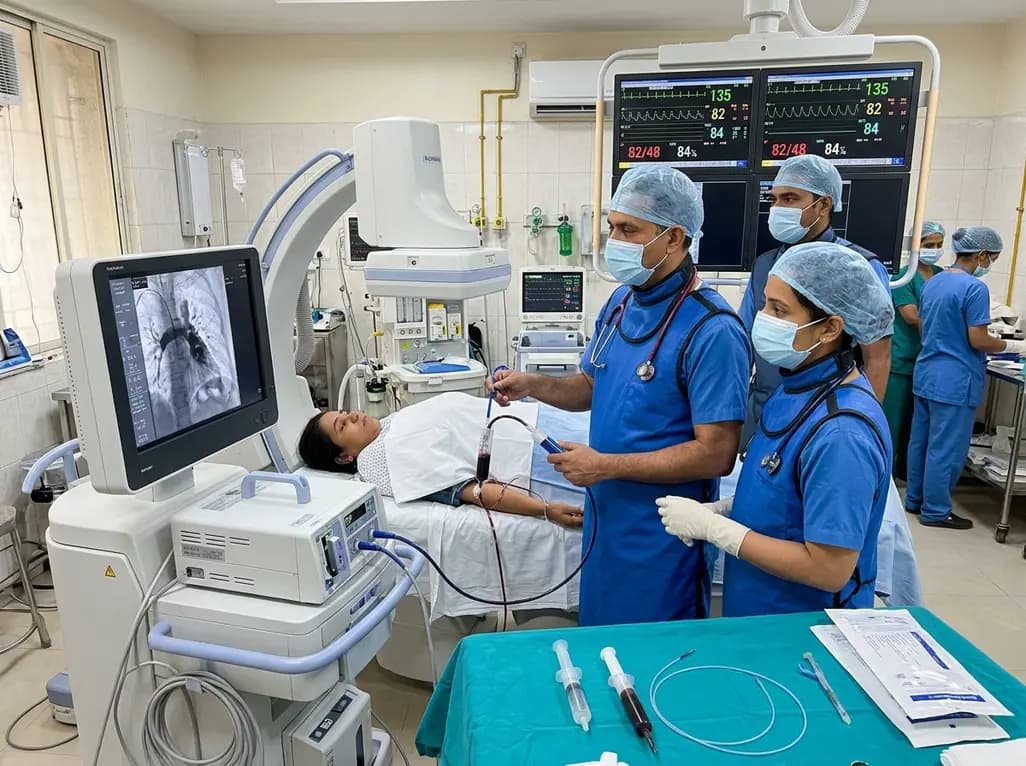
In high-risk pulmonary embolism complicated by severe anemia and active uterine bleeding, systemic thrombolysis is contraindicated. Large-bore aspiration thrombectomy provides rapid hemodynamic rescue without fibrinolysis, supported by inferior vena cava filter placement and multidisciplinary critical care.
Today

This comparative study evaluates posterior labral tears with and without glenohumeral instability, highlighting distinct demographic patterns, MRI underestimation in stable shoulders, and successful arthroscopic repair outcomes.
Today
