

Loading, please wait...
Loading, please wait...
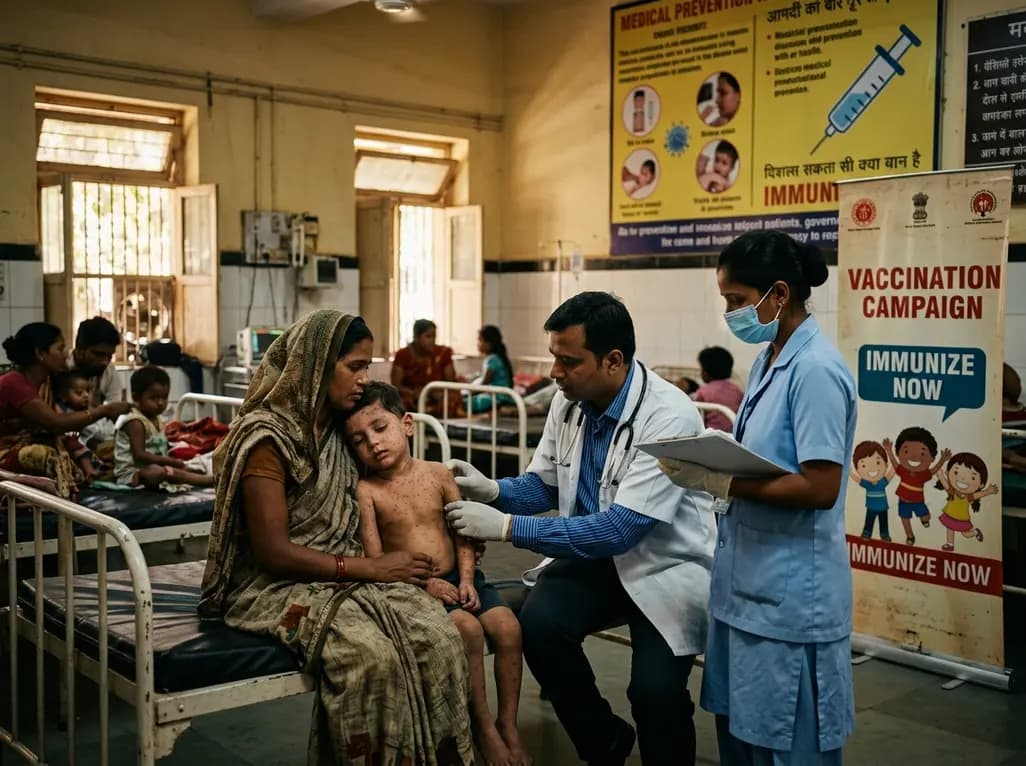
The recent global resurgence of vaccine-preventable illnesses highlights persistent vulnerabilities in community protection. Recently, public health surveillance confirmed a worsening measles outbreak in the United States, marked by rising cases and fatalities. Measles remains an extraordinarily contagious pathogen. Consequently, healthcare professionals worldwide must review clinical presentation patterns and immediate containment measures. Therefore, frontline clinicians must maintain exceptional diagnostic vigilance when evaluating febrile patients.
Public health surveillance indicates that the measles virus continues to exploit gaps in population immunity across several regions. In the United States, federal health agencies recently documented thousands of cases alongside multiple confirmed deaths during transmission surges. However, this alarming trend reflects a broader global issue that directly impacts clinicians across diverse practice settings. The measles virus exhibits a basic reproduction number between twelve and eighteen in susceptible populations. Therefore, an undetected primary index case can rapidly generate extensive transmission chains within under-vaccinated cohorts. Furthermore, secondary attack rates among non-immune household contacts frequently exceed ninety percent. Declining vaccine confidence and missed routine childhood immunizations continue to drive these community outbreaks. Additionally, international travel accelerates the cross-border introduction of the virus into high-density urban environments. Frontline physicians in outpatient clinics encounter these imported infections first. Consequently, healthcare facilities must implement proactive surveillance systems rather than relying on delayed laboratory confirmations. Clinicians must recognize that even small pockets of unimmunized individuals compromise herd immunity. Thus, understanding regional transmission dynamics allows physicians to anticipate sudden surges in patient volume. Rapid clinical identification minimizes preventable morbidity and safeguards healthcare personnel from nosocomial exposure during widespread outbreaks.
Recognizing measles during the early catarrhal stage remains critical for timely intervention and containment. Typically, the illness begins with a prodrome lasting two to four days. During this initial phase, patients experience high fever, malaise, coryza, cough, and bilateral conjunctivitis. In addition, pathognomonic Koplik spots frequently appear on the buccal mucosa opposite the lower molars. These tiny, blue-white lesions provide an invaluable early diagnostic clue before the external rash emerges. Subsequently, a characteristic erythematous maculopapular rash develops, beginning along the hairline and behind the ears. This exanthem spreads centrifugally downward over the face, trunk, and extremities, eventually involving the palms and soles. However, clinicians must remember that atypical presentations can occur in immunocompromised hosts or partially immunized patients. Furthermore, diagnostic evaluation requires immediate laboratory confirmation through viral throat swabs and serum serology. Clinicians should collect a nasopharyngeal swab for reverse transcription polymerase chain reaction testing during the acute phase. Moreover, measuring measles-specific IgM antibodies confirms acute infection in symptomatic individuals. Clinicians should not delay infection control procedures while awaiting laboratory reports. Consequently, medical teams must initiate prompt supportive care and airborne isolation upon high clinical suspicion alone.
Preventing healthcare-associated transmission demands immediate triage and stringent airborne infection control measures. Because the measles virus remains suspended in ambient air for up to two hours, unprotected waiting rooms present immense transmission risks. Therefore, outpatient clinics should instruct suspected patients to call ahead before arriving at clinical facilities. When patients arrive, triage staff must immediately provide them with a well-fitting surgical mask. Furthermore, personnel should escort the patient through a designated entrance into a negative-pressure airborne infection isolation room. If negative-pressure rooms remain unavailable, staff should isolate the patient in a private room with closed doors. Moreover, healthcare workers entering the examination room must wear fit-tested N95 respirators regardless of their personal immunization status. In addition, administrative leadership must review staff vaccination documentation to verify two valid doses of the measles-containing vaccine. Susceptible healthcare workers should avoid contact with suspected cases entirely. After patient discharge, the examination room must remain vacant for at least two hours to allow adequate air exchange. Furthermore, infection control teams must promptly identify and notify all individuals present in shared clinical spaces. Consequently, rapid contact tracing limits secondary exposures among high-risk patients, such as pregnant women and young infants.
Currently, no specific viral therapeutic agent holds regulatory approval for treating acute measles infection. Therefore, clinical care focuses predominantly on vigilant supportive therapy, hydration maintenance, and managing secondary complications. Measles causes profound transient immune suppression, predisposing patients to secondary bacterial pneumonia, otitis media, and severe gastroenteritis. Consequently, physicians must promptly prescribe targeted antibiotics whenever secondary bacterial infections develop. In addition, the World Health Organization strongly recommends high-dose oral vitamin A therapy for all pediatric measles cases. Acute measles depletes serum retinol reserves even in well-nourished children, increasing the risk of blindness and mortality. Specifically, clinicians should administer age-appropriate oral doses immediately upon diagnosis and repeat the exact dose on the following day. For infants under six months, the recommended dose is 50,000 international units daily. For infants aged six to eleven months, clinicians administer 100,000 international units daily. Similarly, children aged twelve months and older should receive 200,000 international units daily. Furthermore, a third dose is necessary two to four weeks later if clinical signs of vitamin A deficiency appear. Thus, administering this standardized protocol significantly reduces overall child mortality and prevents devastating ocular complications like xerophthalmia and corneal ulceration.
Active vaccination remains the single most effective tool for preventing measles morbidity and mortality worldwide. Two doses of the measles, mumps, and rubella vaccine provide approximately ninety-seven percent protective efficacy against clinical disease. Therefore, routine immunization schedules prioritize administering the first dose at nine to twelve months and the second dose at fifteen to eighteen months. However, during documented outbreaks or international travel, clinicians may administer a zero-dose to infants aged six to eleven months. Importantly, this supplemental dose does not count toward the standard two-dose routine series. Furthermore, post-exposure prophylaxis provides crucial protection for non-immune individuals exposed to an active case. Clinicians should administer the vaccine within seventy-two hours of initial exposure to susceptible individuals older than six months. Alternatively, intramuscular immune globulin serves as effective post-exposure prophylaxis when administered within six days of exposure. Specifically, clinicians prioritize immune globulin for high-risk contacts, including pregnant women, immunocompromised patients, and infants under six months old. In addition, healthcare providers must actively engage vaccine-hesitant families through compassionate, evidence-based communication. Emphasizing the established safety profile and proven efficacy of the vaccine restores community trust. Consequently, sustained high vaccine coverage protects vulnerable populations through strong herd immunity.
Q1: What are the hallmark clinical symptoms that distinguish measles during early triage?
Measles characteristically begins with a distinct catarrhal prodrome consisting of high fever, malaise, coryza, persistent cough, and bilateral conjunctivitis. Within two to three days, pathognomonic Koplik spots appear on the buccal mucosa opposite the lower molars. Subsequently, an erythematous maculopapular rash develops along the hairline and spreads centrifugally downward across the body. Early identification of these hallmark signs allows clinicians to implement airborne isolation protocols before secondary transmission occurs.
Q2: Why is high-dose vitamin A administration standard therapy for acute measles in children?
Measles infection rapidly depletes systemic vitamin A stores, which significantly impairs epithelial integrity and cellular immune defense. This deficiency increases the risk of severe bacterial superinfections, blinding xerophthalmia, and childhood mortality. The World Health Organization recommends administering two age-adjusted doses of oral vitamin A on consecutive days upon diagnosis. Clinical trials confirm that prompt vitamin A supplementation reduces pneumonia severity, shortens hospital stays, and cuts overall mortality by fifty percent.
Q3: What post-exposure prophylaxis options exist for individuals exposed to measles?
Susceptible individuals exposed to measles require rapid post-exposure prophylaxis to prevent disease or mitigate illness severity. Frontline clinicians can administer the standard measles vaccine within seventy-two hours of initial contact to eligible individuals aged six months and older. Alternatively, clinicians administer intramuscular immune globulin within six days of exposure. Healthcare providers specifically reserve immune globulin for vulnerable populations, including pregnant women, severely immunocompromised individuals, and infants under six months of age.
Disclaimer: This content is for informational and educational purposes only. It does not constitute medical advice or replace professional judgment. Refer to the latest local and national guidelines for clinical practice.
References

Read summarized clinical updates, watch expert medical content, and earn CME certifications right from your smartphone.
Open your smartphone camera to scan and install.





With rising global measles cases and reported fatalities, clinicians must maintain sharp diagnostic vigilance. Explore key clinical manifestations, triage airborne precautions, evidence-based supportive care protocols, and updated vaccination strategies to protect vulnerable populations and halt transmission.
5 days back
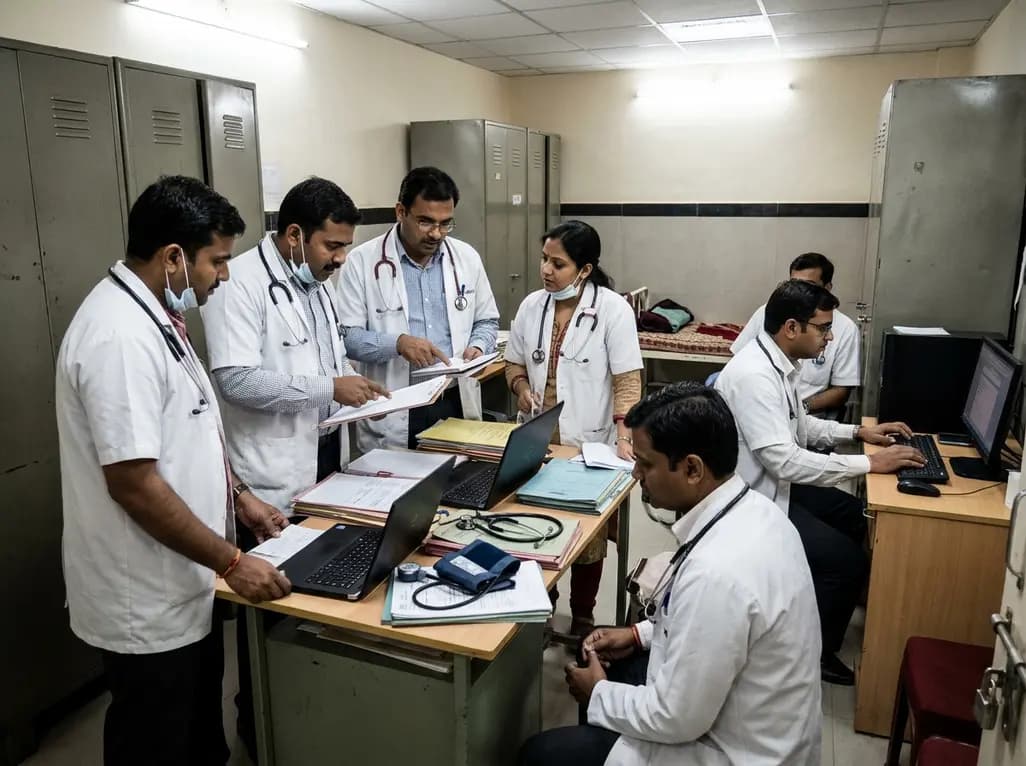
A prospective study using wireless sensors reveals that smaller physician workrooms significantly increase contact density and respiratory virus transmission risks despite lower average occupancy, underscoring the urgent need for better architectural design and infection control in healthcare duty rooms.
Today
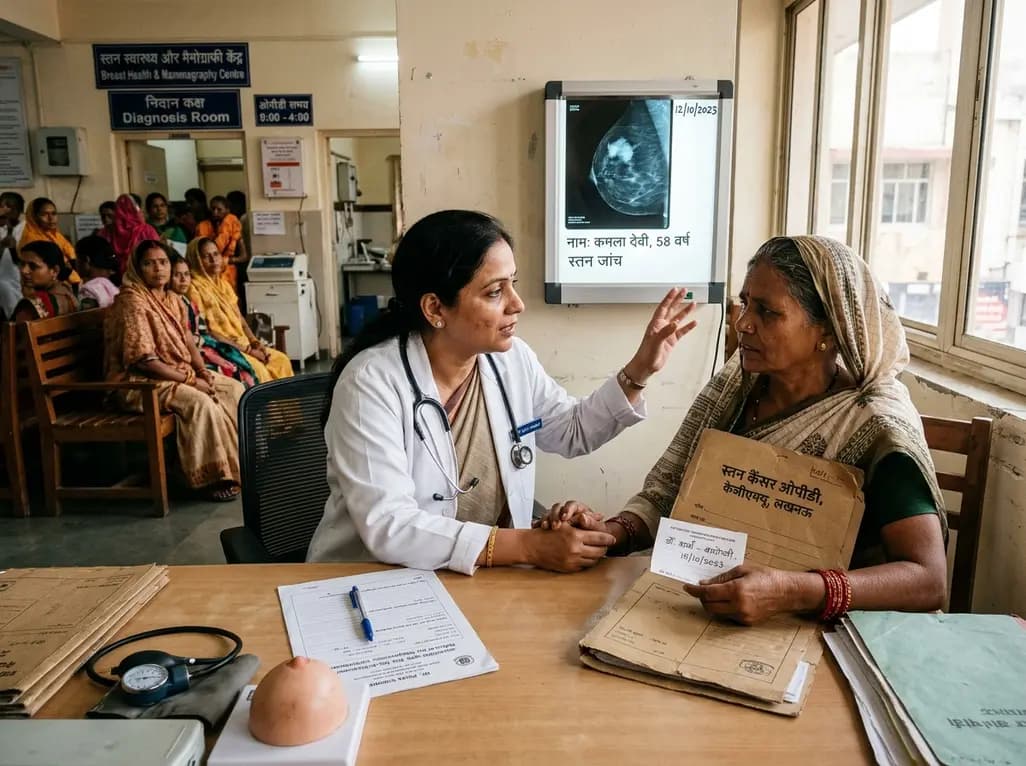
A KGMU study reveals over half of women with breast abnormalities fail to undergo diagnostic confirmation, leading to advanced-stage detection. Discover the socio-cultural barriers, clinical risks of incomplete resection, and community-level solutions needed to bridge the critical screening-to-diagnosis gap in India.
Today
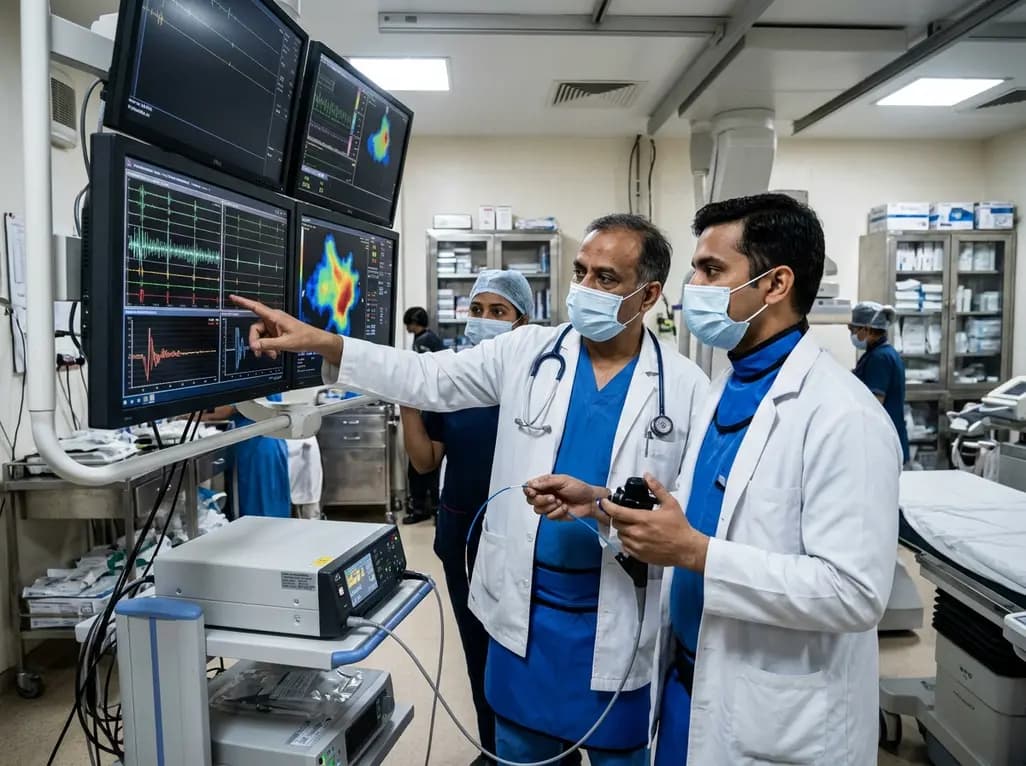
A comparative non-contact study reveals that high-power radiofrequency delivery with the QDOT MICRO catheter induces an artifactual contact force rise. Electrophysiologists must understand this power-dependent thermal and electrical phenomenon to avoid inadvertent catheter withdrawal and ineffective ablation.
Today
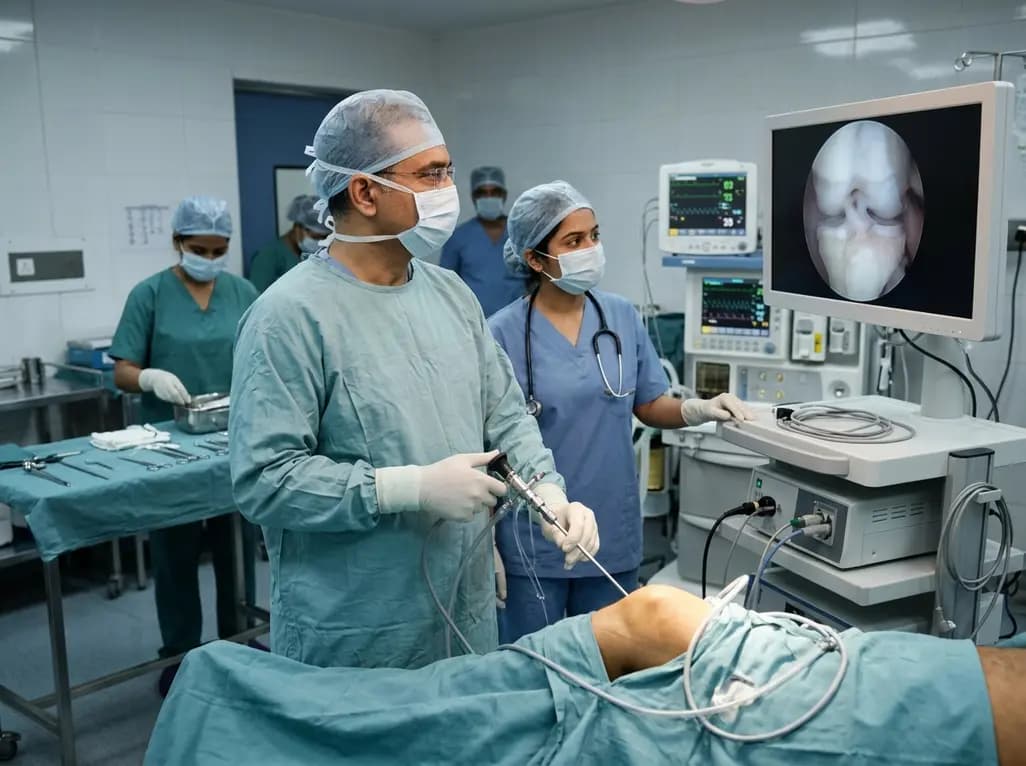
Healthium Medtech has transitioned its arthroscopy vertical into SIRONIX Orthopedics, aiming to capture key segments of the global joint care market. The strategic shift introduces dedicated portfolios in sports medicine, joint regeneration, surgical reconstruction, and digital operating technologies.
Today
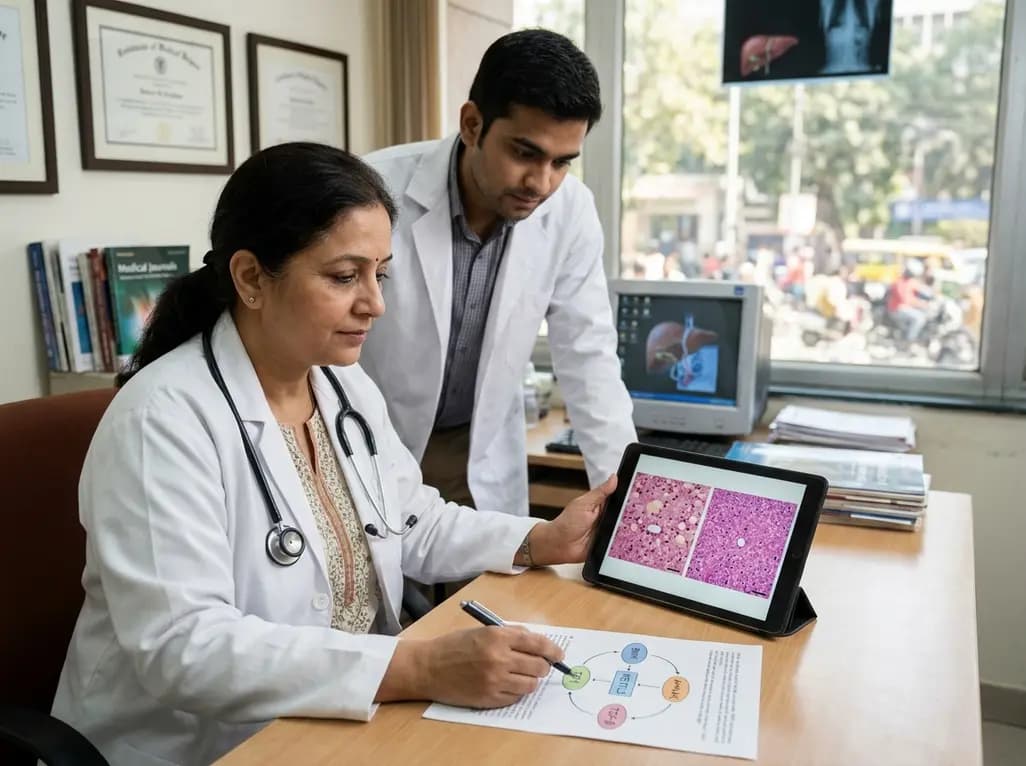
Preclinical research demonstrates that BMI1 overexpression alleviates metabolic syndrome-related liver injury. By triggering ubiquitin-mediated METTL3 degradation, BMI1 prevents AHNAK m6A methylation and suppresses fibrogenic TGF-β/SMAD signaling, significantly improving hepatic steatosis and insulin resistance.
Today
