.webp&w=384&q=75)

Loading, please wait...
Loading, please wait...
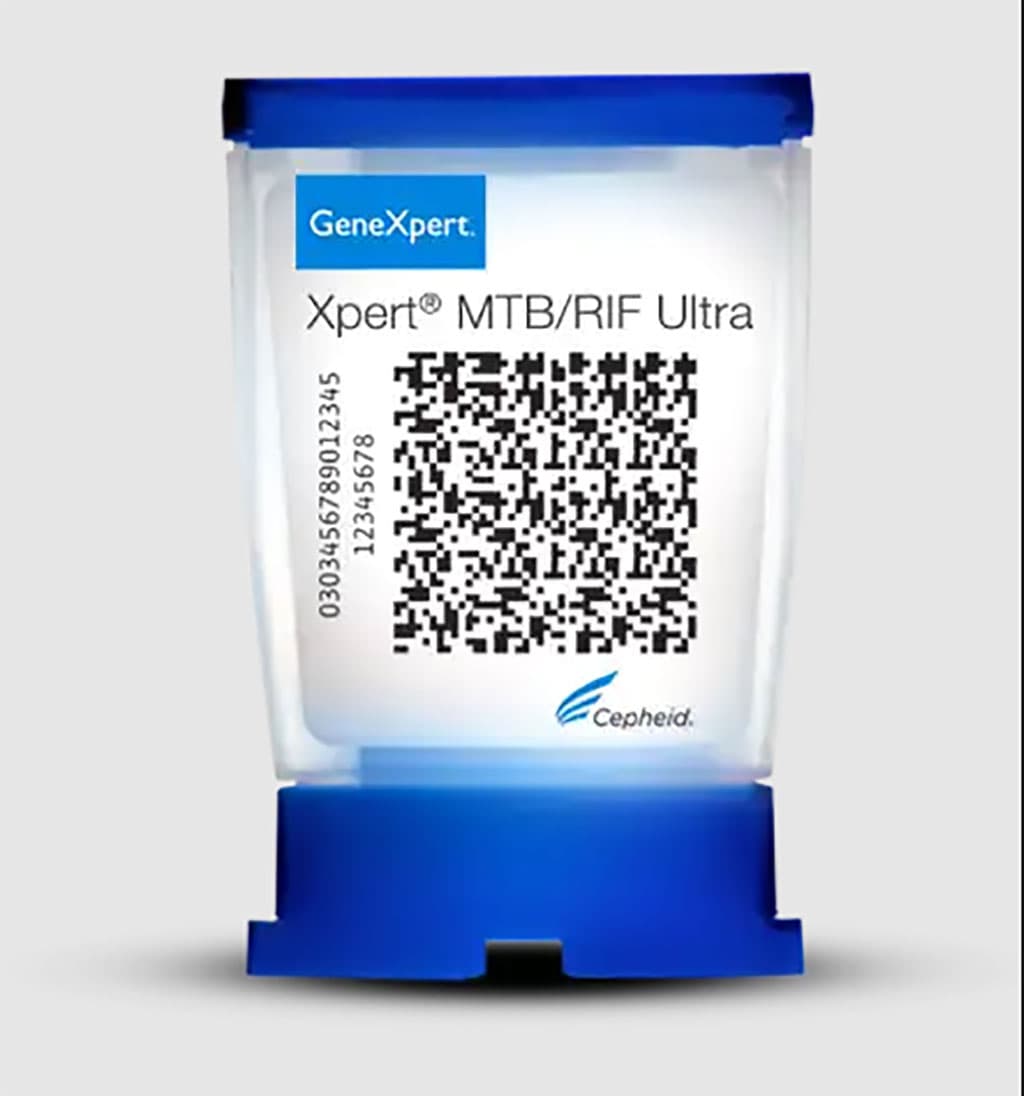
A systematic review and meta-analysis evaluated the diagnostic accuracy of Xpert MTB/RIF for pulmonary tuberculosis and rifampicin resistance in adults. Across included studies, the molecular assay showed high specificity and substantially improved sensitivity compared with smear microscopy, particularly in smear-positive disease. The review also demonstrated that performance can vary by clinical context, with lower sensitivity in people with HIV and in some paucibacillary settings. For clinicians, the practical message is that Xpert MTB/RIF can accelerate diagnosis and provide early information about rifampicin resistance, but a negative molecular test does not automatically exclude tuberculosis when clinical suspicion remains high. This is especially important in the NAPCON context, where molecular diagnostics and integration with the national TB program are explicit themes. The paper supports a diagnostic pathway in which rapid molecular testing is used early, while microscopy, culture and clinical assessment remain important components of comprehensive evaluation. It also reinforces the principle that test interpretation depends on pretest probability and specimen quality. The publication is useful for HCP education because it demonstrates both the strengths and the limits of molecular diagnosis rather than presenting Xpert as a stand-alone substitute for clinical judgment.

Read summarized clinical updates, watch expert medical content, and earn CME certifications right from your smartphone.
Open your smartphone camera to scan and install.





A systematic review and meta-analysis evaluated the diagnostic accuracy of Xpert MTB/RIF for pulmonary tuberculosis and rifampicin resistance in adults. Across included studies, the molecular assay showed high specificity and substantially improved sensitivity compared with smear microscopy, particularly in smear-positive disease. The review also demonstrated that performance can vary by clinical context, with lower sensitivity in people with HIV and in some paucibacillary settings. For clinicians, the practical message is that Xpert MTB/RIF can accelerate diagnosis and provide early information about rifampicin resistance, but a negative molecular test does not automatically exclude tuberculosis when clinical suspicion remains high. This is especially important in the NAPCON context, where molecular diagnostics and integration with the national TB program are explicit themes. The paper supports a diagnostic pathway in which rapid molecular testing is used early, while microscopy, culture and clinical assessment remain important components of comprehensive evaluation. It also reinforces the principle that test interpretation depends on pretest probability and specimen quality. The publication is useful for HCP education because it demonstrates both the strengths and the limits of molecular diagnosis rather than presenting Xpert as a stand-alone substitute for clinical judgment.
3 weeks back

Discover how catalytic nanozymes redefine autoimmune disease therapy by establishing a physiological redox set-point to restore immune tolerance without broad immunosuppression.
Last week

Recent research reveals that downregulating YAP1/TAZ-TEAD via Hippo signaling triggers spontaneous human trophoblast syncytialization in 3D cultures, illuminating placental biology and preeclampsia.
3 weeks back

A landmark comparative study evaluates atrial electrophysiology across humans, swine, and rodents. By linking cellular recordings with transcriptomics and in silico modeling, researchers resolve cross-species gaps, explaining translational failures to advance targeted therapies for atrial arrhythmias.
3 weeks back

A novel pathology-adaptive surface engineering strategy uses functionalized plasma polymer coatings to selectively modulate AGE adsorption, reducing oxidative stress and restoring bone formation in diabetic and aging microenvironments.
last month

Researchers have developed an innovative ultrasound-responsive nano-contrast agent that co-delivers CIITA-siRNA and rapamycin directly to inflamed thyroid tissue, significantly reducing autoimmune injury and thyroid autoantibodies in preclinical models of Hashimoto thyroiditis.
3 weeks back
