.webp&w=384&q=75)

Loading, please wait...
Loading, please wait...
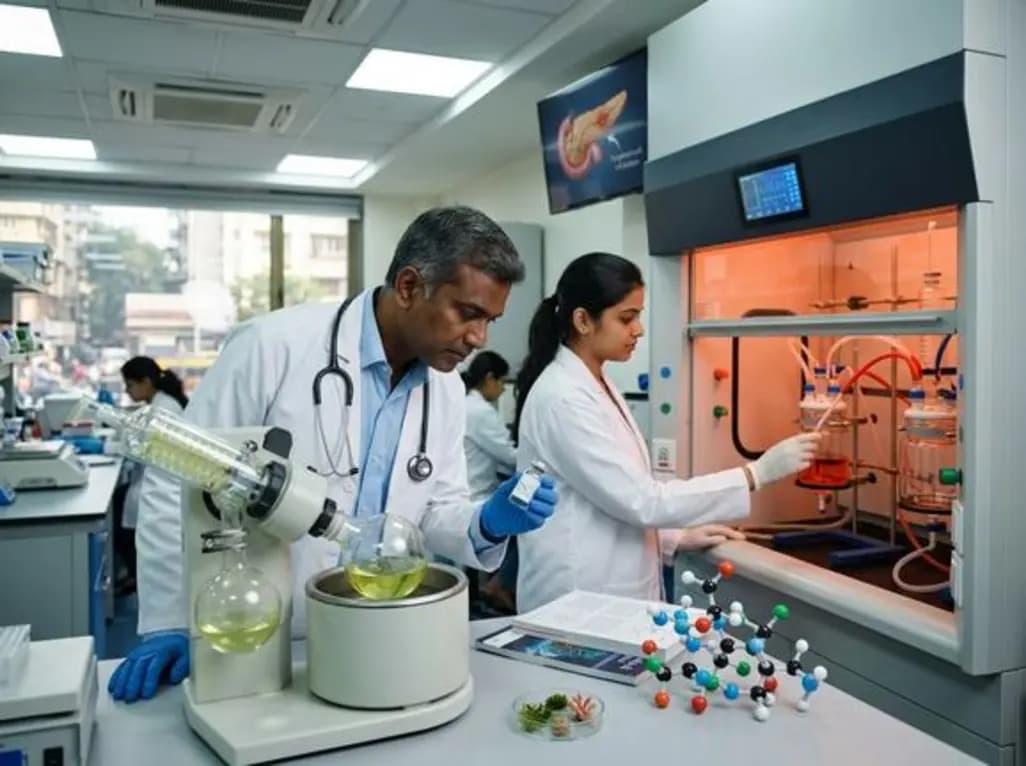
Researchers have recently announced the successful total synthesis of aleutianamine, a complex marine alkaloid that has long intrigued the pharmaceutical community. This natural product, originally isolated from deep-sea sponges, exhibits extraordinary potency against pancreatic cancer cell lines. However, the extreme scarcity of the compound in nature has restricted clinical progress for years. Consequently, this synthetic breakthrough offers a reliable method to produce the molecule for large-scale oncology research.
Initially, the research team faced significant hurdles while attempting to construct the molecule’s intricate architecture. A failed enolate functionalization thwarted their first attempt using α-thioketone derivatization. Furthermore, a second-generation approach involving palladium-catalyzed Barbier addition succeeded in building part of the structure but suffered from poor material throughput. Eventually, the team pivoted to a novel dearomative arylation of an aminothiophene. This innovative strategy allowed rapid access to the molecular skeleton, including the difficult bridgehead sulfide essential for its biological activity.
The successful total synthesis of aleutianamine utilized advanced techniques such as cerium-mediated oxidative amination. Additionally, a palladium-catalyzed decarboxylative pinacol-type rearrangement enabled the precise introduction of the C10 aniline and alkenyl bromide. These steps were crucial for maintaining the compound's chemoselectivity. Moreover, these synthetic tools provide a framework for creating new analogs that might offer even higher efficacy or lower toxicity profiles. Therefore, this achievement represents more than just a chemical milestone; it is a vital step toward a new class of chemotherapy agents.
Aleutianamine is a pyrroloiminoquinone-type alkaloid found in marine sponges. It is important because it shows highly selective and potent cytotoxicity against PANC-1 pancreatic cancer cells, which are notoriously resistant to standard treatments.
Total synthesis allows scientists to create the drug in a laboratory without needing to harvest rare marine life. This provides the volume of material necessary for pharmacokinetic studies and human clinical trials, potentially leading to new cancer therapies.
Disclaimer: This content is for informational and educational purposes only. It does not constitute medical advice or professional services. Always consult a qualified healthcare provider for medical concerns. Refer to the latest local and national guidelines for clinical practice.
References

Read summarized clinical updates, watch expert medical content, and earn CME certifications right from your smartphone.
Open your smartphone camera to scan and install.





Scientists have achieved the total synthesis of aleutianamine, a rare marine alkaloid with potent anti-cancer activity. Using a novel dearomative arylation, researchers can now produce this scarce compound in the lab, paving the way for advanced pharmaceutical trials and drug development for pancreatic cancer.
4 months ago

Depemokimab offers twice-yearly dosing for severe eosinophilic asthma and chronic rhinosinusitis with nasal polyps, significantly cutting exacerbations and hospital admissions.
3 days back

A novel copper metal-organic framework hydrogel remodels the uterine microenvironment to stimulate robust endometrial regeneration, reduce intrauterine fibrosis, and restore reproductive fertility, offering a groundbreaking strategy for managing refractory endometrial damage and Asherman syndrome.
4 days back

New research reveals that non-ablative radiotherapy suppresses ventricular tachycardia by increasing conduction velocity via NaV1.5 upregulation and action potential prolongation. However, sustained sodium current elevation and depressed calcium handling highlight the need for careful clinical translation.
6 days back
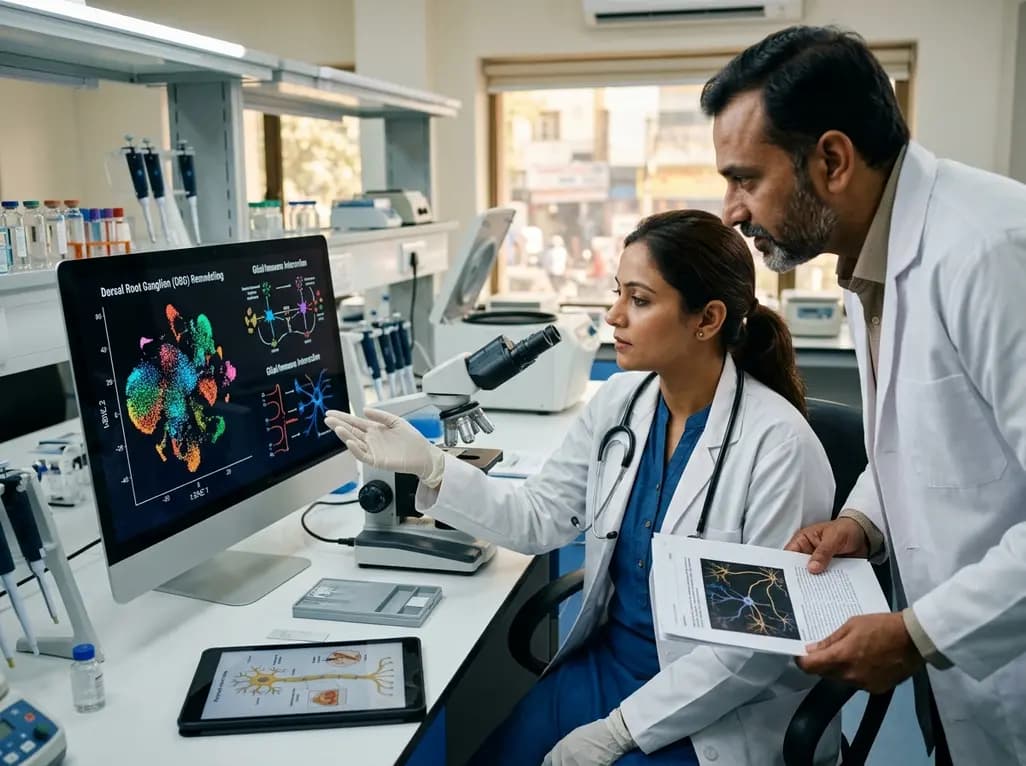
A single-cell transcriptomic atlas reveals how peripheral nerve injuries cause dorsal root ganglion remodeling. By evaluating proximal nerve crush and resection, researchers identify distinct glial and immune programs that resolve neuropathic pain and promote regeneration.
4 days back

A breakthrough study demonstrates that fullerol-primed extracellular vesicles generated in a 3D SECCS bioreactor attenuate ferroptosis and restore myogenic regeneration in diabetes via the FOXO3 pathway, offering a cell-free therapeutic strategy for diabetic musculoskeletal degeneration.
4 days back
