.webp&w=384&q=75)

Loading, please wait...
Loading, please wait...
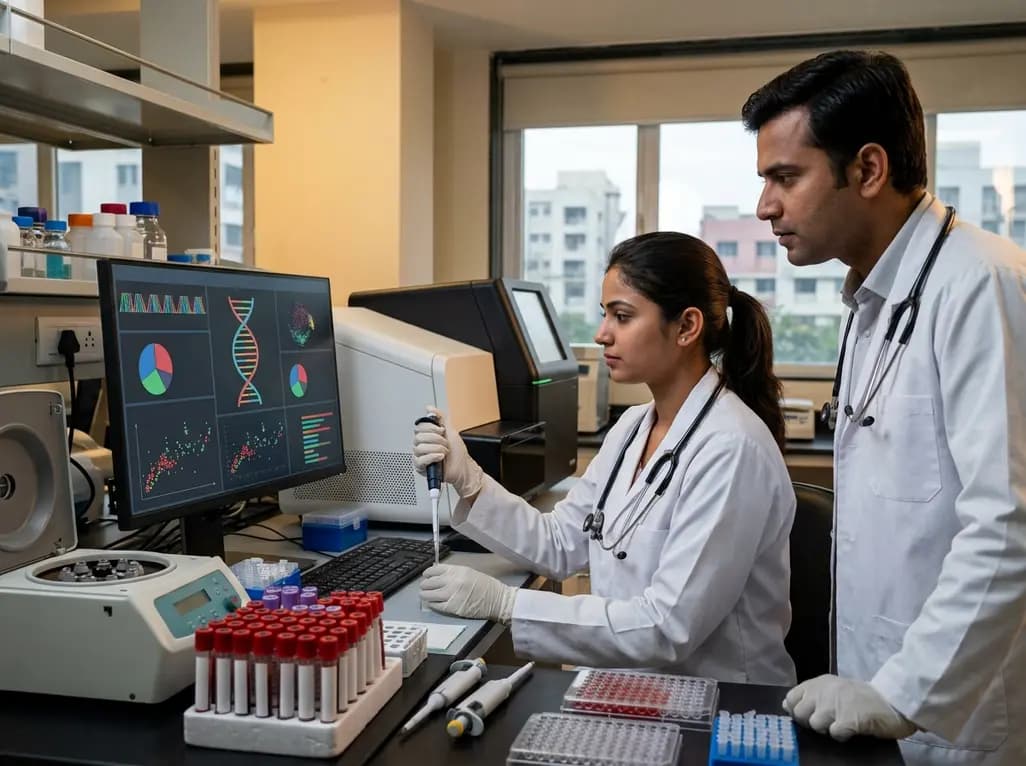
In the ever-evolving field of oncology, pioneering diagnostic advancements are reshaping how clinicians approach oncological screening. Recently, Reliance's Strand Life Sciences secured an Indian patent for a revolutionary liquid biopsy platform. This breakthrough technology leverages cell-free DNA analysis to facilitate early cancer detection through a simple blood sample. Consequently, doctors can now anticipate a significant shift in patient care.
To comprehend this technological milestone, clinicians must examine the underlying biology of liquid biopsies. Specifically, dying cells constantly shed tiny fragments of genetic material, known as cell-free DNA (cfDNA), into the bloodstream. In cancer patients, a portion of this circulating material originates directly from necrotic or apoptotic tumor cells. Clinicians refer to this fraction as circulating tumor DNA. Crucially, tumor-derived DNA exhibits distinct epigenetic modifications compared to healthy cellular debris. Among these alterations, aberrant DNA methylation patterns serve as a definitive biological hallmark of early-stage oncogenesis. The newly patented platform captures these widespread genome-wide methylation changes with exceptional precision. Importantly, the system minimizes the loss of biological information during sequencing procedures. This high-quality data extraction remains critical for sensitive, early-stage diagnoses when tumor-derived genetic material remains highly scarce. Furthermore, the platform integrates fragmentomic analysis to study the unique structural characteristics of these circulating fragments. By observing length patterns, the system gathers crucial diagnostic clues. Consequently, this multi-dimensional approach ensures a robust analysis of even the most subtle epigenetic variations.
Modern diagnostics increasingly rely on artificial intelligence to interpret complex biological datasets. Accordingly, Strand's patented platform utilizes machine learning algorithms to evaluate complex genomic features. Once the platform captures sequencing data, the machine learning models analyze both methylation patterns and fragmentomic signatures. Consequently, the software can differentiate between healthy biological signals and malignant changes with high accuracy. Additionally, the artificial intelligence model can predict the tissue of origin of the detected tumor. This predictive capability represents an immense advantage for clinical practitioners. By identifying the specific organ of origin, the system allows doctors to initiate targeted diagnostic investigations immediately. For example, if the AI predicts a colorectal origin, the clinician can promptly order a colonoscopy. Subsequently, this targeted approach prevents unnecessary exploratory procedures and reduces patient anxiety. Moreover, developers trained these algorithms on specific patient cohorts to ensure high diagnostic specificity. As a result, the platform achieves high sensitivity without generating excessive false-positive results. Ultimately, this integration transforms raw genomic data into highly actionable clinical intelligence.
Currently, cancer is emerging as one of India's most daunting public health challenges. Annually, healthcare facilities estimate over 1.5 million new oncology cases across the nation. Unfortunately, a vast majority of these patients seek treatment at advanced stages. At these late stages, treatment options are significantly restricted and patient survival rates drop dramatically. Therefore, standardizing early intervention is critical to transforming the oncological landscape. Liquid biopsy platforms can potentially shift diagnoses to much earlier, treatable stages. Standard clinical screening protocols in India currently cover only a fraction of common cancers, such as cervical or breast malignancies. Furthermore, these traditional screening methods often require extensive physical infrastructure and specialized personnel, which limits scalability. In contrast, a simple blood-based test can bypass these geographical and infrastructural barriers entirely. Medical practitioners can easily administer a blood draw in remote areas and ship samples to central facilities. Consequently, this technology democratizes access to high-quality diagnostic resources for historically underserved populations. By implementing this scalable solution, the healthcare ecosystem can mitigate the heavy burden of late-stage cases.
For medical educators and clinicians, understanding the practical performance of these tests is vital. Specifically, Strand's CancerSpot platform has demonstrated remarkable clinical utility in validating trials. In studies of common malignancies, the assay achieved an impressive 81% sensitivity at 97% specificity across ten distinct cancer types. More importantly, it successfully detected early-stage disease, exhibiting over 79% sensitivity for Stage I and Stage II cancers. This level of sensitivity is particularly noteworthy because early-stage tumors shed very little circulating tumor DNA into the blood. To achieve these results, the system requires only a standard 20 ml blood draw. Thus, patients do not have to undergo invasive tissue biopsies or expose themselves to ionizing radiation. This minimally invasive nature of liquid biopsies significantly improves patient compliance for regular screening protocols. Furthermore, the test targets ten of the most common cancers, including lung, breast, and colorectal malignancies. Because these cancers account for a substantial portion of India's oncology burden, widespread adoption could radically improve population-wide outcomes. Consequently, clinicians can utilize this tool to complement existing diagnostic modalities.
Despite the clear benefits of genomic diagnostics, high costs and complex infrastructure have historically limited their adoption. Fortunately, the rapidly decreasing cost of high-throughput genome sequencing is changing this dynamic. As sequencing technologies become more affordable, the cost of liquid biopsies will naturally decrease. Consequently, healthcare providers can offer these advanced tests at an unprecedented scale without expanding local clinical facilities. This scalability is particularly advantageous for resource-constrained clinics in semi-urban and rural areas of India. Instead of purchasing expensive local imaging machinery, these centers can simply act as sample collection points. Subsequently, central diagnostic labs can process the samples and deliver results through digital channels. This model of centralized processing dramatically lowers the overhead cost per test. Furthermore, the integration of artificial intelligence reduces the necessity for manually intensive laboratory interpretation. By automating feature extraction and classification steps, the platform accelerates clinical workflows. Therefore, this technological synergy directly addresses the core challenges of cost, infrastructure, and clinical expertise. As these screening tools become increasingly accessible, they will play a vital role in national oncology prevention strategies.
Q1: What biological markers does Strand’s patented platform analyze for cancer detection?
The patented platform primarily utilizes cell-free DNA circulating in the bloodstream. Specifically, the technology analyzes widespread genome-wide methylation patterns, which are well-documented biological hallmarks of early-stage oncogenesis. Furthermore, the platform integrates fragmentomic analysis to examine the unique structural features of DNA molecules. By combining these molecular analyses with machine learning, the platform detects cancer with high precision. Additionally, the system accurately predicts the tissue of origin from a simple blood sample.
Q2: How accurate is the CancerSpot platform in identifying early-stage cancers?
In clinical validation studies, the CancerSpot platform demonstrated exceptional diagnostic accuracy across ten different cancer types. Specifically, the assay achieved an overall sensitivity of 81% at a high specificity of 97%. More importantly, the platform successfully identified early-stage malignancies. It demonstrated over 79% sensitivity specifically for Stage I and Stage II cancers. This performance remains highly significant. Early-stage tumors shed extremely low concentrations of circulating tumor DNA into the bloodstream.
Q3: Why does this liquid biopsy technology offer high scalability for the Indian population?
This platform offers immense scalability because it relies on a simple, minimally invasive blood draw. Consequently, healthcare providers can easily collect samples in remote clinics without needing specialized imaging infrastructure or surgical tissue biopsies. Since the global cost of high-throughput genome sequencing continues to fall, the expenses associated with these tests will decrease accordingly. This cost reduction allows centralized facilities to process large volumes affordably. Consequently, this model greatly improves diagnostic access across India.
Disclaimer: This content is for informational and educational purposes only. It does not constitute medical advice or replace professional judgment. Refer to the latest local and national guidelines for clinical practice.
References

Read summarized clinical updates, watch expert medical content, and earn CME certifications right from your smartphone.
Open your smartphone camera to scan and install.





Strand Life Sciences has secured an Indian patent for an innovative, AI-powered platform designed for early-stage cancer detection. Using advanced cell-free DNA (cfDNA) analysis, genome sequencing, and machine learning, this liquid biopsy technology promises a highly scalable, minimally invasive screening solution.
3 months ago
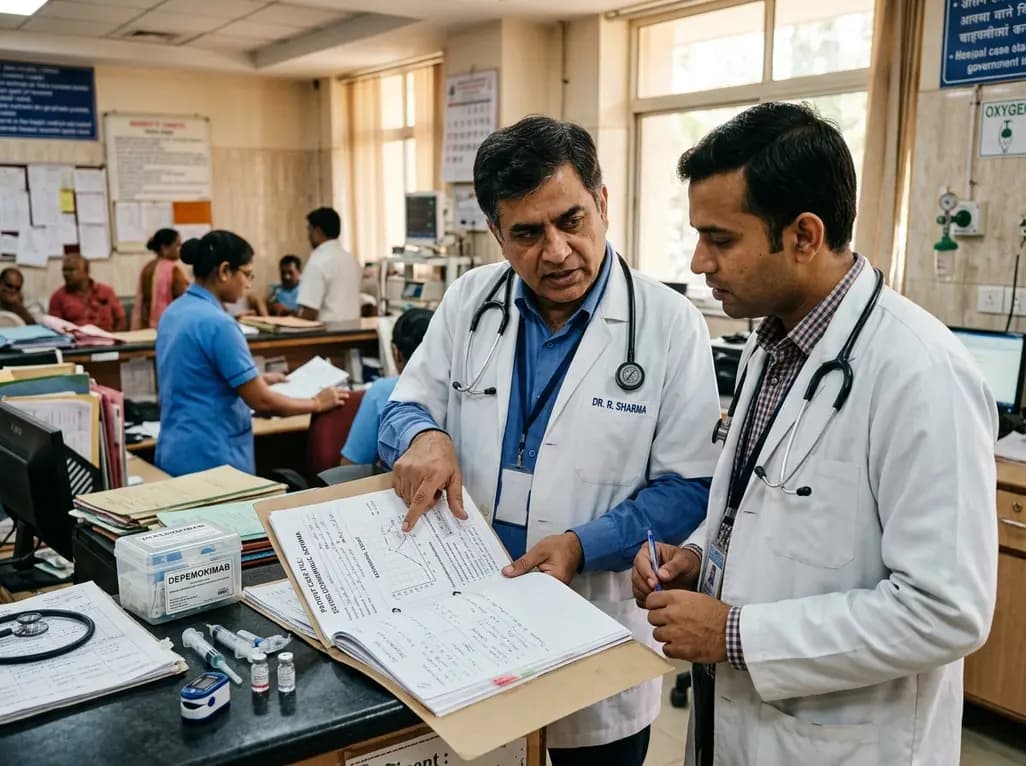
Depemokimab offers twice-yearly dosing for severe eosinophilic asthma and chronic rhinosinusitis with nasal polyps, significantly cutting exacerbations and hospital admissions.
3 days back

A novel copper metal-organic framework hydrogel remodels the uterine microenvironment to stimulate robust endometrial regeneration, reduce intrauterine fibrosis, and restore reproductive fertility, offering a groundbreaking strategy for managing refractory endometrial damage and Asherman syndrome.
3 days back
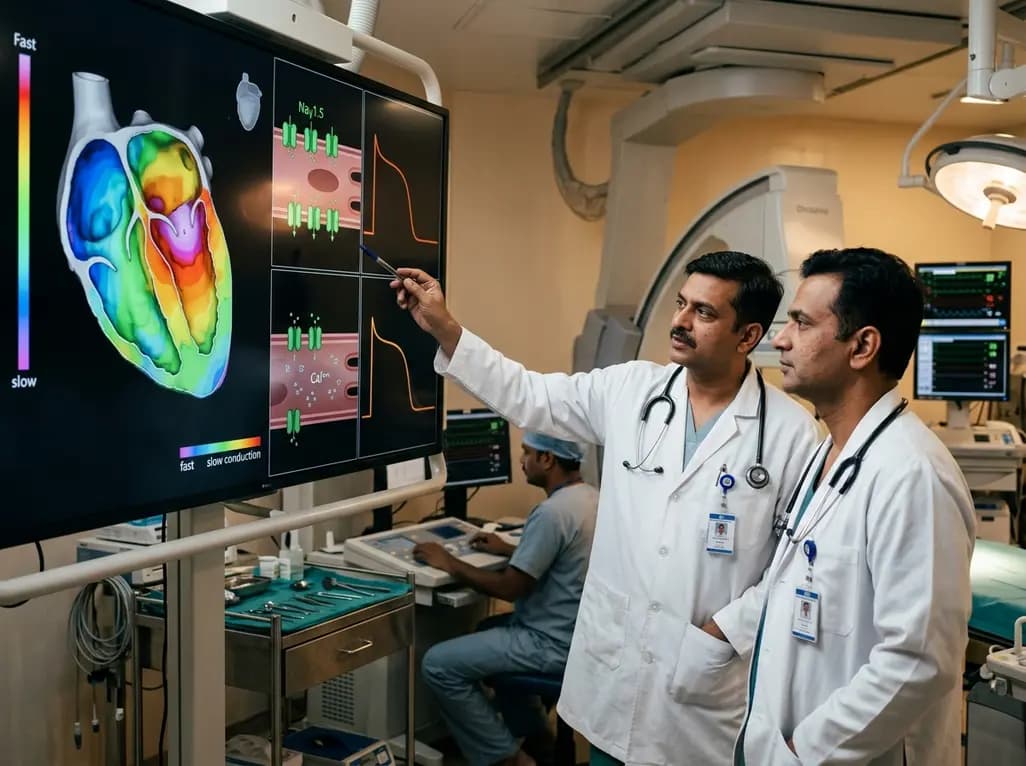
New research reveals that non-ablative radiotherapy suppresses ventricular tachycardia by increasing conduction velocity via NaV1.5 upregulation and action potential prolongation. However, sustained sodium current elevation and depressed calcium handling highlight the need for careful clinical translation.
5 days back
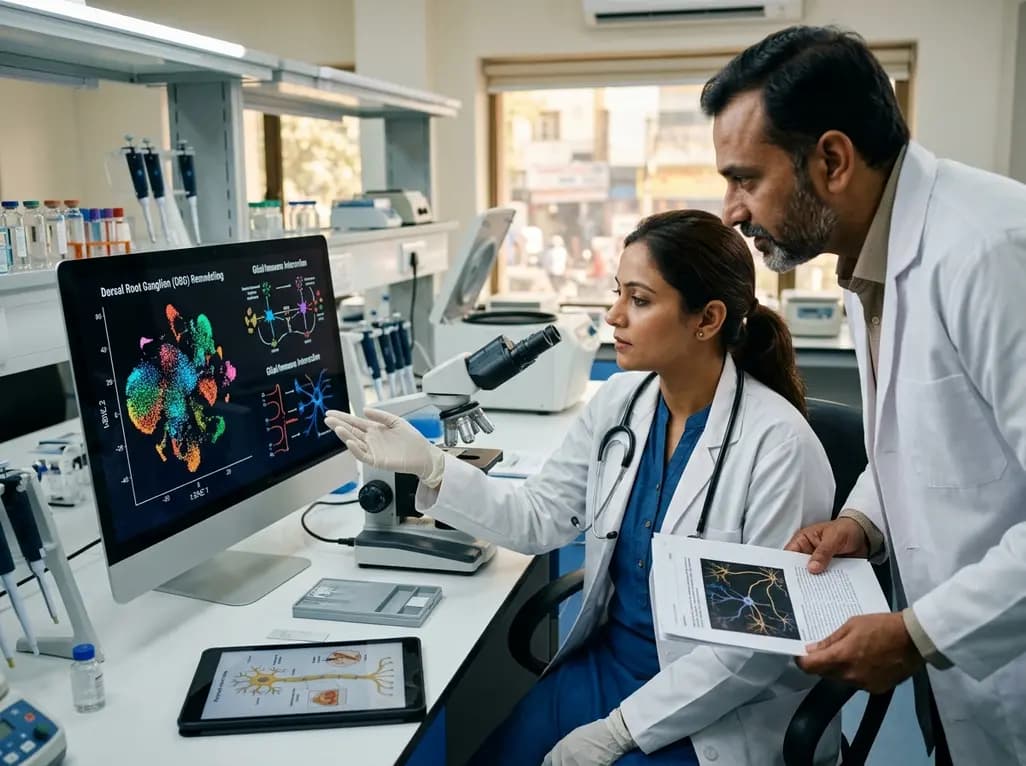
A single-cell transcriptomic atlas reveals how peripheral nerve injuries cause dorsal root ganglion remodeling. By evaluating proximal nerve crush and resection, researchers identify distinct glial and immune programs that resolve neuropathic pain and promote regeneration.
3 days back
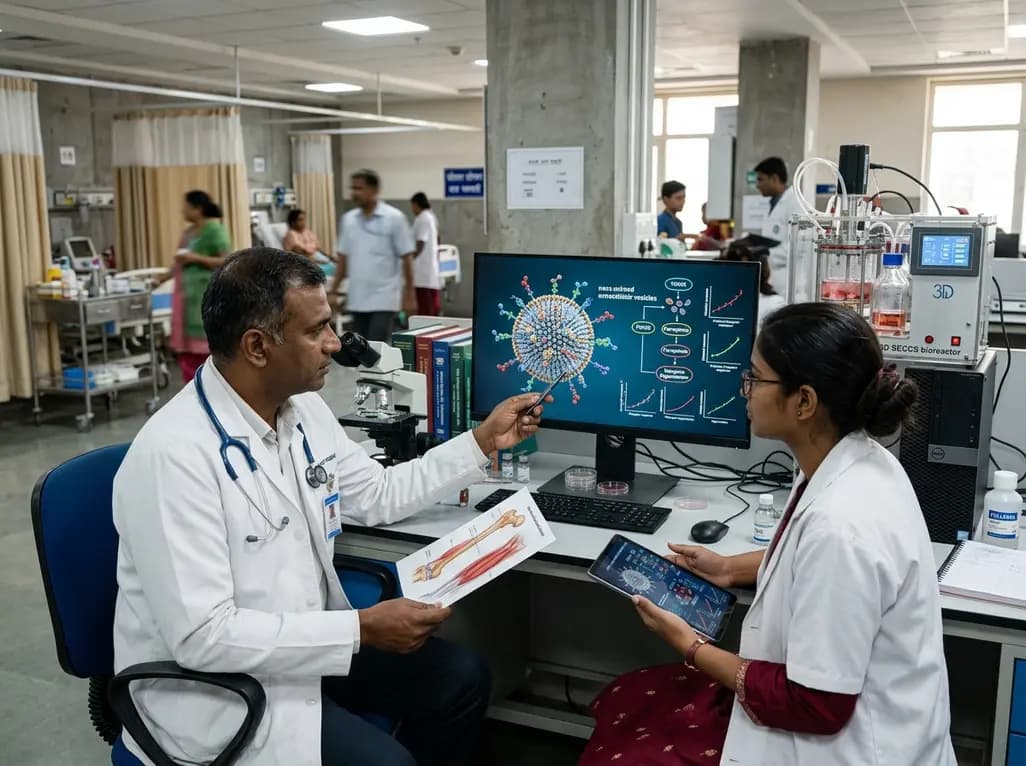
A breakthrough study demonstrates that fullerol-primed extracellular vesicles generated in a 3D SECCS bioreactor attenuate ferroptosis and restore myogenic regeneration in diabetes via the FOXO3 pathway, offering a cell-free therapeutic strategy for diabetic musculoskeletal degeneration.
3 days back
