.webp&w=384&q=75)

Loading, please wait...
Loading, please wait...
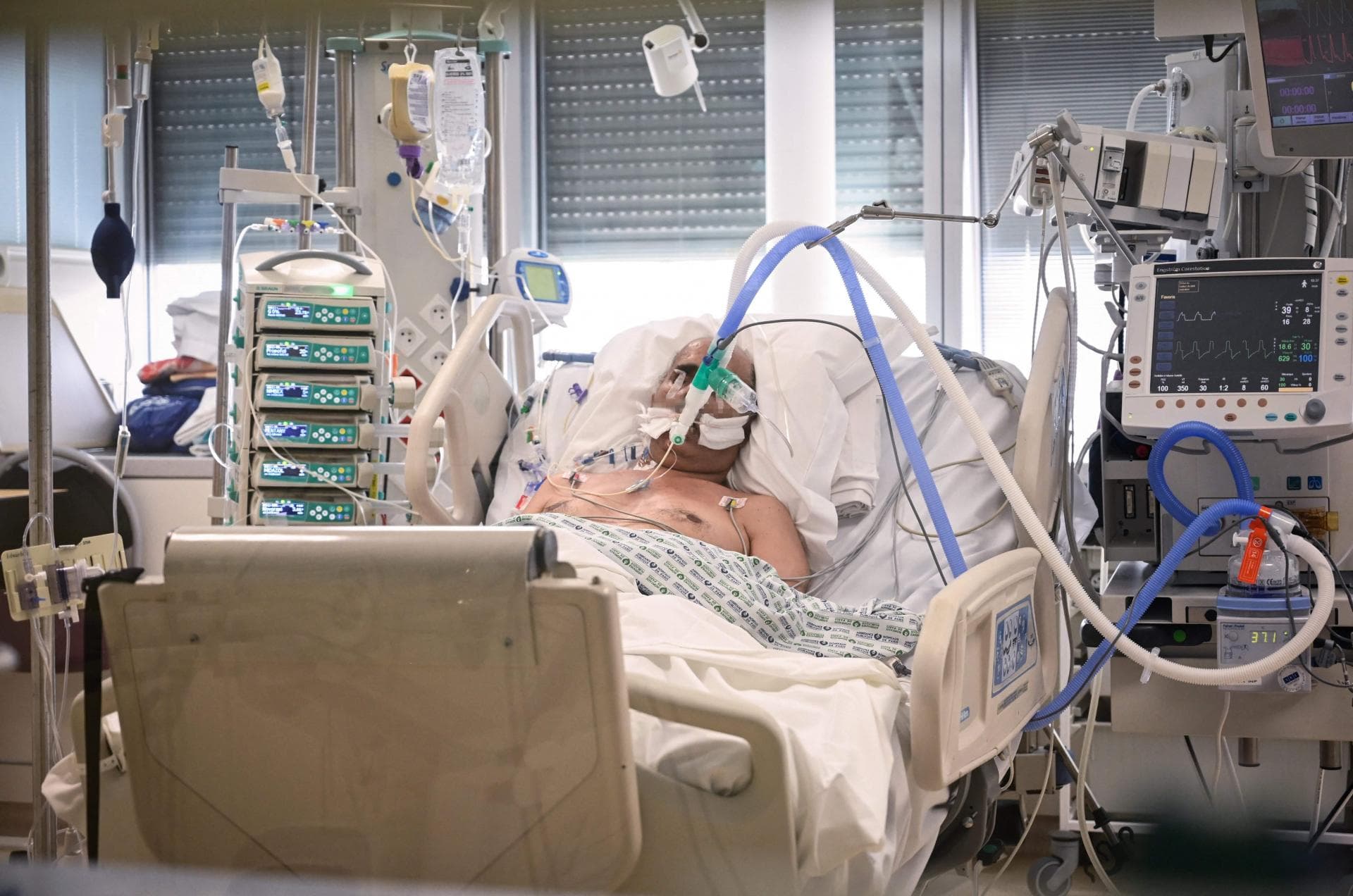
MENDS2 was a large randomised trial comparing dexmedetomidine with propofol for sedation in mechanically ventilated adults with sepsis. The study tackled a clinically important question: could the choice of sedative influence outcomes beyond simply keeping the patient comfortable and synchronised with the ventilator? The trial found no significant difference in the primary outcome of ventilator-free days and alive at 90 days between the two sedative strategies. The result is important because dexmedetomidine is often attractive when clinicians want lighter, more interactive sedation or less respiratory depression, but pharmacological preference should not be confused with proven mortality benefit. The practical message is to select sedation according to the patient's clinical needs, the desired depth of sedation, haemodynamic profile, delirium risk and the broader ICU liberation plan. Routine sedation should be as light as safely possible, with regular reassessment and coordination with spontaneous awakening and breathing trials. This fits CritiCARE 2026's dedicated discussion of sedation, analgesia, neuromuscular blockade, delirium and ventilator liberation. The trial reinforces a core principle of modern ICU practice: sedatives are tools within a care strategy, not endpoints in themselves.

Read summarized clinical updates, watch expert medical content, and earn CME certifications right from your smartphone.
Open your smartphone camera to scan and install.





MENDS2 was a large randomised trial comparing dexmedetomidine with propofol for sedation in mechanically ventilated adults with sepsis. The study tackled a clinically important question: could the choice of sedative influence outcomes beyond simply keeping the patient comfortable and synchronised with the ventilator? The trial found no significant difference in the primary outcome of ventilator-free days and alive at 90 days between the two sedative strategies. The result is important because dexmedetomidine is often attractive when clinicians want lighter, more interactive sedation or less respiratory depression, but pharmacological preference should not be confused with proven mortality benefit. The practical message is to select sedation according to the patient's clinical needs, the desired depth of sedation, haemodynamic profile, delirium risk and the broader ICU liberation plan. Routine sedation should be as light as safely possible, with regular reassessment and coordination with spontaneous awakening and breathing trials. This fits CritiCARE 2026's dedicated discussion of sedation, analgesia, neuromuscular blockade, delirium and ventilator liberation. The trial reinforces a core principle of modern ICU practice: sedatives are tools within a care strategy, not endpoints in themselves.
4 weeks back

Discover how catalytic nanozymes redefine autoimmune disease therapy by establishing a physiological redox set-point to restore immune tolerance without broad immunosuppression.
Last week

Recent research reveals that downregulating YAP1/TAZ-TEAD via Hippo signaling triggers spontaneous human trophoblast syncytialization in 3D cultures, illuminating placental biology and preeclampsia.
3 weeks back

A landmark comparative study evaluates atrial electrophysiology across humans, swine, and rodents. By linking cellular recordings with transcriptomics and in silico modeling, researchers resolve cross-species gaps, explaining translational failures to advance targeted therapies for atrial arrhythmias.
3 weeks back

A novel pathology-adaptive surface engineering strategy uses functionalized plasma polymer coatings to selectively modulate AGE adsorption, reducing oxidative stress and restoring bone formation in diabetic and aging microenvironments.
last month

Researchers have developed an innovative ultrasound-responsive nano-contrast agent that co-delivers CIITA-siRNA and rapamycin directly to inflamed thyroid tissue, significantly reducing autoimmune injury and thyroid autoantibodies in preclinical models of Hashimoto thyroiditis.
3 weeks back
