.webp&w=384&q=75)

Loading, please wait...
Loading, please wait...
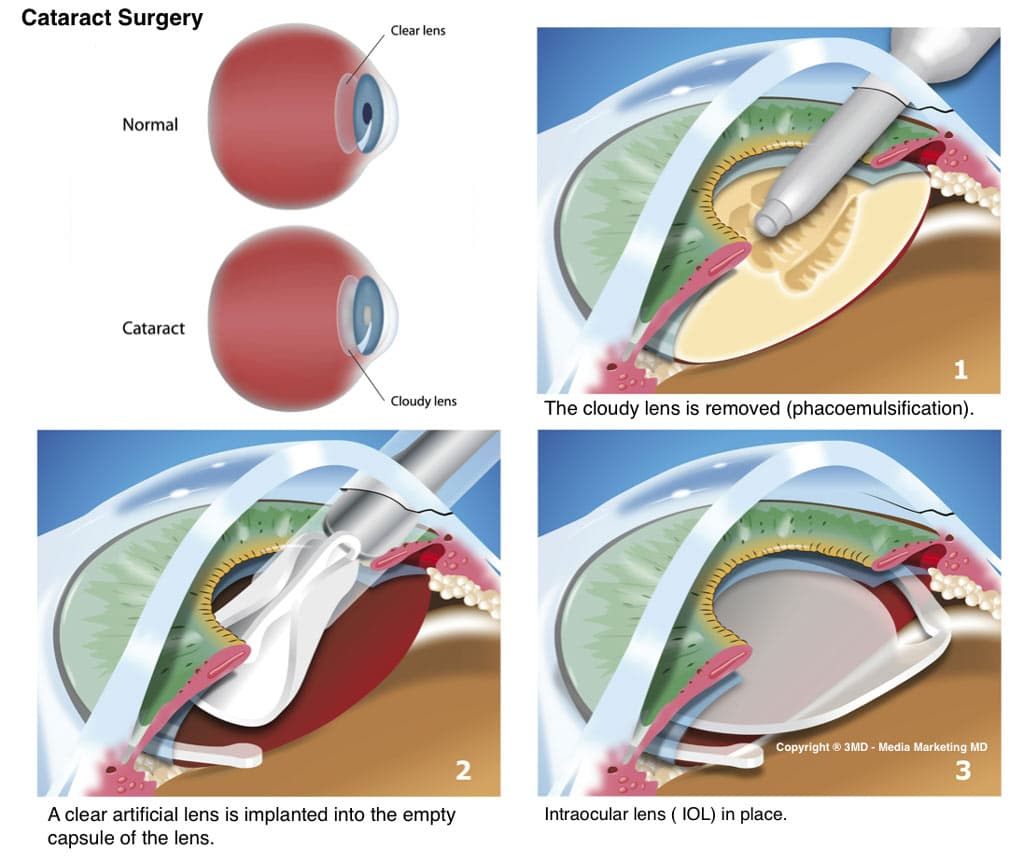
A large European registry analysis examined more than 2.8 million cataract surgeries to identify factors associated with posterior capsule rupture (PCR), one of the most important intraoperative complications in cataract surgery. PCR occurred in about 1.1% of cases, with the rate decreasing over the study period. Several preoperative characteristics were associated with substantially higher risk, including corneal opacity, diabetic retinopathy, poor preoperative visual acuity, and white cataract. These findings reinforce a simple but important principle: PCR prevention begins before the first incision. Careful preoperative identification of dense or intumescent cataracts, corneal visibility limitations, retinal comorbidity, and reduced baseline vision can help surgeons anticipate difficult visualization and altered intraoperative anatomy. The data also support structured risk stratification and appropriate allocation of challenging cases to surgeons with suitable experience and equipment. For teaching and surgical planning, the study is particularly useful because it moves PCR risk discussion beyond isolated technical errors and toward patient-level predictors. In practice, identifying high-risk eyes can influence consent, operating-room preparation, availability of capsular support devices, and the threshold for modifying the surgical plan when zonular or capsular instability becomes apparent.

Read summarized clinical updates, watch expert medical content, and earn CME certifications right from your smartphone.
Open your smartphone camera to scan and install.





A large European registry analysis examined more than 2.8 million cataract surgeries to identify factors associated with posterior capsule rupture (PCR), one of the most important intraoperative complications in cataract surgery. PCR occurred in about 1.1% of cases, with the rate decreasing over the study period. Several preoperative characteristics were associated with substantially higher risk, including corneal opacity, diabetic retinopathy, poor preoperative visual acuity, and white cataract. These findings reinforce a simple but important principle: PCR prevention begins before the first incision. Careful preoperative identification of dense or intumescent cataracts, corneal visibility limitations, retinal comorbidity, and reduced baseline vision can help surgeons anticipate difficult visualization and altered intraoperative anatomy. The data also support structured risk stratification and appropriate allocation of challenging cases to surgeons with suitable experience and equipment. For teaching and surgical planning, the study is particularly useful because it moves PCR risk discussion beyond isolated technical errors and toward patient-level predictors. In practice, identifying high-risk eyes can influence consent, operating-room preparation, availability of capsular support devices, and the threshold for modifying the surgical plan when zonular or capsular instability becomes apparent.
4 weeks back

A bioengineered oral nanozyme microsupplement converts pathological ROS into a protective polydopamine hydrogel shield. By curbing neutrophil extracellular traps and balancing T cells, this platform outperforms standard 5-ASA in preclinical colitis models, opening new paths for sustained remission.
3 days back

Recent research reveals that downregulating YAP1/TAZ-TEAD via Hippo signaling triggers spontaneous human trophoblast syncytialization in 3D cultures, illuminating placental biology and preeclampsia.
4 weeks back

Abdominal aortic aneurysm rupture remains a catastrophic vascular emergency. Groundbreaking research reveals that USP53 accelerates aneurysm progression by reprogramming smooth muscle cell metabolism toward aerobic glycolysis, highlighting a promising target beyond conventional diameter-based surveillance.
4 days back

A breakthrough study leverages natural language processing to accurately identify incident medication-related osteonecrosis of the jaw and track antiresorptive drug holidays from clinical narratives in electronic health records, advancing osteoporosis pharmacovigilance and dental safety.
4 days back

Recent research defines ferro-aging as a conserved iron-lipid axis driving organ decline across primates. Age-related iron dyshomeostasis stimulates ACSL4-mediated lipid peroxidation, promoting cellular senescence. Notably, vitamin C directly inhibits ACSL4, suppressing phospholipid oxidation and multi-organ decay.
5 days back
