

Loading, please wait...
Loading, please wait...
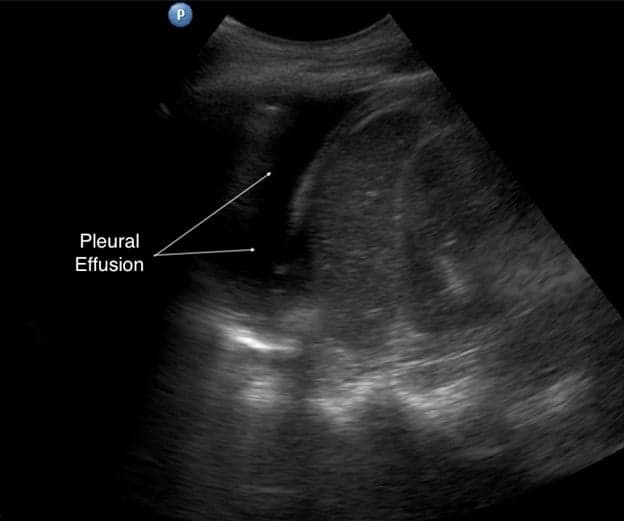
A meta-analysis of Indian studies assessed the diagnostic performance of pleural-fluid adenosine deaminase for tuberculous pleural effusion. Across more than 40 studies and several thousand patients, pooled sensitivity and specificity were high, supporting ADA as a useful component of diagnostic evaluation in TB-endemic practice. The clinically important point is that ADA should be interpreted in context rather than used as an isolated rule-in or rule-out test. Age, local TB prevalence, pleural-cell profile, clinical presentation, and alternative diagnoses all affect how a result should be understood. The evidence is especially relevant in India, where tuberculous pleuritis is common but malignant and other inflammatory causes of exudative effusion also need consideration. For HCPs, the paper offers a practical framework: use pleural fluid analysis to establish an evidence-based pretest probability, then escalate to tissue diagnosis when the clinical picture and fluid results do not agree. This matches the conference’s emphasis on a “beyond Light’s criteria” approach and on knowing when to move from fluid biomarkers to medical thoracoscopy.

Read summarized clinical updates, watch expert medical content, and earn CME certifications right from your smartphone.
Open your smartphone camera to scan and install.





A meta-analysis of Indian studies assessed the diagnostic performance of pleural-fluid adenosine deaminase for tuberculous pleural effusion. Across more than 40 studies and several thousand patients, pooled sensitivity and specificity were high, supporting ADA as a useful component of diagnostic evaluation in TB-endemic practice. The clinically important point is that ADA should be interpreted in context rather than used as an isolated rule-in or rule-out test. Age, local TB prevalence, pleural-cell profile, clinical presentation, and alternative diagnoses all affect how a result should be understood. The evidence is especially relevant in India, where tuberculous pleuritis is common but malignant and other inflammatory causes of exudative effusion also need consideration. For HCPs, the paper offers a practical framework: use pleural fluid analysis to establish an evidence-based pretest probability, then escalate to tissue diagnosis when the clinical picture and fluid results do not agree. This matches the conference’s emphasis on a “beyond Light’s criteria” approach and on knowing when to move from fluid biomarkers to medical thoracoscopy.
4 weeks back
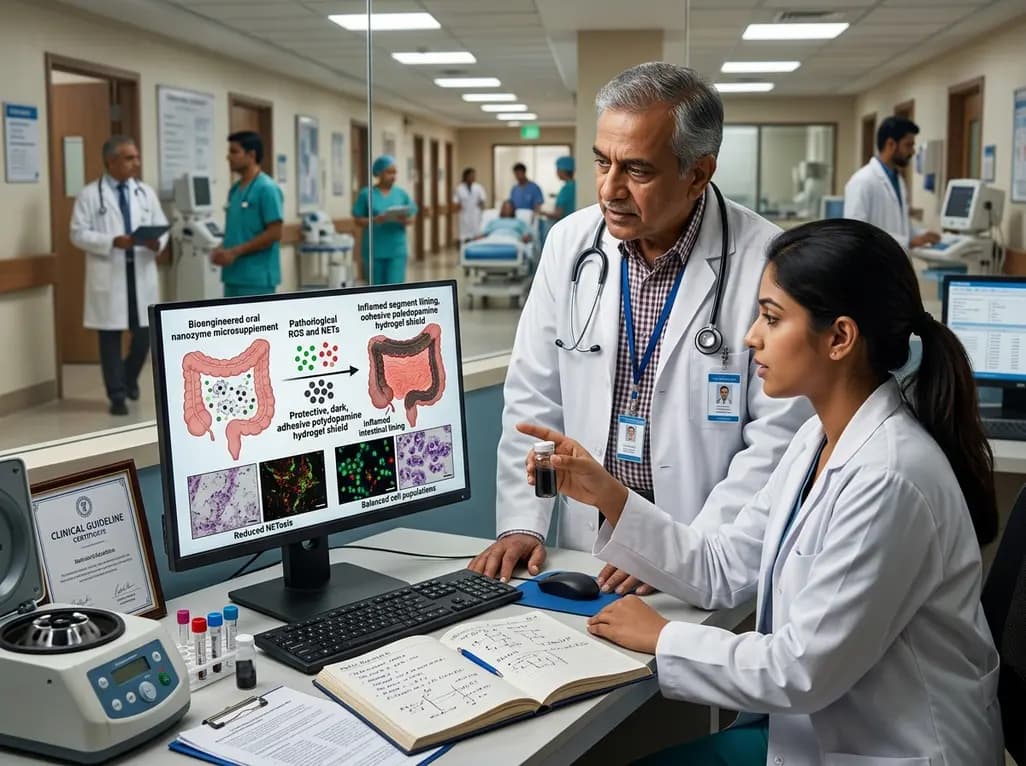
A bioengineered oral nanozyme microsupplement converts pathological ROS into a protective polydopamine hydrogel shield. By curbing neutrophil extracellular traps and balancing T cells, this platform outperforms standard 5-ASA in preclinical colitis models, opening new paths for sustained remission.
4 days back
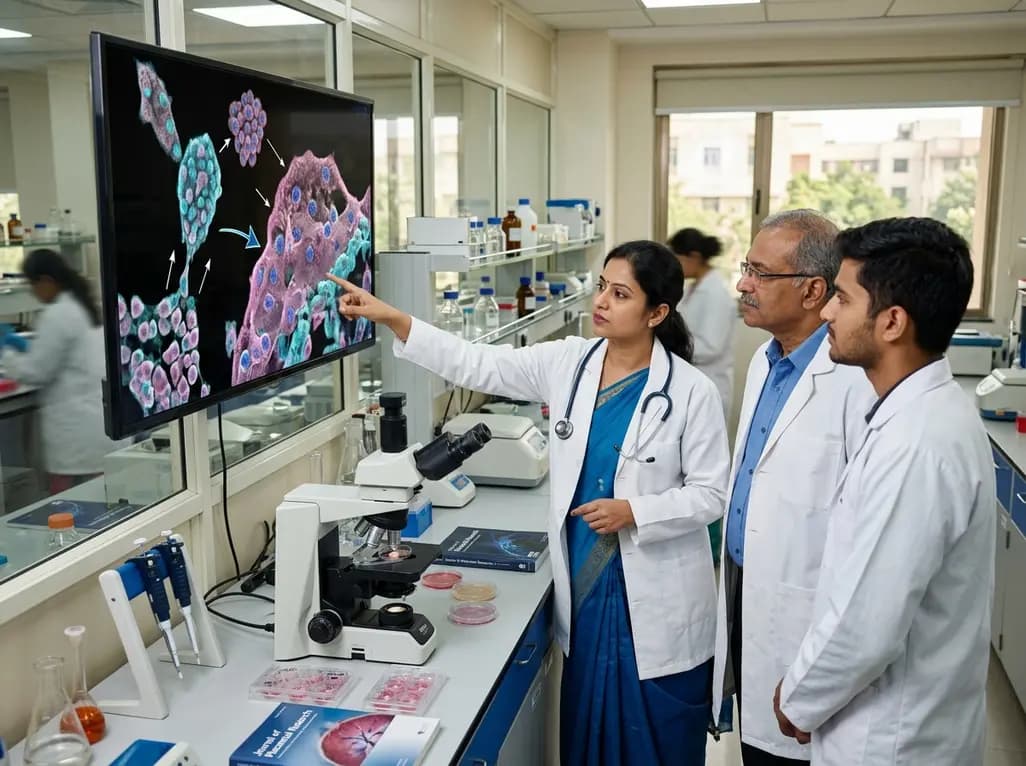
Recent research reveals that downregulating YAP1/TAZ-TEAD via Hippo signaling triggers spontaneous human trophoblast syncytialization in 3D cultures, illuminating placental biology and preeclampsia.
4 weeks back
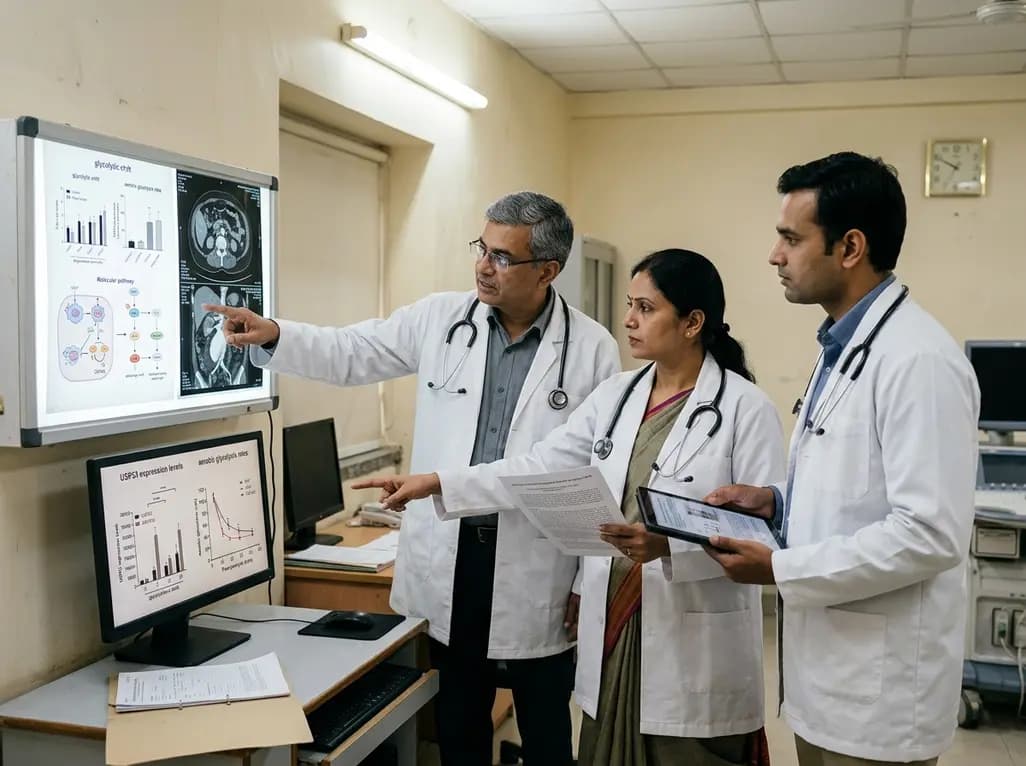
Abdominal aortic aneurysm rupture remains a catastrophic vascular emergency. Groundbreaking research reveals that USP53 accelerates aneurysm progression by reprogramming smooth muscle cell metabolism toward aerobic glycolysis, highlighting a promising target beyond conventional diameter-based surveillance.
5 days back
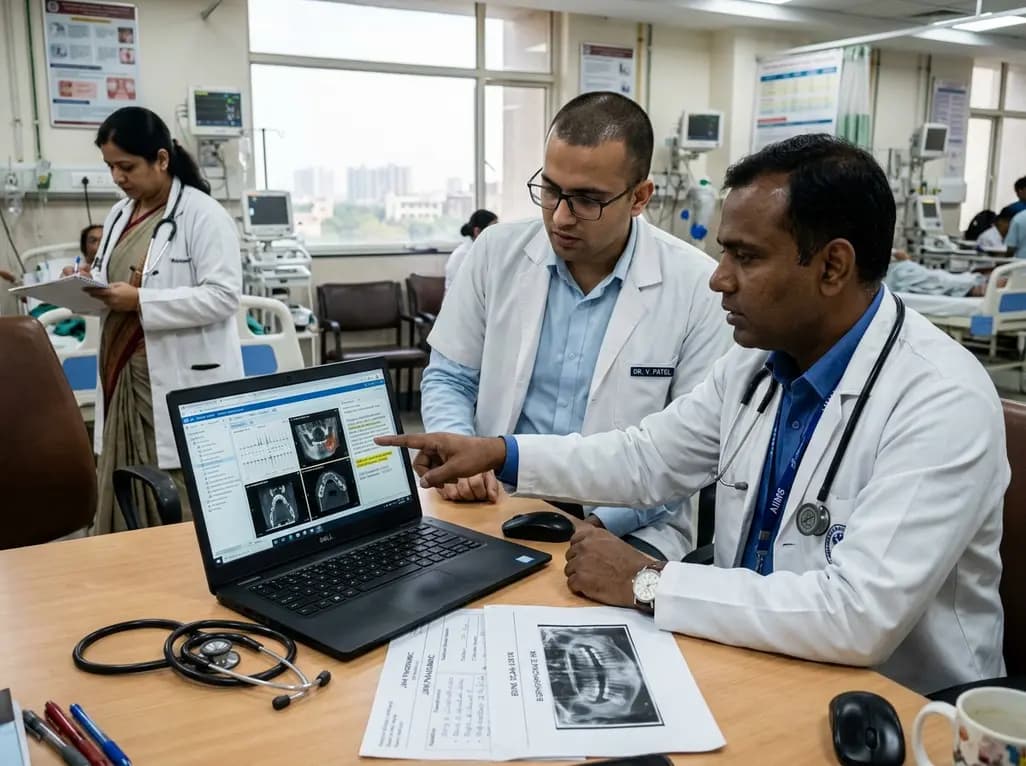
A breakthrough study leverages natural language processing to accurately identify incident medication-related osteonecrosis of the jaw and track antiresorptive drug holidays from clinical narratives in electronic health records, advancing osteoporosis pharmacovigilance and dental safety.
4 days back
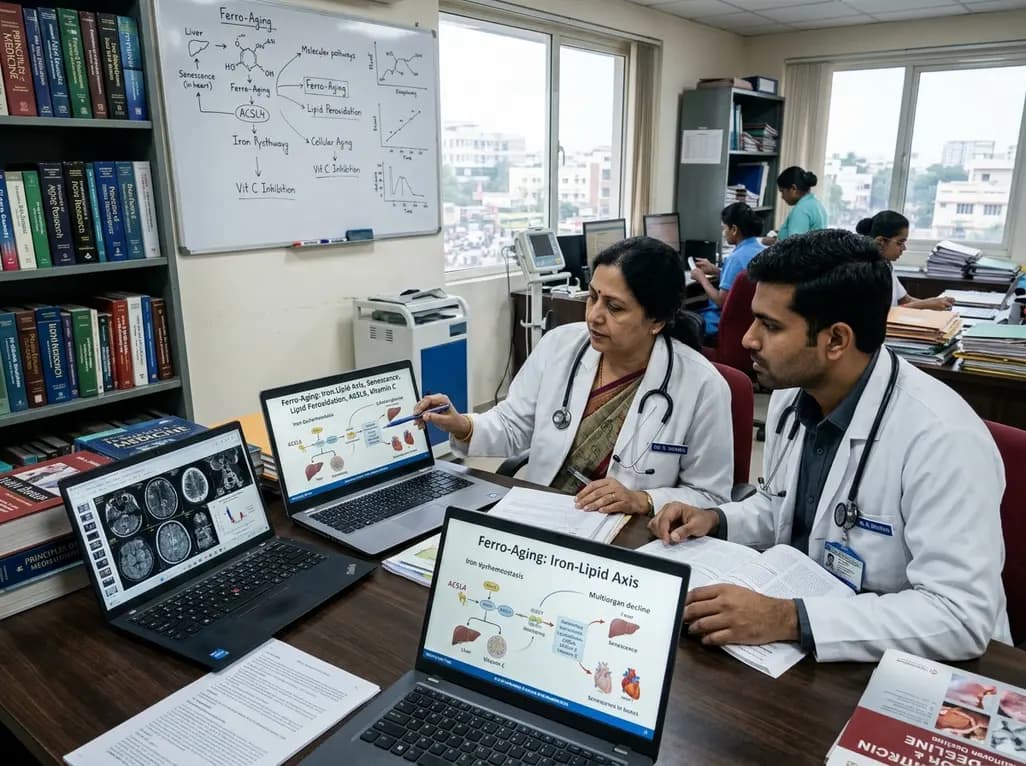
Recent research defines ferro-aging as a conserved iron-lipid axis driving organ decline across primates. Age-related iron dyshomeostasis stimulates ACSL4-mediated lipid peroxidation, promoting cellular senescence. Notably, vitamin C directly inhibits ACSL4, suppressing phospholipid oxidation and multi-organ decay.
5 days back
