.webp&w=384&q=75)

Loading, please wait...
Loading, please wait...
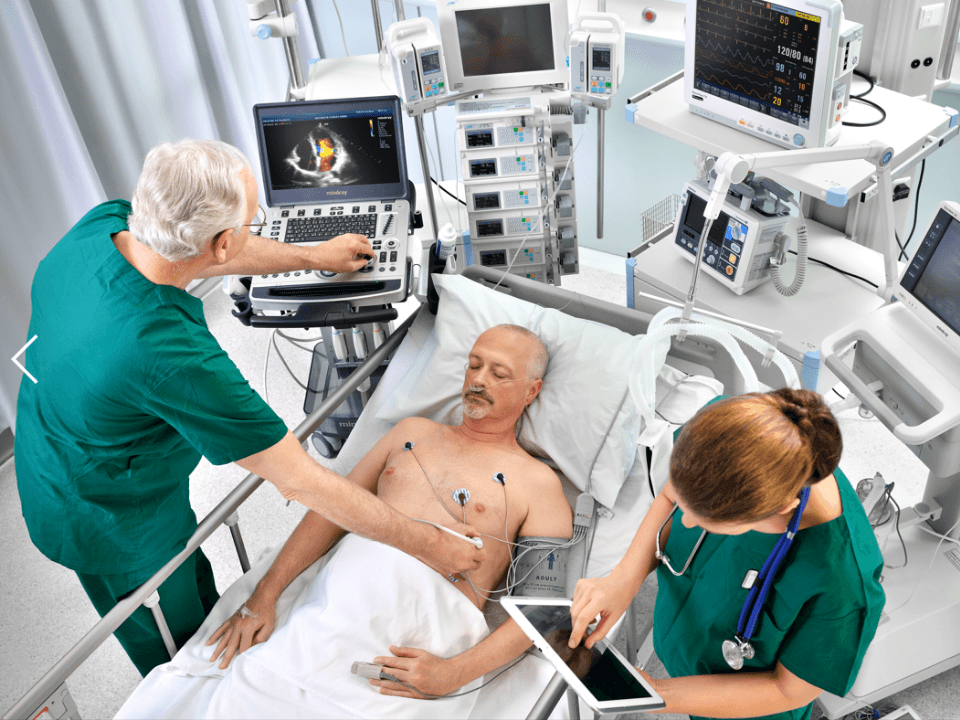
The ANDROMEDA-SHOCK-2 trial tested a personalised haemodynamic resuscitation strategy in adults with septic shock during the first hours of treatment. The protocol used capillary refill time together with pulse pressure, diastolic arterial pressure, fluid responsiveness and bedside echocardiography to tailor fluids, vasopressors and inotropes. Across 86 centres in 19 countries, 1,467 patients were randomised to the personalised strategy or usual care. The trial was designed around a central problem in septic shock: giving the same amount of fluid and vasoactive support to every patient may expose some patients to unnecessary treatment while undertreating others. The intervention therefore moved resuscitation toward physiology-guided decision-making rather than a fixed algorithm. For HCPs, the important message is not that capillary refill time replaces all other monitoring. Instead, the study demonstrates how a bedside perfusion marker can be integrated into a broader, individualised framework. This fits the conference emphasis on personalised haemodynamic resuscitation and evolving sepsis care. The practical implication is to reassess perfusion repeatedly and adjust the balance among fluids, vasopressors and inotropes according to the patient's physiological response rather than relying on a single target or a fixed fluid dose.

Read summarized clinical updates, watch expert medical content, and earn CME certifications right from your smartphone.
Open your smartphone camera to scan and install.





The ANDROMEDA-SHOCK-2 trial tested a personalised haemodynamic resuscitation strategy in adults with septic shock during the first hours of treatment. The protocol used capillary refill time together with pulse pressure, diastolic arterial pressure, fluid responsiveness and bedside echocardiography to tailor fluids, vasopressors and inotropes. Across 86 centres in 19 countries, 1,467 patients were randomised to the personalised strategy or usual care. The trial was designed around a central problem in septic shock: giving the same amount of fluid and vasoactive support to every patient may expose some patients to unnecessary treatment while undertreating others. The intervention therefore moved resuscitation toward physiology-guided decision-making rather than a fixed algorithm. For HCPs, the important message is not that capillary refill time replaces all other monitoring. Instead, the study demonstrates how a bedside perfusion marker can be integrated into a broader, individualised framework. This fits the conference emphasis on personalised haemodynamic resuscitation and evolving sepsis care. The practical implication is to reassess perfusion repeatedly and adjust the balance among fluids, vasopressors and inotropes according to the patient's physiological response rather than relying on a single target or a fixed fluid dose.
3 weeks back
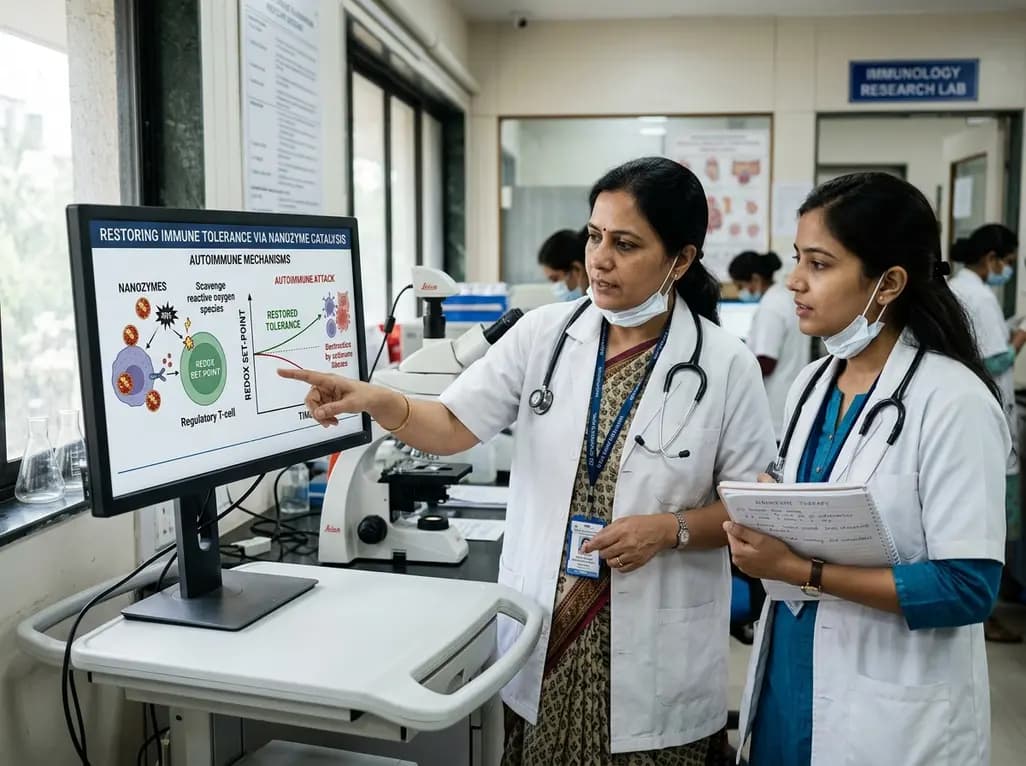
Discover how catalytic nanozymes redefine autoimmune disease therapy by establishing a physiological redox set-point to restore immune tolerance without broad immunosuppression.
Last week
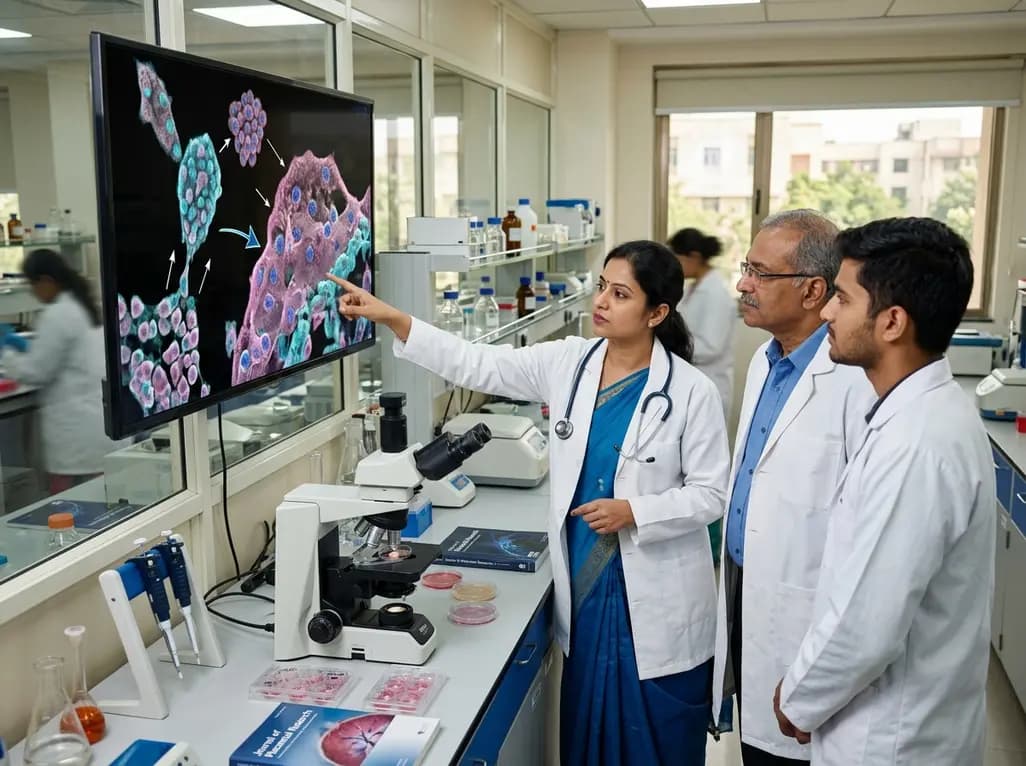
Recent research reveals that downregulating YAP1/TAZ-TEAD via Hippo signaling triggers spontaneous human trophoblast syncytialization in 3D cultures, illuminating placental biology and preeclampsia.
3 weeks back
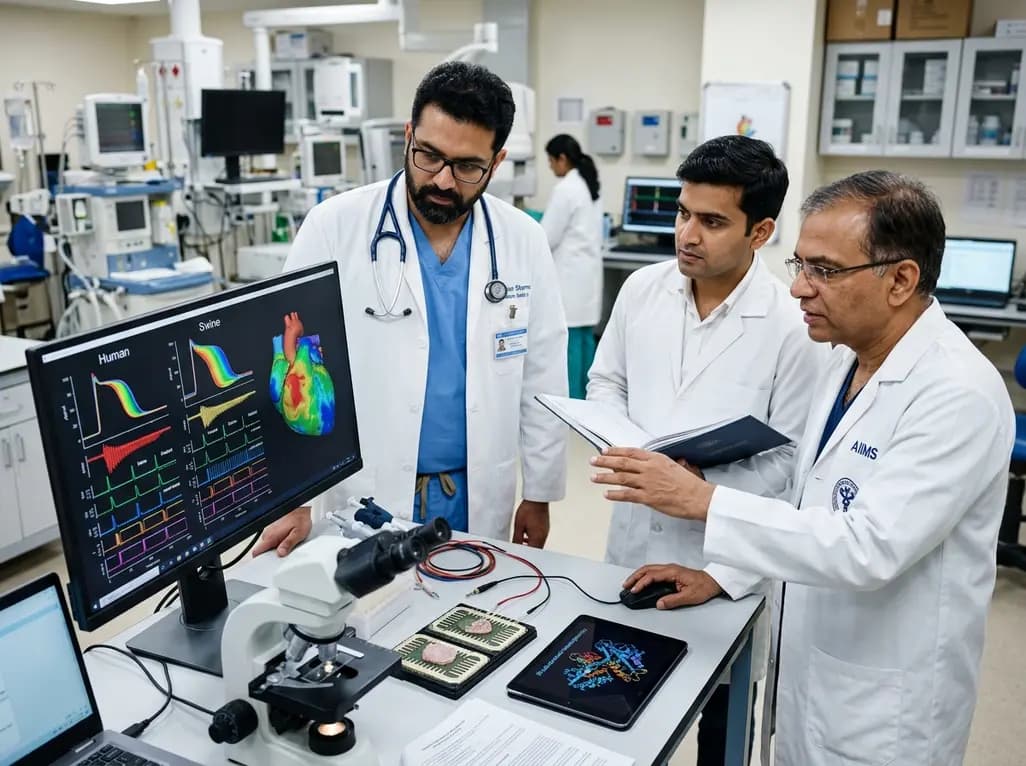
A landmark comparative study evaluates atrial electrophysiology across humans, swine, and rodents. By linking cellular recordings with transcriptomics and in silico modeling, researchers resolve cross-species gaps, explaining translational failures to advance targeted therapies for atrial arrhythmias.
3 weeks back
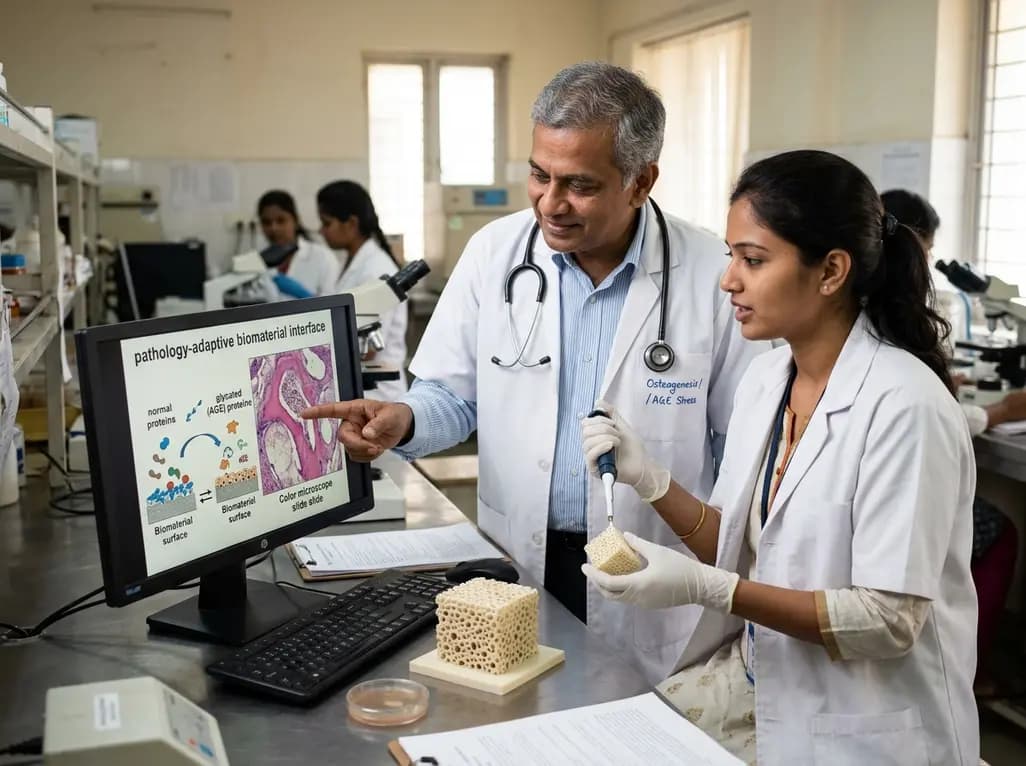
A novel pathology-adaptive surface engineering strategy uses functionalized plasma polymer coatings to selectively modulate AGE adsorption, reducing oxidative stress and restoring bone formation in diabetic and aging microenvironments.
last month
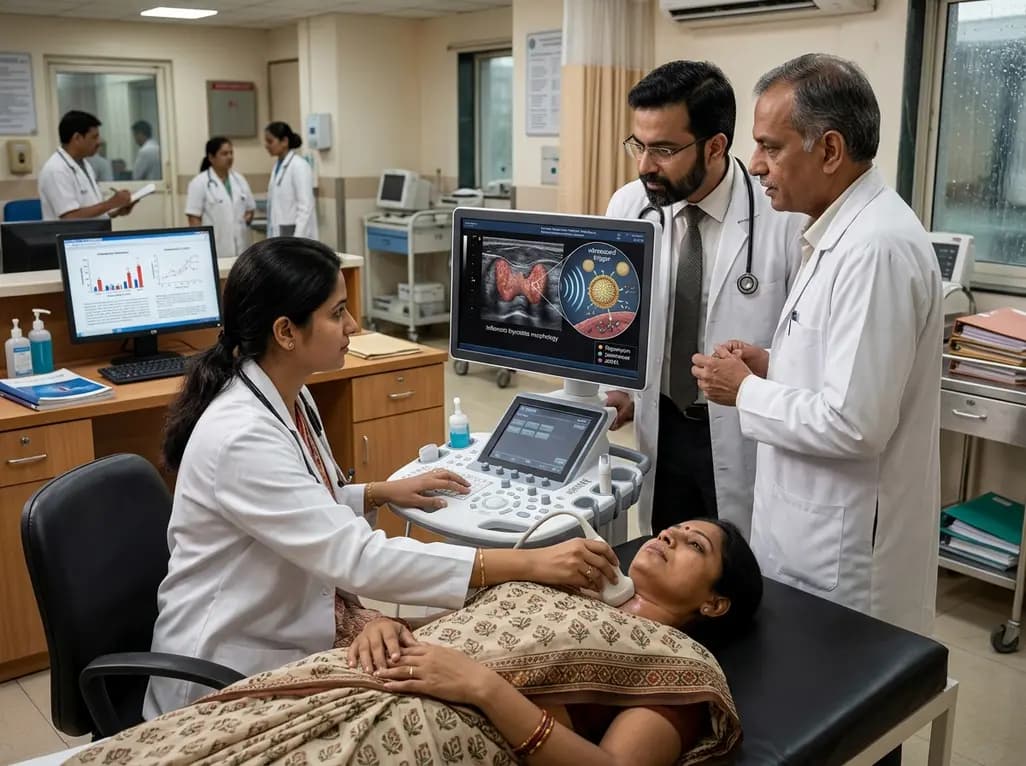
Researchers have developed an innovative ultrasound-responsive nano-contrast agent that co-delivers CIITA-siRNA and rapamycin directly to inflamed thyroid tissue, significantly reducing autoimmune injury and thyroid autoantibodies in preclinical models of Hashimoto thyroiditis.
3 weeks back
