.webp&w=384&q=75)

Loading, please wait...
Loading, please wait...
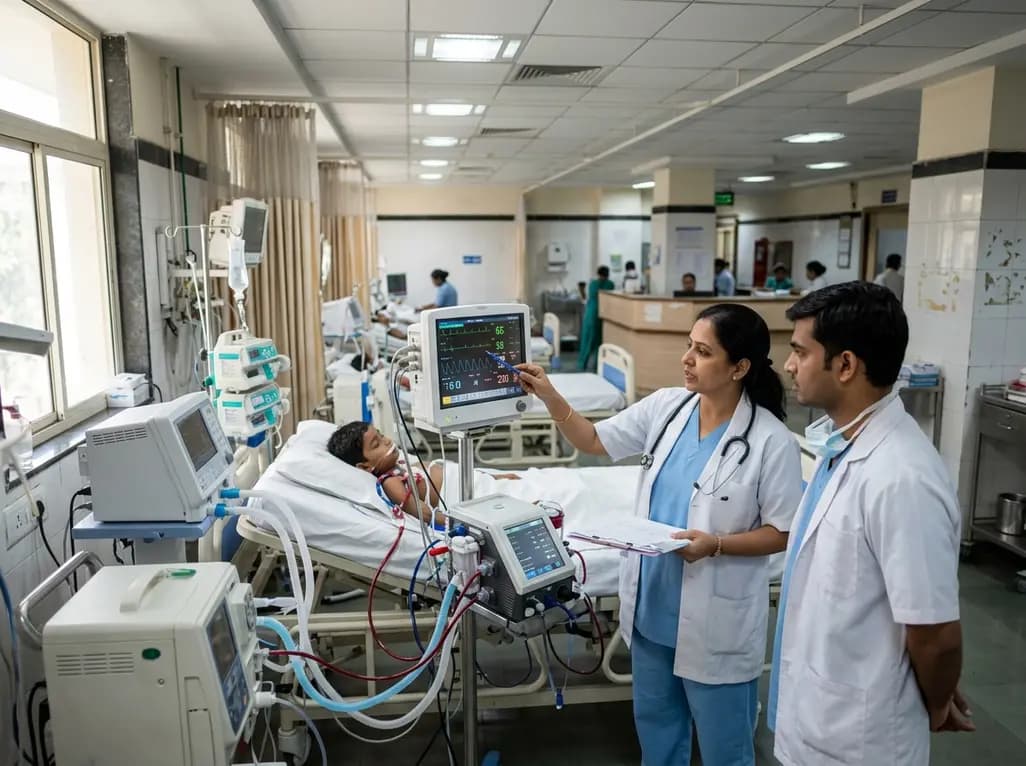
Predicting outcomes for critically ill children requiring extracorporeal membrane oxygenation remains a significant clinical challenge. Recent research has shed light on pediatric ECMO organ dysfunction patterns and their strong association with in-hospital mortality. By examining how organ failure develops over time, clinicians can better understand the survival odds for their patients. This study offers a vital roadmap for early risk stratification in high-acuity pediatric settings.
The study retrospectively assessed 317 children receiving ECMO support between 2011 and 2024. Researchers used the Pediatric Organ Dysfunction Information Update Mandate (PODIUM) criteria to track daily organ status. Additionally, they calculated the Pediatric Sequential Organ Failure Assessment (pSOFA) and Pediatric Logistic Organ Dysfunction-2 (PELOD-2) scores. These metrics provided a comprehensive view of the patient's physiological state throughout the treatment course. The consistency across different scoring systems reinforced the validity of the findings.
The analysis revealed a striking difference between survivors and non-survivors regarding the timing of organ failure. Surprisingly, there was no significant difference in the number of concurrent dysfunctions before the initiation of ECMO. However, a divergence occurred almost immediately upon cannulation. Non-survivors typically accumulated more organ dysfunctions, with a median of 7 compared to 6 in survivors. This trend started as early as the first day of support and persisted throughout the hospital stay.
Furthermore, the study suggests that the cumulative burden of multiple organ failure is more predictive of death than the initial severity of illness. Monitoring these patterns daily allows for more precise risk stratification. Consequently, identifying patients with rapidly increasing dysfunction scores could trigger earlier clinical interventions or family counseling sessions. Therefore, the focus should shift from pre-cannulation status to the dynamic response during the first 24 hours of support.
The study utilized PODIUM, pSOFA, and PELOD-2 scores. All three metrics effectively captured the accumulation of organ dysfunction. However, the trajectory of these scores immediately following cannulation proved to be the most predictive of in-hospital mortality.
Differences in organ dysfunction patterns between survivors and non-survivors often become apparent as early as the day of cannulation. An increasing count of dysfunctional organs during the first 24 hours of support is a key red flag for clinicians.
Disclaimer: This content is for informational and educational purposes only. It does not constitute medical advice or a professional relationship. Refer to the latest local and national guidelines for clinical practice.
References

Read summarized clinical updates, watch expert medical content, and earn CME certifications right from your smartphone.
Open your smartphone camera to scan and install.





New research involving 317 children highlights that the accumulation of multiple organ dysfunctions starting on the day of ECMO cannulation is a major predictor of mortality. Using PODIUM and pSOFA scores, clinicians can better stratify risks for pediatric patients on extracorporeal support.
4 months ago
Depemokimab offers twice-yearly dosing for severe eosinophilic asthma and chronic rhinosinusitis with nasal polyps, significantly cutting exacerbations and hospital admissions.
3 days back
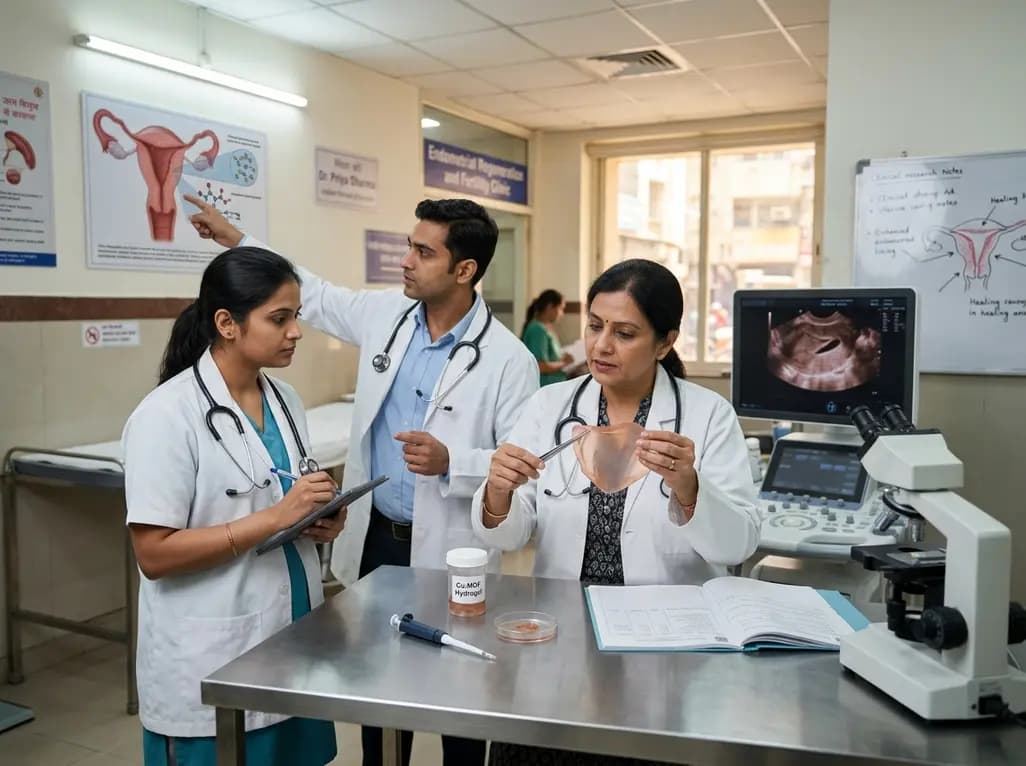
A novel copper metal-organic framework hydrogel remodels the uterine microenvironment to stimulate robust endometrial regeneration, reduce intrauterine fibrosis, and restore reproductive fertility, offering a groundbreaking strategy for managing refractory endometrial damage and Asherman syndrome.
3 days back
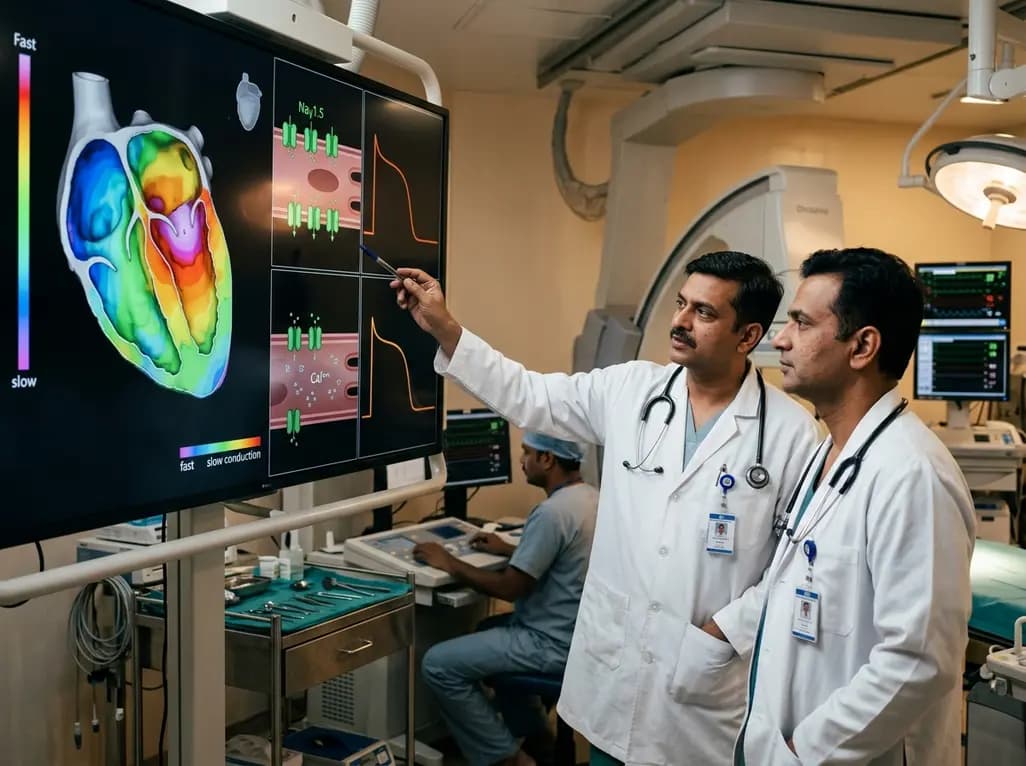
New research reveals that non-ablative radiotherapy suppresses ventricular tachycardia by increasing conduction velocity via NaV1.5 upregulation and action potential prolongation. However, sustained sodium current elevation and depressed calcium handling highlight the need for careful clinical translation.
5 days back

A single-cell transcriptomic atlas reveals how peripheral nerve injuries cause dorsal root ganglion remodeling. By evaluating proximal nerve crush and resection, researchers identify distinct glial and immune programs that resolve neuropathic pain and promote regeneration.
3 days back
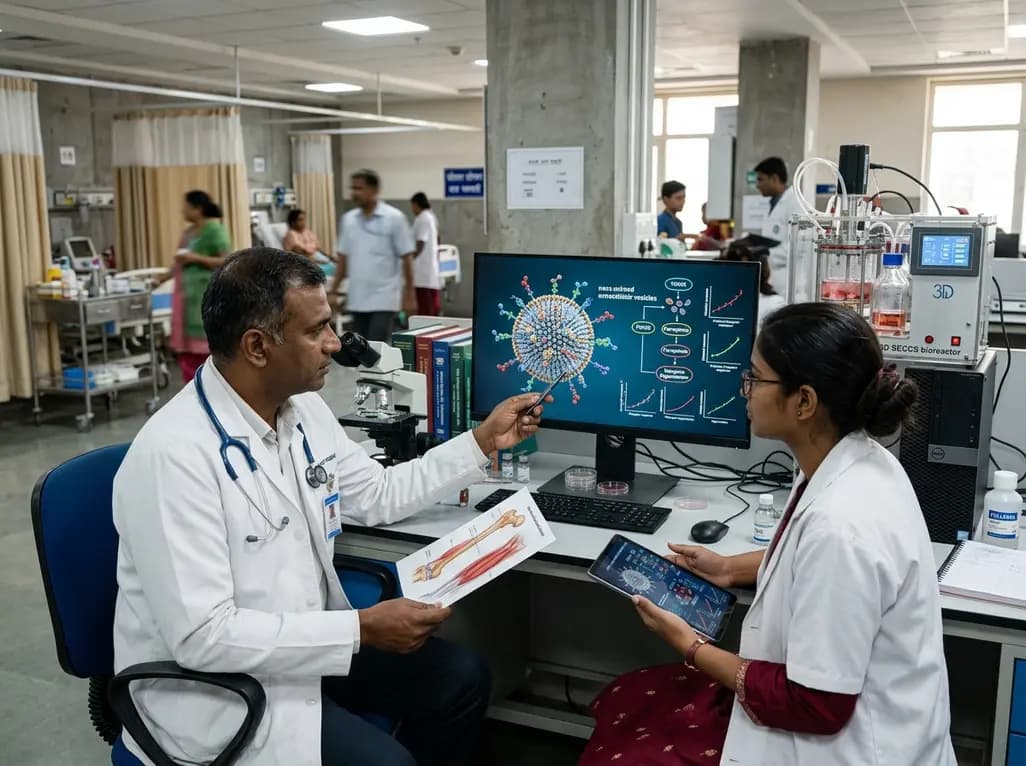
A breakthrough study demonstrates that fullerol-primed extracellular vesicles generated in a 3D SECCS bioreactor attenuate ferroptosis and restore myogenic regeneration in diabetes via the FOXO3 pathway, offering a cell-free therapeutic strategy for diabetic musculoskeletal degeneration.
3 days back
