.webp&w=384&q=75)

Loading, please wait...
Loading, please wait...
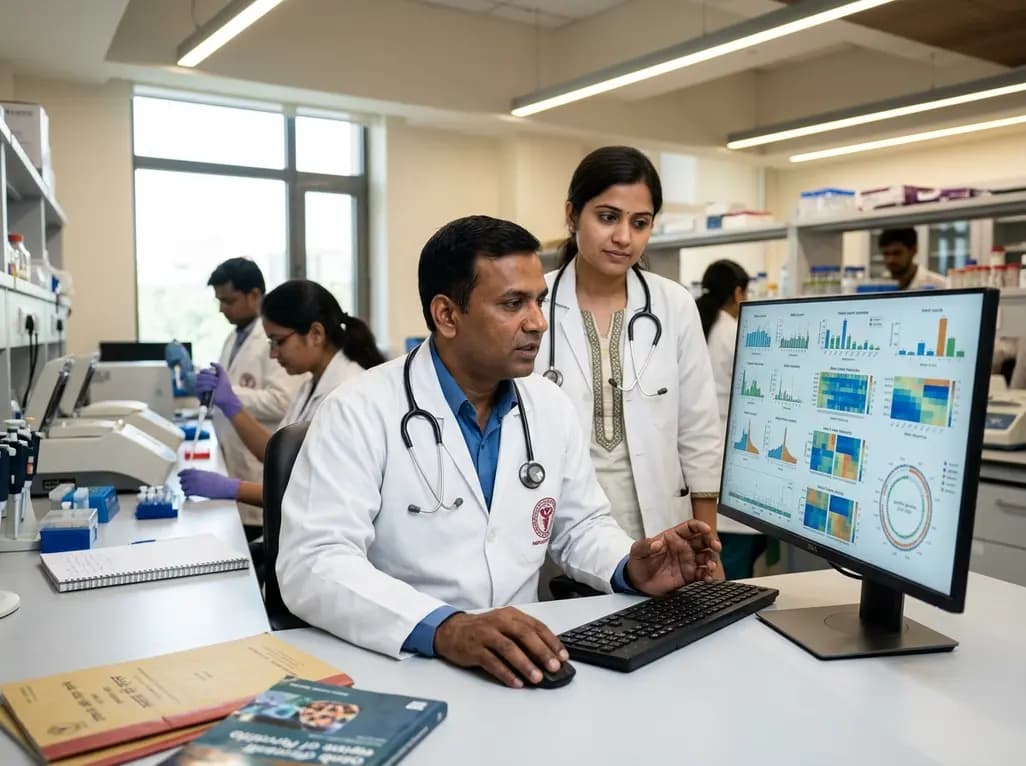
A landmark study has recently unveiled the Pakistan Genome Resource (PGR). This massive biobank includes data from 173,303 participants. Researchers analyzed these South Asian genetic variants to identify homozygous loss-of-function (LoF) mutations in 6,476 genes. Because these variants mimic the effects of drug inhibition, they provide essential clues for drug discovery. Consequently, this resource represents a major step forward for precision medicine in the subcontinent.
The study highlights the unique genetic architecture found in populations with high familial relatedness. Notably, consanguineous populations often harbor rare recessive variants that remain hidden in more diverse groups. Furthermore, the PGR provides a comprehensive genetic reference that was previously unavailable. Therefore, clinicians can now better understand the molecular basis of disease within South Asian cohorts.
Identifying these South Asian genetic variants allows scientists to observe the "human knockout" effect. Specifically, when a person naturally lacks a functional gene, doctors can study the phenotypic outcomes. This process helps validate drug targets before expensive clinical trials begin. For instance, the study linked specific genes to metabolic biomarkers and molecular pathways. Moreover, researchers conducted recall-by-genotype studies on therapeutically relevant genes to assess safety and efficacy.
These findings have immediate implications for various medical specialties. In cardiology and endocrinology, genetic associations with biomarkers can refine risk stratification. Additionally, the resource aids in identifying population-specific side effects. For example, some drug targets might show safety signals unique to South Asian ancestries. Thus, the PGR is not just a database; it is a clinical roadmap for safer, more effective treatments.
The Pakistan Genome Resource expands the global catalogue of human variation. However, its greatest impact may be local. It empowers researchers in the region to lead high-impact genomic studies. Furthermore, it bridges the gap in representation within global genetic databases. Ultimately, this work ensures that the benefits of the genomic revolution reach diverse populations across South Asia.
The PGR identifies individuals with homozygous loss-of-function variants. These individuals act as natural "knockouts," helping researchers understand what happens when a specific protein is inhibited. This evidence is crucial for validating new drug targets.
Indian and Pakistani populations share significant genetic ancestry. The South Asian genetic variants identified in this study are often relevant across the subcontinent, particularly in communities where familial relatedness is common. This data helps tailor precision medicine for the entire region.
Recall-by-genotype studies involve identifying individuals with specific genetic variants and then inviting them back for further clinical assessments. This allows researchers to directly observe the physical and metabolic effects of rare genetic mutations.
Disclaimer: This content is for informational and educational purposes only. It does not constitute medical advice or a professional relationship. Always consult a qualified healthcare provider for diagnosis and treatment. Refer to the latest local and national guidelines for clinical practice.
References
Koch C et al. Analysis of 173,303 exomes and genomes in the Pakistan Genome Resource. Nature. 2026 Jun 17. doi: 10.1038/s41586-026-10667-5. PMID: 42310464.
Saleheen D et al. Human knockouts and phenotypic analysis in a South Asian population. Nature. 2017;544(7650):312-317.
Gudbjartsson DF et al. Sequence variants from whole-genome sequencing a large population. Nature Genetics. 2015;47(5):435-444.
"
Read summarized clinical updates, watch expert medical content, and earn CME certifications right from your smartphone.
Open your smartphone camera to scan and install.





The Pakistan Genome Resource (PGR) has analyzed 173,303 exomes and genomes, identifying homozygous loss-of-function variants in over 6,000 genes. This study offers a vital genetic reference for South Asian populations and provides a roadmap for drug discovery and personalized healthcare across the region.
4 months ago
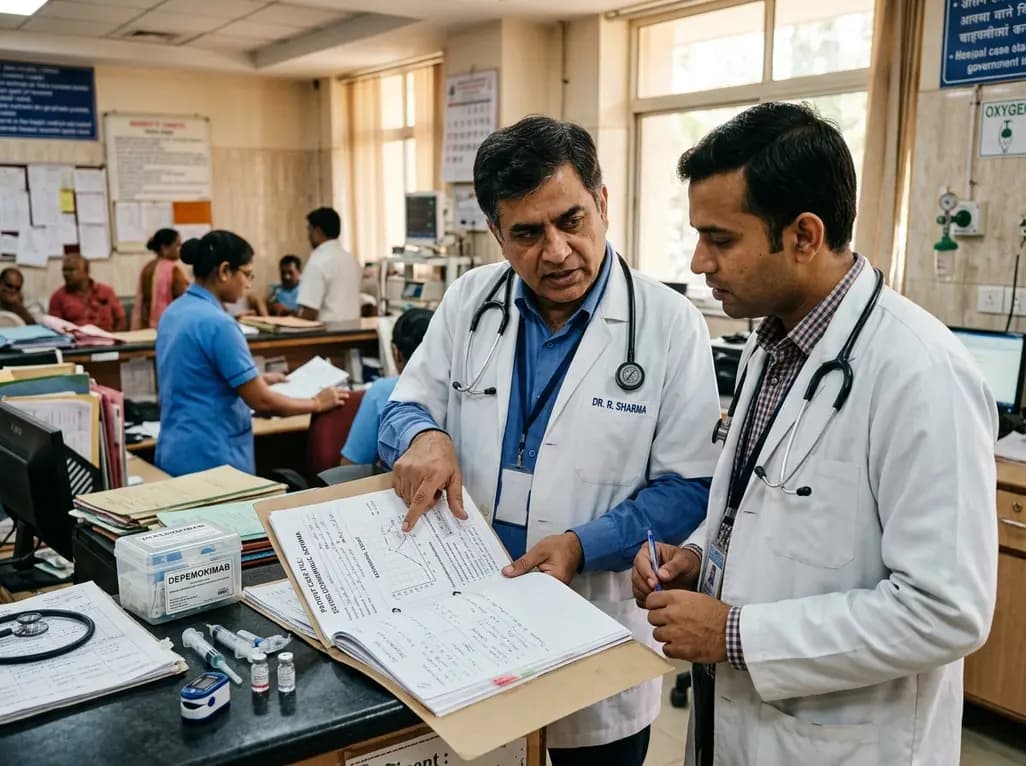
Depemokimab offers twice-yearly dosing for severe eosinophilic asthma and chronic rhinosinusitis with nasal polyps, significantly cutting exacerbations and hospital admissions.
3 days back
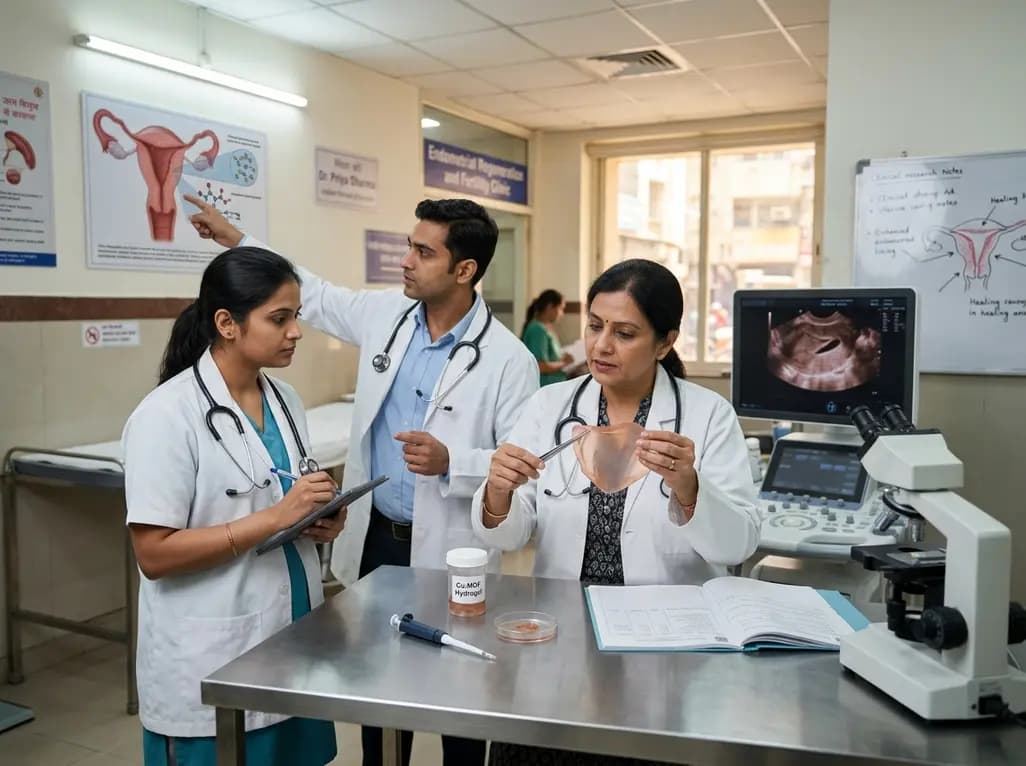
A novel copper metal-organic framework hydrogel remodels the uterine microenvironment to stimulate robust endometrial regeneration, reduce intrauterine fibrosis, and restore reproductive fertility, offering a groundbreaking strategy for managing refractory endometrial damage and Asherman syndrome.
3 days back
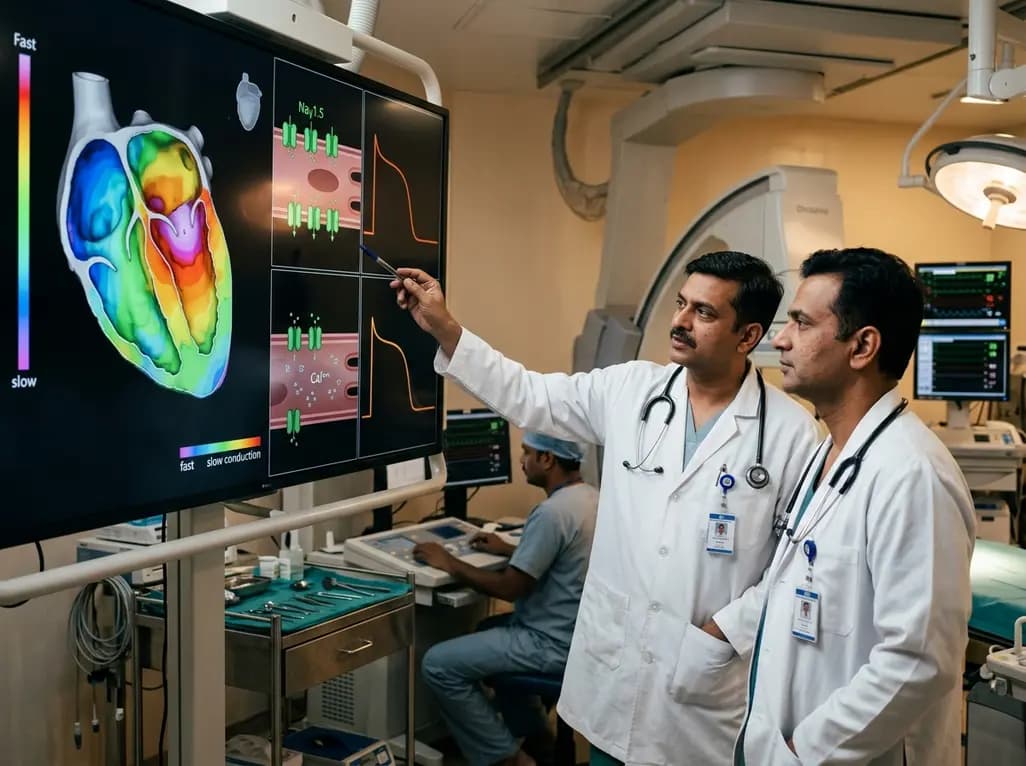
New research reveals that non-ablative radiotherapy suppresses ventricular tachycardia by increasing conduction velocity via NaV1.5 upregulation and action potential prolongation. However, sustained sodium current elevation and depressed calcium handling highlight the need for careful clinical translation.
5 days back
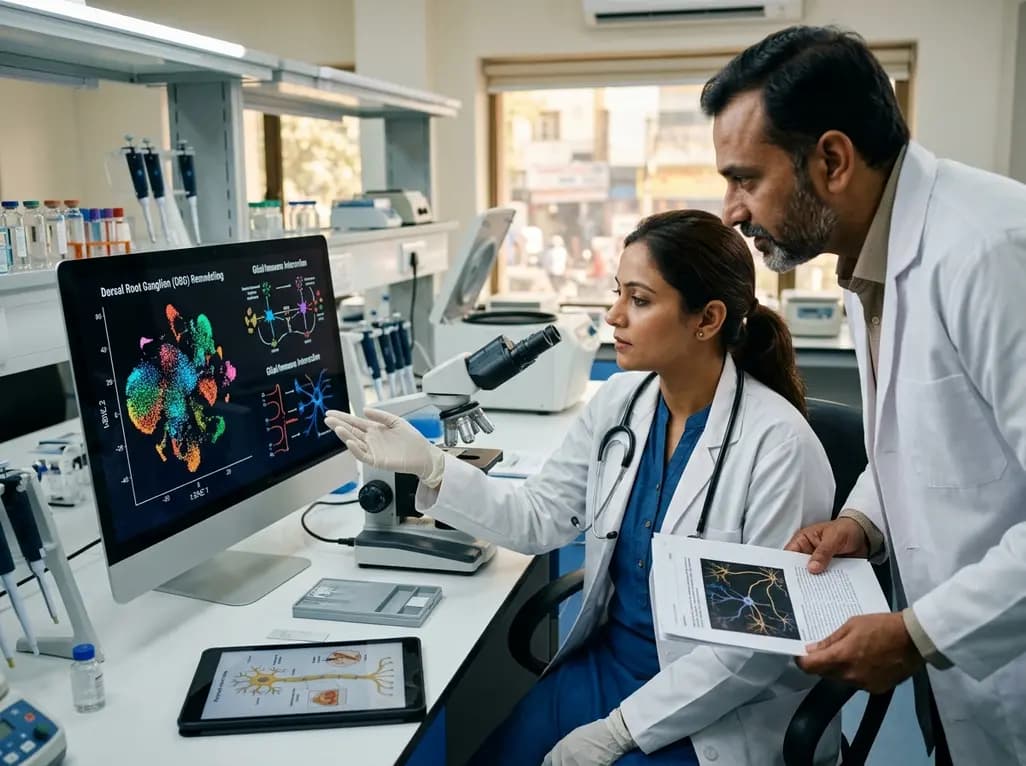
A single-cell transcriptomic atlas reveals how peripheral nerve injuries cause dorsal root ganglion remodeling. By evaluating proximal nerve crush and resection, researchers identify distinct glial and immune programs that resolve neuropathic pain and promote regeneration.
3 days back
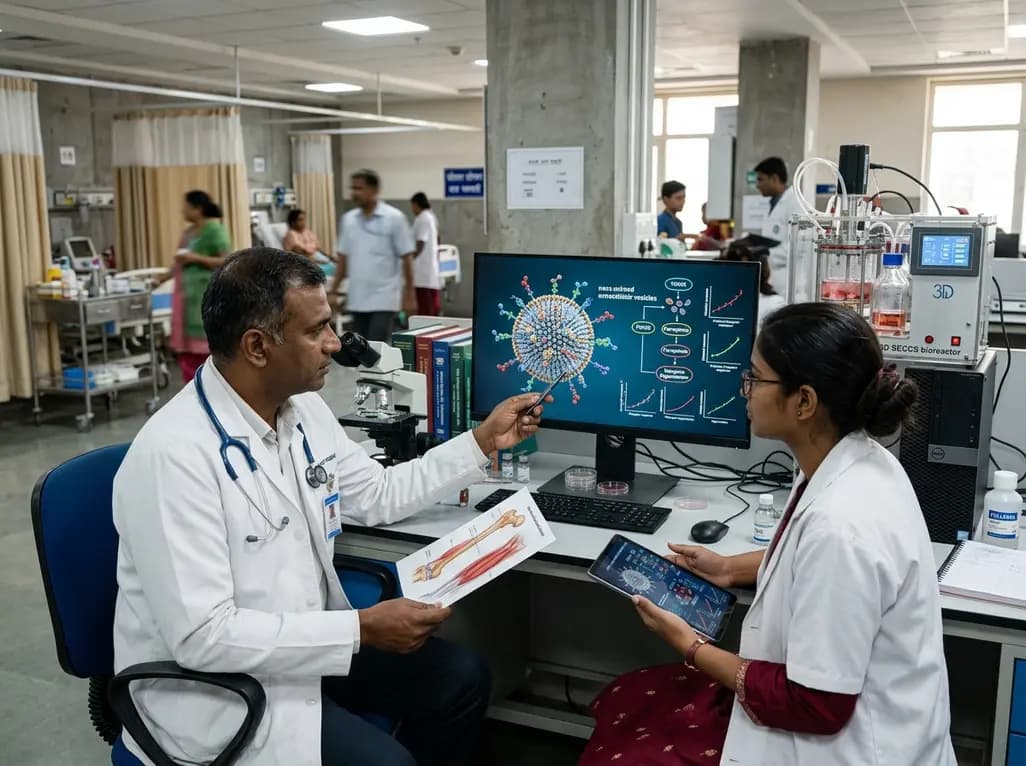
A breakthrough study demonstrates that fullerol-primed extracellular vesicles generated in a 3D SECCS bioreactor attenuate ferroptosis and restore myogenic regeneration in diabetes via the FOXO3 pathway, offering a cell-free therapeutic strategy for diabetic musculoskeletal degeneration.
3 days back
