.webp&w=384&q=75)

Loading, please wait...
Loading, please wait...
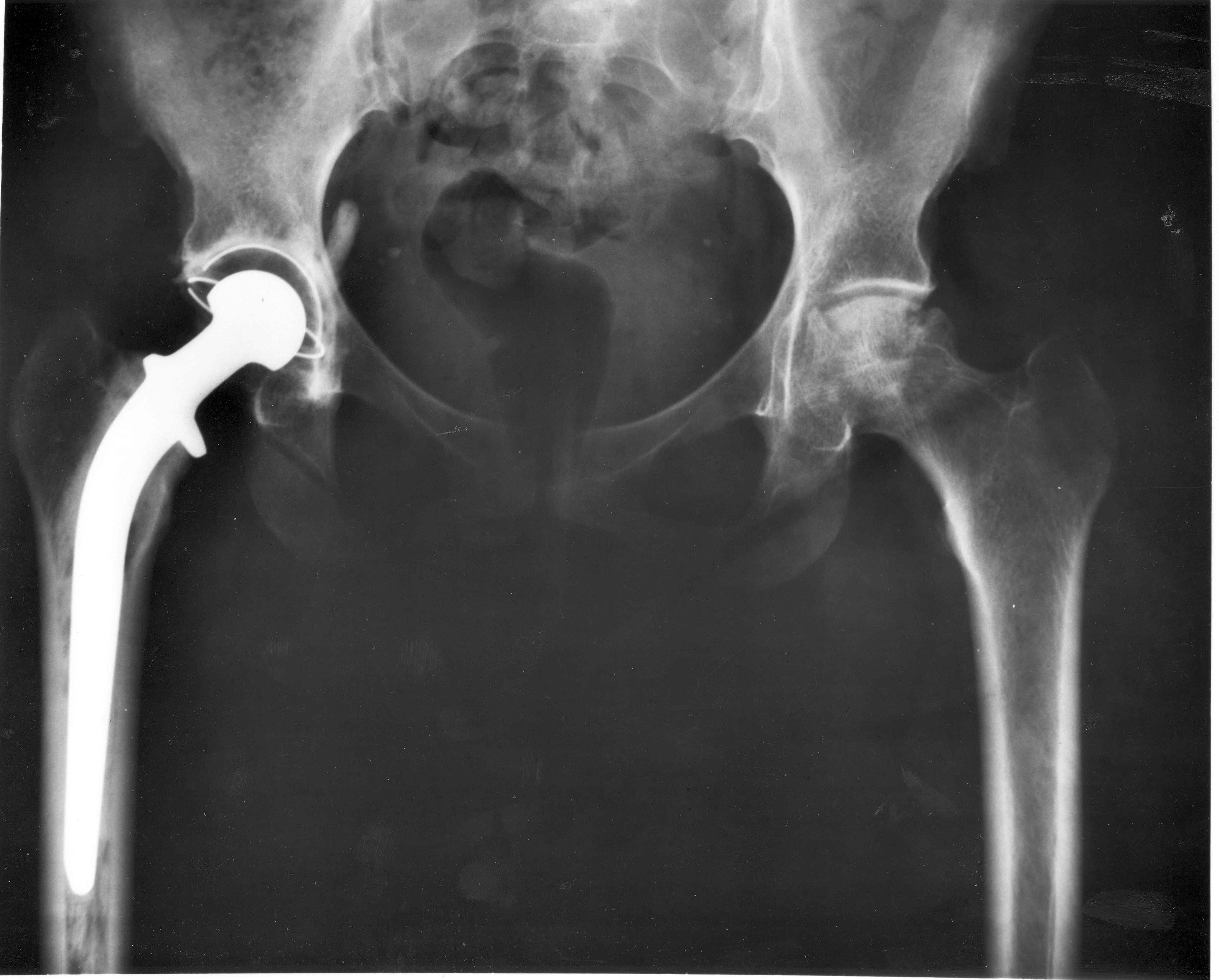
Postmenopausal osteoporosis management has evolved beyond a simple focus on T-score thresholds. The Endocrine Society guideline update provides an evidence-based framework for identifying women at high or very high fracture risk and choosing pharmacologic therapy accordingly. The recommendations cover antiresorptive drugs, anabolic options for selected very-high-risk patients, calcium and vitamin D, monitoring and reassessment. One of the most useful clinical concepts is risk stratification: patients with recent fractures, multiple fractures or other markers of very high risk may require a different therapeutic strategy from patients with lower absolute risk. The guideline also emphasises reassessment during long-term therapy rather than treating osteoporosis as a one-time prescription. For orthopaedic teams, the relevance is immediate because many patients are identified only after a fragility fracture. The postoperative visit can therefore become an important point for initiating or coordinating osteoporosis care. The document reinforces that pharmacologic treatment should be considered alongside fall prevention, exercise and optimisation of modifiable risk factors. For HCPs, the practical lesson is to treat the patient’s fracture risk profile, not simply the scan result, and to create a follow-up plan that addresses persistence, adherence, treatment response and future fracture risk.

Read summarized clinical updates, watch expert medical content, and earn CME certifications right from your smartphone.
Open your smartphone camera to scan and install.





Postmenopausal osteoporosis management has evolved beyond a simple focus on T-score thresholds. The Endocrine Society guideline update provides an evidence-based framework for identifying women at high or very high fracture risk and choosing pharmacologic therapy accordingly. The recommendations cover antiresorptive drugs, anabolic options for selected very-high-risk patients, calcium and vitamin D, monitoring and reassessment. One of the most useful clinical concepts is risk stratification: patients with recent fractures, multiple fractures or other markers of very high risk may require a different therapeutic strategy from patients with lower absolute risk. The guideline also emphasises reassessment during long-term therapy rather than treating osteoporosis as a one-time prescription. For orthopaedic teams, the relevance is immediate because many patients are identified only after a fragility fracture. The postoperative visit can therefore become an important point for initiating or coordinating osteoporosis care. The document reinforces that pharmacologic treatment should be considered alongside fall prevention, exercise and optimisation of modifiable risk factors. For HCPs, the practical lesson is to treat the patient’s fracture risk profile, not simply the scan result, and to create a follow-up plan that addresses persistence, adherence, treatment response and future fracture risk.
4 weeks back

Discover how catalytic nanozymes redefine autoimmune disease therapy by establishing a physiological redox set-point to restore immune tolerance without broad immunosuppression.
Last week

Recent research reveals that downregulating YAP1/TAZ-TEAD via Hippo signaling triggers spontaneous human trophoblast syncytialization in 3D cultures, illuminating placental biology and preeclampsia.
3 weeks back

A landmark comparative study evaluates atrial electrophysiology across humans, swine, and rodents. By linking cellular recordings with transcriptomics and in silico modeling, researchers resolve cross-species gaps, explaining translational failures to advance targeted therapies for atrial arrhythmias.
3 weeks back

A novel pathology-adaptive surface engineering strategy uses functionalized plasma polymer coatings to selectively modulate AGE adsorption, reducing oxidative stress and restoring bone formation in diabetic and aging microenvironments.
last month

Researchers have developed an innovative ultrasound-responsive nano-contrast agent that co-delivers CIITA-siRNA and rapamycin directly to inflamed thyroid tissue, significantly reducing autoimmune injury and thyroid autoantibodies in preclinical models of Hashimoto thyroiditis.
3 weeks back
