.webp&w=384&q=75)

Loading, please wait...
Loading, please wait...
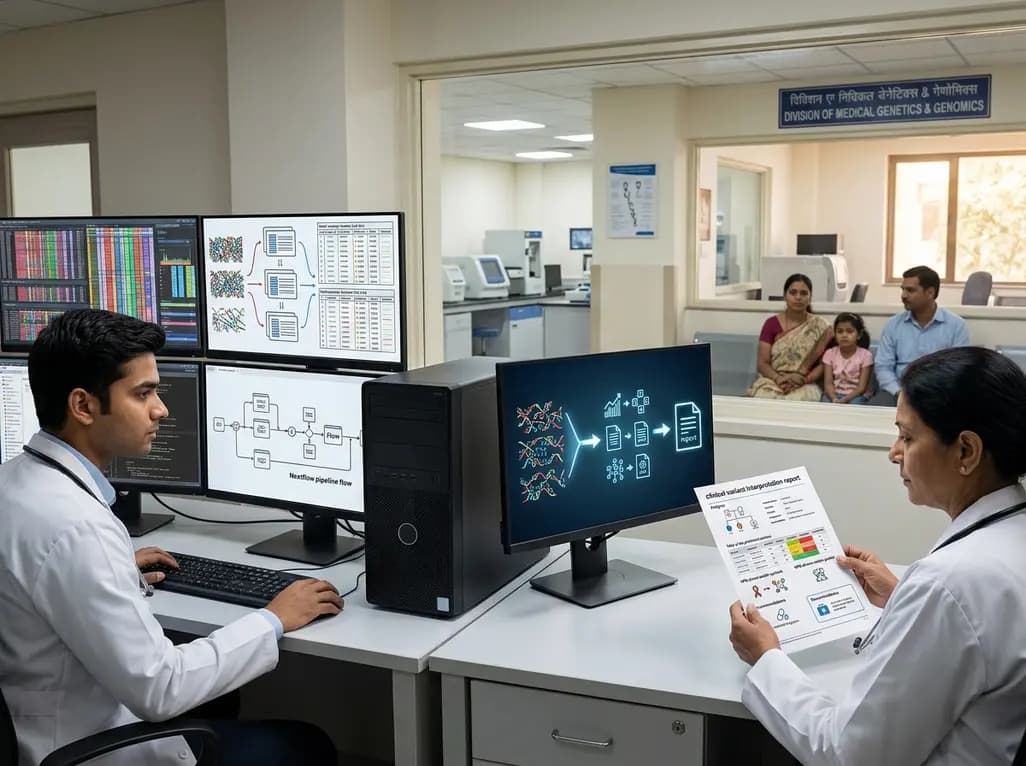
MuSA addresses the significant bottleneck in genomic medicine by automating the transition from raw sequencing data to clinical interpretation. This clinical variant annotation pipeline streamlines the integration of functional predictions and population frequencies. Furthermore, it ensures high reproducibility across diverse computing environments using Nextflow and containerization technologies.
The pipeline integrates Ensembl VEP with 22 curated plugins to provide deep functional insights. Specifically, it includes advanced tools like AlphaMissense, CADD, and SpliceAI. Consequently, clinicians can evaluate variants using diverse evidence sources within a single workflow. Moreover, MuSA provides automated ACMG/AMP classification through GeneBe and InterVar, which reduces the manual workload for laboratory teams. In addition, the system standardizes input VCF files and executes parallel annotation branches to maximize efficiency. Benchmarking on whole-exome sequencing datasets shows that the pipeline completes full extended-mode annotation in approximately 20 minutes on standard server hardware.
Clinicians benefit directly from interpretation-ready HTML reports generated by the tool. These reports utilize HPO-matched gene panels for precise phenotype-driven filtering. Additionally, the experimental RENOVO module assists in prioritizing variants of unknown significance (VUS). Therefore, MuSA bridges the gap between complex research data and actionable clinical results. While the pipeline currently focuses on hg38 germline small variants, its reproducible design supports standardized interpretation across different clinical teams. Consequently, this tool offers a scalable solution for hospitals and diagnostic labs managing large volumes of genomic data.
MuSA automates resource management and annotation steps that typically require complex manual scripting. It generates interactive HTML reports that match patient phenotypes (HPO) with specific gene panels, simplifying the review process.
The RENOVO-based VUS prioritization module is currently considered experimental. Therefore, it requires expert review and validation before use in definitive clinical interpretation.
The extended annotation mode has a substantial storage footprint of up to 223.5 GB. This space is necessary to house the comprehensive databases and pre-configured tools required for deep annotation.
Disclaimer: This content is for informational and educational purposes only. It does not constitute professional medical advice, diagnosis, or treatment. Refer to the latest local and national guidelines for clinical practice.
References
Scognamiglio D et al. MuSA: a Nextflow pipeline for deep, reproducible annotation and clinical ranking of genomic variants. BMC Bioinformatics. 2026 Jun 16. doi: 10.1186/s12859-026-06513-0. PMID: 42304195.
Favalli V et al. Machine learning-based reclassification of germline variants of unknown significance: The RENOVO algorithm. AIR Unimi. 2021.
Richards S et al. Standards and guidelines for the interpretation of sequence variants: a joint consensus recommendation of the American College of Medical Genetics and Genomics and the Association for Molecular Pathology. Genet Med. 2015.
"
Read summarized clinical updates, watch expert medical content, and earn CME certifications right from your smartphone.
Open your smartphone camera to scan and install.





MuSA (Multi-Source variant Annotation) is a Nextflow pipeline designed to automate germline variant annotation and clinical interpretation. It integrates tools like VEP and RENOVO to provide reproducible reports and HPO-driven prioritization, significantly reducing the bottleneck in genomic medicine.
4 months ago
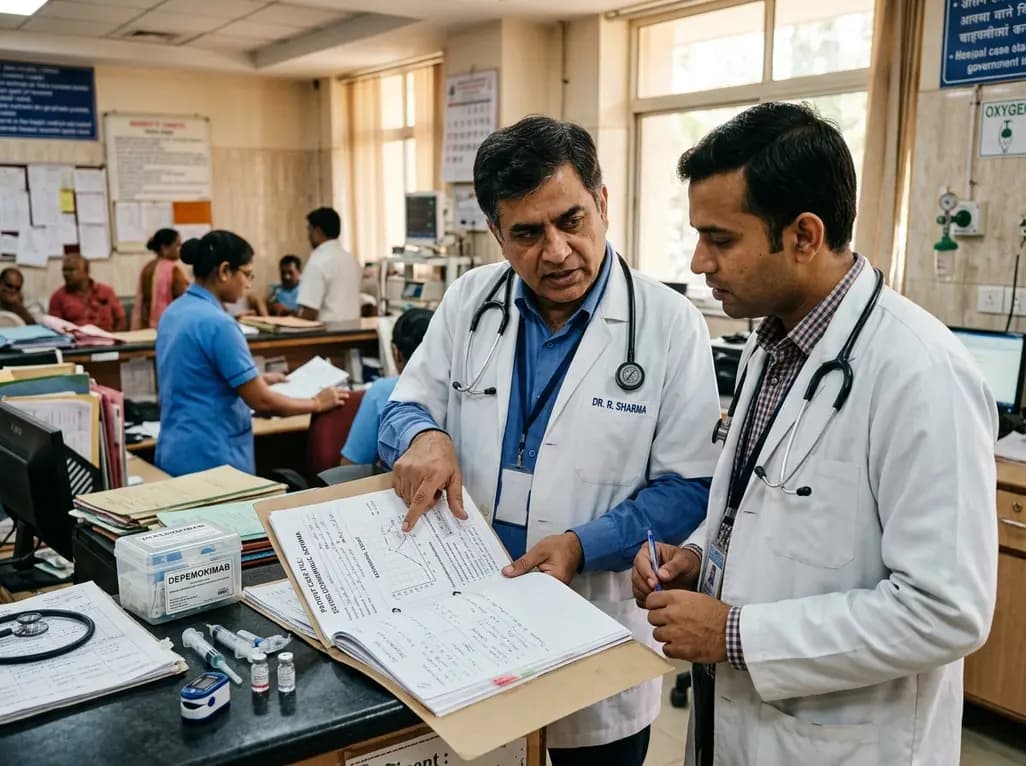
Depemokimab offers twice-yearly dosing for severe eosinophilic asthma and chronic rhinosinusitis with nasal polyps, significantly cutting exacerbations and hospital admissions.
3 days back

A novel copper metal-organic framework hydrogel remodels the uterine microenvironment to stimulate robust endometrial regeneration, reduce intrauterine fibrosis, and restore reproductive fertility, offering a groundbreaking strategy for managing refractory endometrial damage and Asherman syndrome.
3 days back
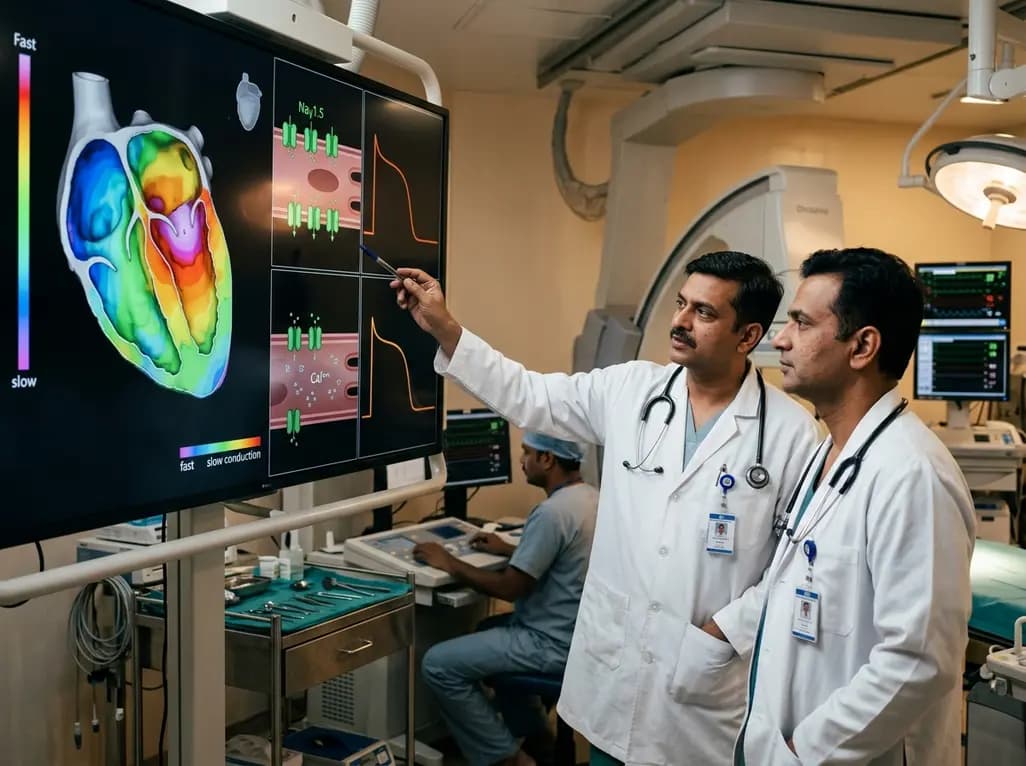
New research reveals that non-ablative radiotherapy suppresses ventricular tachycardia by increasing conduction velocity via NaV1.5 upregulation and action potential prolongation. However, sustained sodium current elevation and depressed calcium handling highlight the need for careful clinical translation.
5 days back
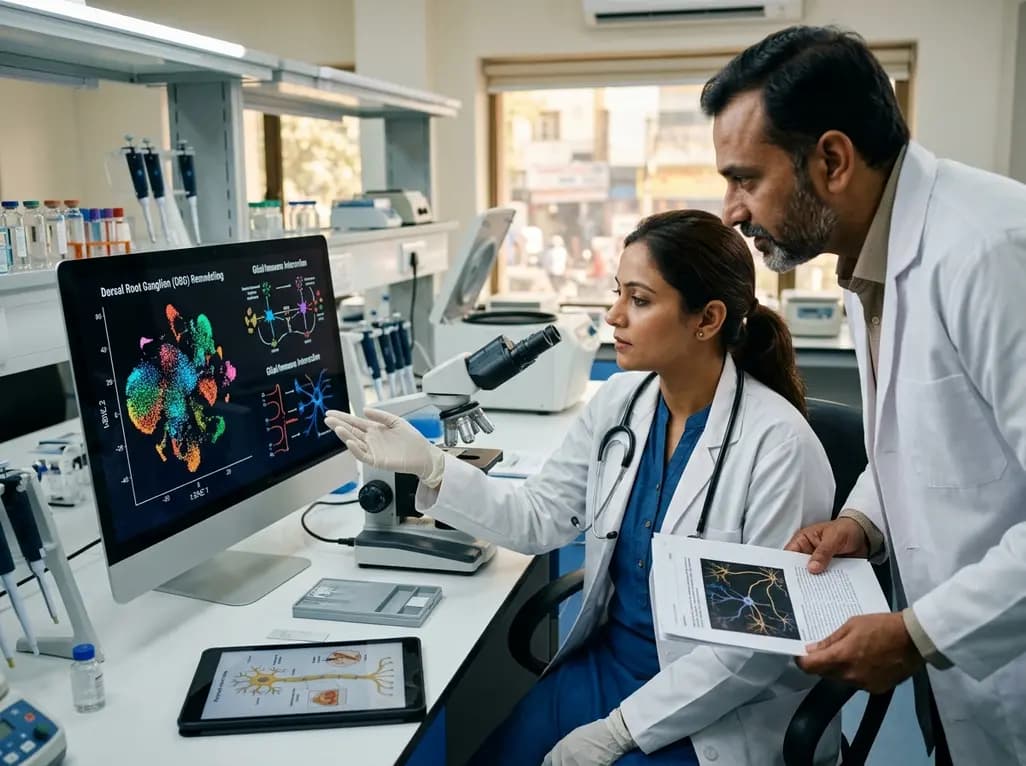
A single-cell transcriptomic atlas reveals how peripheral nerve injuries cause dorsal root ganglion remodeling. By evaluating proximal nerve crush and resection, researchers identify distinct glial and immune programs that resolve neuropathic pain and promote regeneration.
3 days back
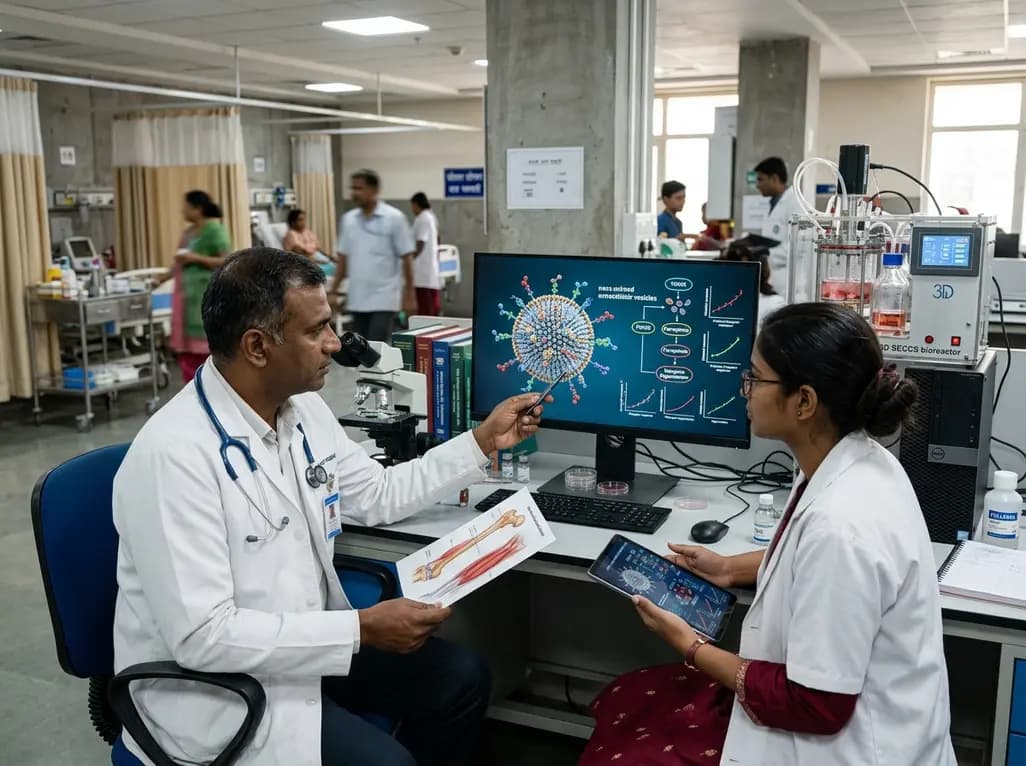
A breakthrough study demonstrates that fullerol-primed extracellular vesicles generated in a 3D SECCS bioreactor attenuate ferroptosis and restore myogenic regeneration in diabetes via the FOXO3 pathway, offering a cell-free therapeutic strategy for diabetic musculoskeletal degeneration.
3 days back
