.webp&w=384&q=75)

Loading, please wait...
Loading, please wait...
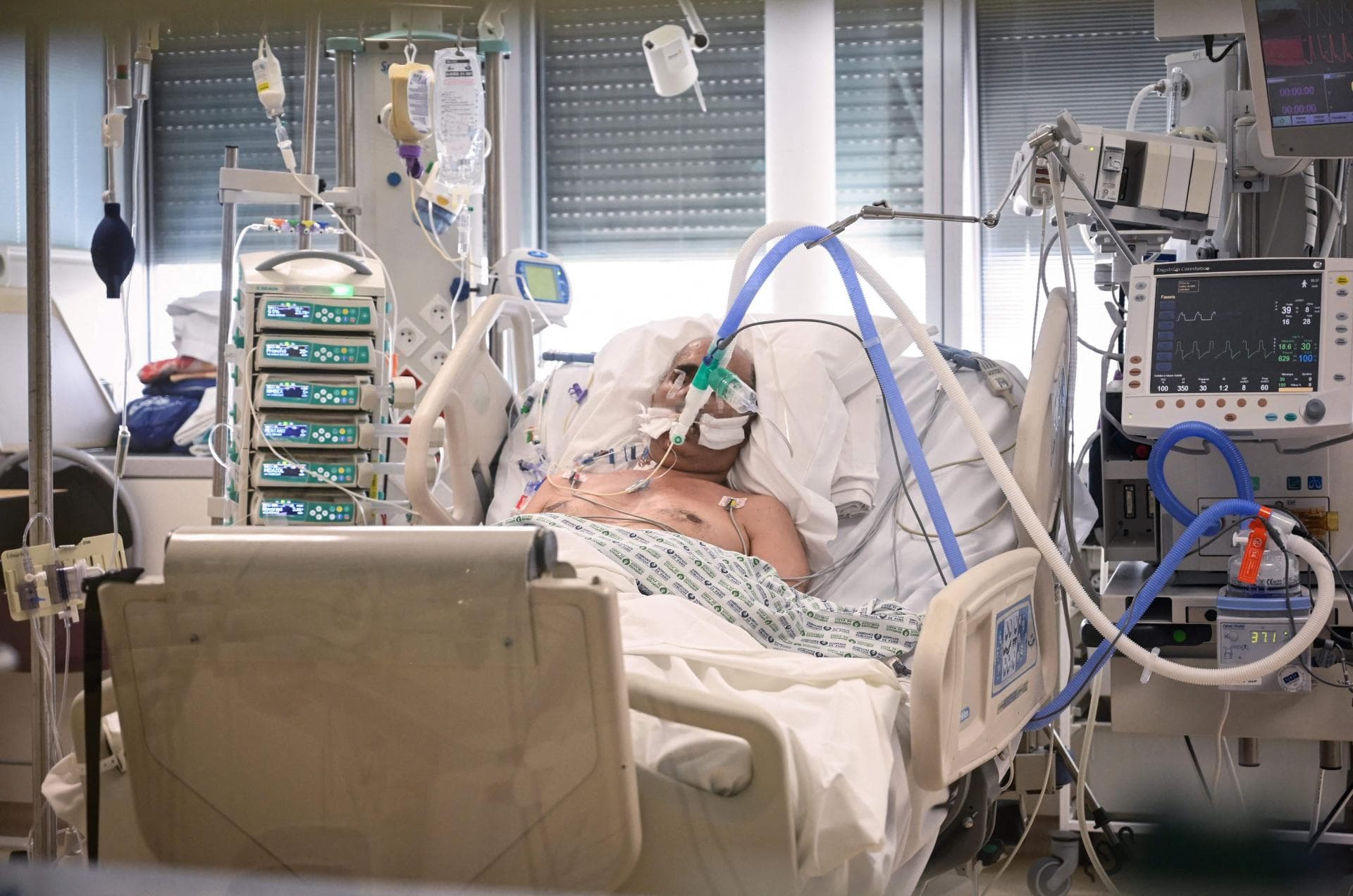
The DEMEL trial evaluated whether melatonin could prevent delirium in mechanically ventilated adults receiving intensive care. It was designed as a multicentre, adaptive randomised trial, reflecting ongoing uncertainty about whether pharmacological sleep support can meaningfully alter delirium risk. Delirium in critical illness is multifactorial. Sleep disruption, inflammation, sedative exposure, immobility, mechanical ventilation and environmental factors all contribute, so a single drug is unlikely to solve the problem on its own. The DEMEL study therefore sits within the broader push toward multimodal delirium prevention and ICU liberation. Its importance for clinicians is that it tests a practical, low-complexity intervention against a clinically important outcome in a population at high risk. The study also illustrates why the conference's delirium sessions appropriately pair pharmacological questions with non-pharmacological strategies such as sleep preservation, early mobility, family involvement and minimisation of unnecessary sedation. For HCPs, melatonin should not be viewed as a substitute for systematic delirium prevention. The most useful clinical approach remains to identify modifiable contributors, regularly assess cognition, optimise day-night cues and mobility, and use sedatives thoughtfully. The trial adds to, rather than replaces, the evidence base for bundled ICU delirium care.

Read summarized clinical updates, watch expert medical content, and earn CME certifications right from your smartphone.
Open your smartphone camera to scan and install.





The DEMEL trial evaluated whether melatonin could prevent delirium in mechanically ventilated adults receiving intensive care. It was designed as a multicentre, adaptive randomised trial, reflecting ongoing uncertainty about whether pharmacological sleep support can meaningfully alter delirium risk. Delirium in critical illness is multifactorial. Sleep disruption, inflammation, sedative exposure, immobility, mechanical ventilation and environmental factors all contribute, so a single drug is unlikely to solve the problem on its own. The DEMEL study therefore sits within the broader push toward multimodal delirium prevention and ICU liberation. Its importance for clinicians is that it tests a practical, low-complexity intervention against a clinically important outcome in a population at high risk. The study also illustrates why the conference's delirium sessions appropriately pair pharmacological questions with non-pharmacological strategies such as sleep preservation, early mobility, family involvement and minimisation of unnecessary sedation. For HCPs, melatonin should not be viewed as a substitute for systematic delirium prevention. The most useful clinical approach remains to identify modifiable contributors, regularly assess cognition, optimise day-night cues and mobility, and use sedatives thoughtfully. The trial adds to, rather than replaces, the evidence base for bundled ICU delirium care.
4 weeks back

Discover how catalytic nanozymes redefine autoimmune disease therapy by establishing a physiological redox set-point to restore immune tolerance without broad immunosuppression.
Last week

Recent research reveals that downregulating YAP1/TAZ-TEAD via Hippo signaling triggers spontaneous human trophoblast syncytialization in 3D cultures, illuminating placental biology and preeclampsia.
3 weeks back

A landmark comparative study evaluates atrial electrophysiology across humans, swine, and rodents. By linking cellular recordings with transcriptomics and in silico modeling, researchers resolve cross-species gaps, explaining translational failures to advance targeted therapies for atrial arrhythmias.
3 weeks back

A novel pathology-adaptive surface engineering strategy uses functionalized plasma polymer coatings to selectively modulate AGE adsorption, reducing oxidative stress and restoring bone formation in diabetic and aging microenvironments.
last month

Researchers have developed an innovative ultrasound-responsive nano-contrast agent that co-delivers CIITA-siRNA and rapamycin directly to inflamed thyroid tissue, significantly reducing autoimmune injury and thyroid autoantibodies in preclinical models of Hashimoto thyroiditis.
3 weeks back
