.webp&w=384&q=75)

Loading, please wait...
Loading, please wait...
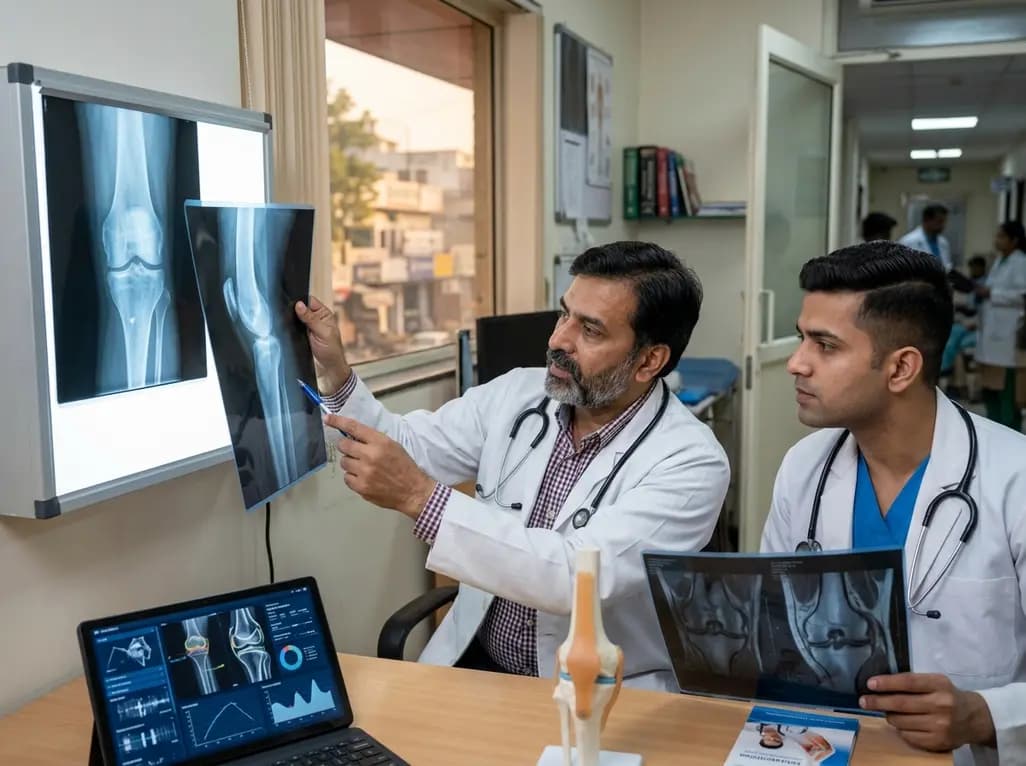
The rationale for adding a lateral extra-articular tenodesis to ACL reconstruction is to better control rotational instability, but long-term trade-offs are important. This randomized study followed patients for many years after bone-patellar tendon-bone ACL reconstruction performed with or without an extra-articular lateral tenodesis. The long follow-up is valuable because early gains in stability must be balanced against later graft survival, patient-reported outcomes and the development of osteoarthritis. The study found that the addition of LET can influence knee stability and long-term structural outcomes without automatically translating into large differences in every patient-reported measure. These data complement more contemporary high-risk ACL trials by showing why the decision should be based on patient profile and surgical indication rather than technique preference alone. A surgeon considering LET should therefore integrate pivot-shift grade, sport, laxity, previous reconstruction history, meniscal status and alignment. The evidence also underscores the importance of counselling: improved rotational control does not guarantee a completely different long-term experience, and rehabilitation remains central. For selected high-risk patients, LET can be a useful adjunct, but it should sit inside a broader strategy of biological graft choice, anatomic reconstruction and return-to-sport planning.

Read summarized clinical updates, watch expert medical content, and earn CME certifications right from your smartphone.
Open your smartphone camera to scan and install.





The rationale for adding a lateral extra-articular tenodesis to ACL reconstruction is to better control rotational instability, but long-term trade-offs are important. This randomized study followed patients for many years after bone-patellar tendon-bone ACL reconstruction performed with or without an extra-articular lateral tenodesis. The long follow-up is valuable because early gains in stability must be balanced against later graft survival, patient-reported outcomes and the development of osteoarthritis. The study found that the addition of LET can influence knee stability and long-term structural outcomes without automatically translating into large differences in every patient-reported measure. These data complement more contemporary high-risk ACL trials by showing why the decision should be based on patient profile and surgical indication rather than technique preference alone. A surgeon considering LET should therefore integrate pivot-shift grade, sport, laxity, previous reconstruction history, meniscal status and alignment. The evidence also underscores the importance of counselling: improved rotational control does not guarantee a completely different long-term experience, and rehabilitation remains central. For selected high-risk patients, LET can be a useful adjunct, but it should sit inside a broader strategy of biological graft choice, anatomic reconstruction and return-to-sport planning.
4 weeks back

Discover how catalytic nanozymes redefine autoimmune disease therapy by establishing a physiological redox set-point to restore immune tolerance without broad immunosuppression.
Last week
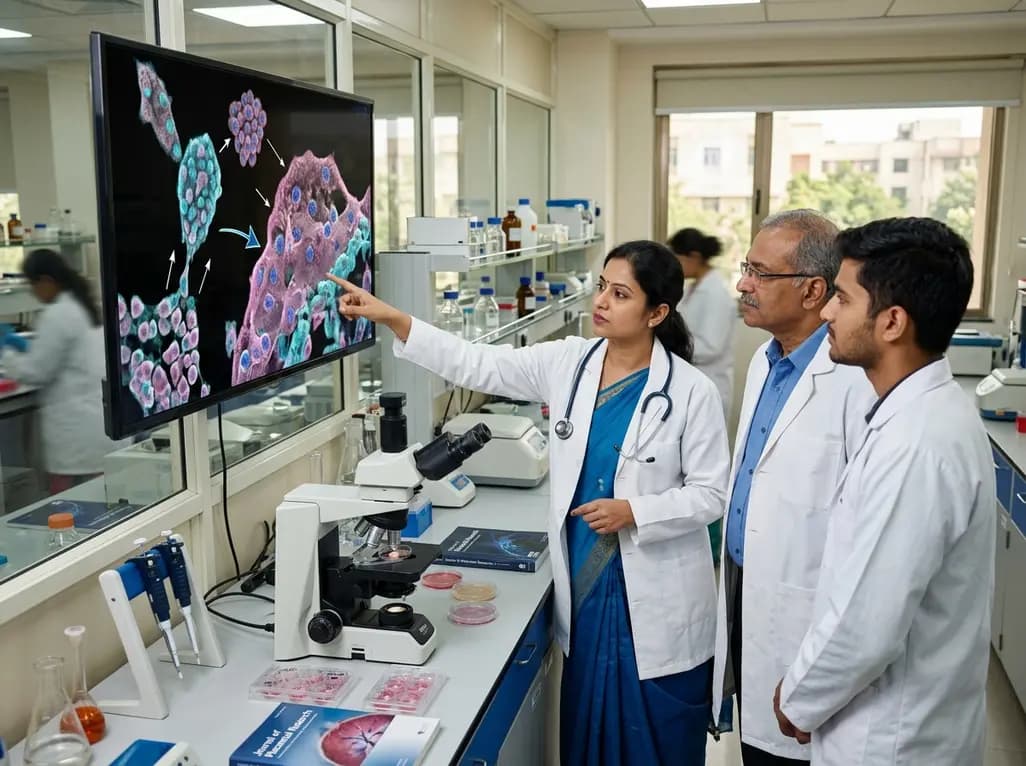
Recent research reveals that downregulating YAP1/TAZ-TEAD via Hippo signaling triggers spontaneous human trophoblast syncytialization in 3D cultures, illuminating placental biology and preeclampsia.
3 weeks back

A landmark comparative study evaluates atrial electrophysiology across humans, swine, and rodents. By linking cellular recordings with transcriptomics and in silico modeling, researchers resolve cross-species gaps, explaining translational failures to advance targeted therapies for atrial arrhythmias.
3 weeks back

A novel pathology-adaptive surface engineering strategy uses functionalized plasma polymer coatings to selectively modulate AGE adsorption, reducing oxidative stress and restoring bone formation in diabetic and aging microenvironments.
last month
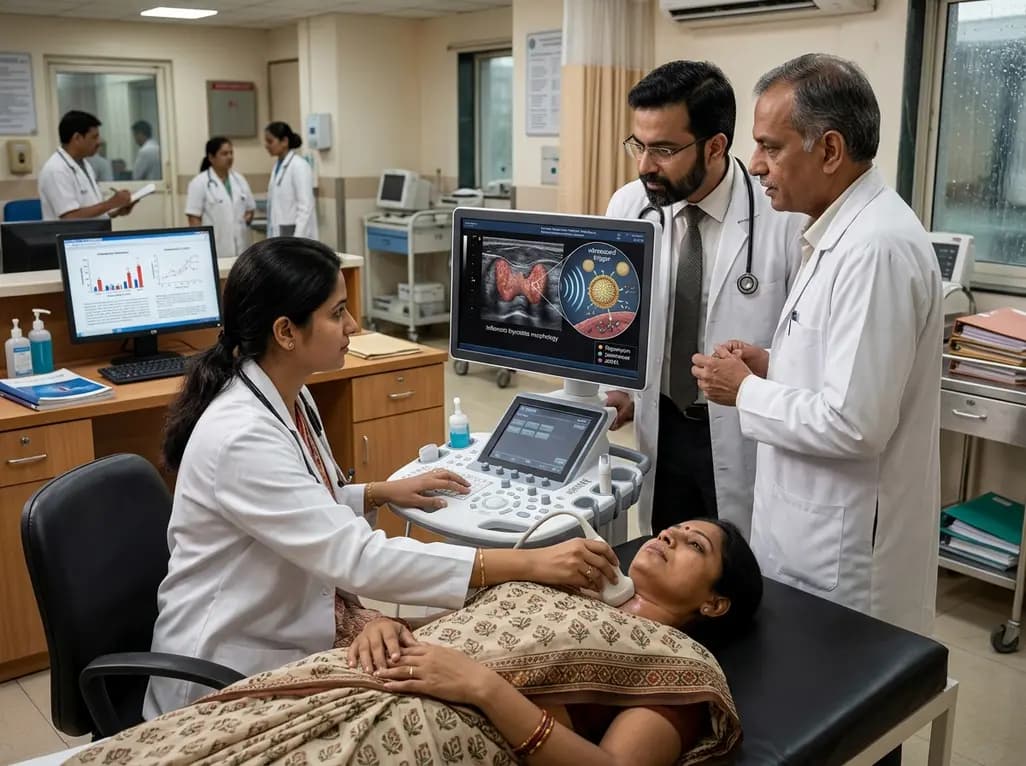
Researchers have developed an innovative ultrasound-responsive nano-contrast agent that co-delivers CIITA-siRNA and rapamycin directly to inflamed thyroid tissue, significantly reducing autoimmune injury and thyroid autoantibodies in preclinical models of Hashimoto thyroiditis.
3 weeks back
