.webp&w=384&q=75)

Loading, please wait...
Loading, please wait...

Researchers recently explored how KIF22 variants in SEMDJL2 impact cellular health. Spondyloepimetaphyseal dysplasia with joint laxity, type 2 (SEMDJL2) is a rare skeletal disorder. Specifically, researchers studied how these mutations disrupt mitosis in human chondrocytes. While previous research focused on epithelial cells, this study highlights the unique vulnerability of bone-forming cells. Consequently, the team discovered that heterozygous variants like P144T and E222Q cause constitutive protein activation.
Furthermore, this failure to inactivate KIF22 at anaphase onset prevents proper chromosome segregation. Dominant variants like R149Q and the newly identified P144T impede spindle pole separation. In contrast, the recessive R49Q variant demonstrates a milder, mixed-state dysregulation. This recessive form shows reduced motor activity rather than constant activation. Therefore, these findings support a new model for skeletal dysplasia pathogenesis. Ultimately, this framework helps clinicians understand the genotypic landscape and physiological disruptions associated with SEMDJL2.
In addition, live-cell imaging confirms that all studied variants perturb mitosis. These defects in chondrocyte division likely contribute to the stunted longitudinal bone growth seen in patients. Specifically, the variants disrupt the balance of polar ejection forces (PEFs) necessary for chromosome alignment. By defining these mechanistic classes, the research broadens the understanding of how kinesin dysregulation manifests clinically. Understanding these pathways is essential for improving diagnosis and future therapeutic strategies for rare genetic skeletal conditions.
KIF22 variants disrupt mitosis by failing to inactivate during the transition from metaphase to anaphase. This leads to improper chromosome segregation and hinders the separation of spindle poles in chondrocytes.
Dominant variants typically cause constitutive activation of the KIF22 protein. Recessive variants, such as R49Q, result in a mixed-state dysregulation characterized by reduced motor activity and partial loss of force generation.
Chondrocytes are the primary cells responsible for cartilage and bone formation. Since SEMDJL2 is a skeletal disorder, understanding how mitotic defects affect these specific cells explains the clinical presentation of the disease.
Disclaimer: This content is for informational and educational purposes only and does not constitute professional medical advice, diagnosis, or treatment. Always seek the advice of your physician or other qualified health provider with any questions you may have regarding a medical condition. Refer to the latest local and national guidelines for clinical practice.
References
1. Šemić A et al. Novel KIF22 Variants Disrupt Mitosis in Human Chondrocytes and Expand SEMDJL2 Mechanisms. Mol Biol Cell. 2026 Jun 17. doi: 10.1091/mbc.E26-03-0126. PMID: 42307980.
2. Thompson AF, et al. Pathogenic mutations in the chromokinesin KIF22 disrupt anaphase chromosome segregation. eLife. 2022;11:e75382.
3. Dubail J, et al. Identification of KIF22 homozygous variants in Spondyloepimetaphyseal dysplasia with joint laxity, leptodactylic type. iScience. 2024;27(6):110151.
"
Read summarized clinical updates, watch expert medical content, and earn CME certifications right from your smartphone.
Open your smartphone camera to scan and install.





Research reveals how novel KIF22 variants disrupt mitosis in human chondrocytes, defining two mechanistic classes of dysregulation that lead to the rare skeletal disorder SEMDJL2.
4 months ago

Depemokimab offers twice-yearly dosing for severe eosinophilic asthma and chronic rhinosinusitis with nasal polyps, significantly cutting exacerbations and hospital admissions.
4 days back

A novel copper metal-organic framework hydrogel remodels the uterine microenvironment to stimulate robust endometrial regeneration, reduce intrauterine fibrosis, and restore reproductive fertility, offering a groundbreaking strategy for managing refractory endometrial damage and Asherman syndrome.
4 days back
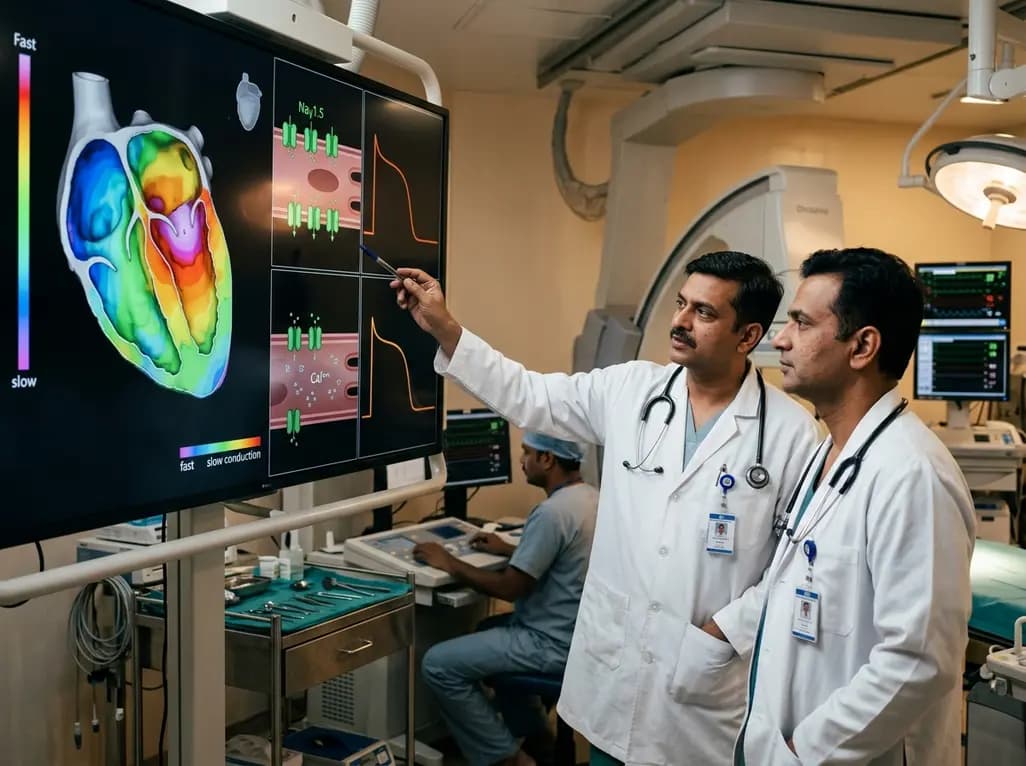
New research reveals that non-ablative radiotherapy suppresses ventricular tachycardia by increasing conduction velocity via NaV1.5 upregulation and action potential prolongation. However, sustained sodium current elevation and depressed calcium handling highlight the need for careful clinical translation.
6 days back

A single-cell transcriptomic atlas reveals how peripheral nerve injuries cause dorsal root ganglion remodeling. By evaluating proximal nerve crush and resection, researchers identify distinct glial and immune programs that resolve neuropathic pain and promote regeneration.
4 days back
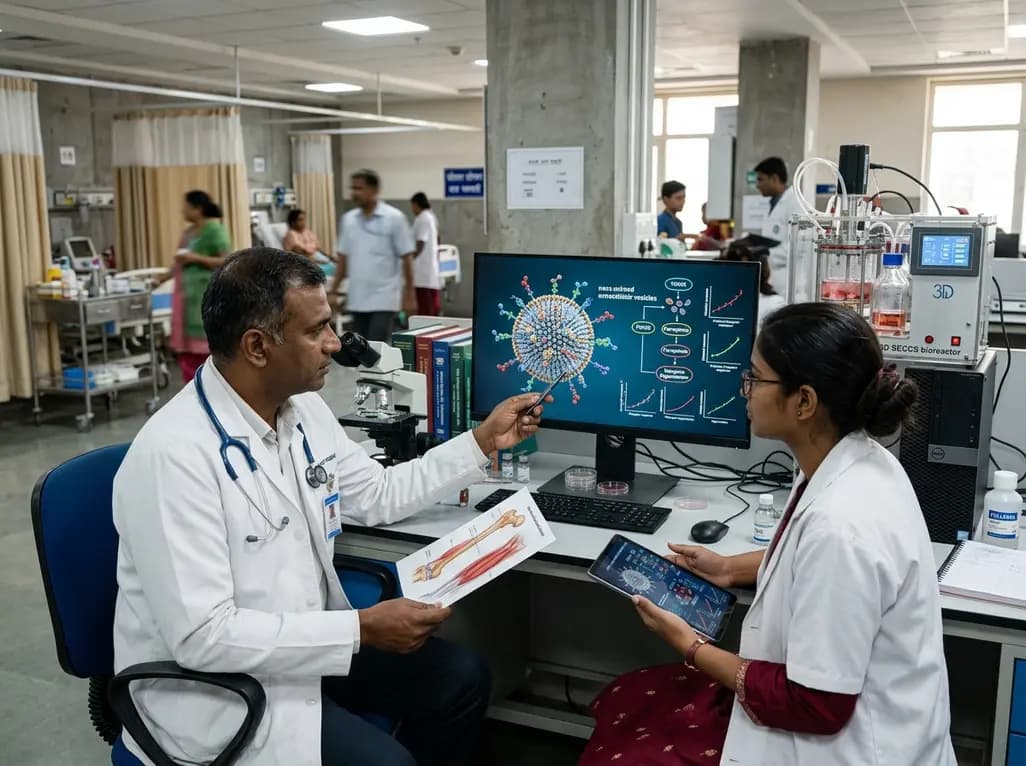
A breakthrough study demonstrates that fullerol-primed extracellular vesicles generated in a 3D SECCS bioreactor attenuate ferroptosis and restore myogenic regeneration in diabetes via the FOXO3 pathway, offering a cell-free therapeutic strategy for diabetic musculoskeletal degeneration.
4 days back
